
Apostel Jakobus de Meerdere — History & Facts
Who listens when art speaks of silence? In the stillness captured within the frame, the weight of devotion and profound ecstasy resonates, inviting the viewer to contemplate the depths of faith and artistry. Look closely at the figure of Saint James, turned slightly to the left, his gaze directed upwards as if in communion with the divine. Notice how the folds of his robe cascade down, painted with meticulous detail that showcases Dürer’s mastery of texture and form. The warm, earthy tones contrast beautifully against the cooler background, creating a sense of depth that draws the eye toward the saint’s serene expression. The intricate details hold layers of meaning; the saint's gentle yet firm posture suggests both humility and strength.
The gesture of his right hand, lifted as if in offering or prayer, invites introspection about the role of the divine in human life. The delicate rendering of his face evokes an emotional resonance, embodying a transformative moment where earthly existence meets spiritual ecstasy, creating a profound connection between the viewer and the sacred. In 1503, Albrecht Dürer was at the height of his artistic development, working in Nuremberg amidst the burgeoning Northern Renaissance. This period was marked by an exploration of perspective and human emotion, with a focus on detail and realism that Dürer would come to exemplify in his work.
Apostel Jakobus de Meerdere reflects not only his technical prowess but also the zeitgeist of an era captivated by religion, humanism, and the quest for deeper meaning in art.
More Artworks by Albrecht Dürer
Browse all →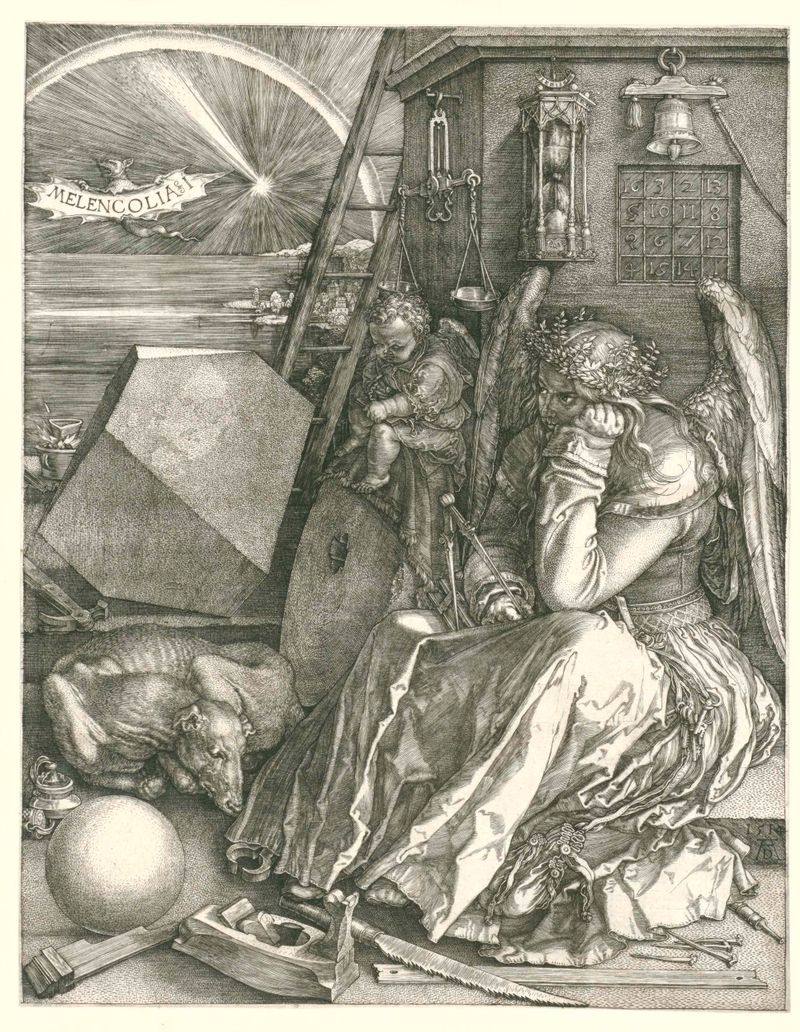
Melancholia
Albrecht Dürer
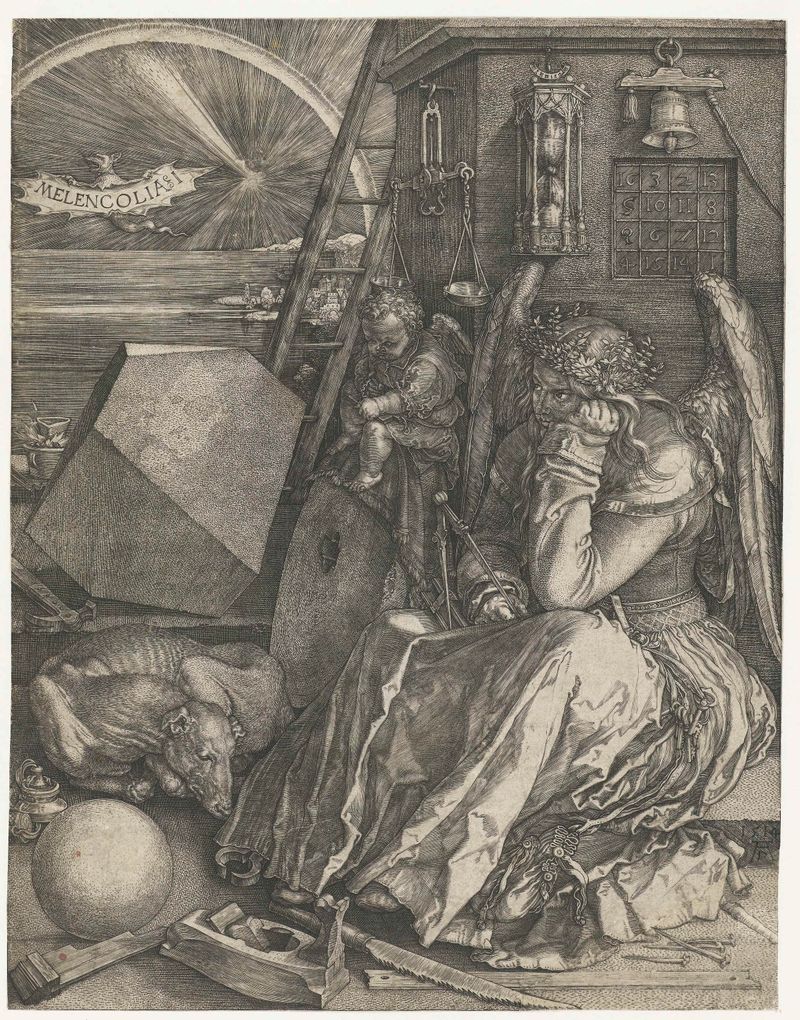
Melancholie
Albrecht Dürer
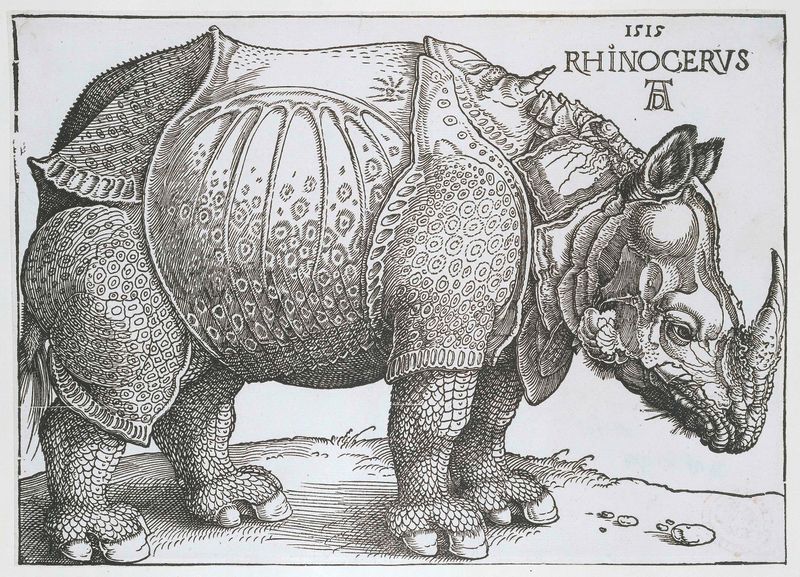
Neushoorn
Albrecht Dürer
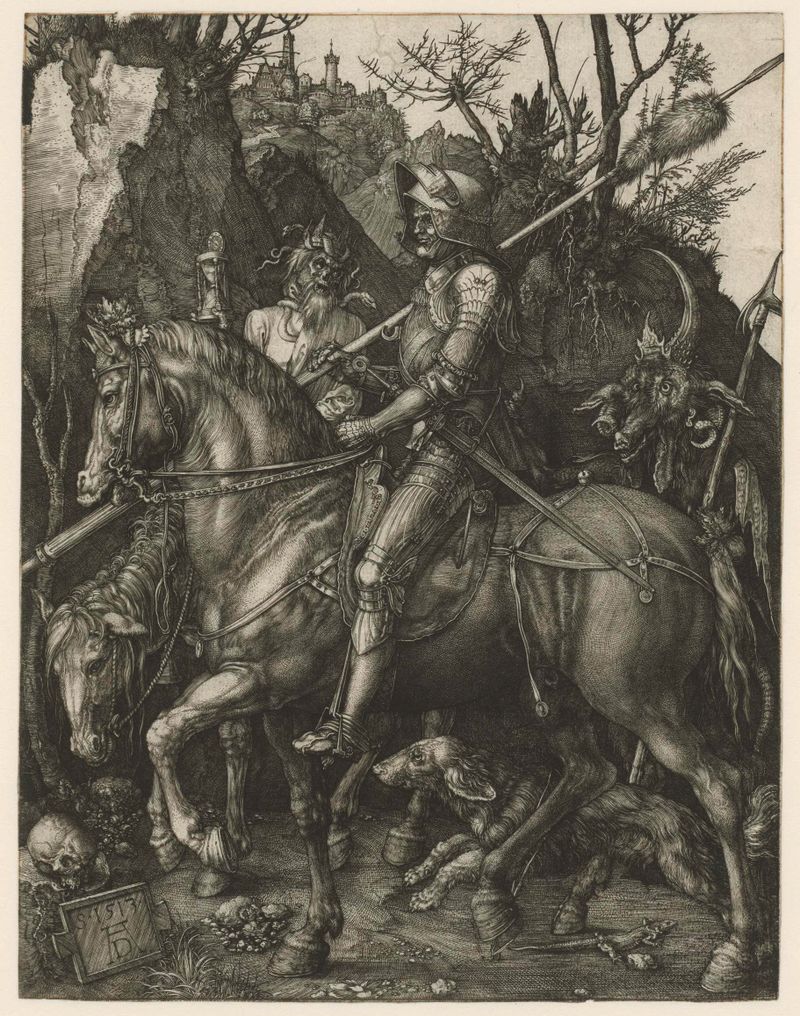
Knight, Death, and the Devil
Albrecht Dürer

De vier ruiters van de apocalyps
Albrecht Dürer

De vier ruiters van de apocalyps
Albrecht Dürer
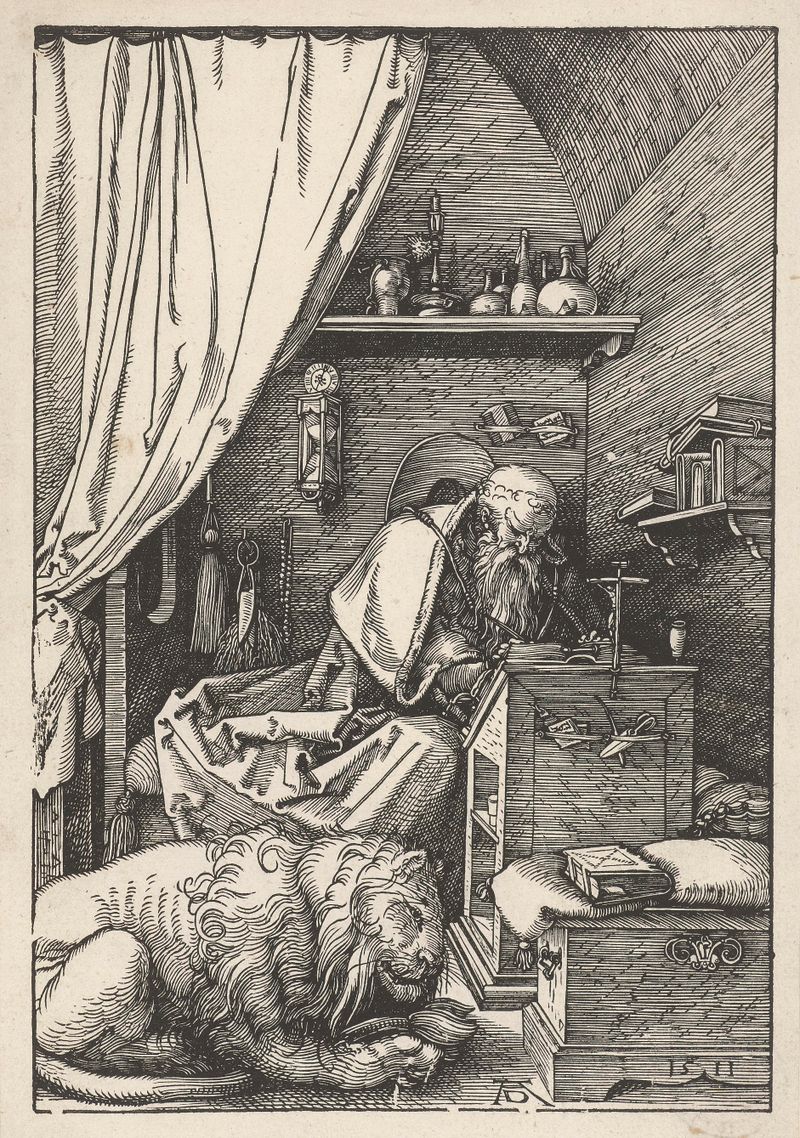
De Heilige Hiëronymus in zijn studeervertrek
Albrecht Dürer
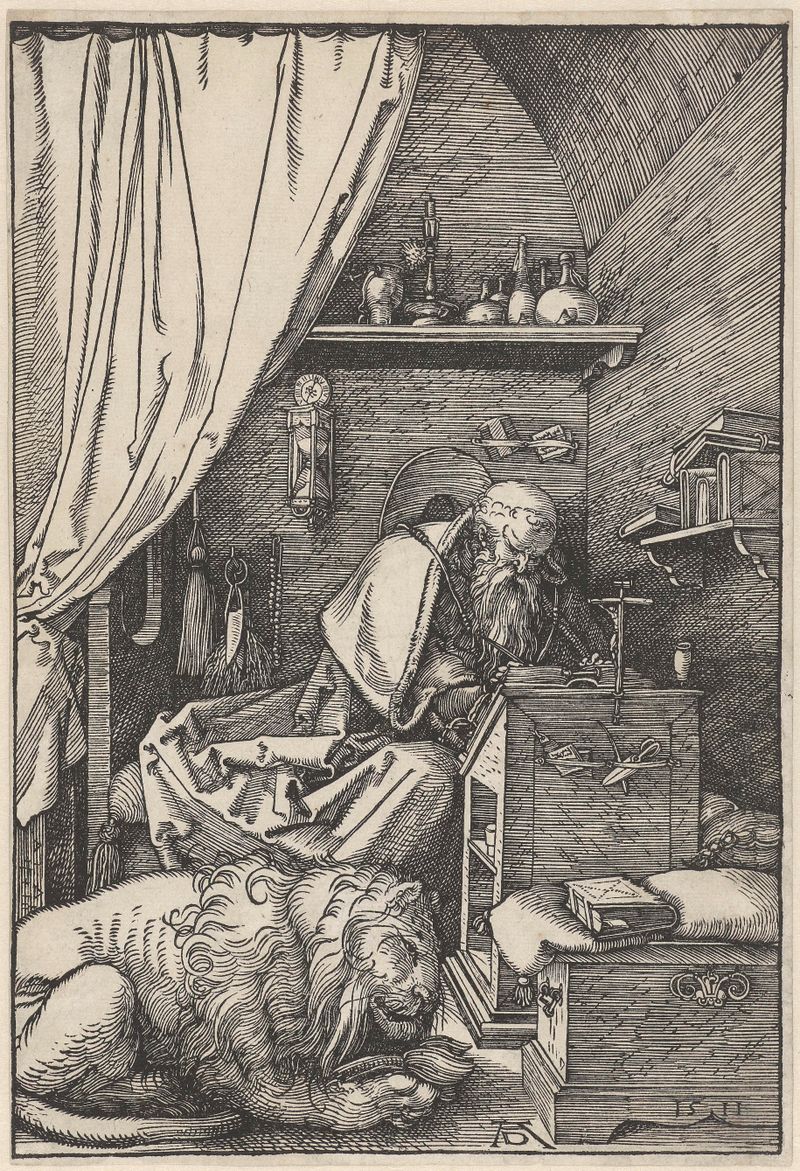
De Heilige Hiëronymus in zijn studeervertrek
Albrecht Dürer
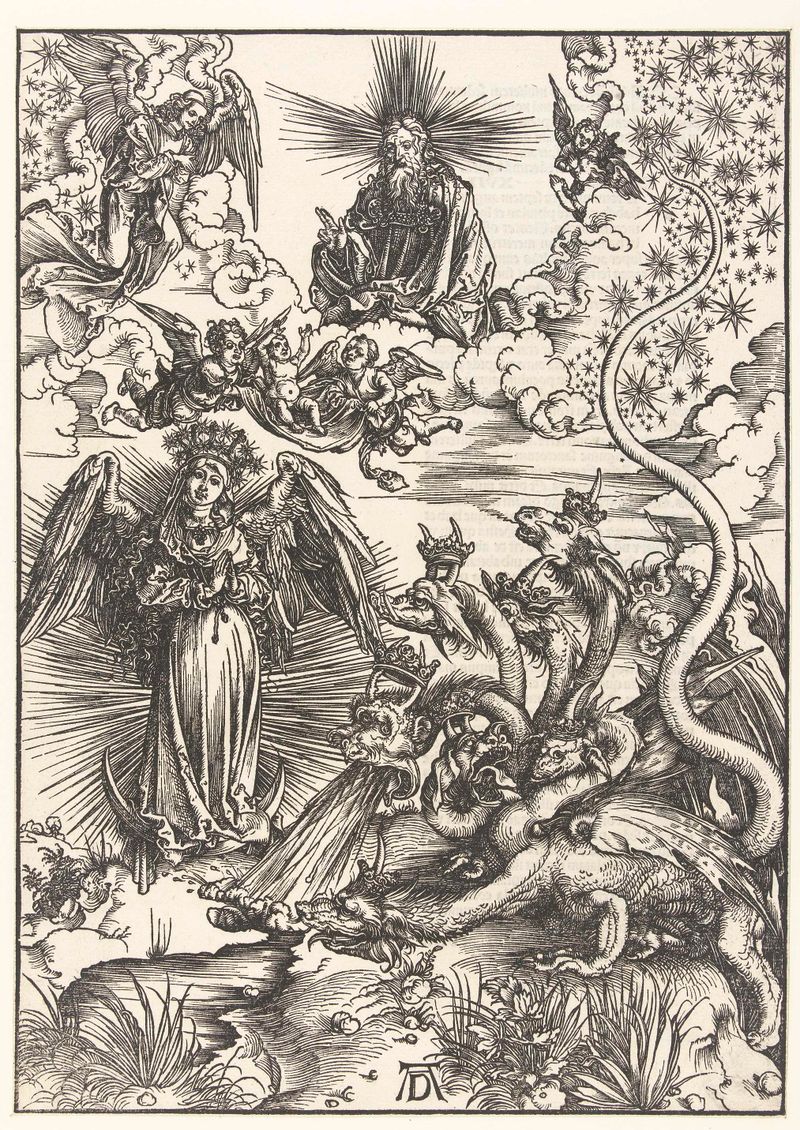
De apocalyptische vrouw en de zevenkoppige draak
Albrecht Dürer
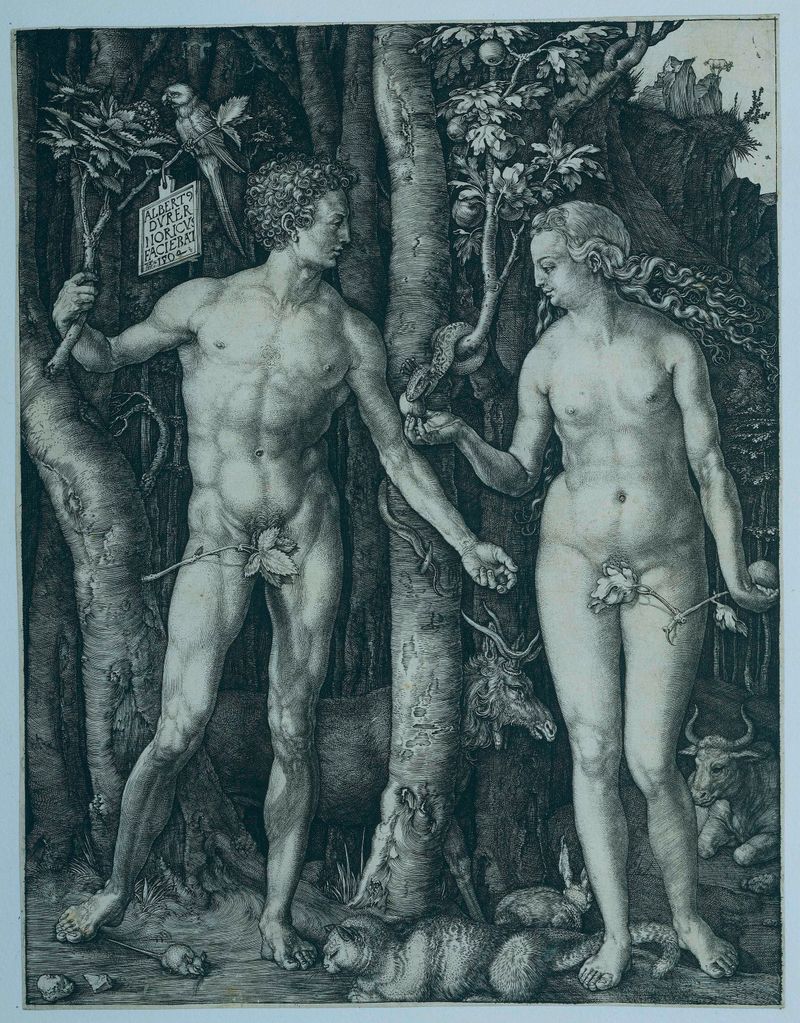
Adam en Eva
Albrecht Dürer
More Religious Art
Browse all →
The Return of the Prodigal Son
Rembrandt van Rijn

The Garden of Earthly Delights
El Bosco

Count Orgaz’ funeral
El Greco

The Hundred Guilder Print: the central piece with Christ preaching, the plate arched
Rembrandt van Rijn

The Descent from the Cross
Rogier van der Weyden

The return of the prodigal son
Rembrandt van Rijn