
Apostel Matthias — History & Facts
Did the painter know this moment would outlive them? In Apostel Matthias, a profound balance of reverence and artistry invites us to ponder the weight of fate and faith captured in oil and wood. Focus on the saint's gaze; it draws you in from the canvas, deep and contemplative. The rich, earthy tones of Matthias' robe contrast with the crystalline clarity of his features, creating a striking harmony between man and divine. Notice how the light falls upon his face, illuminating the contours of his expression while casting shadows that suggest both depth and mystery.
Each brushstroke is deliberate, revealing Dürer’s meticulous technique and keen understanding of anatomy. As you observe, contemplate the tension between Matthias' poised serenity and the chaotic world surrounding him, alluded to by the muted colors in the background. The wooden base on which he rests symbolizes the earthly realm, while the hint of celestial light suggests a divine connection. This interplay between the tangible and the ethereal embodies the artist's exploration of spiritual balance, inviting a dialogue between the seen and unseen forces of life. Albrecht Dürer painted Apostel Matthias in 1503, during a transformative period in the Northern Renaissance.
As he navigated the complexities of his artistic career in Nuremberg, he sought to blend realism with the spiritual rigor of his subjects. This work reflects not only his personal ambition but also the broader shift toward individualism and depth in European art at the time, marking a significant evolution in the portrayal of religious figures.
More Artworks by Albrecht Dürer
Browse all →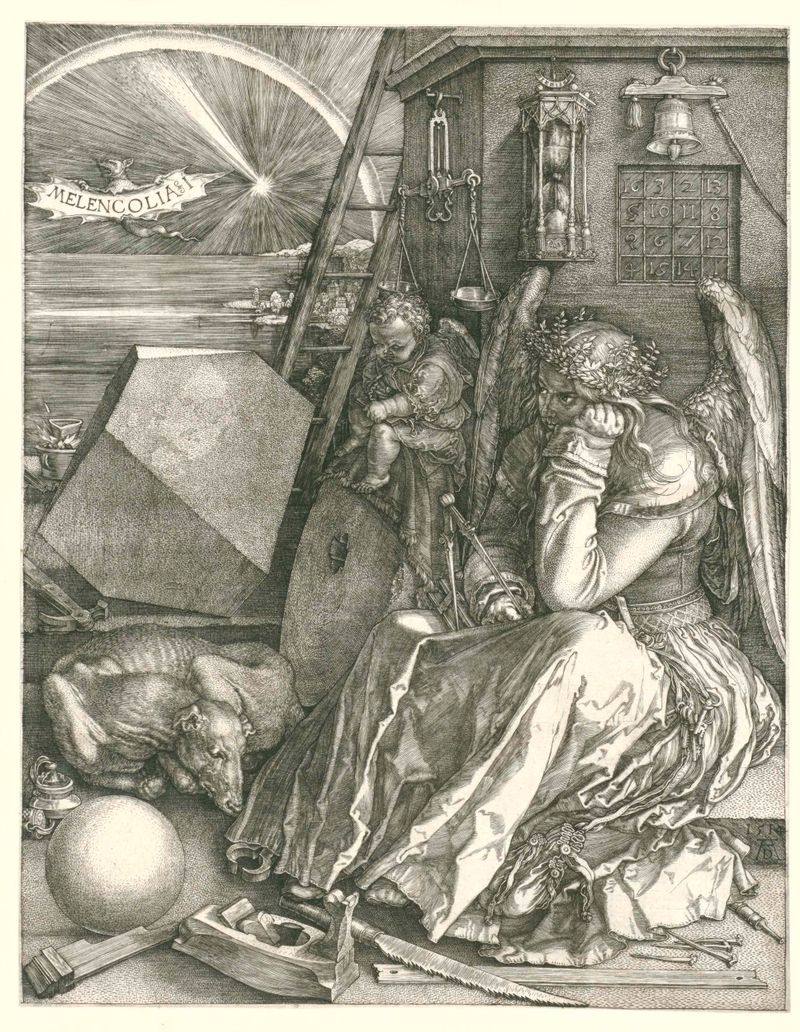
Melancholia
Albrecht Dürer
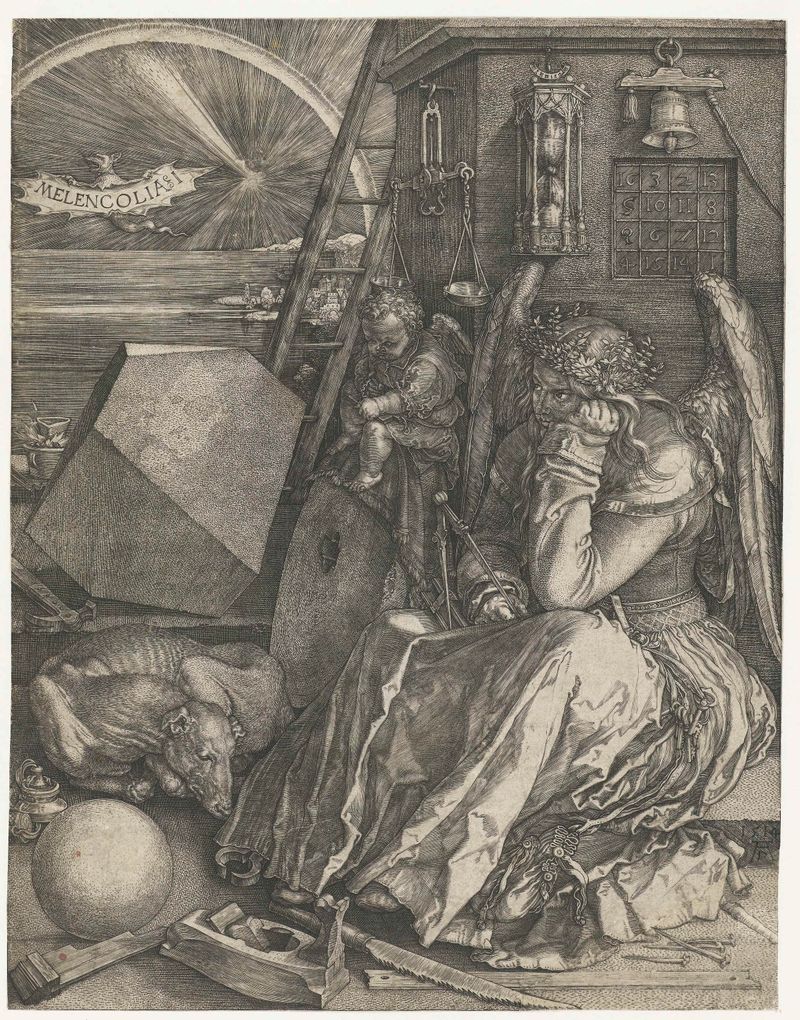
Melancholie
Albrecht Dürer
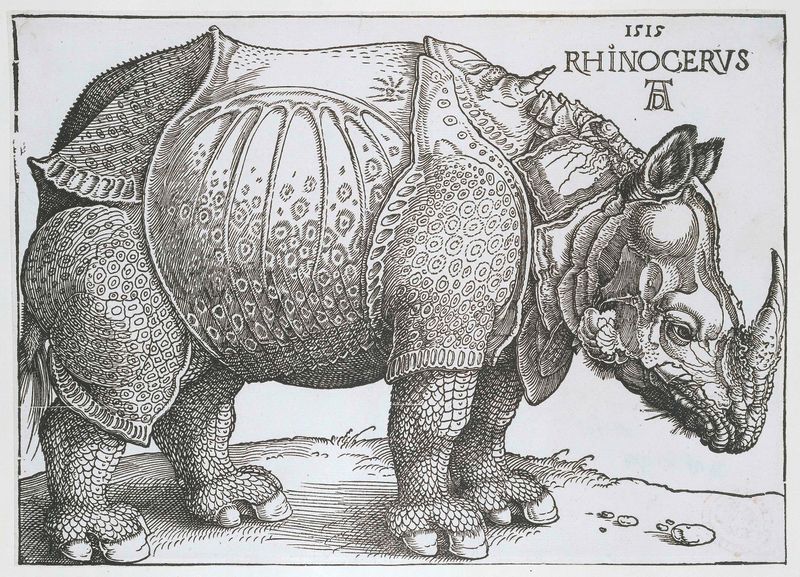
Neushoorn
Albrecht Dürer
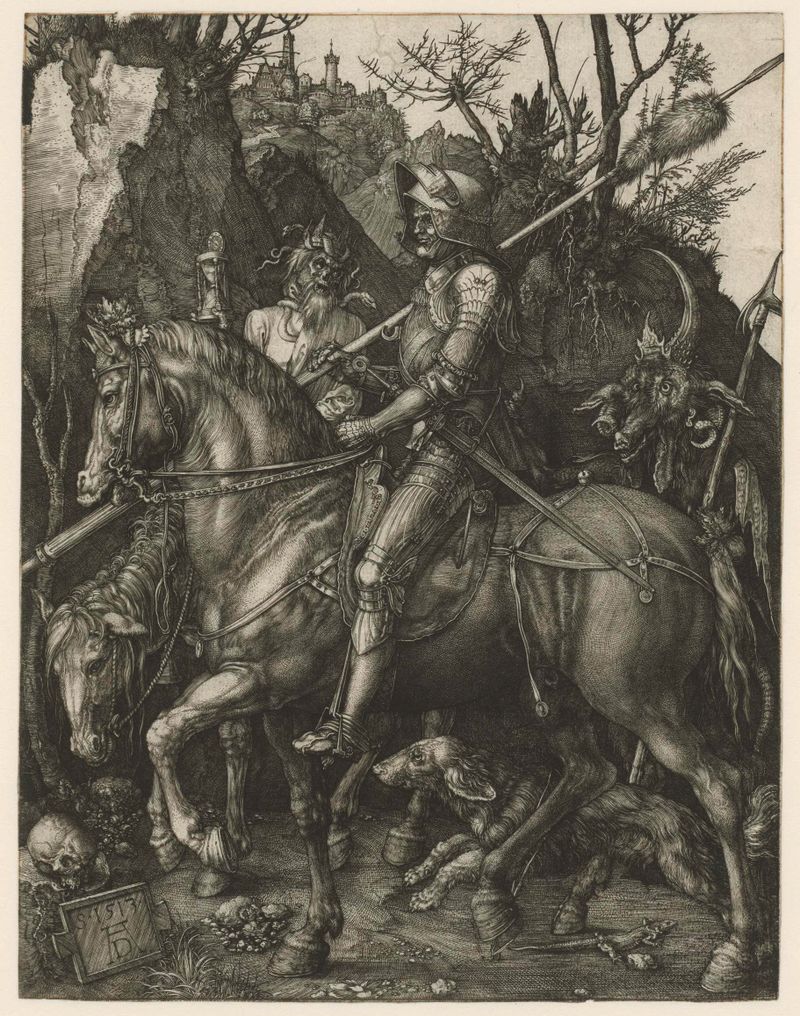
Knight, Death, and the Devil
Albrecht Dürer

De vier ruiters van de apocalyps
Albrecht Dürer

De vier ruiters van de apocalyps
Albrecht Dürer
De Heilige Hiëronymus in zijn studeervertrek
Albrecht Dürer
De Heilige Hiëronymus in zijn studeervertrek
Albrecht Dürer
De apocalyptische vrouw en de zevenkoppige draak
Albrecht Dürer
Adam en Eva
Albrecht Dürer
More Religious Art
Browse all →
The Return of the Prodigal Son
Rembrandt van Rijn

The Garden of Earthly Delights
El Bosco

Count Orgaz’ funeral
El Greco

The Hundred Guilder Print: the central piece with Christ preaching, the plate arched
Rembrandt van Rijn

The Descent from the Cross
Rogier van der Weyden

The return of the prodigal son
Rembrandt van Rijn