
Apothéose — History & Facts
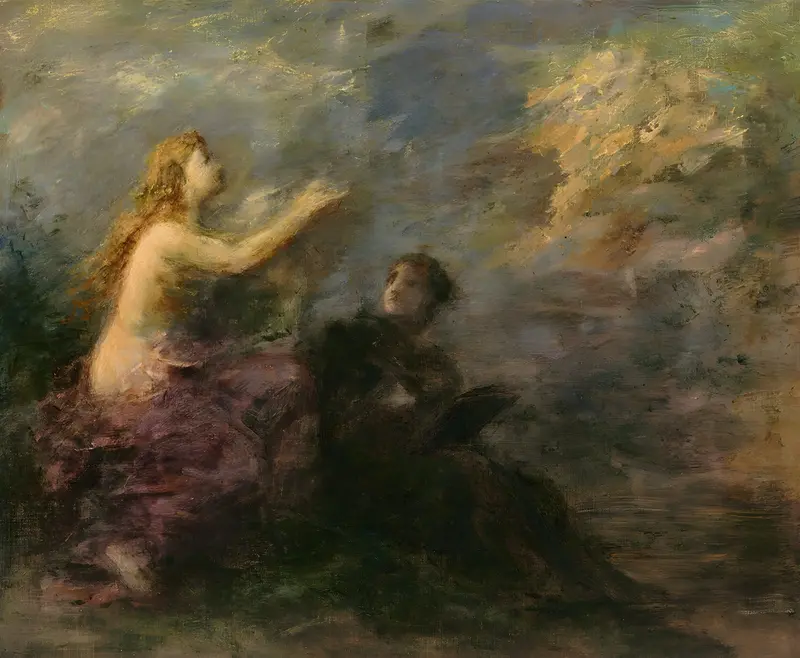
In Apothéose, Henri Fantin-Latour presents a vibrant scene filled with rich colors and dynamic figures. The painting features a central figure surrounded by allegorical representations of various virtues and artistic ideals. The use of deep reds, blues, and golds creates a sense of drama and movement.
The setting appears to be a celestial space, enhancing the theme of elevation and celebration of art. The painting is executed in oil on canvas, showcasing Fantin-Latour's skillful brushwork and attention to detail. The composition is balanced, with a clear focal point that draws the viewer's eye. The figures are rendered with a sense of realism, despite the allegorical nature of the work.
The dimensions are approximately 150 x 200 cm, making it a substantial piece that commands attention. Henri Fantin-Latour was known for his still lifes and portraits, but Apothéose reflects his interest in allegory and the celebration of art. This work was likely created during the 1880s, a period when he was exploring themes of artistic inspiration and the role of the artist. An interesting fact about this painting is that it was part of a larger movement in France that sought to elevate the status of artists and their contributions to society.
More Artworks by Henri Fantin-Latour
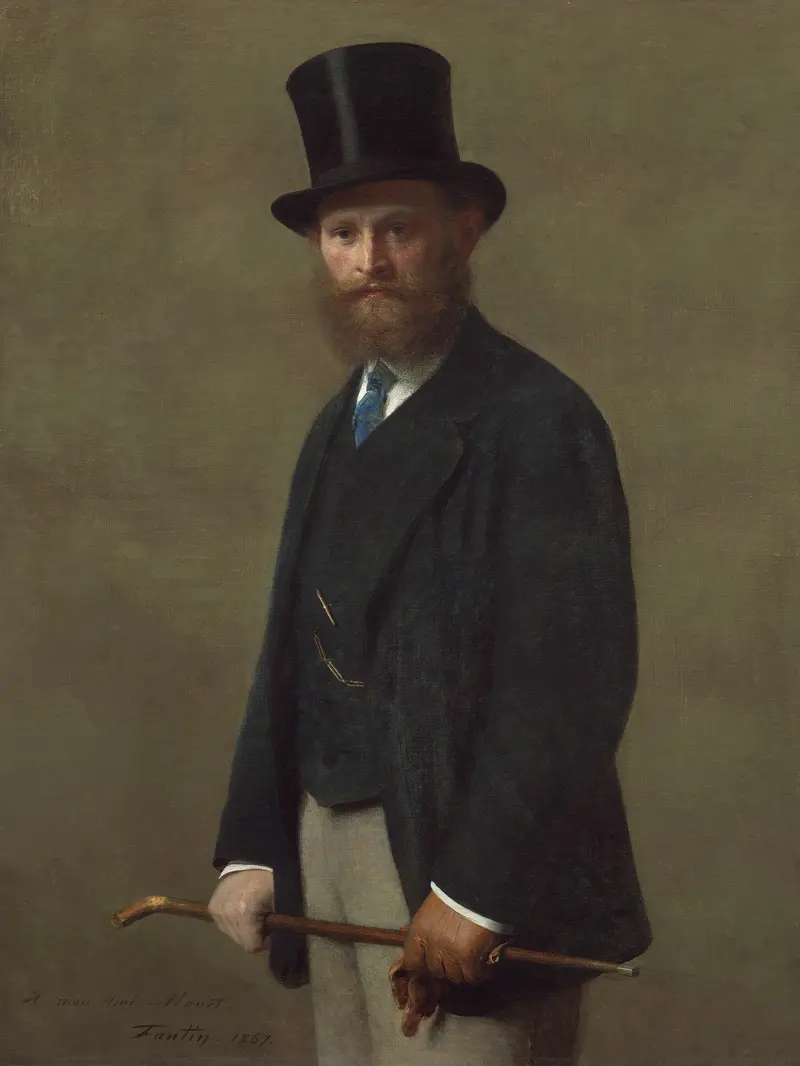
Édouard Manet
Henri Fantin-Latour
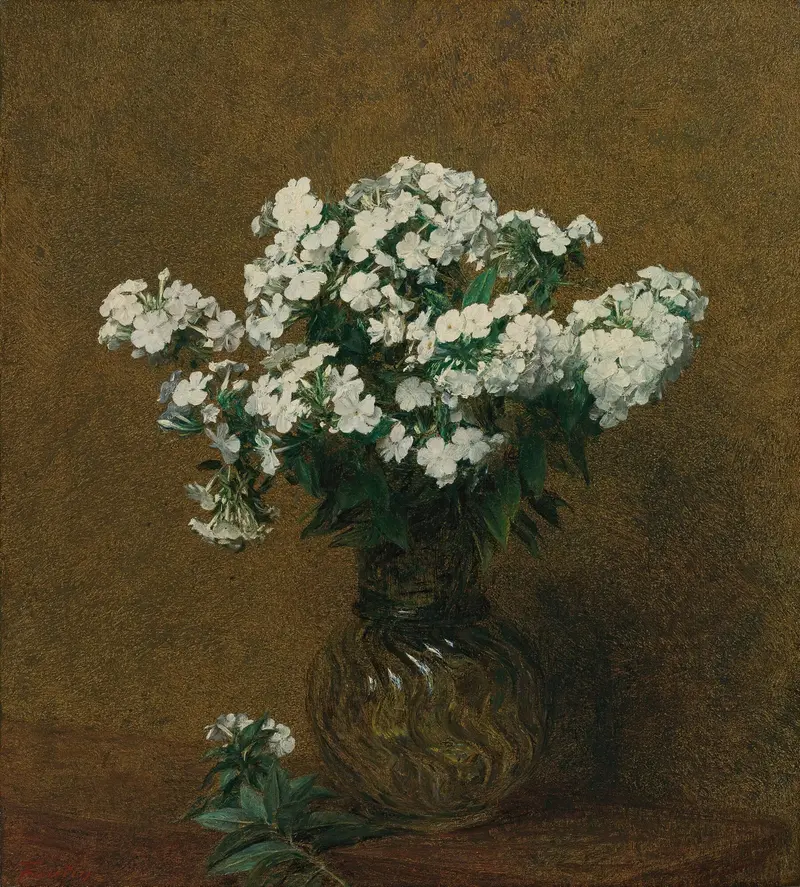
Phlox Blancs Dans Un Vase
Henri Fantin-Latour
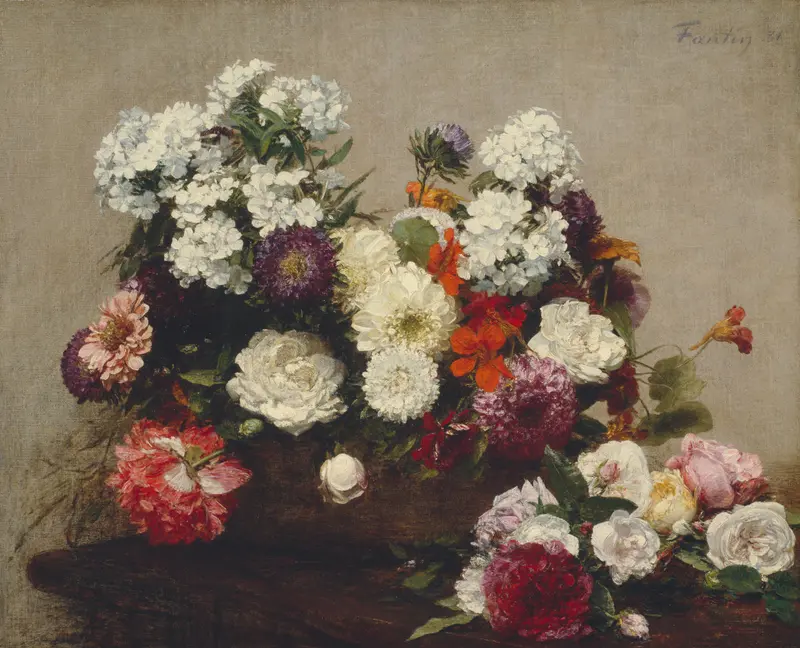
Still Life with Flowers
Henri Fantin-Latour
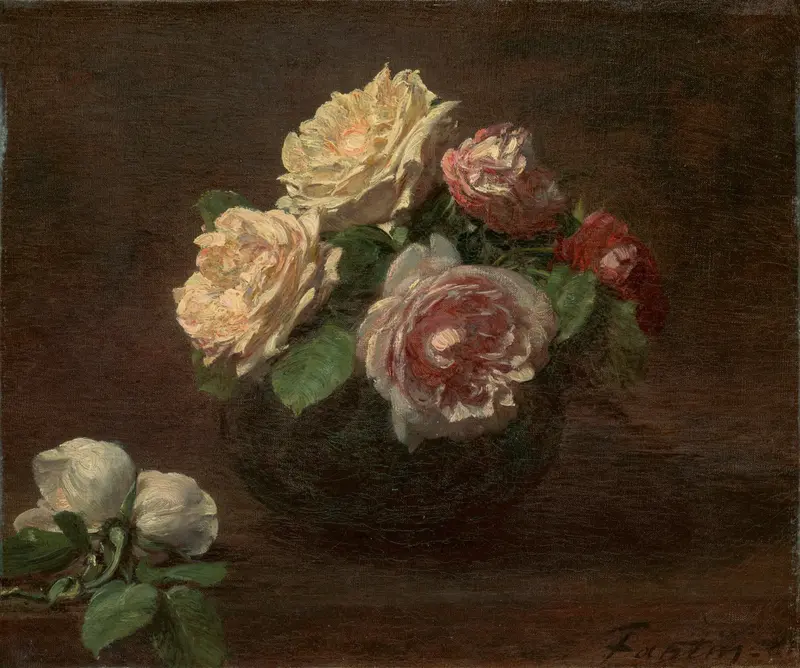
Roses in a Bowl
Henri Fantin-Latour
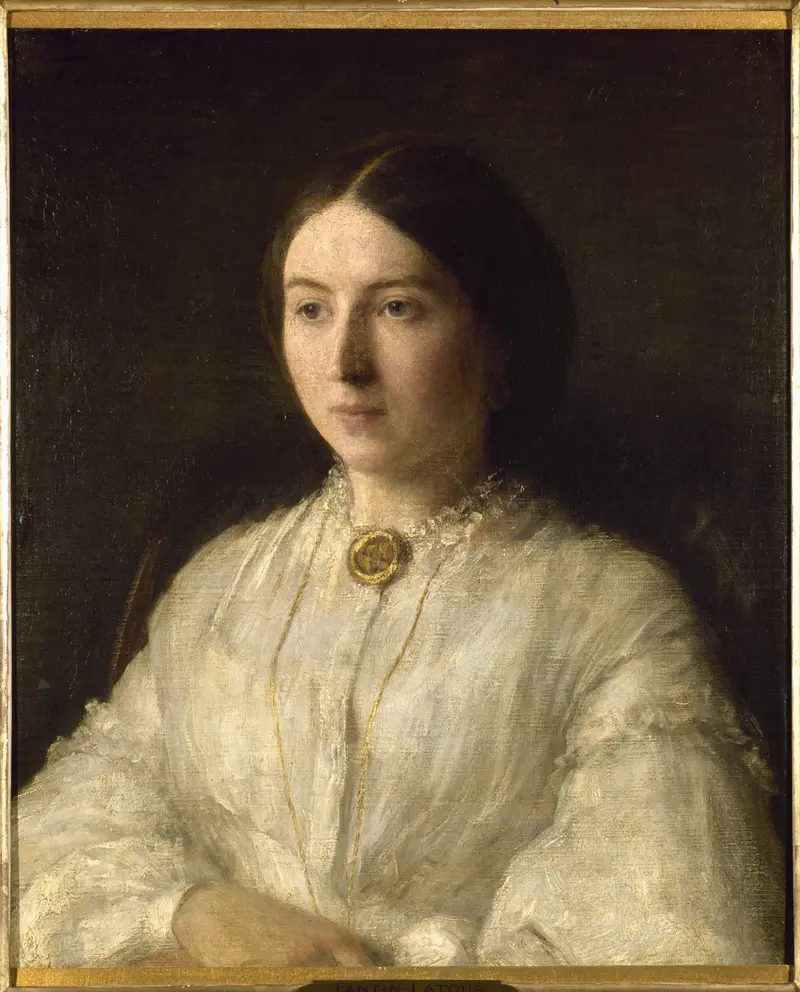
Portrait de Mme Edwin Edwards
Henri Fantin-Latour
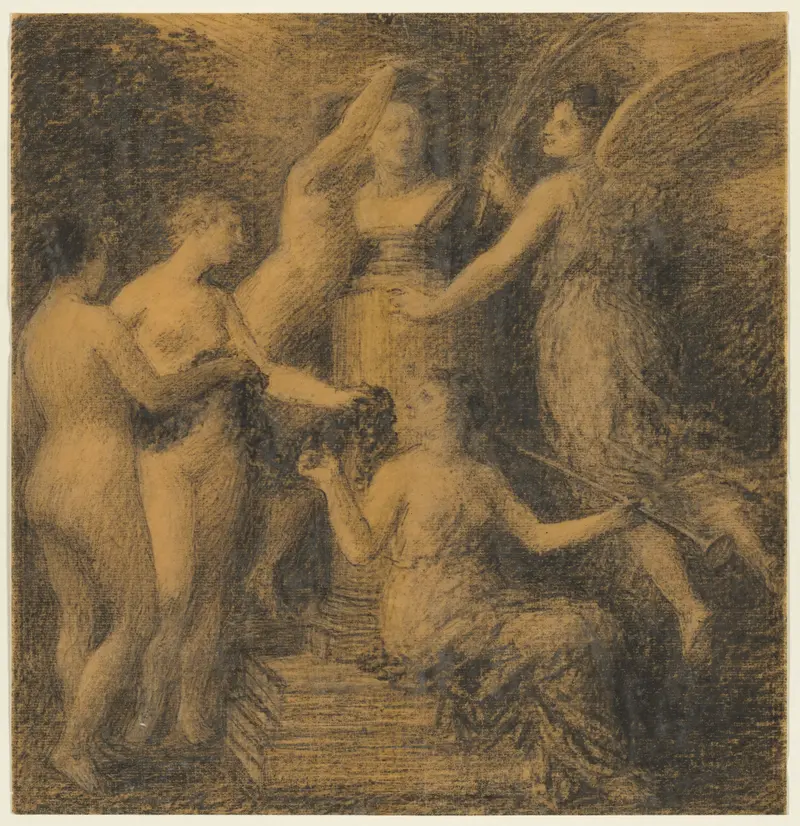
Homage to Rossini
Henri Fantin-Latour
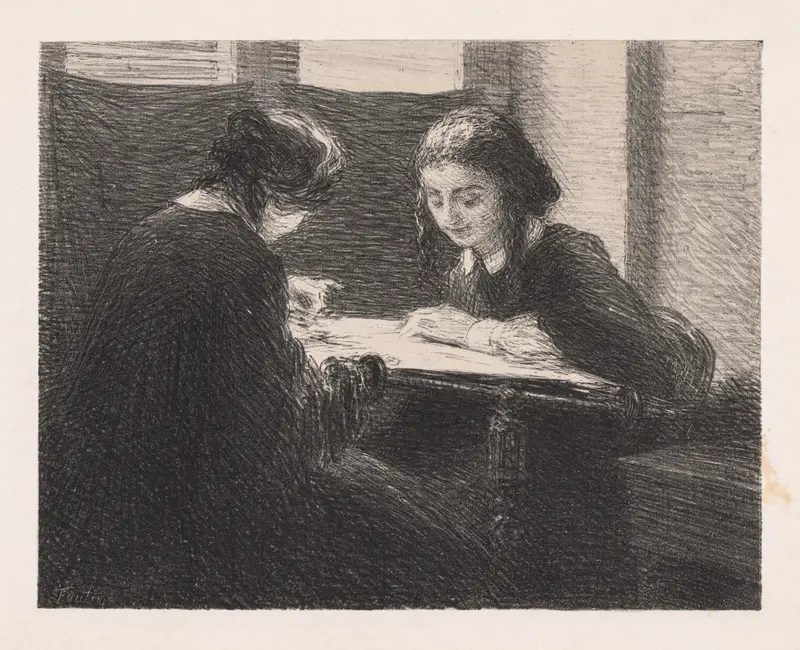
The Embroideres (Les Brodeuses)
Henri Fantin-Latour
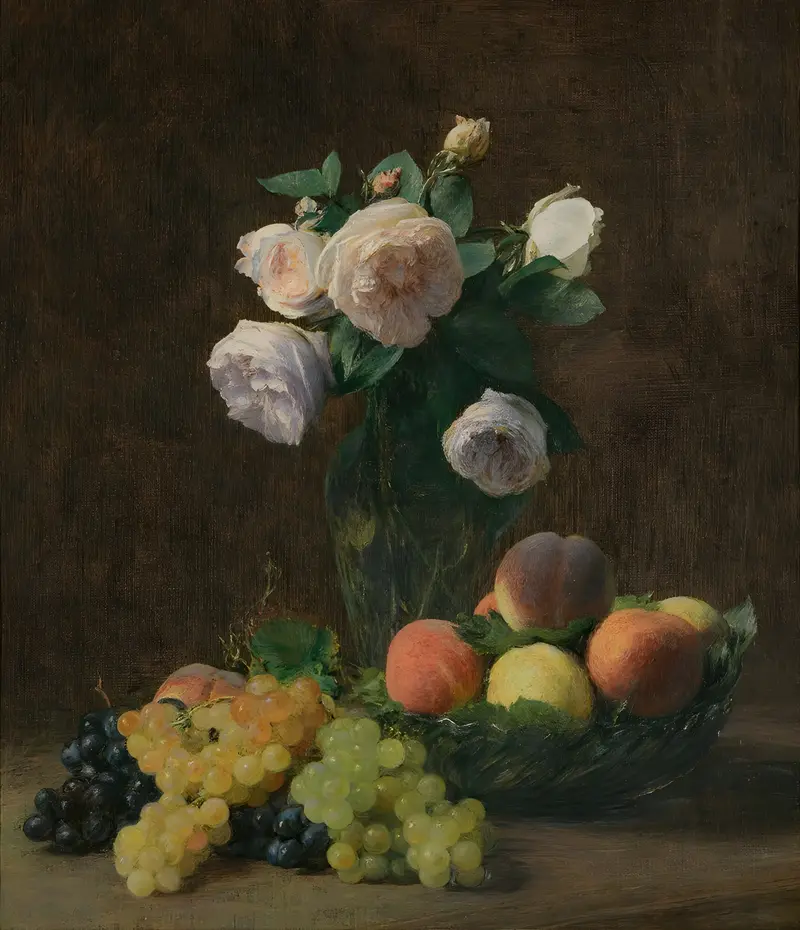
Nature Morte; Vase De Roses, Pêches Et Raisins
Henri Fantin-Latour
Inspiration
Henri Fantin-Latour
Nude study
Henri Fantin-Latour





