
Apothéose du 11 novembre 1920 (fête de la Victoire) — History & Facts
In a time when the shadows of war linger, how do we express the truths of victory and loss? Behind the vibrant facades, profound emotions sit poised for revelation, yearning to be acknowledged. Look closely at the central figures, draped in the triumphant hues of blue and gold that echo the hope of a nation reborn. Notice how the light dances across their faces, illuminating shared expressions of elation and grief that coexist within this moment. The composition elegantly leads the eye from the bustling crowd below to the solemn figures above, each detail meticulously crafted to create a sense of collective memory.
The gestures are powerful—arms raised in celebration or clasped in sorrow—encapsulating the duality of their experiences in this historic gathering. The tension between joy and mourning resonates throughout the canvas, a poignant reminder of the sacrifices made for freedom. The figures, though united in their celebration, are isolated in their contemplation, hinting at the unspoken stories that linger in their hearts. Each face carries the burden of truth—the triumph of victory contrasts starkly with the echoes of loss, suggesting that remembrance is as vital as celebration.
This juxtaposition evokes a deep emotional response, urging viewers to reflect on their own narratives of resilience and hope. In 1920, as the world grappled with the aftermath of World War I, Marie-Joseph-Leon Clavel created this powerful piece. Immersed in a landscape of change and uncertainty, he sought to capture the essence of a nation’s emotional landscape. This artwork emerged amidst a surge of national pride and remembrance, reflecting a society grappling with its identity and the weight of its recent past.
More Artworks by Marie-Joseph-Leon Clavel (Iwill)
Browse all →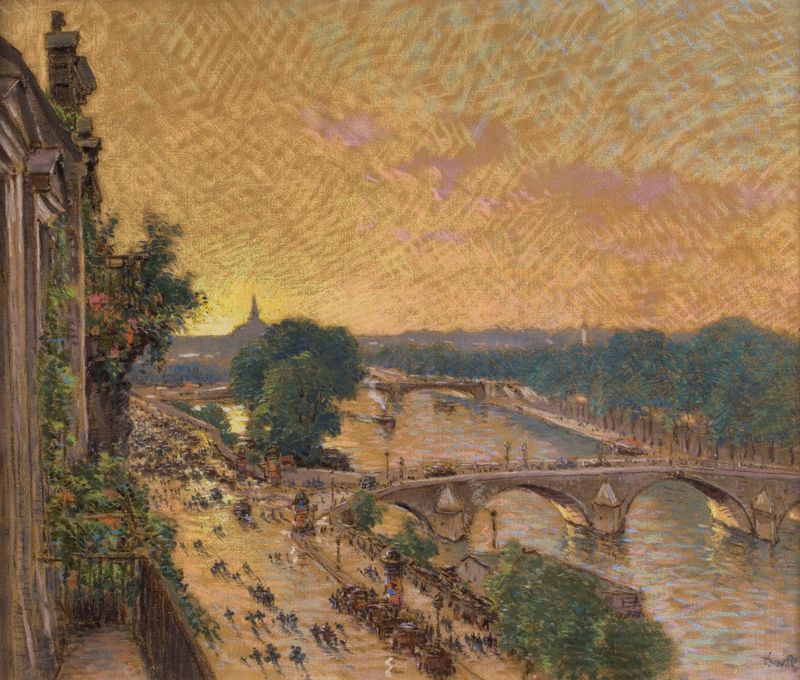
Septembre 1914 vers la gare d’Orsay
Marie-Joseph-Leon Clavel (Iwill)
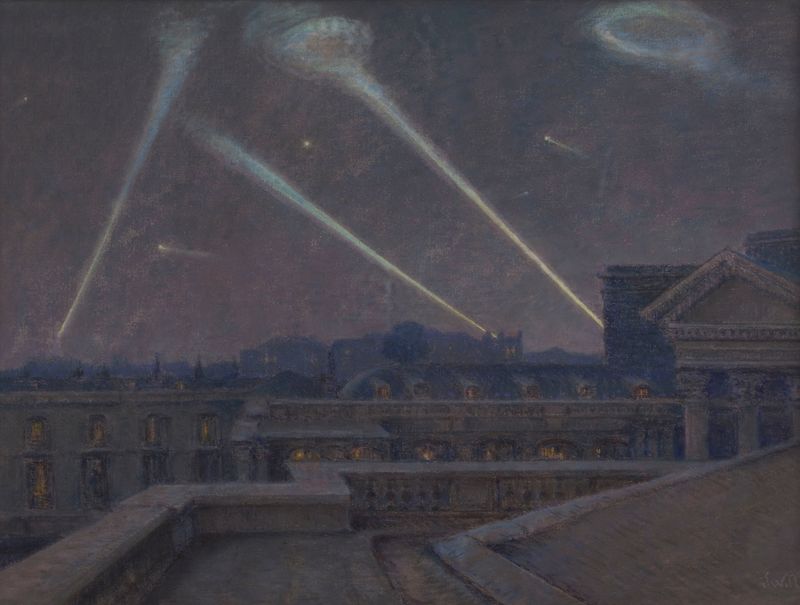
Sur les terrasses du Palais Bourbon, nuit du 29 janvier 1916, zeppelins
Marie-Joseph-Leon Clavel (Iwill)
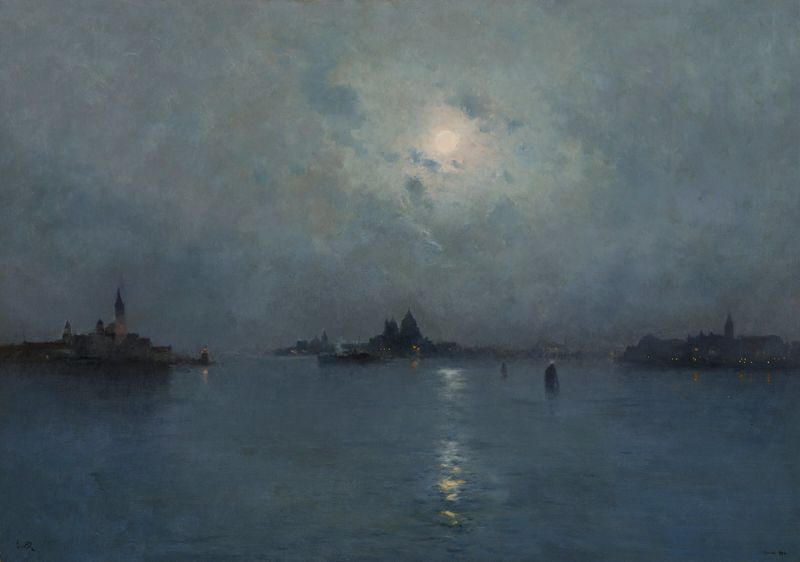
Venice
Marie-Joseph-Leon Clavel (Iwill)
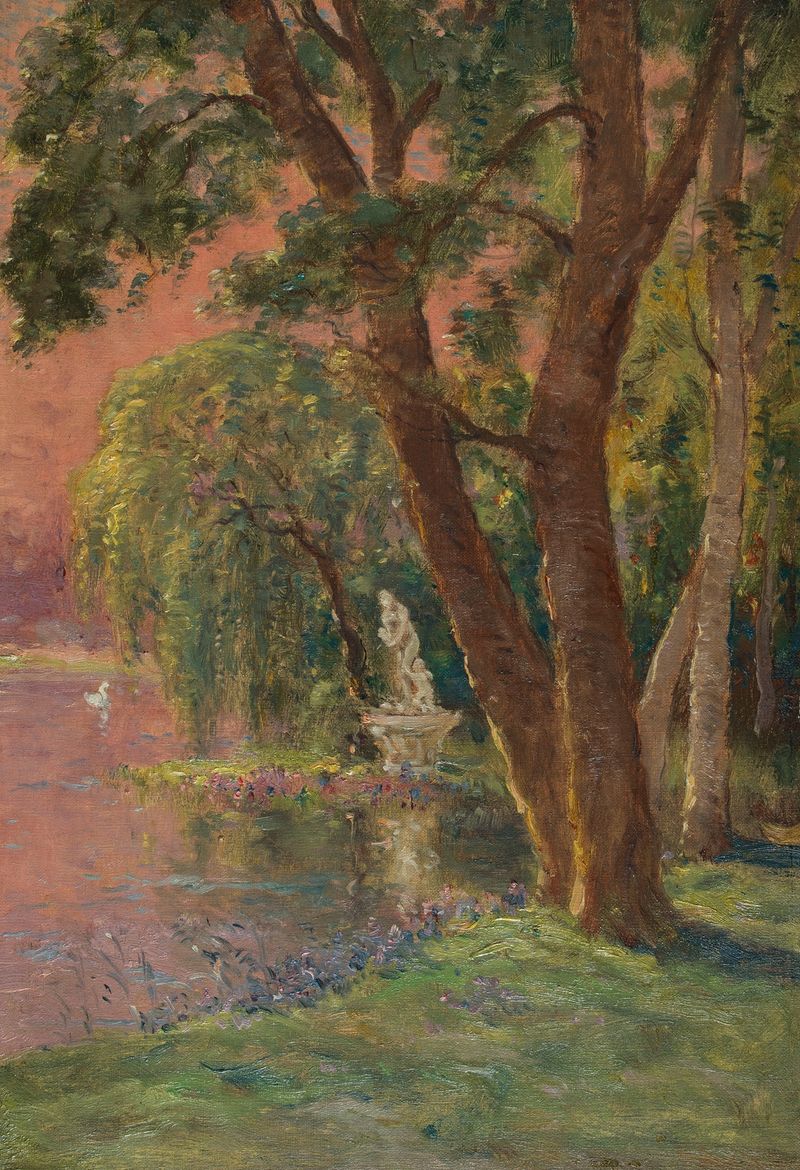
Le lac d’amour – le lever du soleil – la statue de Vénus et Cupidon
Marie-Joseph-Leon Clavel (Iwill)
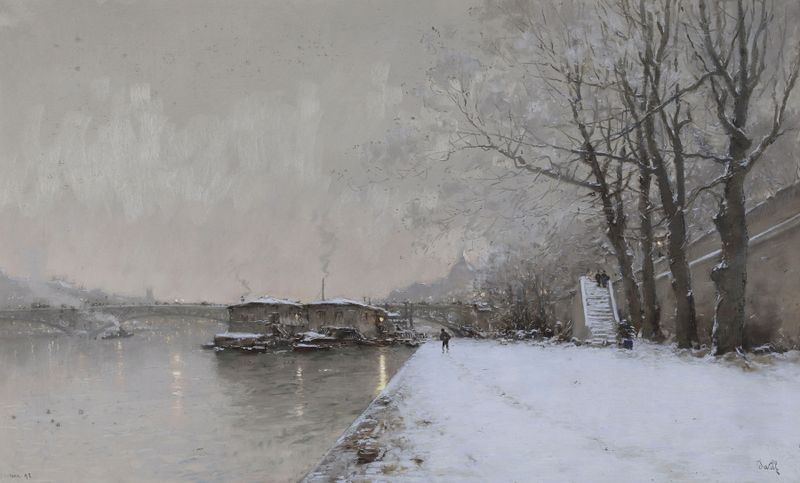
Effet de neige
Marie-Joseph-Leon Clavel (Iwill)
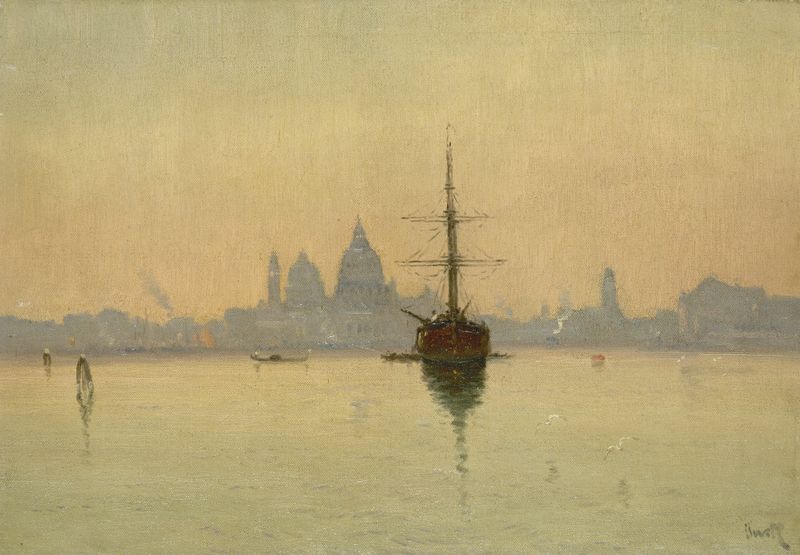
Venise
Marie-Joseph-Leon Clavel (Iwill)
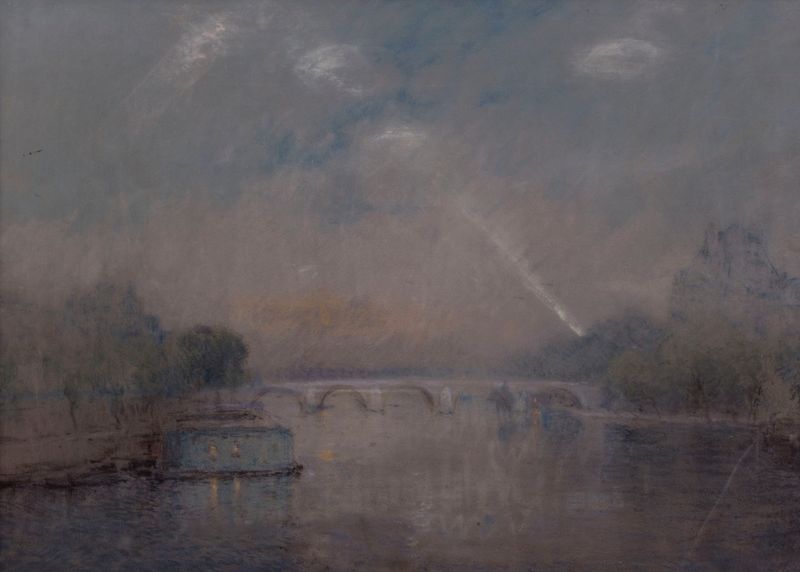
Tandis que Paris dormait – à la recherche des tauben
Marie-Joseph-Leon Clavel (Iwill)
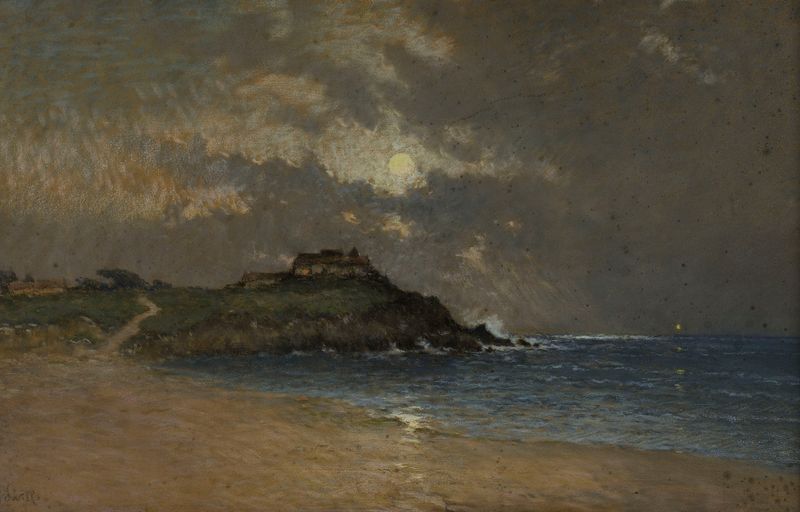
La grande côte à Royan
Marie-Joseph-Leon Clavel (Iwill)
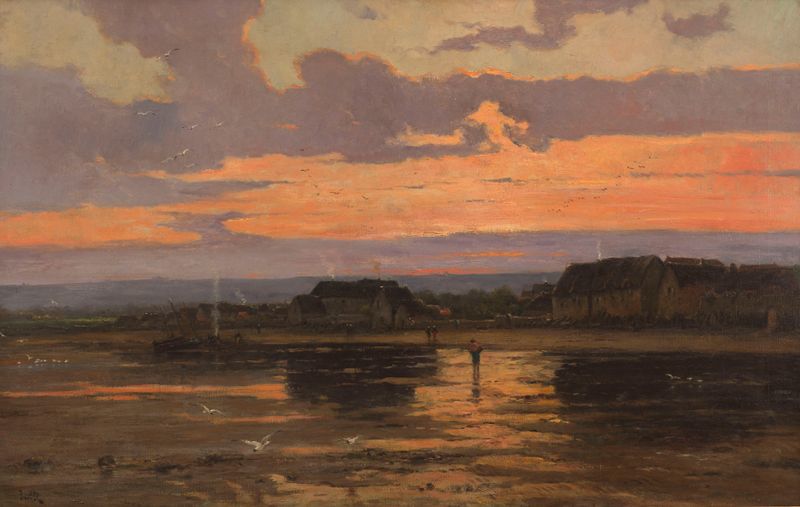
Solitude, le soir; Morsalines (Manche)
Marie-Joseph-Leon Clavel (Iwill)
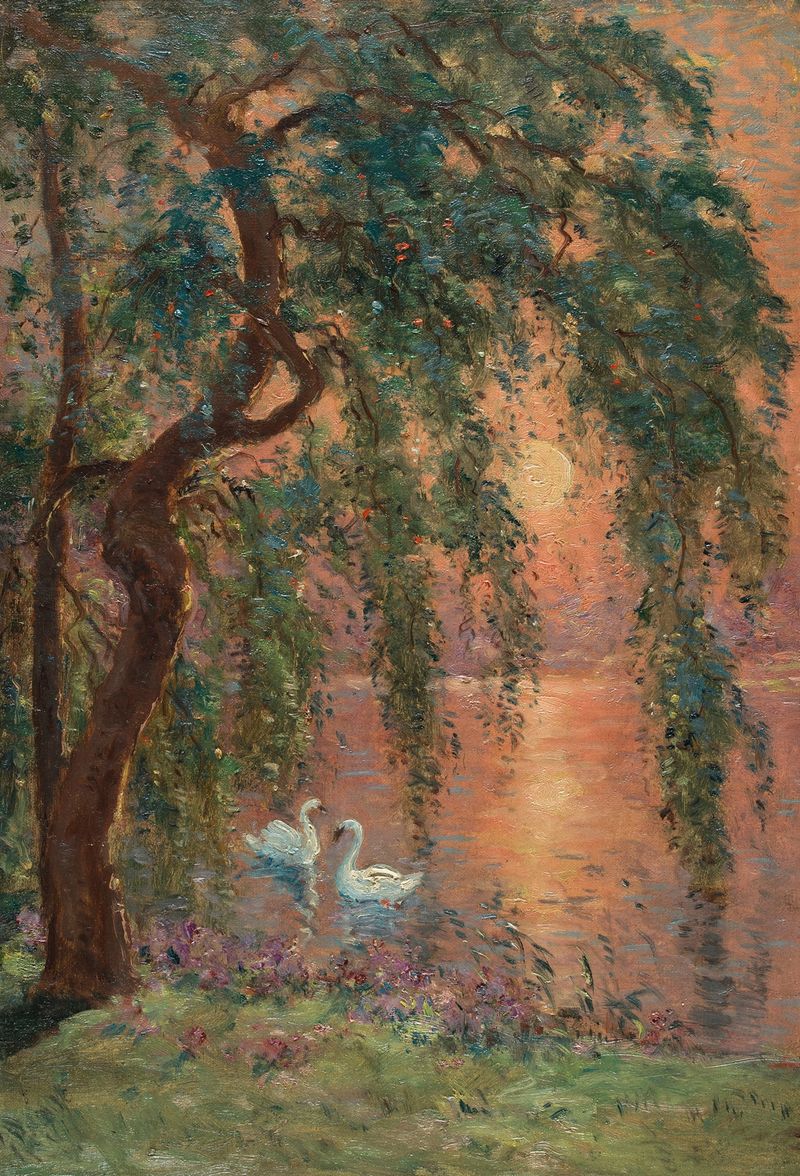
Le lac d’amour – le saule pleureur
Marie-Joseph-Leon Clavel (Iwill)
More Historical Art
Browse all →
The Night Watch Militia Company of District II under the Command of Captain Frans Banninck Cocq
Rembrandt van Rijn

Lincoln Memorial
Henry Bacon

The Third of May 1808
Francisco de Goya

Isaac and Rebecca, Known as ‘The Jewish Bride’
Rembrandt van Rijn

The Charge of the Mamelukes (1814)
Francisco de Goya

De vier ruiters van de apocalyps
Albrecht Dürer