Approach to Montevideo, Uruguay — History & Facts
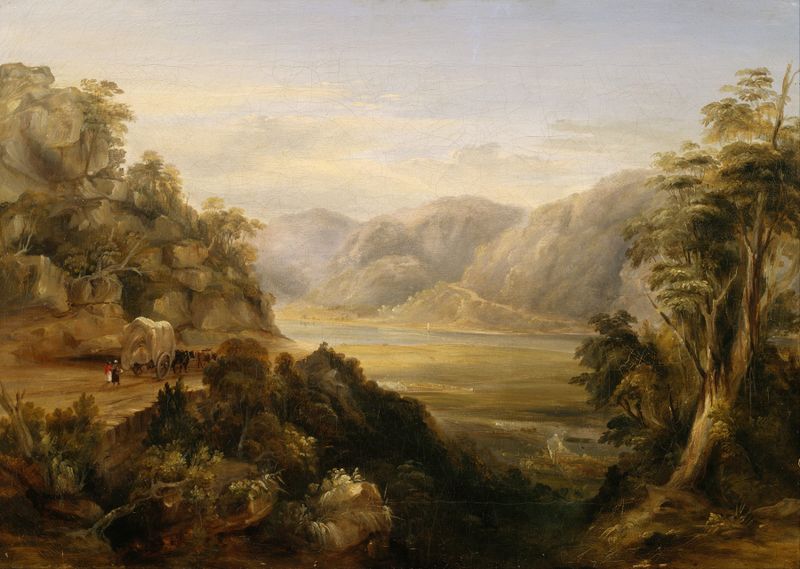
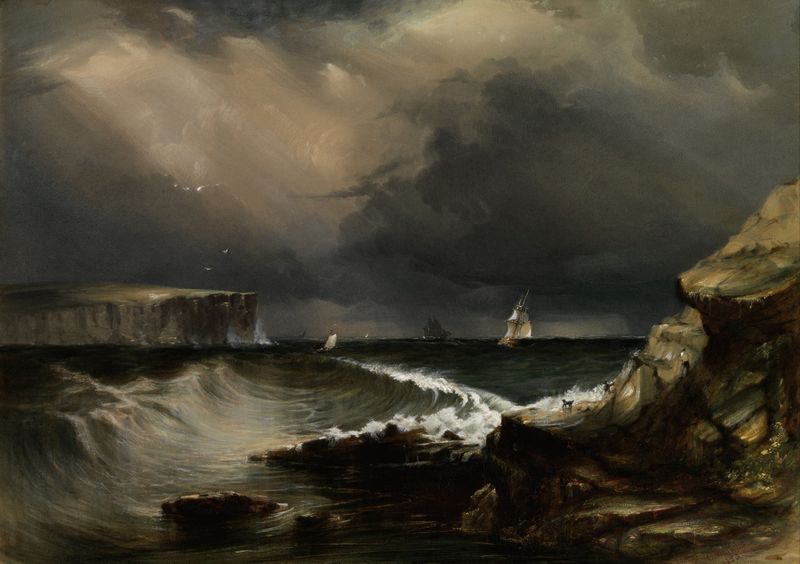
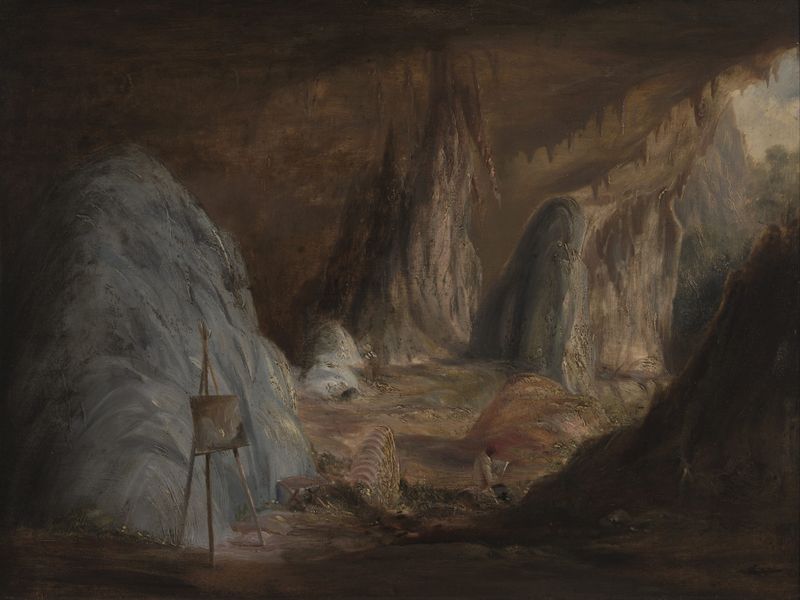
Can beauty exist without sorrow? In the delicate balance of life, one often finds faith intertwined with fleeting moments of joy and melancholic reflection. Look to the horizon, where the sun casts a warm golden hue over the sprawling landscape of Approach to Montevideo, Uruguay. The eye is immediately drawn to the dynamic interplay of light and shadow, a testament to the artist’s skill in capturing the essence of nature. The rolling hills, dotted with lush greenery, contrast beautifully against the cerulean sky, while the distant city, bathed in soft light, beckons with a sense of promise and adventure. Beneath this picturesque scene lies an emotional depth that speaks to the human experience.
The tranquility of the land is juxtaposed with the unknown that lies ahead, symbolizing the courage required to embark on new journeys. The gentle waves lapping at the shore whisper secrets of the past, while the vibrant colors evoke a sense of hope, hinting that beauty often emerges from the shadows of uncertainty. Each brushstroke reveals a narrative of faith in what is yet to come, inviting the viewer to ponder their own path. In 1832, while working in Australia, Martens captured this enchanting vista during an expedition of exploration and discovery.
It was a time when European artists were increasingly drawn to the allure of uncharted territories, inspired by the landscapes that promised new beginnings. This work embodies not only a moment in his life but also reflects the broader currents of Romanticism, where the sublime beauty of nature became a vessel for introspection and existential questioning.