
Approach to Venice — History & Facts
When did color learn to lie? The moment we gaze upon a scene so ethereal, it feels as if we’re peering into a dream rather than reality itself. In Approach to Venice, the colors swirl and merge, beckoning us into an embrace of awe and wonder. Each stroke of the brush teases the boundaries of perception, inviting us to question the very nature of what we see. Look to the horizon where the sun shimmers, casting a golden hue across the tranquil waters.
The softness of the pastel sky blends seamlessly with the deep blues and grays below, evoking a sense of serene movement. Notice how the figures appear almost ghostly, silhouetted against the gleaming light, hinting at both presence and absence. The fluidity of the paint, characteristic of an artist at the peak of his powers, draws our eyes across the canvas—capturing the fleeting beauty of a moment suspended in time. Yet, beneath its beauty lies a tension between reality and illusion.
The hazy outlines of Venice's iconic architecture suggest a city both familiar and distant, while the interplay of light and shadow reveals a fragility inherent in moments of beauty. There is a poignant juxtaposition here—a celebration of nature's brilliance intertwined with the inevitable passage of time. These elements echo the artist's own struggles with legacy and memory, making the painting a reflection of personal and universal truths. In the spring of 1844, Turner painted this work while immersed in his relentless pursuit of capturing light and atmosphere.
At this time, he was already a prominent figure in the British art scene, grappling with the advancements of the Impressionists and the changing tides of artistic expression. This piece stands as a testament to his mastery and vision, solidifying his legacy in the pantheon of art history.
More Artworks by Joseph Mallord William Turner
Browse all →
Dort or Dordrecht- The Dort Packet-Boat from Rotterdam Becalmed
Joseph Mallord William Turner
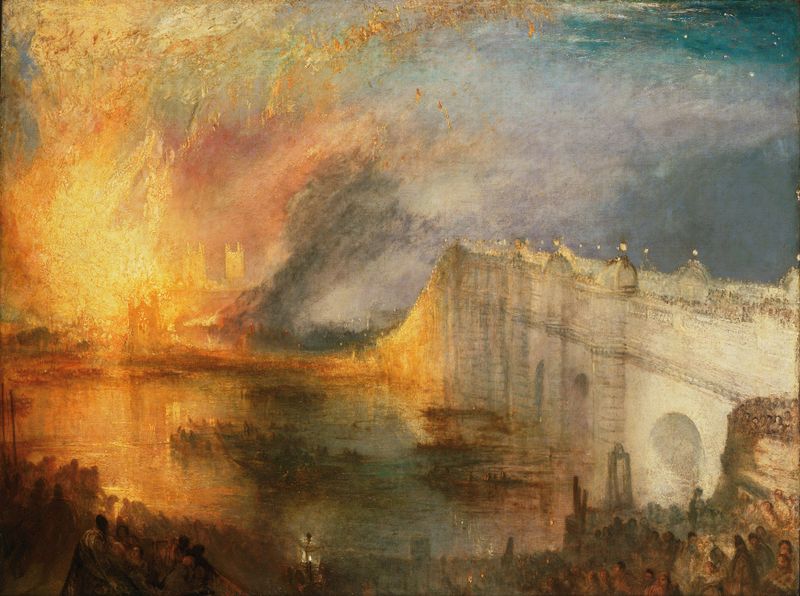
The Burning of the Houses of Lords and Commons, October 16, 1834
Joseph Mallord William Turner
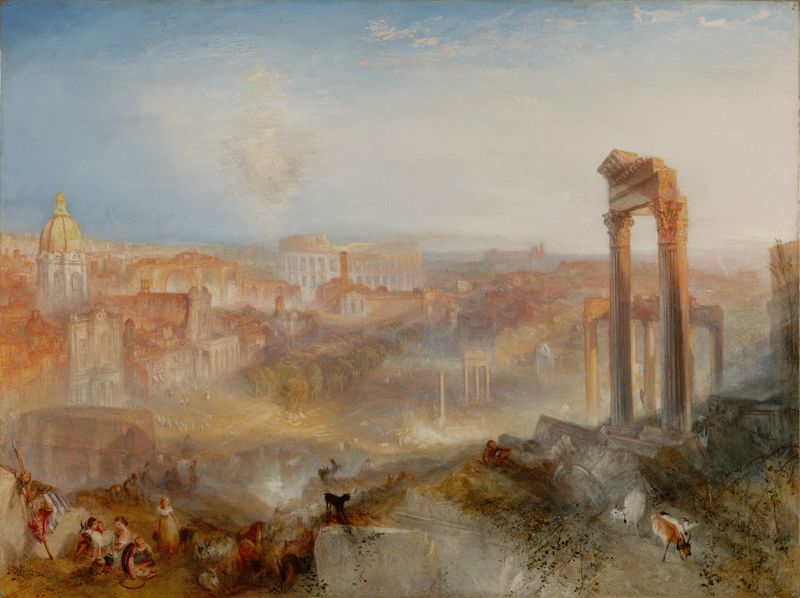
Modern Rome – Campo Vaccino
Joseph Mallord William Turner
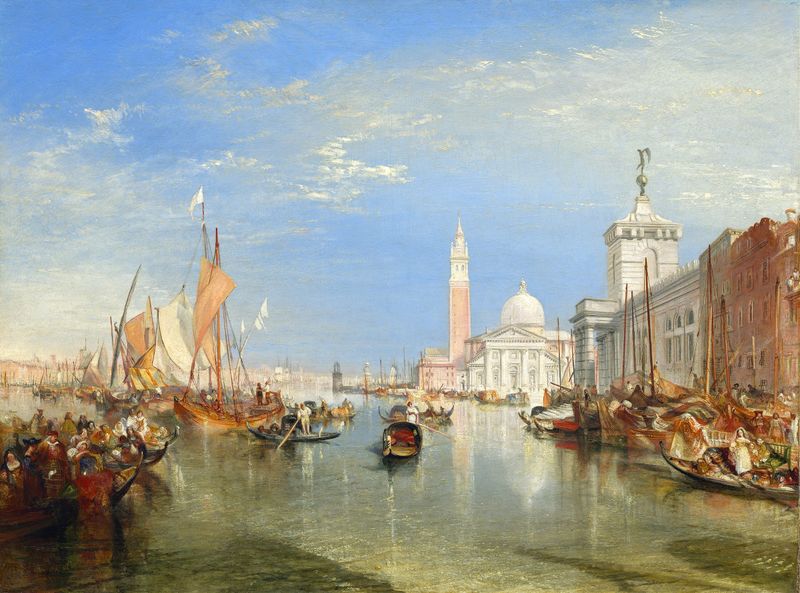
Venice – The Dogana and San Giorgio Maggiore
Joseph Mallord William Turner

The Burning of the Houses of Lords and Commons, 16 October 1834
Joseph Mallord William Turner
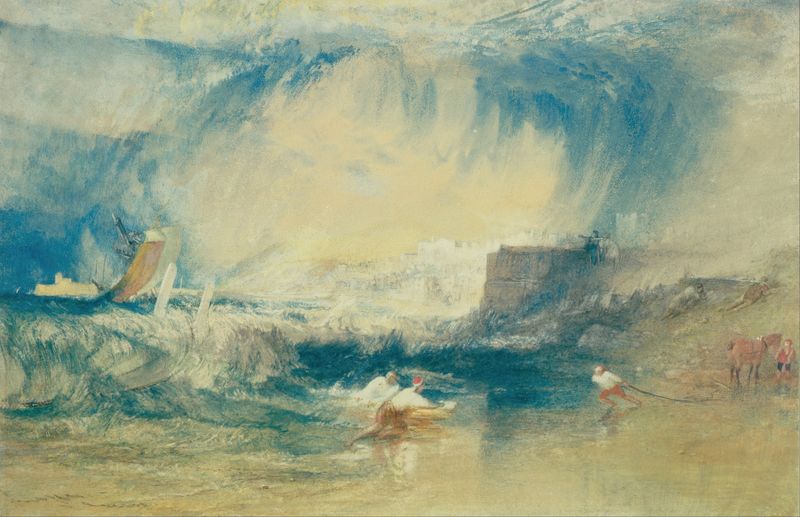
Lyme Regis, Dorsetshire, England
Joseph Mallord William Turner
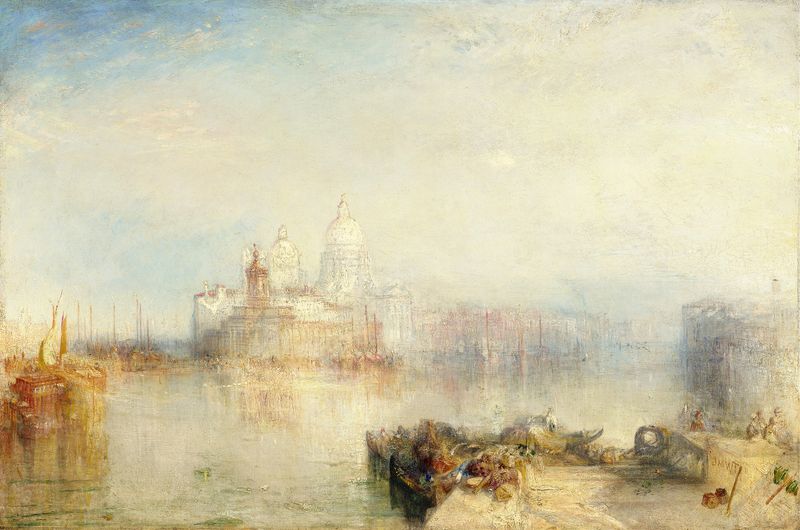
The Dogana and Santa Maria della Salute, Venice
Joseph Mallord William Turner
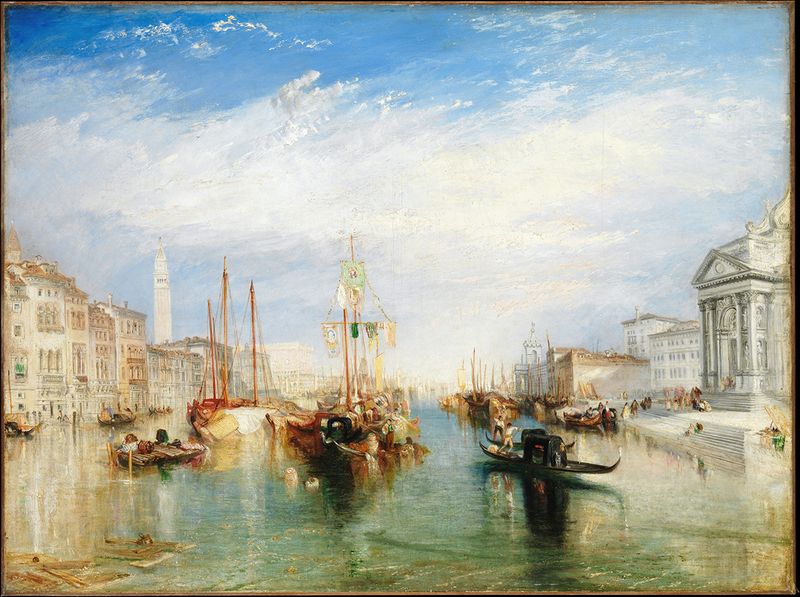
Venice, from the Porch of Madonna della Salute
Joseph Mallord William Turner
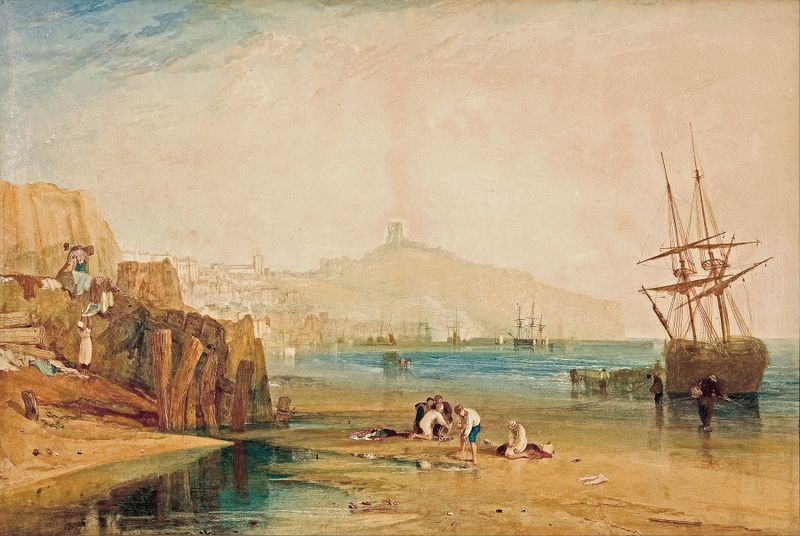
Scarborough town and castle; morning; boys catching crabs
Joseph Mallord William Turner
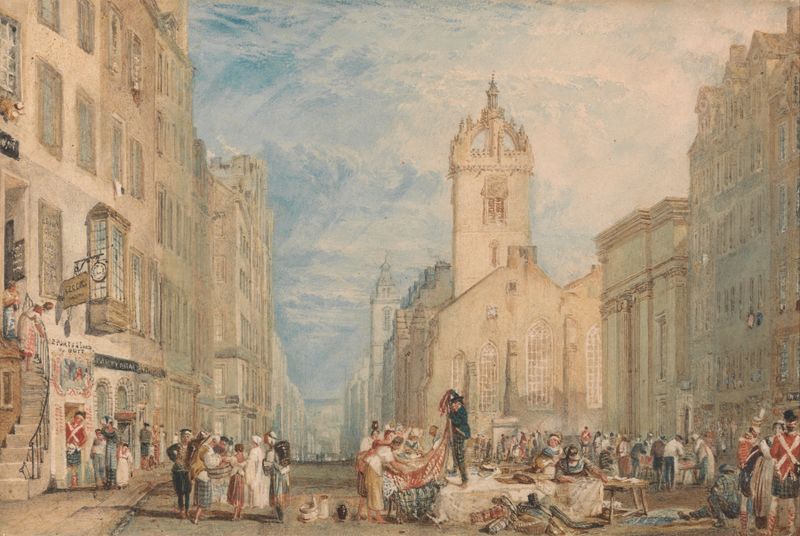
High Street, Edinburgh
Joseph Mallord William Turner





