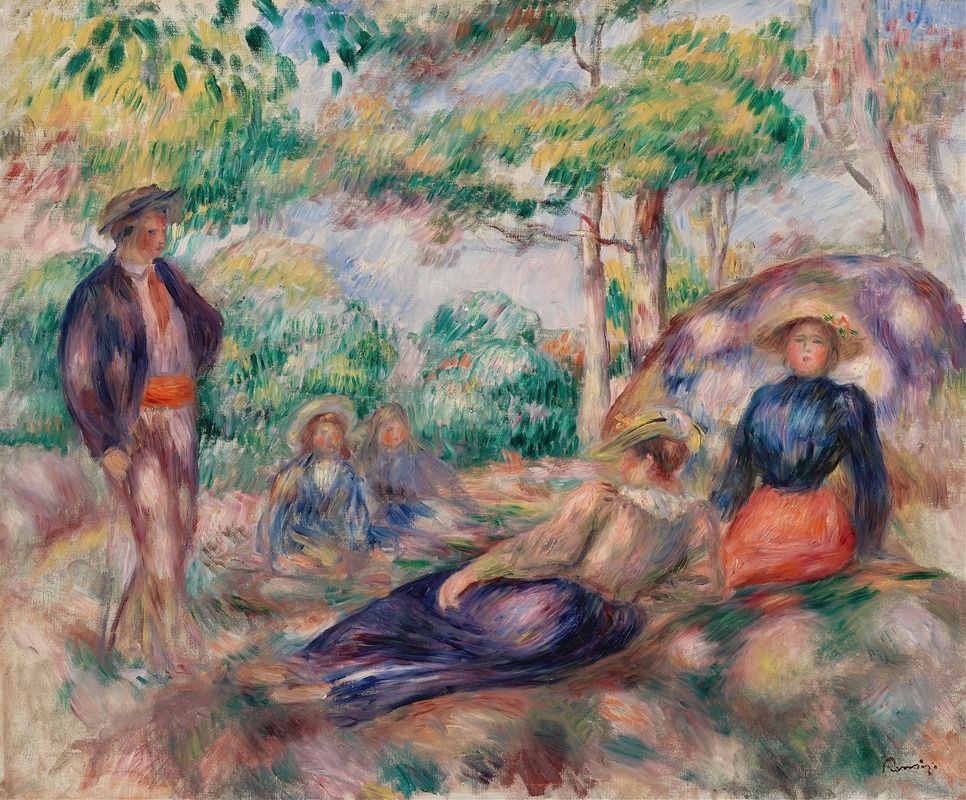
Discover insights about this artwork
Aquellos polbos. (Those specks of dust.) — History & Facts
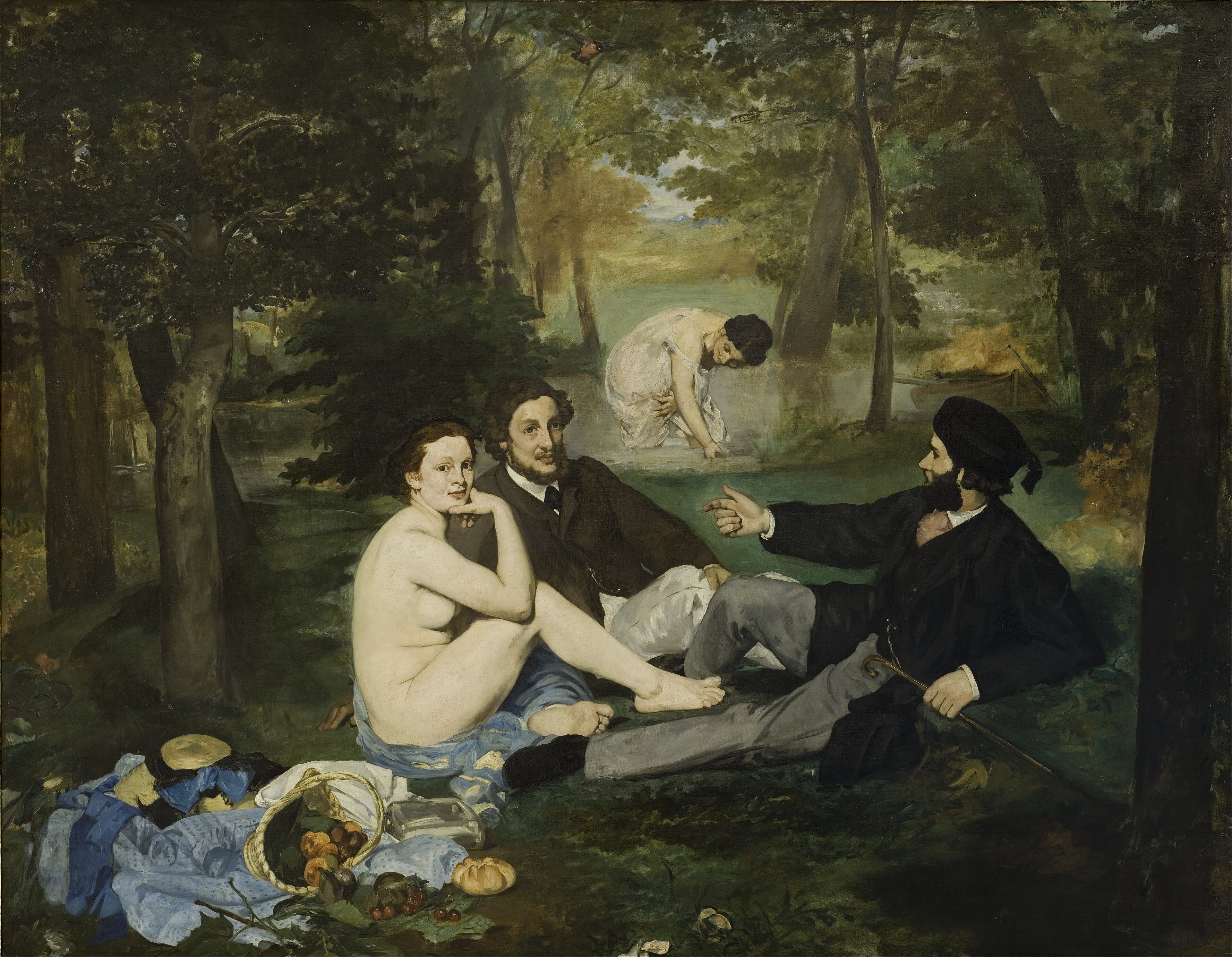
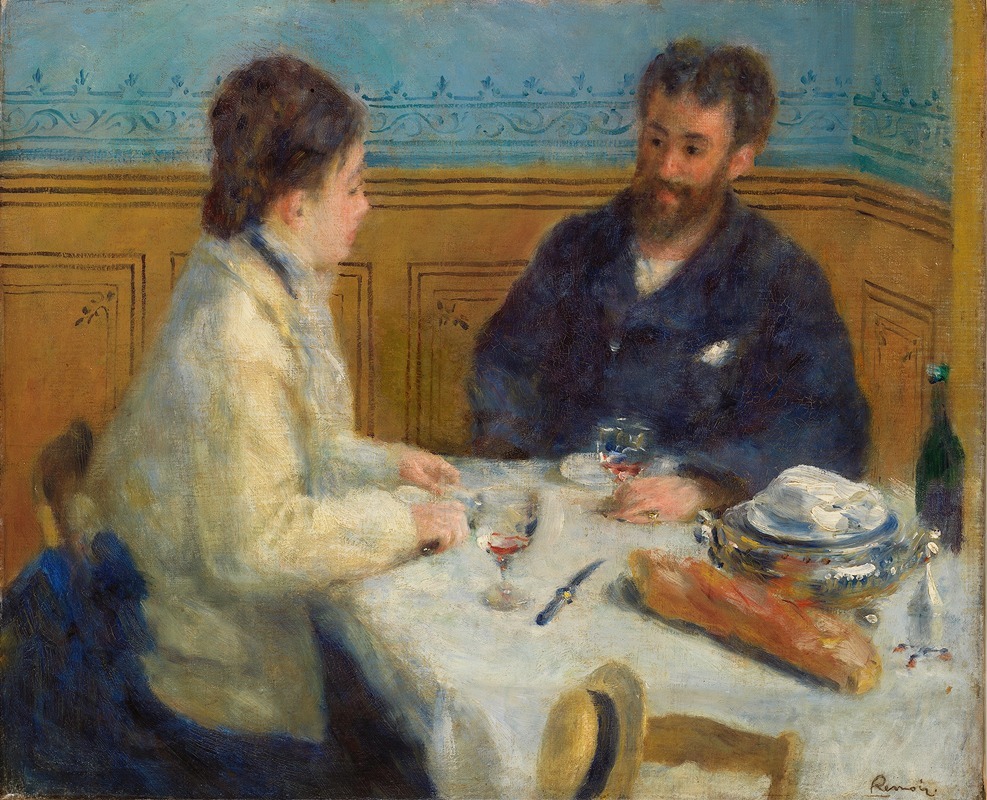
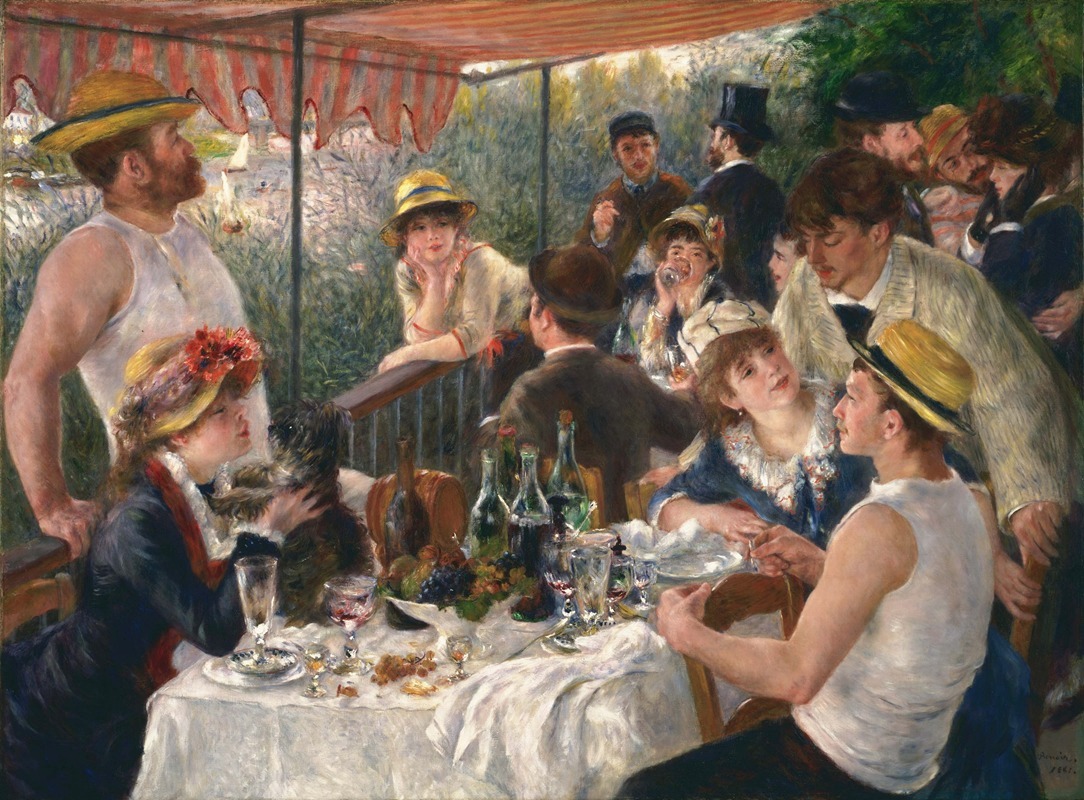
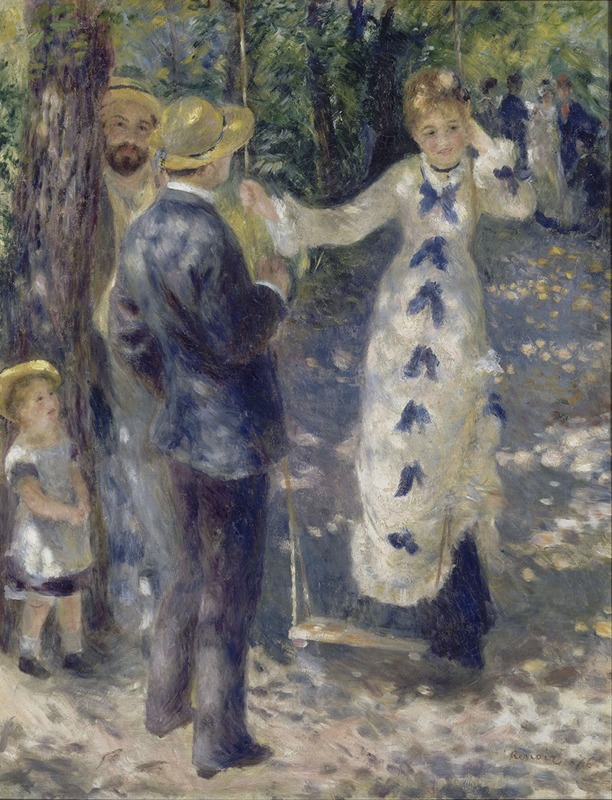
Aquellos polbos shows a group of people engaged in daily activities in a rural setting. They are depicted in various poses, interacting with each other amidst a natural landscape. The colors are warm and earthy, with browns and greens dominating the scene.
This painting captures a moment of everyday life, filled with simplicity and authenticity. Take a closer look at the details of their clothing and expressions, which reflect the time and culture they belong to. The artist has skillfully painted the textures of their garments, making them appear lifelike. The background features gentle hills and trees, adding to the peaceful atmosphere of the scene.
You can almost hear the sounds of nature and the chatter of the people depicted. Francisco de Goya was a prominent Spanish painter known for his diverse range of subjects and styles. He created Aquellos polbos during a time when Romanticism was influencing artists to focus on emotion and individual experience. Goya's work often reflects the social and political issues of his time, making him a significant figure in art history.
An interesting fact about him is that he was appointed as the court painter to the Spanish crown, which allowed him to capture both the aristocracy and the common people in his art.
More Artworks by Francisco de Goya
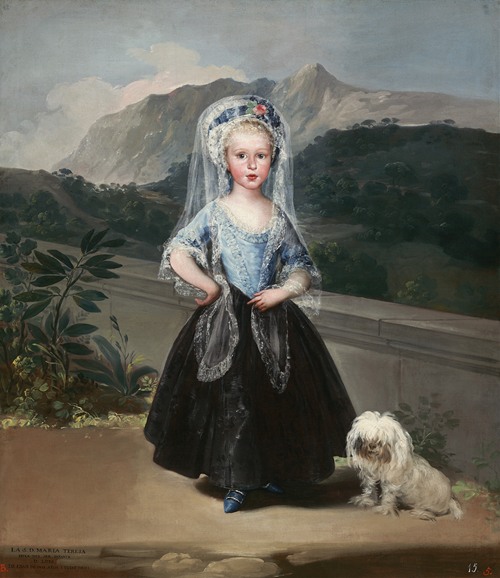
María Teresa de Borbón y Vallabriga,later Condesa de Chinchón
Francisco de Goya
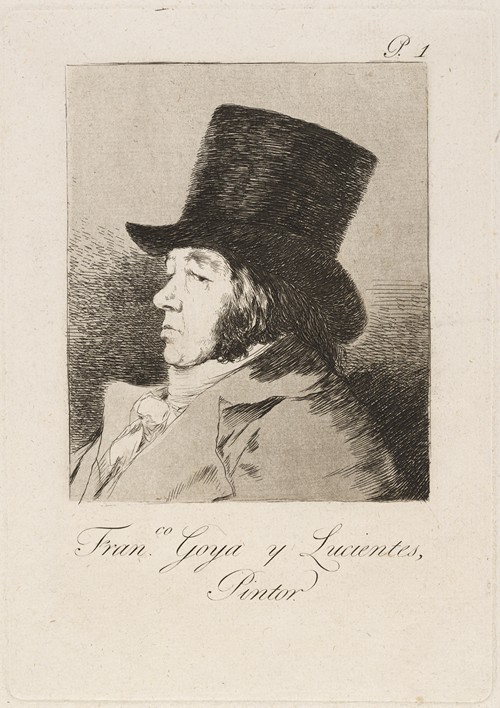
Francisco Goya y Lucientes, Pintor (Francisco Goya y Lucientes, painter)
Francisco de Goya
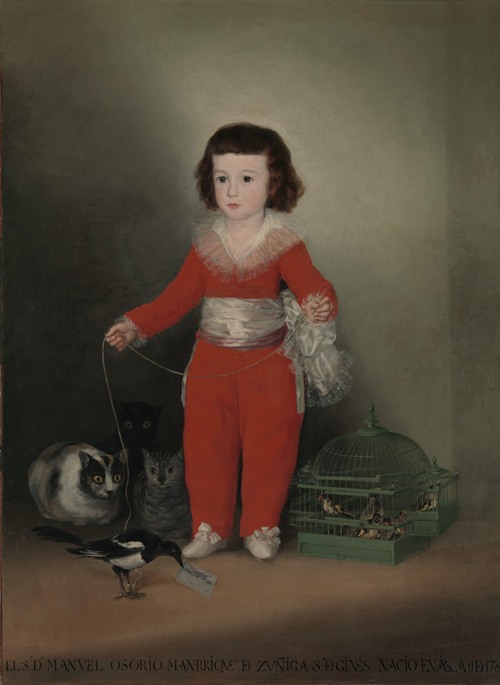
Manuel Osorio Manrique de Zuñiga (1784–1792)
Francisco de Goya
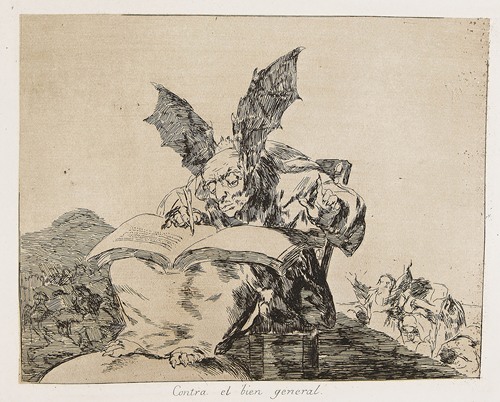
Los desastres de la guerra
Francisco de Goya
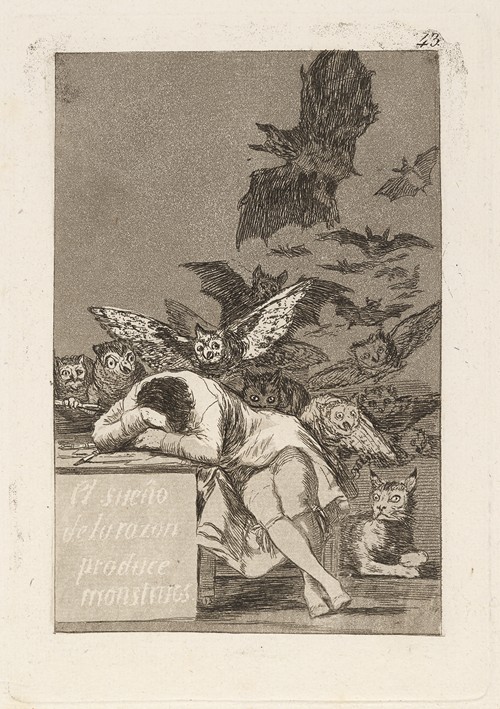
El sueño de la razon produce monstruos. (The sleep of reason produces monsters.)
Francisco de Goya
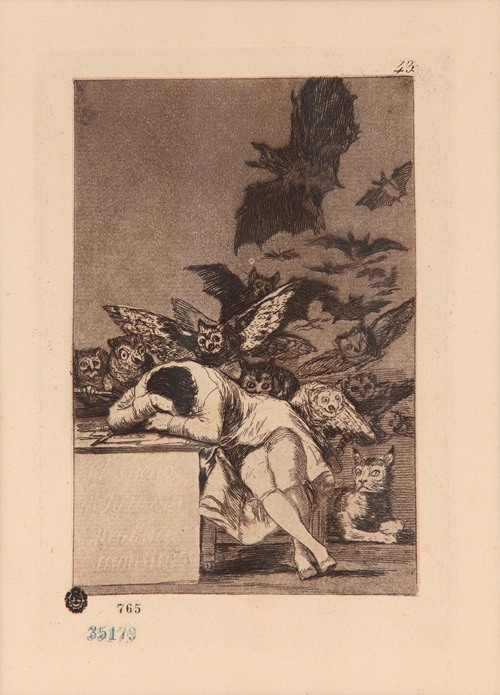
El sueño de la razon produce moustruos (Serie Caprichos)
Francisco de Goya
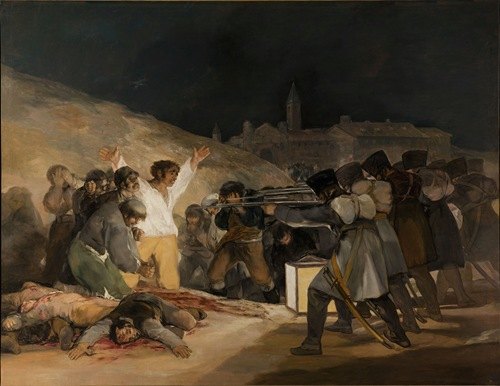
The Third of May
Francisco de Goya
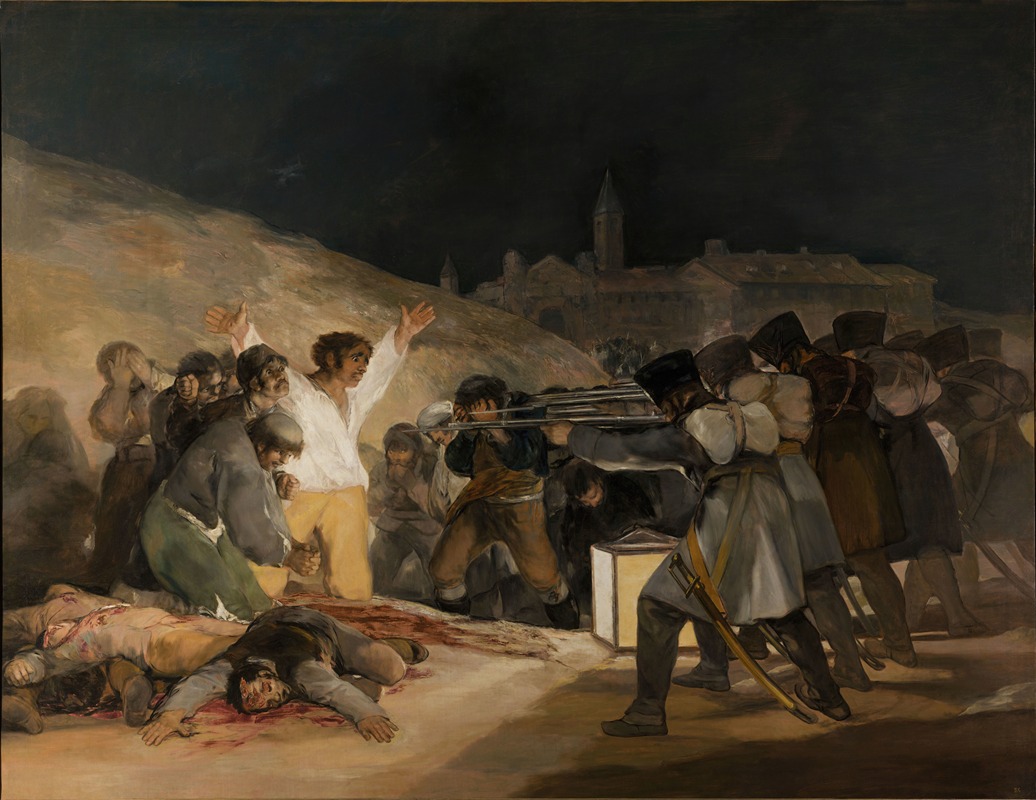
The Third of May 1808
Francisco de Goya
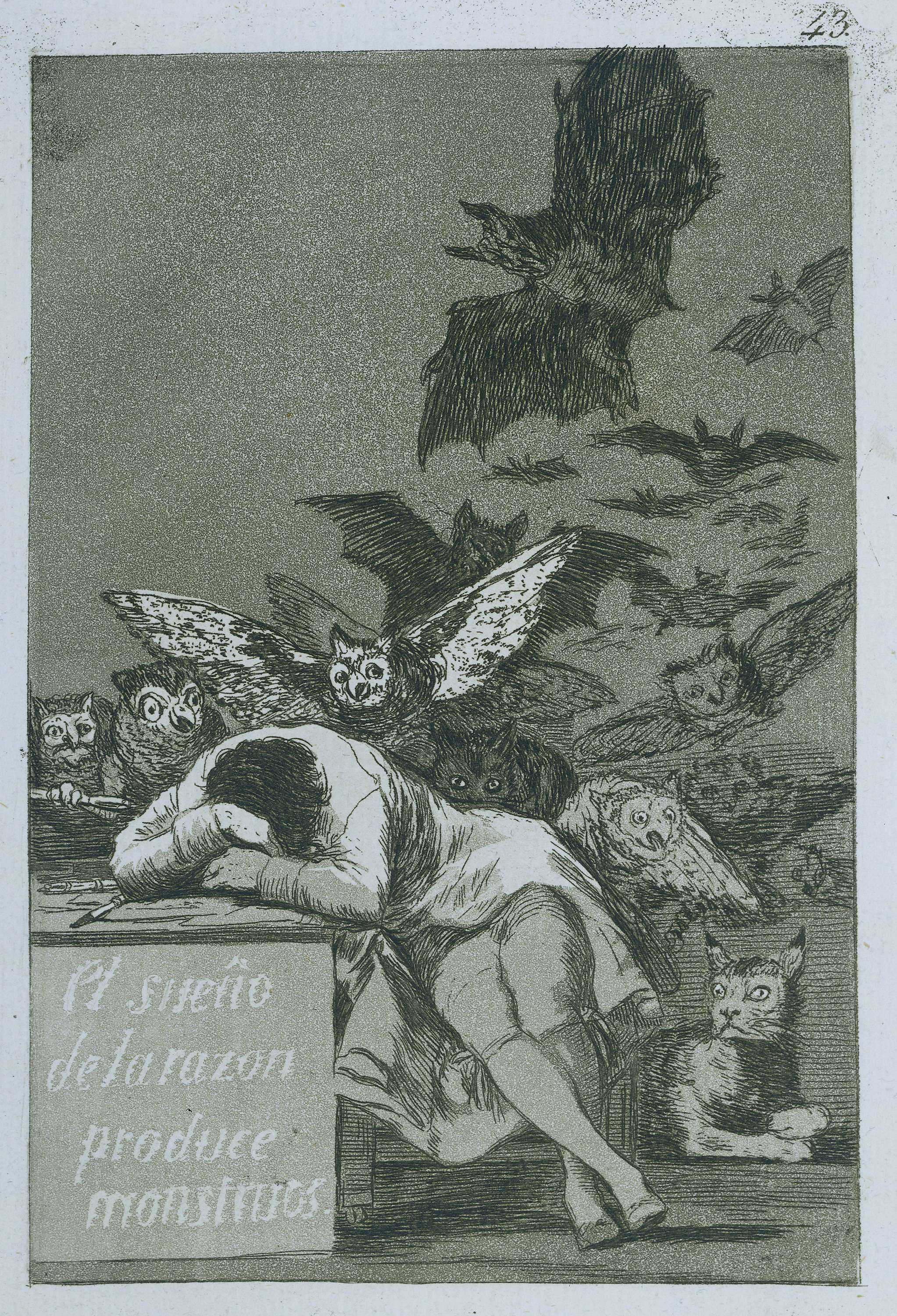
De slaap van de rede brengt monsters voort
Francisco de Goya
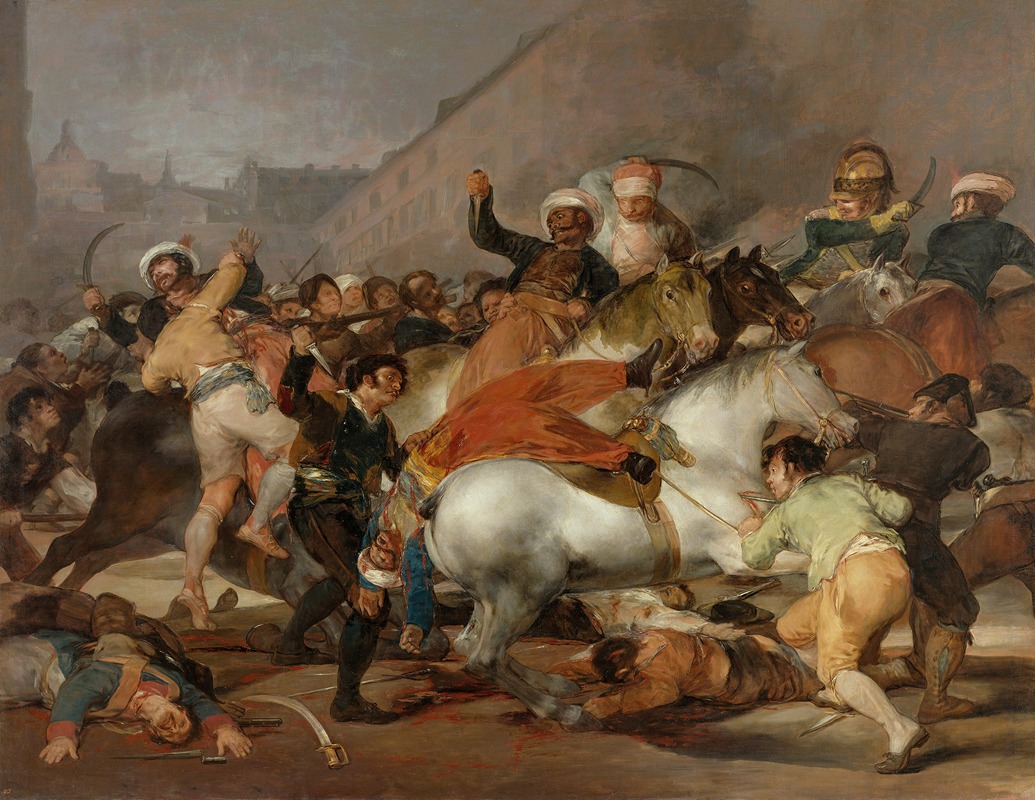
The Charge of the Mamelukes (1814)
Francisco de Goya