Discover insights about this artwork
Arbres au Jas de Bouffan — History & Facts
In Arbres au Jas de Bouffan, Paul Cézanne presents a tranquil landscape filled with lush trees and gentle hills. The painting is characterized by a palette of greens, blues, and earthy tones that evoke a sense of calm. The trees are depicted with thick, expressive brushstrokes, giving them a sturdy presence.
The overall composition invites the viewer to immerse themselves in the serene natural setting. Cézanne's technique in this painting showcases his unique approach to form and color. He employs short, broken brushstrokes that create a sense of movement and depth within the foliage. The layering of colors adds richness to the scene, while the simplified shapes reflect his interest in the underlying structure of nature.
This work exemplifies the Post-Impressionist style, focusing on personal expression and the perception of light. Created in the 1880s, Arbres au Jas de Bouffan is one of Cézanne's many explorations of the landscape around his home in Aix-en-Provence. This painting reflects his desire to capture the essence of nature rather than just its appearance. An interesting fact about this work is that it was painted during a period when Cézanne was experimenting with color and form, laying the groundwork for modern art movements that followed.
More Artworks by Paul Cézanne
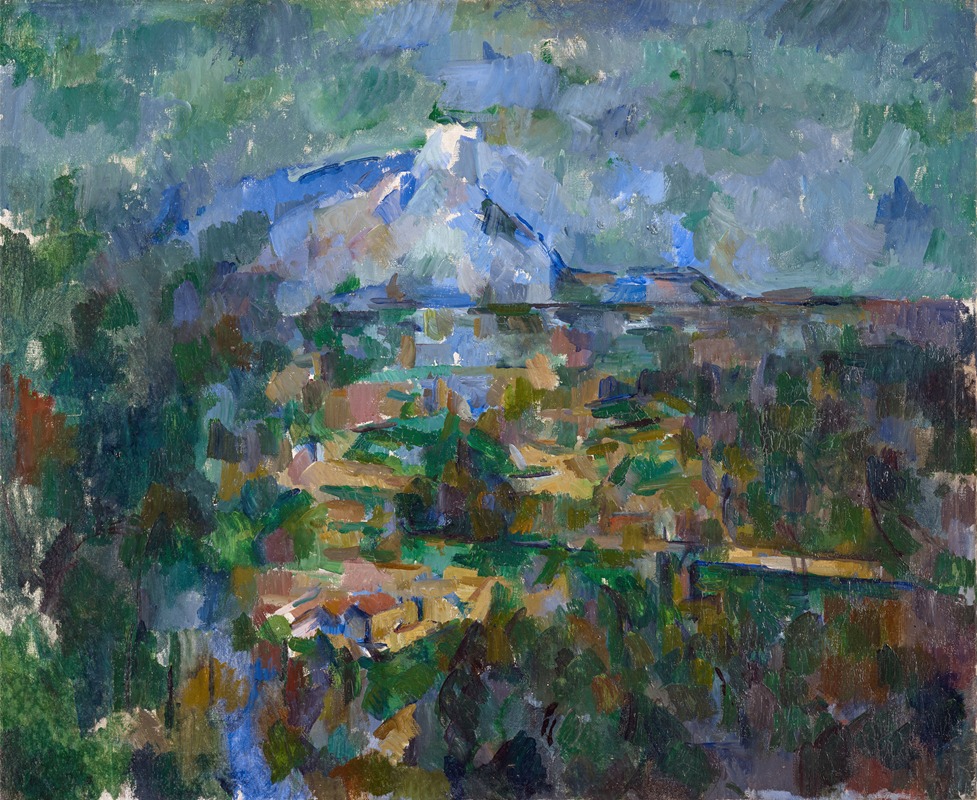
The Mont Sainte-Victoire Seen From Les Lauves
Paul Cézanne
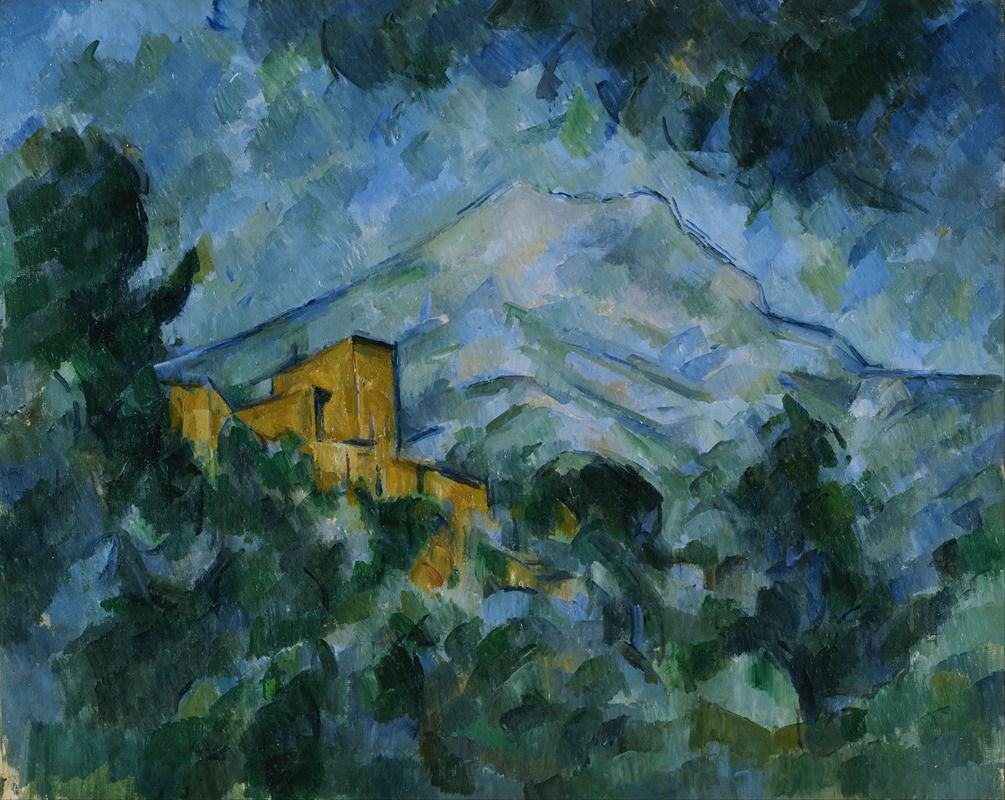
Mont Sainte-Victoire and Château Noir
Paul Cézanne
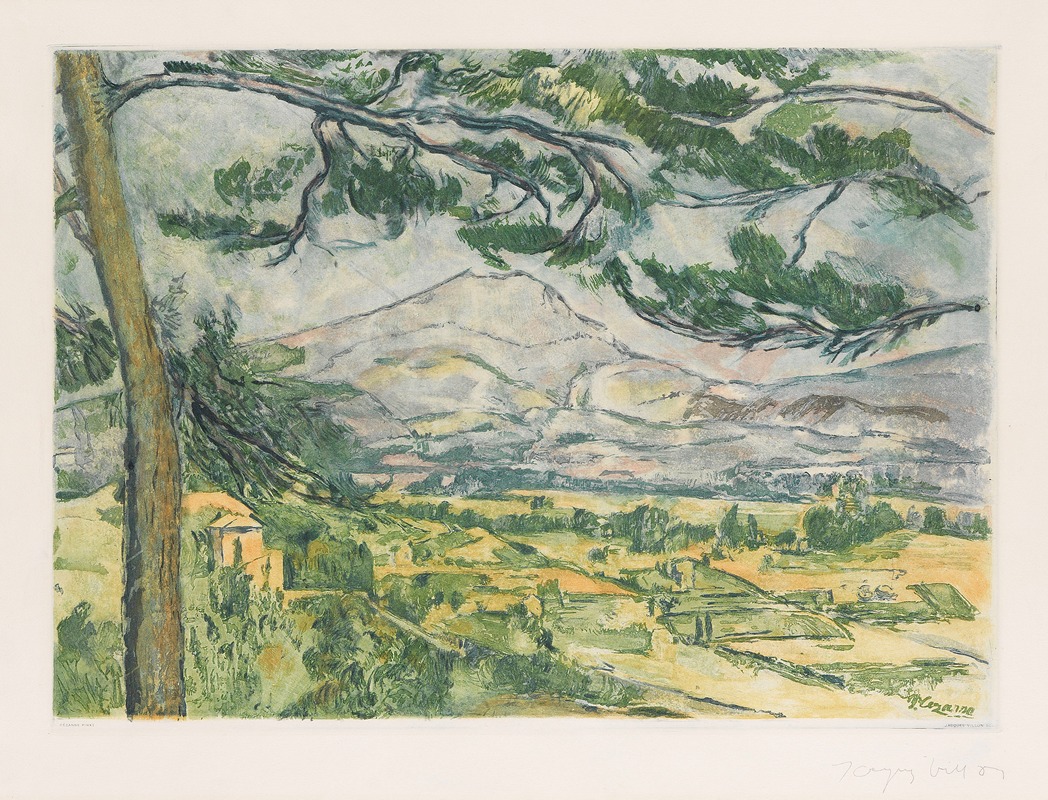
La Montagne Sainte-Victoire
Paul Cézanne
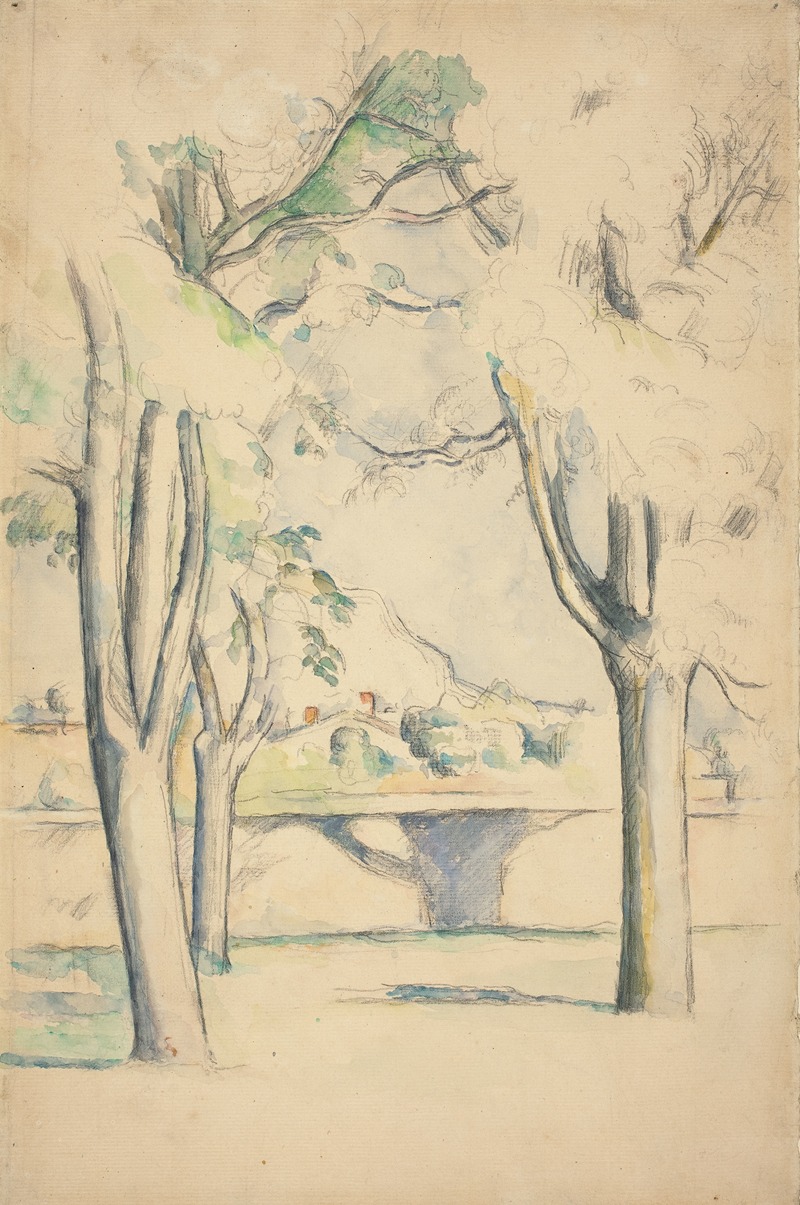
Mont Sainte-Victoire Seen beyond the Wall of the Jas de Bouffan
Paul Cézanne
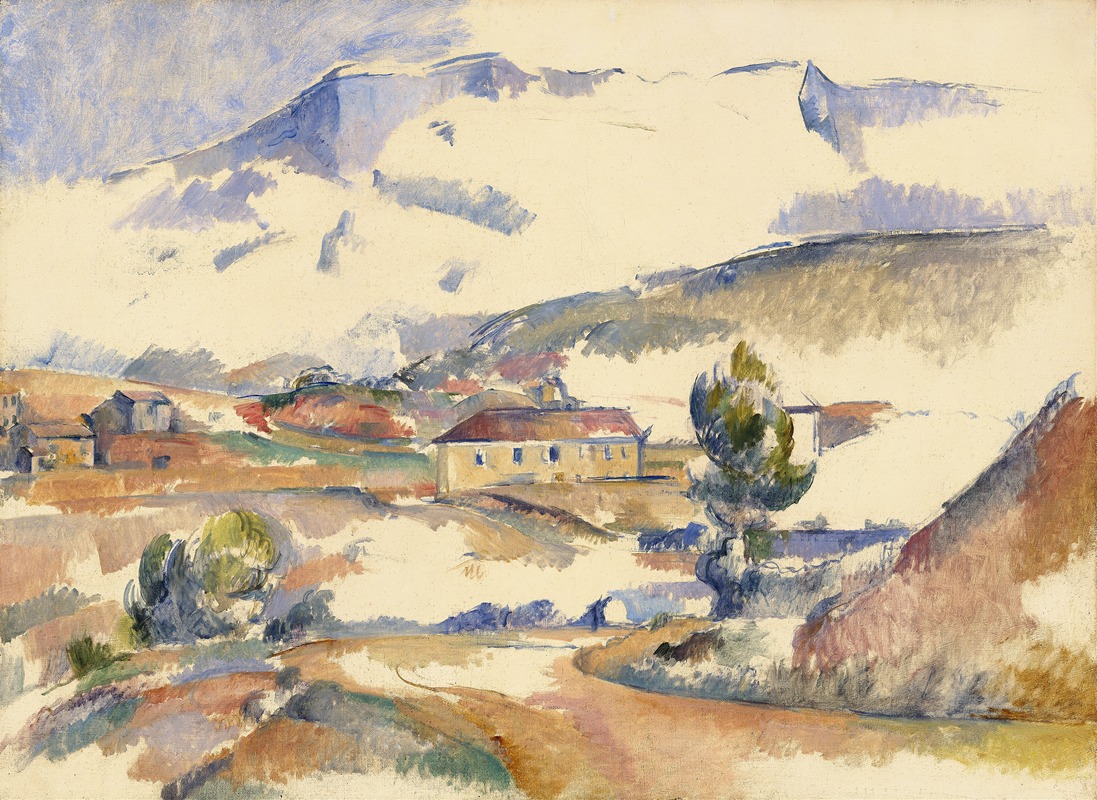
Montagne Sainte-Victoire,from near Gardanne
Paul Cézanne
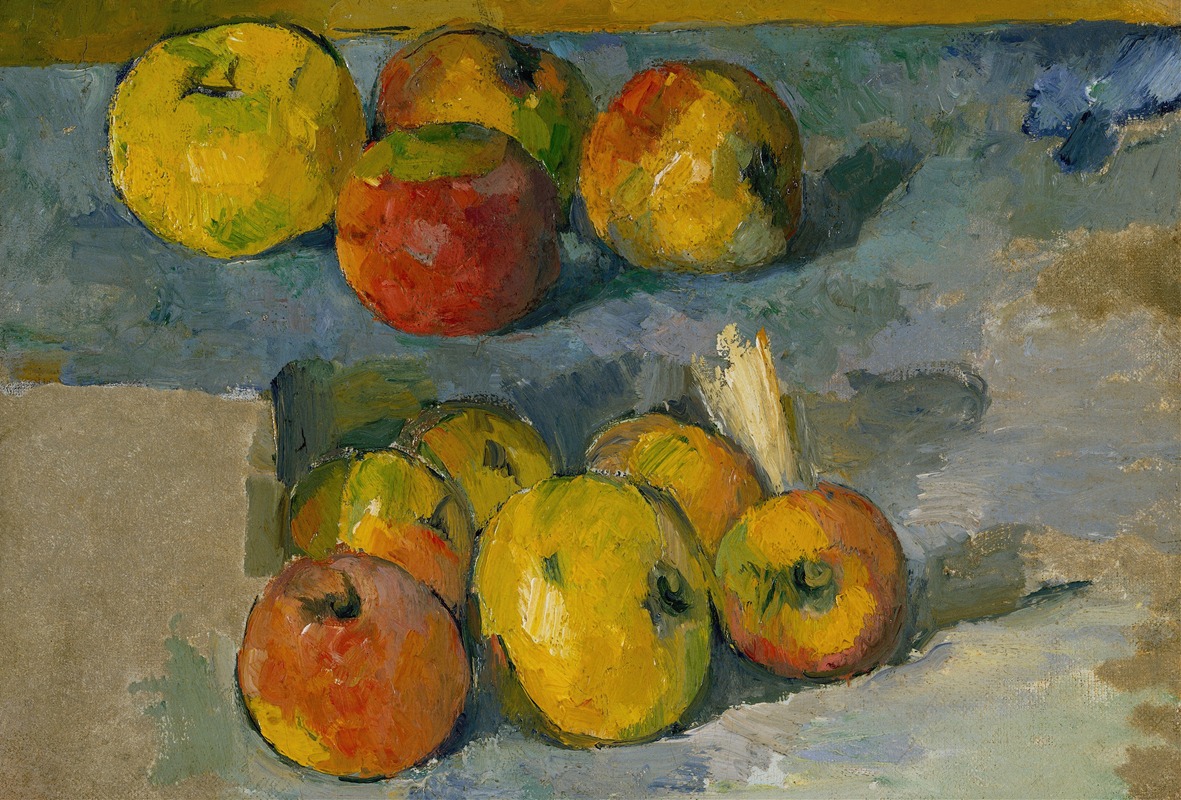
Apples
Paul Cézanne
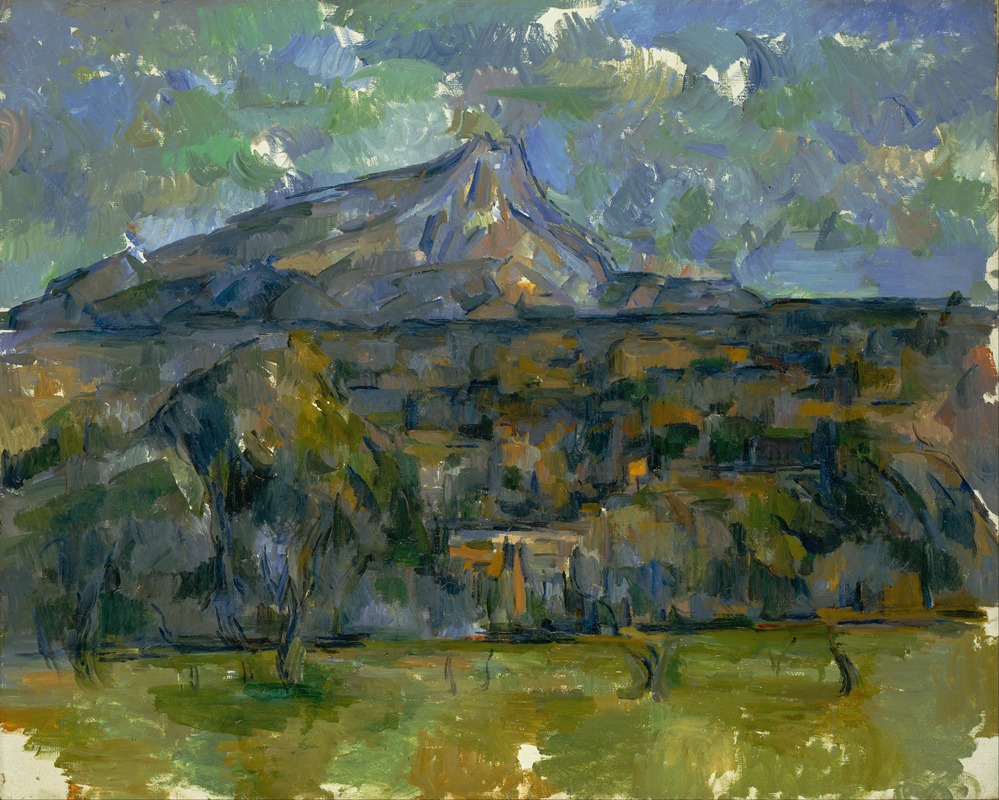
Mont Sainte-Victoire
Paul Cézanne
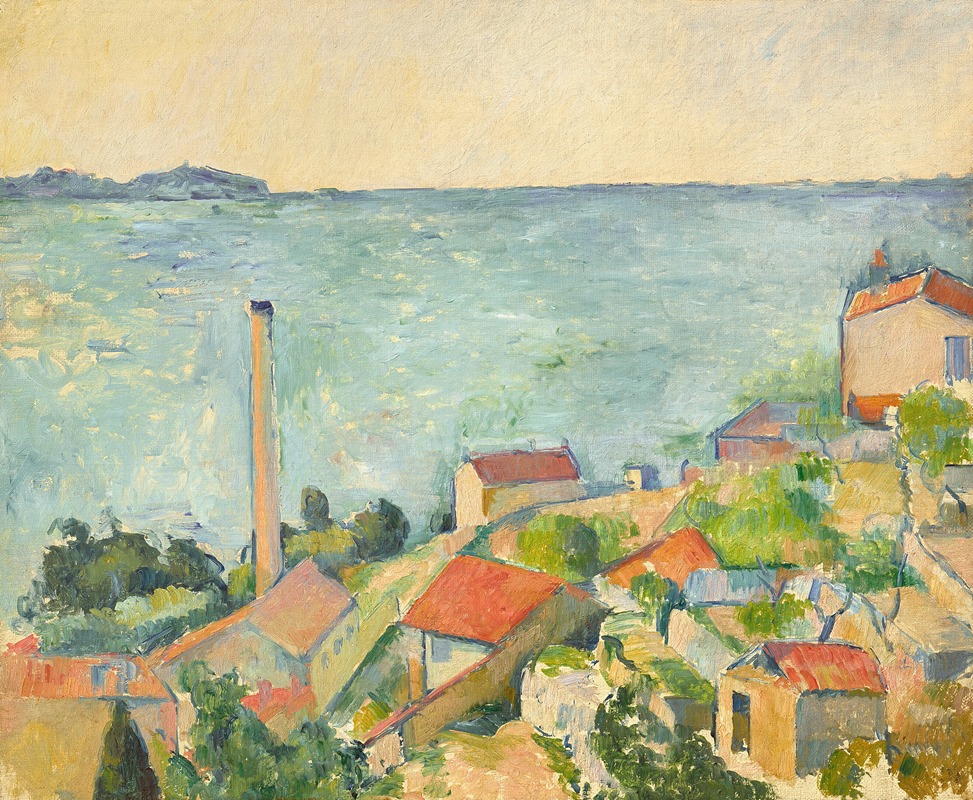
La mer à l’Estaque
Paul Cézanne
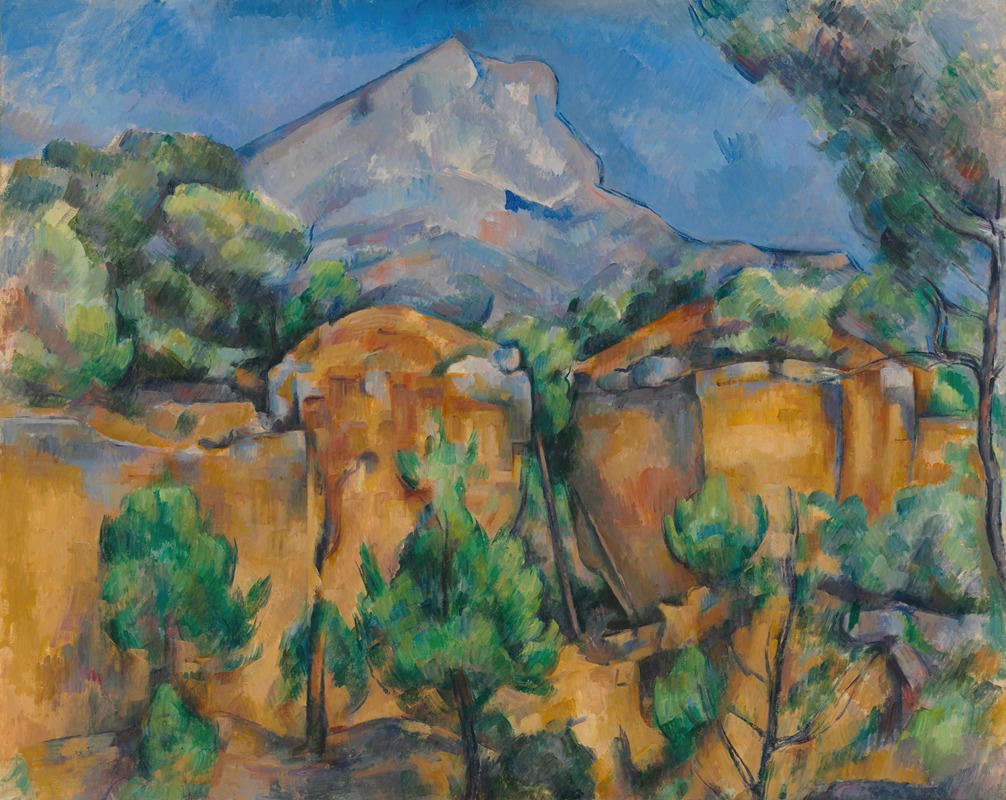
La Montagne Sainte-Victoire vue de la carrière Bibémus
Paul Cézanne
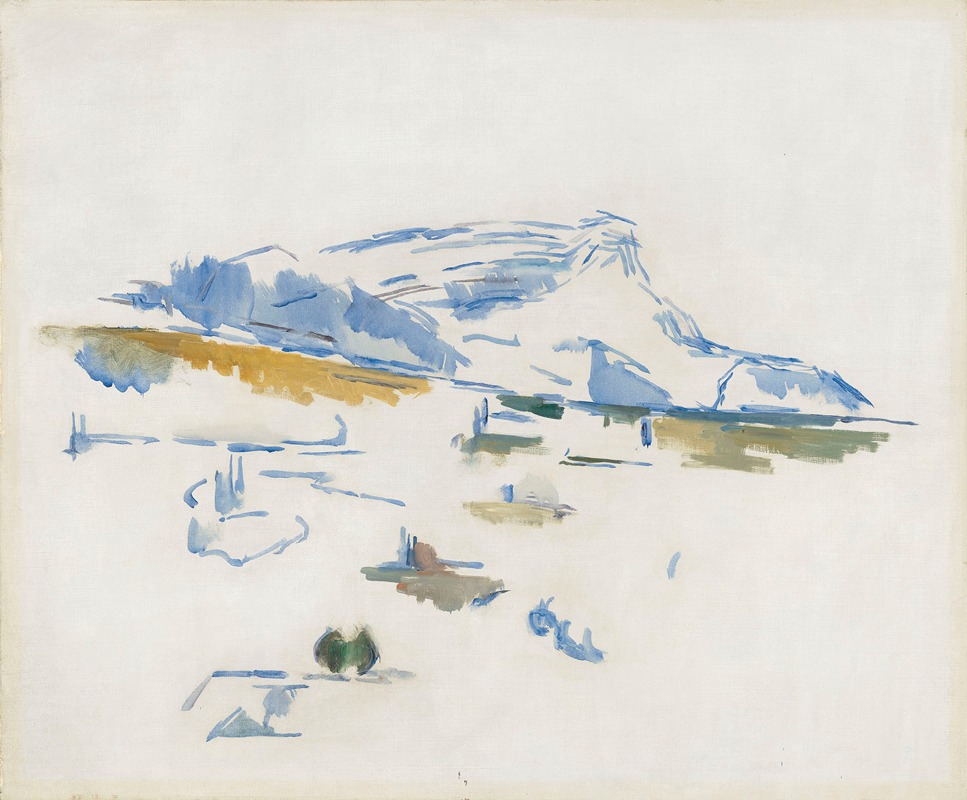
La Montagne Sainte-Victoire vue des Lauves
Paul Cézanne