
Arbres dans un paysage — History & Facts
In Arbres dans un paysage, the fragility of nature is laid bare, inviting viewers to contemplate the delicate interplay of life and decay. Look to the foreground, where slender trees stretch skyward, their branches almost trembling under the weight of vibrant green foliage. Notice how the brushstrokes form a tapestry of texture, with gentle swirls of color that mimic the soft rustle of leaves in the breeze. The light dances through the canopies, casting dappled shadows that lend depth and warmth to the scene, while the horizon offers a gentle gradient of blues and ochres, suggesting both dawn and dusk—a moment caught between the extremes. Beneath the tranquil surface, feelings of tension emerge.
The trees, though seemingly robust, stand in a fragile ecosystem, illustrating nature's transience. The contrasting colors evoke both vibrancy and melancholy; the lush greens represent life, while the muted earth tones hint at the inevitable cycle of decay. This duality creates a profound reflection on existence, showcasing how beauty often coexists with fragility. In 1908, Maximilien Luce painted this work during a period of artistic exploration and political upheaval in France.
The fauvist movement was gaining momentum, encouraging artists to experiment with color and form. Luce, influenced by impressionism and the evolving avant-garde, sought to capture the essence of nature while grappling with the changing world around him, reflecting both personal and societal transformations in his art.
More Artworks by Maximilien Luce
Browse all →
Le Quai Montebello Et La Colline Sainte-Geneviève
Maximilien Luce

Le Pont-Neuf, La Seine, Petit Bras
Maximilien Luce
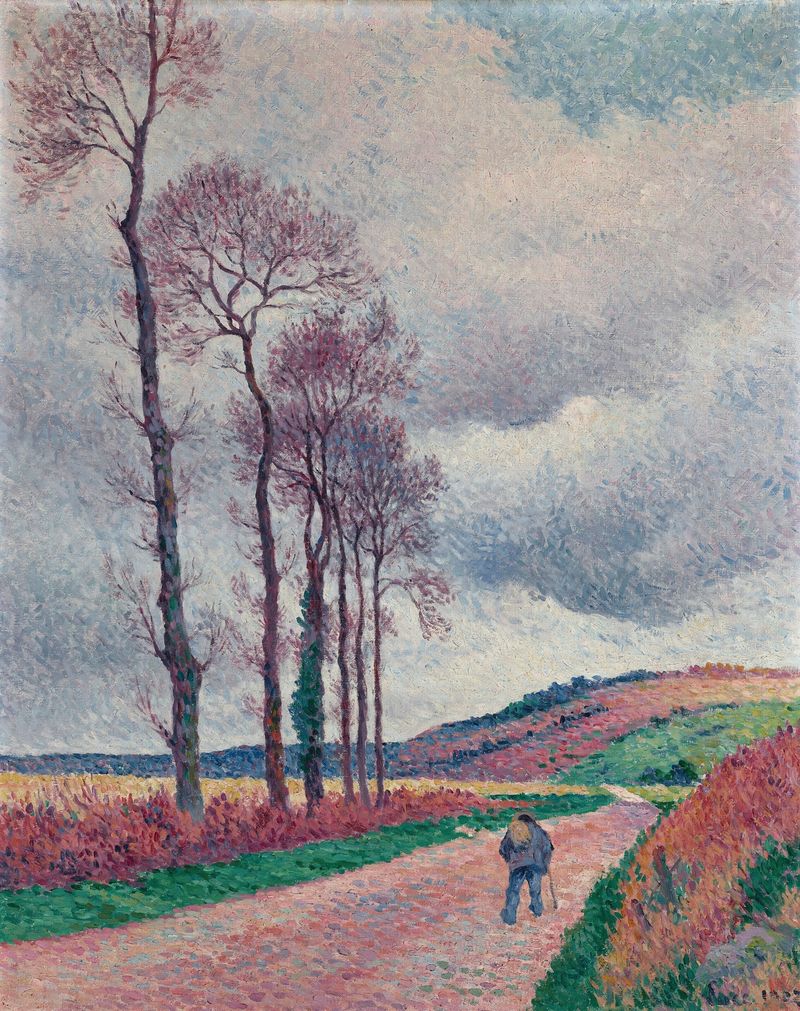
La route aux environs de Méréville
Maximilien Luce
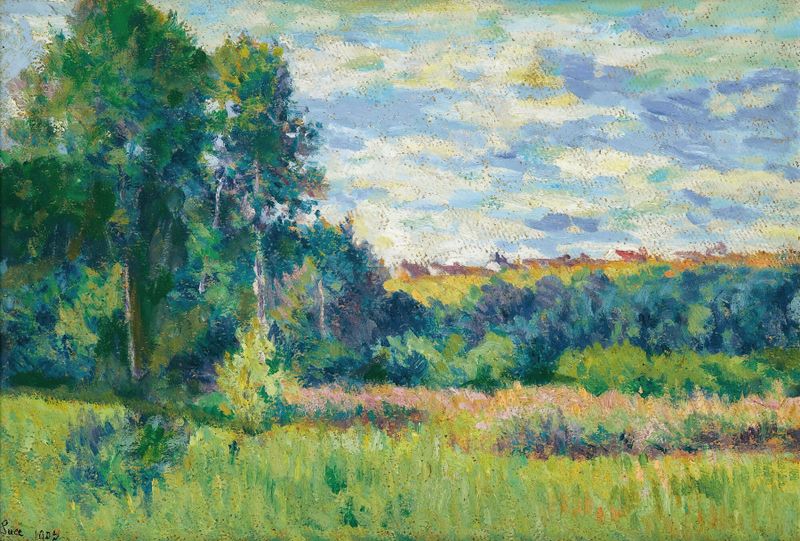
Paysage
Maximilien Luce
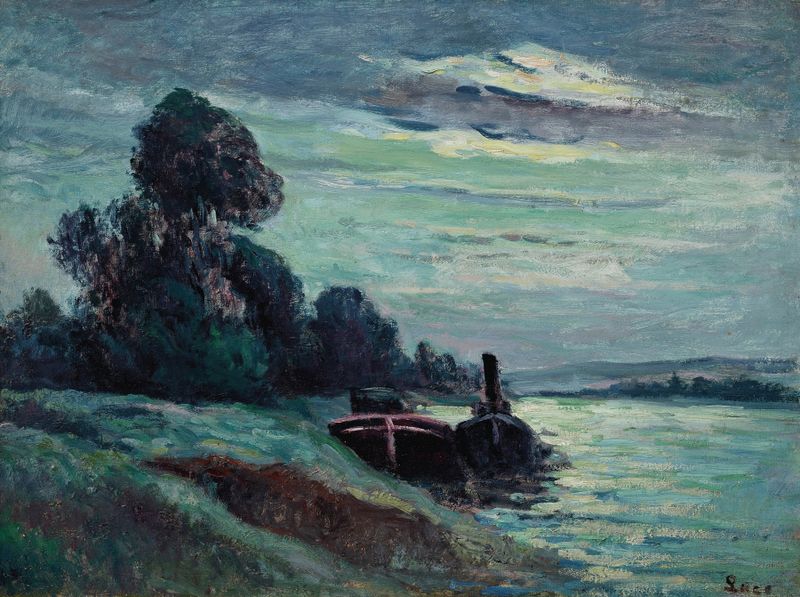
Péniches sur la Seine
Maximilien Luce

Notre Dame de Paris
Maximilien Luce
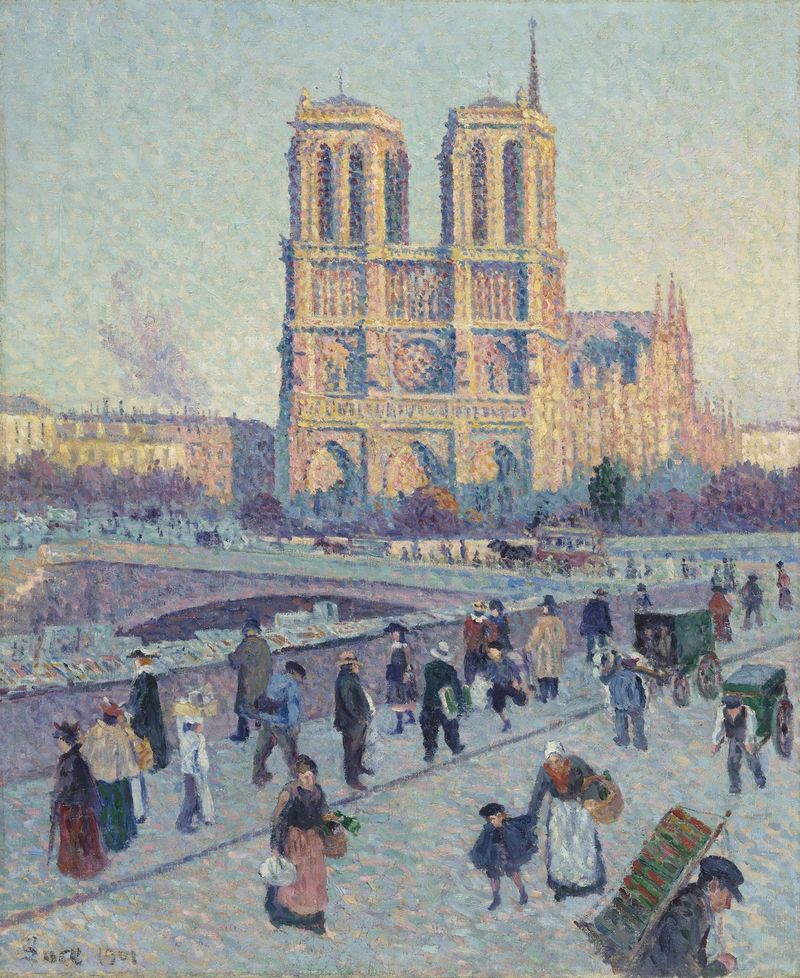
The Quai Saint-Michel and Notre-Dame
Maximilien Luce

La Seine au Pont Mirabeau
Maximilien Luce
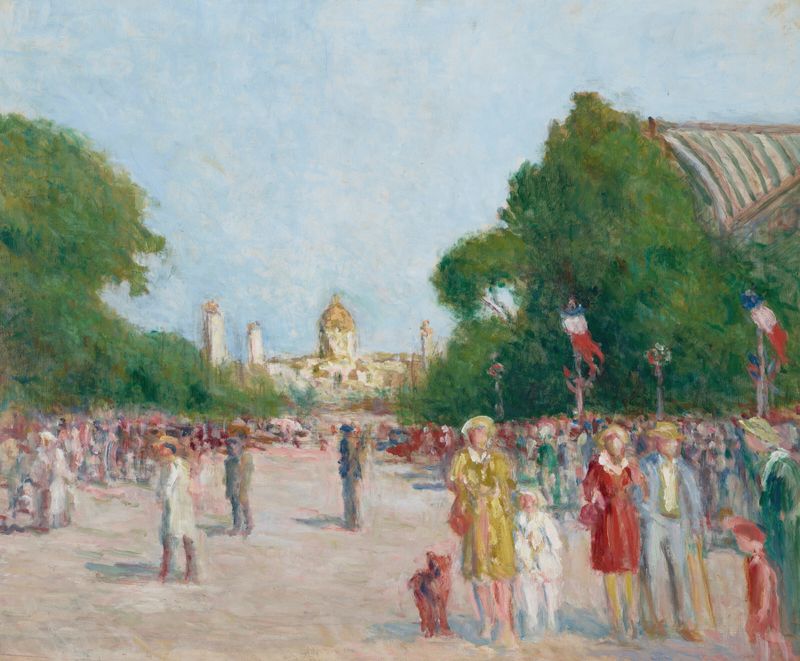
L’avenue Winston-Churchill, Paris
Maximilien Luce

Paris, Le Quartier De Vaugirard
Maximilien Luce





