Arbres en fleurs — History & Facts
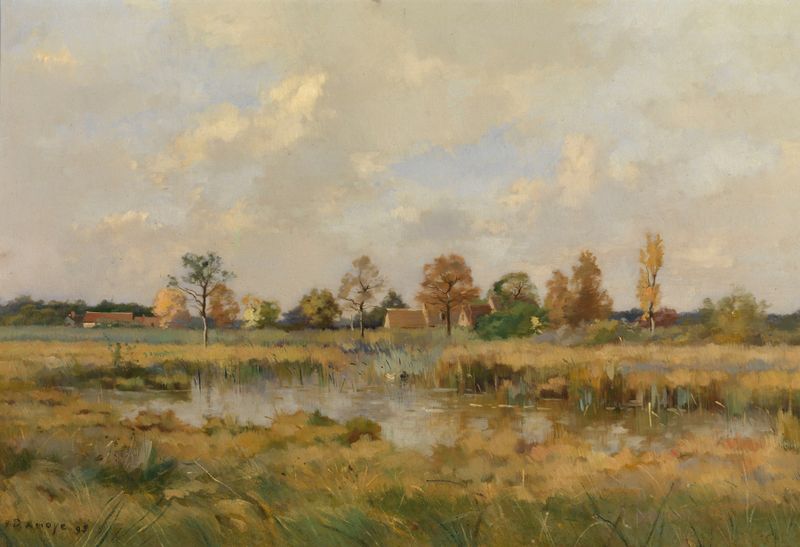
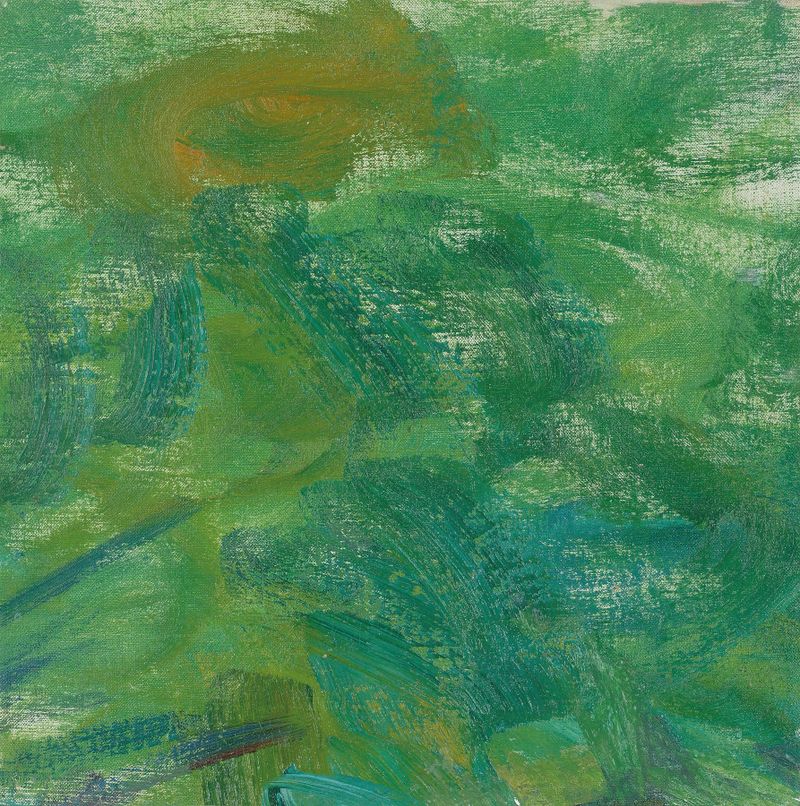
Could a single brushstroke hold eternity? In Arbres en fleurs, the delicate, almost reverent handling of paint evokes a sense of fragility that clashes with an undercurrent of violence — the relentless cycle of life and decay encapsulated in floral bloom. Look to the center of the canvas where vibrant blossoms burst forth in hues of soft pink and white. Notice how the artist skillfully layers the paint, creating a sense of dimension that draws the viewer’s eye. The soft sunlight cascades through the branches, illuminating the petals while casting gentle shadows on the ground, symbolizing the transient beauty of nature.
The interplay of light and color is not merely decorative; it serves to heighten the emotional resonance of the scene, inviting contemplation of what lies beneath the surface. Yet, as you absorb the beauty, observe the jagged edges of the darkened branches that frame the flowers. They loom like sentinels, a stark reminder of the violence inherent in life — the struggle for survival in an ever-changing world. The contrast between the soft blooms and the harsh branches suggests a deeper narrative, one of hope and despair intertwined.
Each petal, while a testament to beauty, is also a reminder of the fleeting nature of existence, hinting at the violence of time as it inexorably marches forward. In 1891, Pierre Emmanuel Damoye painted this work while living in France, a period marked by a fascination with Impressionism and the natural world. It was a time when artists sought to capture the ephemeral beauty around them, reflecting both the peace and turmoil of their rapidly changing society. This canvas stands as a poignant expression of that artistic exploration, revealing a complex dialogue between beauty and violence.