
Arch of Janus, in the background, San Giorgio in Velabro i Arco degli Argentari Church in Rome — History & Facts
This sentiment lingers like a whisper in the quiet spaces of existence, urging us to look beyond the surface of mortality and find meaning in ephemerality. In Arch of Janus, the artist captures a moment suspended in time, inviting us to reflect on the layers of history and the inevitability of change. Focus on the imposing arch in the foreground, its ancient stones bearing the weight of time and stories untold. Notice the intricate carvings that adorn its surface, each detail telling a tale of a civilization that has faded but not vanished.
The backdrop of the San Giorgio in Velabro, with its soft, muted colors, creates a serene contrast to the bold, weathered arch. The artist's deft use of light plays off the stone, illuminating the texture and emphasizing the passage of years, while shadows gather, hinting at the unseen forces of time and decay. As you delve deeper, consider the interplay between the arch and the church—two architectural forms that speak of both permanence and transience. The arch stands as a monument to strength and survival, while the church represents faith and the human desire for immortality.
This juxtaposition reveals an emotional tension, suggesting that though structures endure, the people who built them are but fleeting echoes in the vastness of history. Arthur Blaschnik created this poignant work between 1854 and 1880, a period marked by significant changes in the artistic landscape. The Romantic movement, in which he was immersed, emphasized individuality and emotion, responding to the industrial era’s rapid transformations. In Rome, where ancient history looms large, Blaschnik found inspiration, capturing the essence of mortality and the persistence of memory through his portrayal of these enduring monuments.
More Artworks by Arthur Blaschnik
Browse all →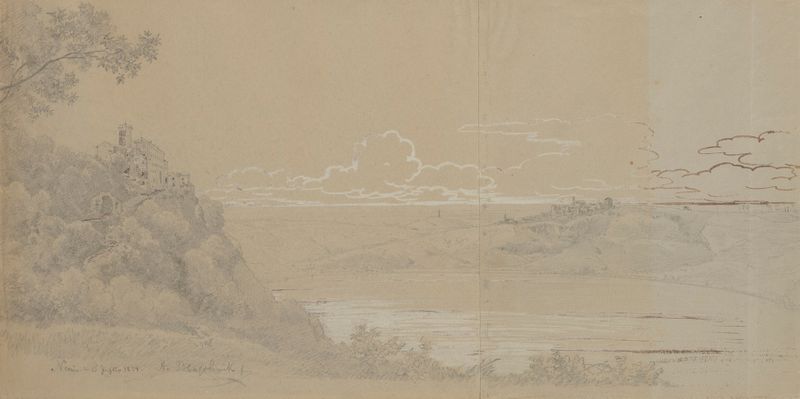
Palazzo Ruspoli by Lake Nemi, in the Distance the Town of Genzano di Roma
Arthur Blaschnik
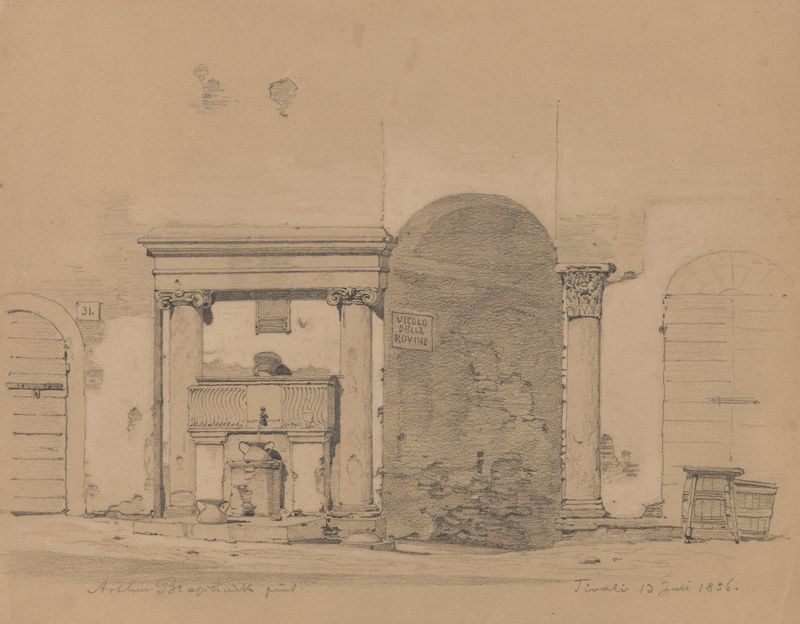
Gate Leading to Vicoli dei Grana near Piazza Palatina in Tivoli
Arthur Blaschnik
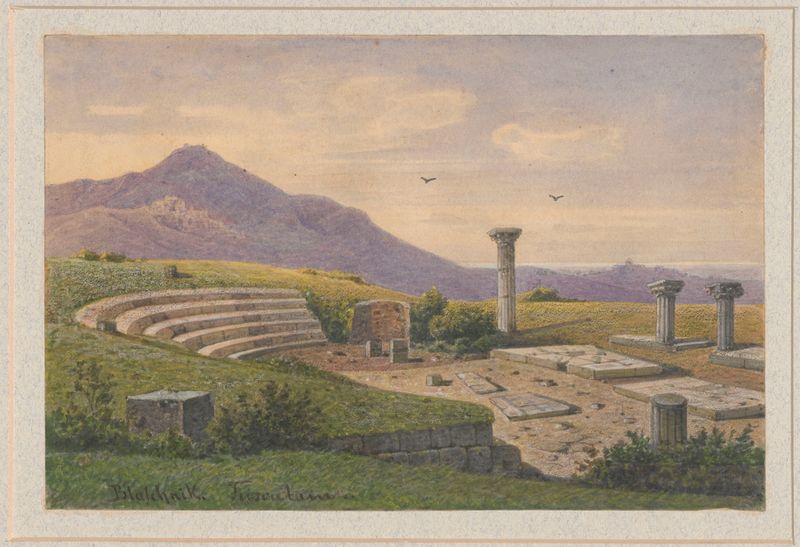
Amphitheatre in Tusculum
Arthur Blaschnik
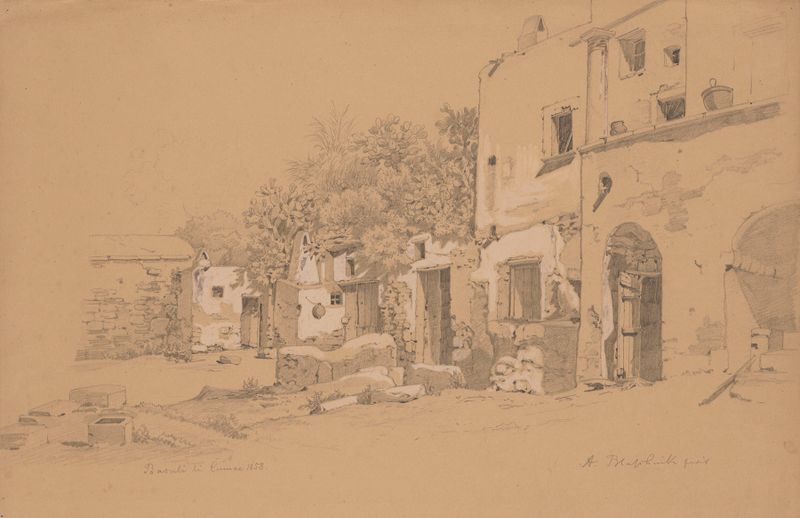
House and Outbuildings in Bacoli
Arthur Blaschnik
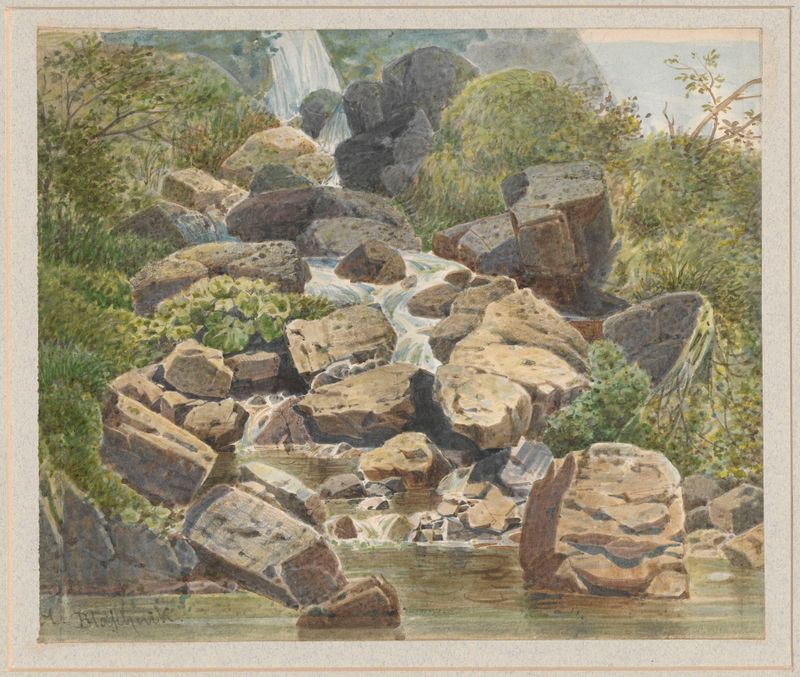
View of a small waterfall near Covigliaio, Tuscany
Arthur Blaschnik
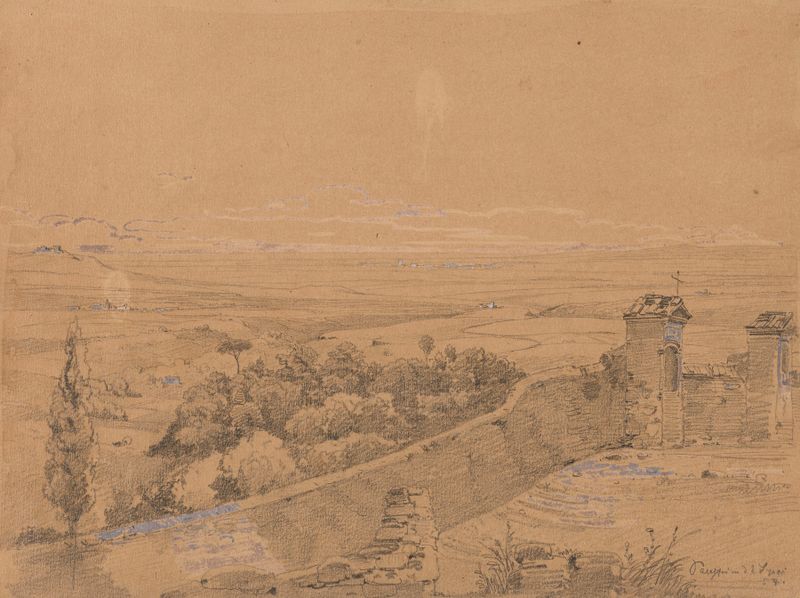
Landscape from the Vicinity of Palestrina
Arthur Blaschnik
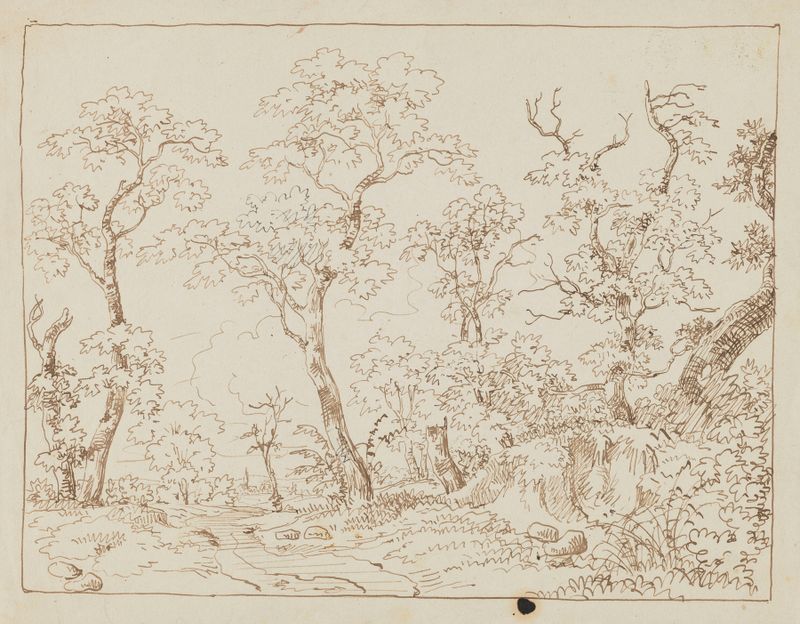
Studies of Trees, Landscape
Arthur Blaschnik
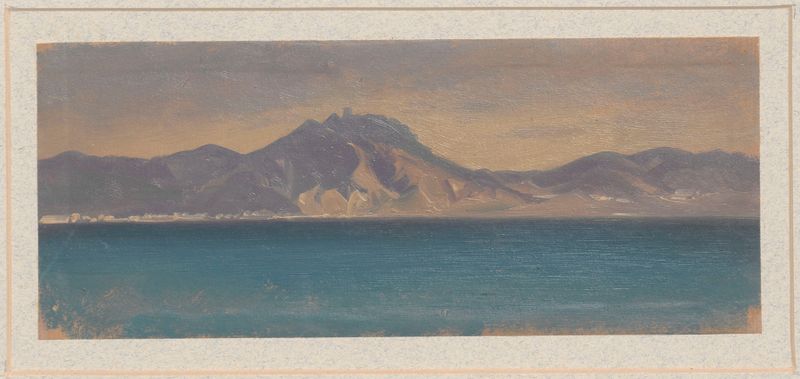
View of the Island of Capri
Arthur Blaschnik
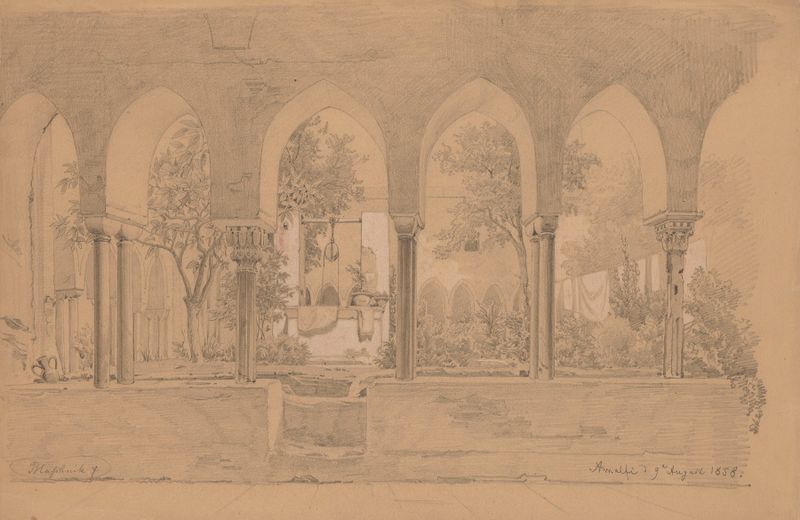
Cloister with Arcade Gallery in Amalfi
Arthur Blaschnik
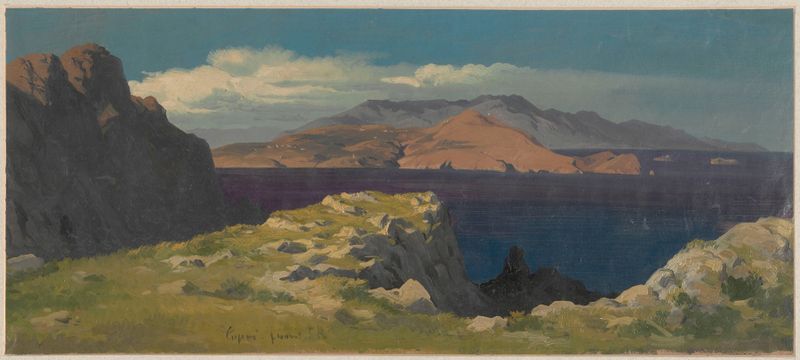
View of Capri
Arthur Blaschnik
More Architecture Art
Browse all →
The statue of Liberty
Frédéric Auguste Bartholdi

View of Houses in Delft, Known as ‘The Little Street’
Johannes Vermeer

View of Houses in Delft, Known as ‘The Little Street’
Johannes Vermeer

The Cathedral in Rouen. The portal, Grey Weather
Claude Monet

The yellow house
Vincent van Gogh

The Church in Auvers-sur-Oise, View from the Chevet
Vincent van Gogh