
Arch of Titus — History & Facts
What if beauty was never meant to be finished? In a world where every detail tells a story, the Arch of Titus stands as a masterclass in balance, evoking the eternal tension between the monumental and the fleeting. Look to the center of the composition, where the grand arch commands attention, its intricate reliefs alive with movement and texture. The warm tones of ochre and gold contrast beautifully against the deep blues of the sky, drawing the eye upward towards the soaring structure. Notice how the meticulous brushwork captures the play of light, highlighting the carved figures that celebrate triumph and resilience.
This careful orchestration of color and light breathes life into the scene, inviting viewers to linger in its architectural majesty. Beneath its grandeur lies a profound commentary on the nature of conquest and remembrance. The juxtaposition of the arch’s enduring solidity against the ephemeral nature of human achievement unfolds a narrative about glory and loss. The figures etched into the stone, frozen in celebration, evoke a bittersweet recognition — a reminder that even the most monumental victories are bound to fade.
This delicate balance between permanence and transience hints at the fragility of our own aspirations. Created in 1780 amidst the burgeoning neoclassical movement in Paris, the artist was immersed in a landscape of artistic revival and cultural introspection. This period marked a return to classical ideals, seeking to capture the essence of ancient grandeur. Ducros, influenced by the ruins of Rome, aimed to encapsulate both the beauty and the historical weight of such monuments, reflecting a world in search of its own identity through the lens of the past.
More Artworks by Abraham-Louis-Rodolphe Ducros
Browse all →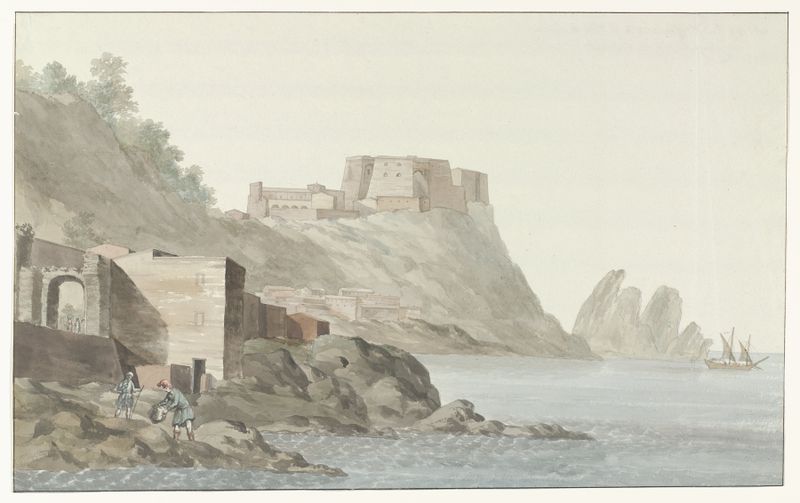
Rots en stad Scilla in de regio Calabrië aan de oostkust
Abraham-Louis-Rodolphe Ducros
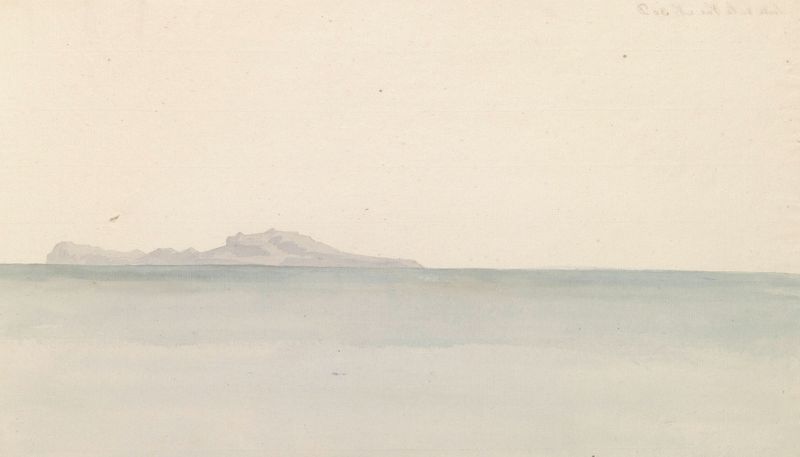
Gezicht op Golf van Napels vanaf kade bij kerk Santa Maria del Carmine
Abraham-Louis-Rodolphe Ducros
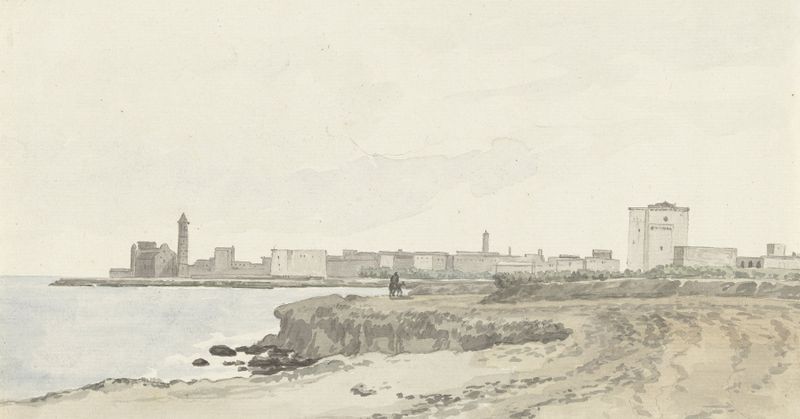
Gezicht op Trani gelegen aan de kust
Abraham-Louis-Rodolphe Ducros
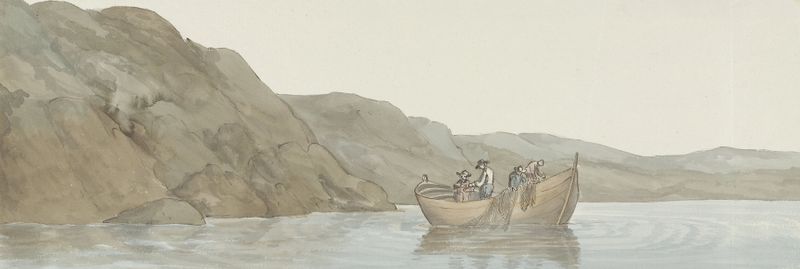
Gezicht op Kaap Paceco in Calabrië nabij de stad Scilla
Abraham-Louis-Rodolphe Ducros
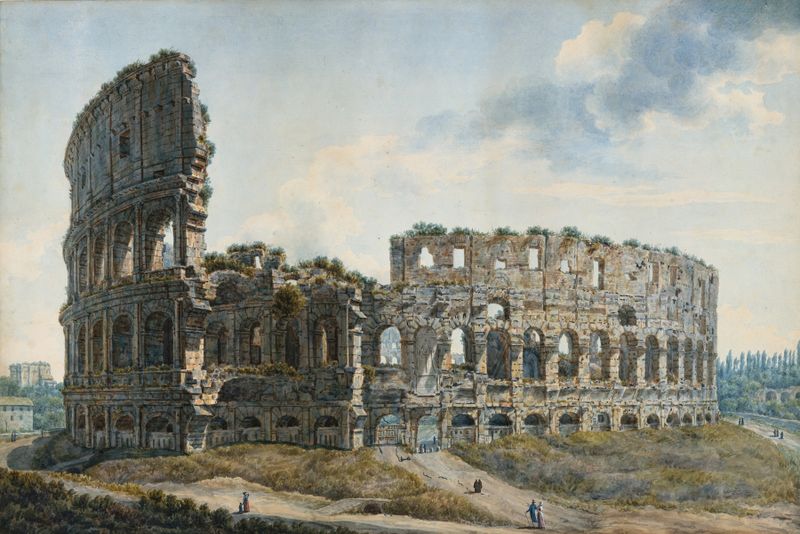
The Colosseum, Rome.
Abraham-Louis-Rodolphe Ducros
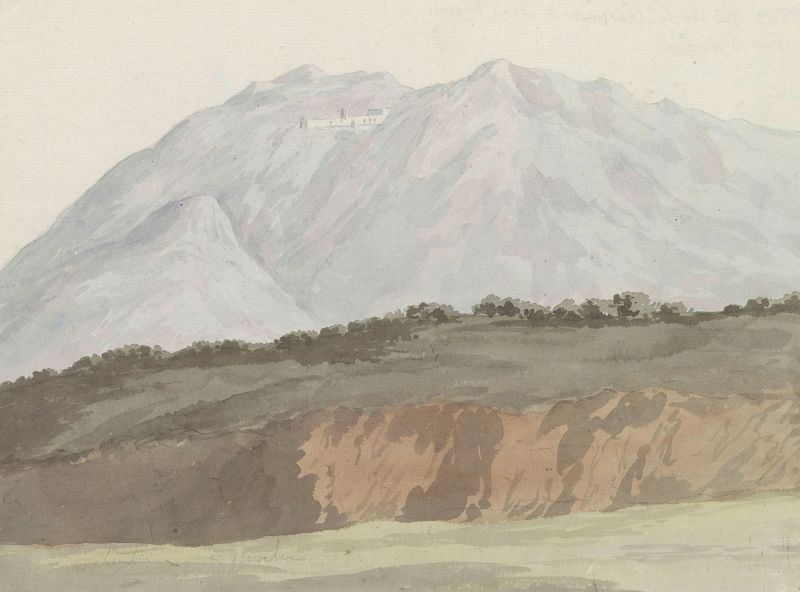
Gezicht op kartuizerklooster van Monte Vergine hoog gelegen boven Avellino
Abraham-Louis-Rodolphe Ducros
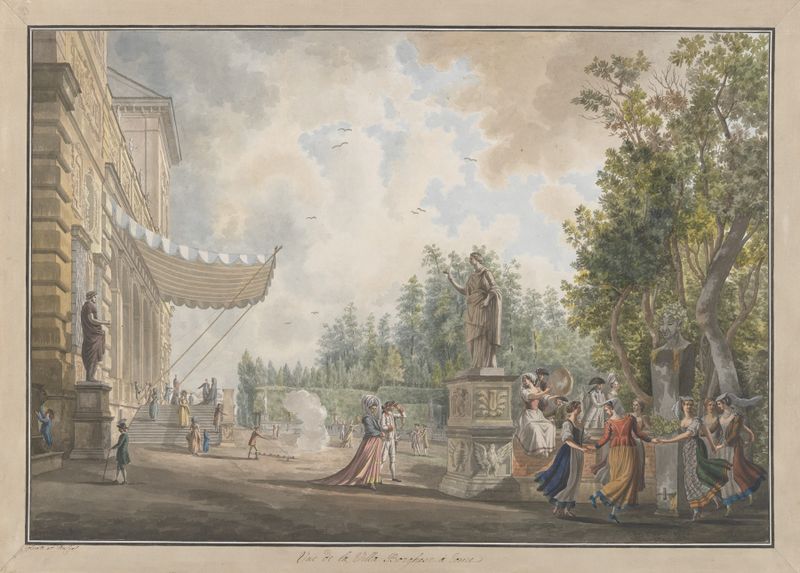
Villa Borghese
Abraham-Louis-Rodolphe Ducros
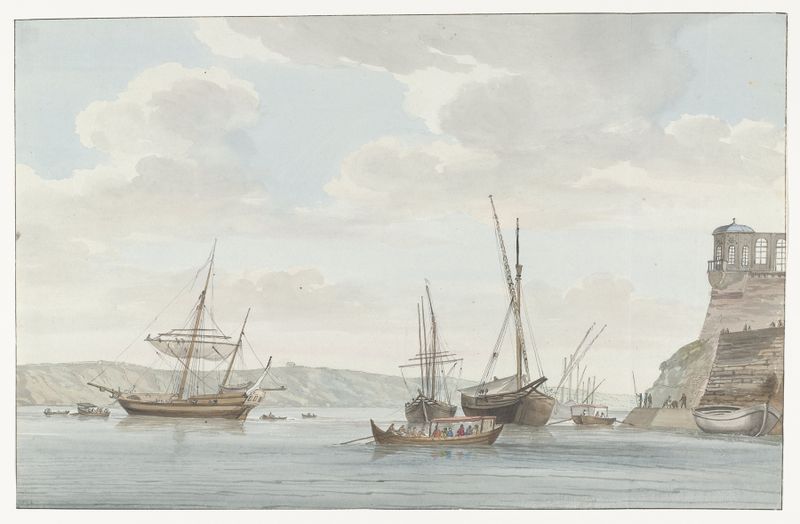
Tuinhuis van de Jardin du Grand Maître uittorend boven de haven met galei schepen op Malta
Abraham-Louis-Rodolphe Ducros
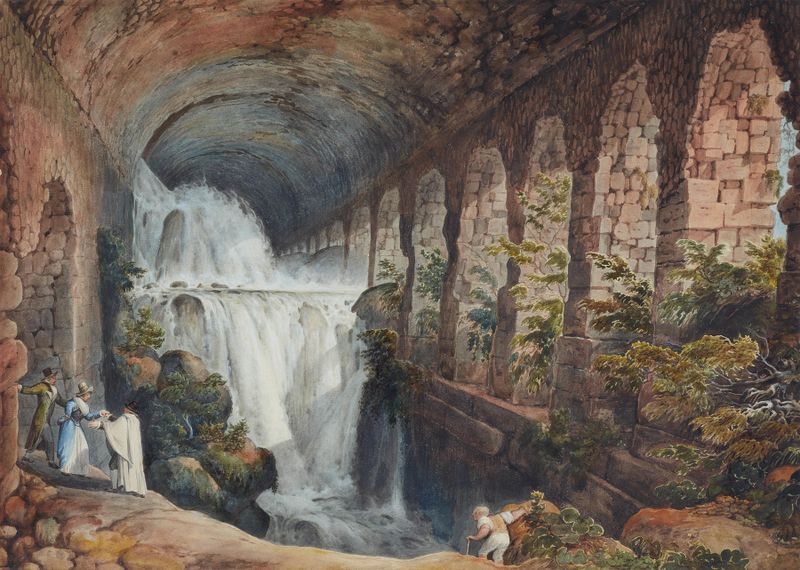
Aquädukt unter der Villa des Maecenas in Tivoli
Abraham-Louis-Rodolphe Ducros
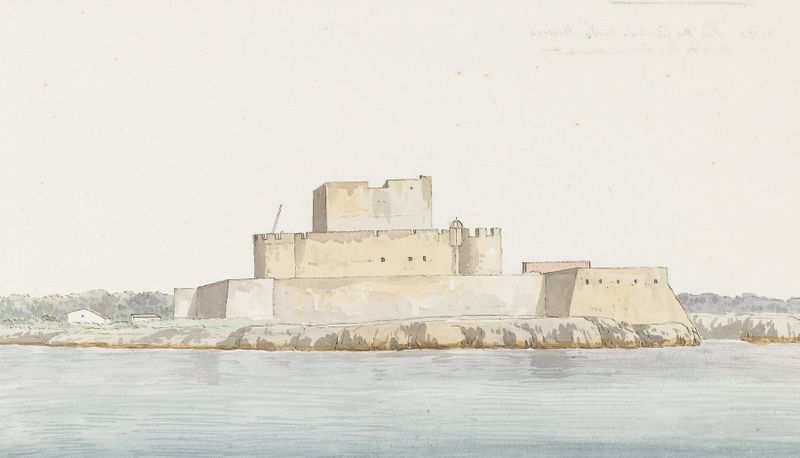
Gezicht op kasteel van San Mauro la Bruca vanaf zee bij aankomst
Abraham-Louis-Rodolphe Ducros
More Architecture Art
Browse all →
The statue of Liberty
Frédéric Auguste Bartholdi

View of Houses in Delft, Known as ‘The Little Street’
Johannes Vermeer

View of Houses in Delft, Known as ‘The Little Street’
Johannes Vermeer

The Cathedral in Rouen. The portal, Grey Weather
Claude Monet

The yellow house
Vincent van Gogh

The Church in Auvers-sur-Oise, View from the Chevet
Vincent van Gogh