Arched Doorway — History & Facts
What if silence could speak through light? In John Singer Sargent's Arched Doorway, shadows become the language of stillness, conveying the unspoken whispers of an unseen world. Look closely at the interplay of light and shadow, particularly in the archway's embrace. The soft glow spills into the space, illuminating the textures of the wall while casting deep, enveloping shadows that suggest a hidden presence. Notice how the arch frames the light, guiding your gaze toward its focal point and hinting at a story just out of reach.
The warm tones create a sense of intimacy, contrasting with the darker areas that evoke a sense of mystery and depth. Each detail adds layers to the narrative, from the way shadows blend seamlessly with the luminous edges to the subtle hints of color that enhance the emotional weight of the scene. The archway itself serves as a metaphor for transition, a threshold between worlds. There’s a palpable tension in the absence of figures; the space feels inhabited but devoid of life, inviting contemplation.
This contrast between light and dark mirrors the duality of existence—presence and absence, known and unknown. During the years between 1895 and 1908, Sargent was establishing himself as one of the leading portraitists of his time, yet he often explored quieter subjects too. Living in Paris, he was deeply influenced by the evolving art movements around him, including Impressionism. Arched Doorway reflects his mastery in capturing both the subtle play of light and the evocative silence of form, revealing his unique ability to convey profound emotions within seemingly simple scenes.
More Artworks by John Singer Sargent
Browse all →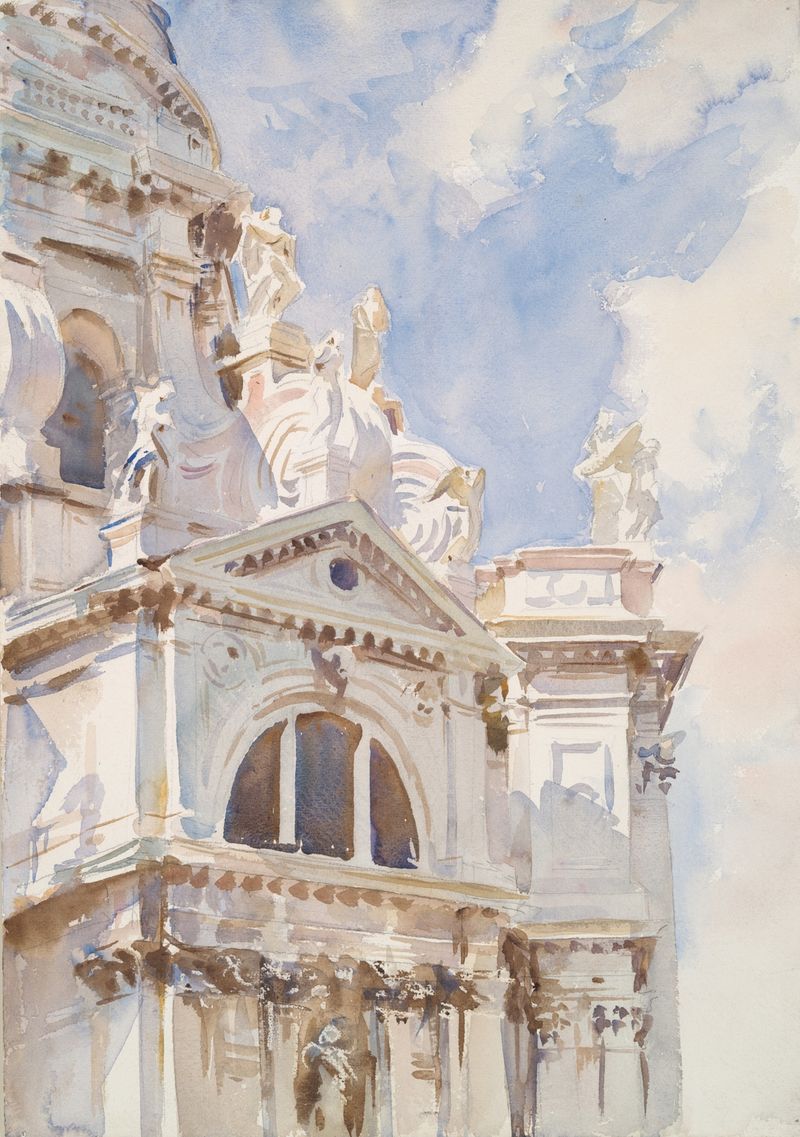
The Salute, Venice
John Singer Sargent

Mrs. Charles Deering (Marion Denison Whipple)
John Singer Sargent
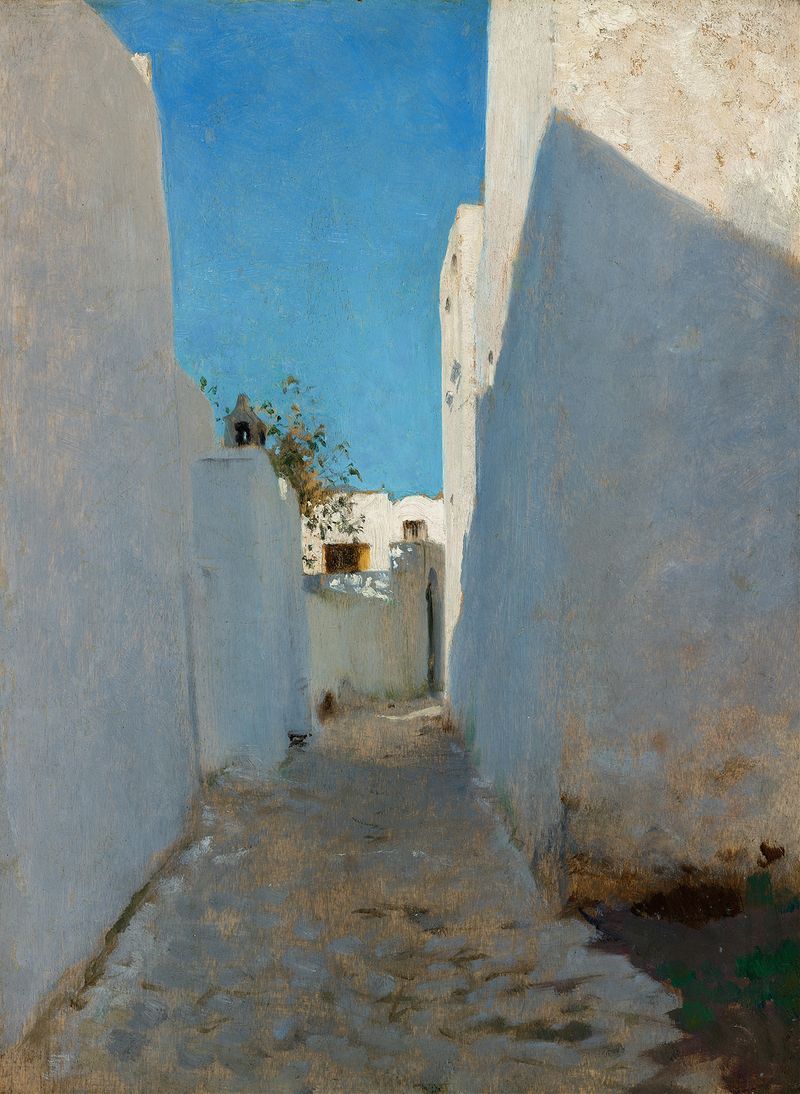
A Moroccan Street Scene
John Singer Sargent
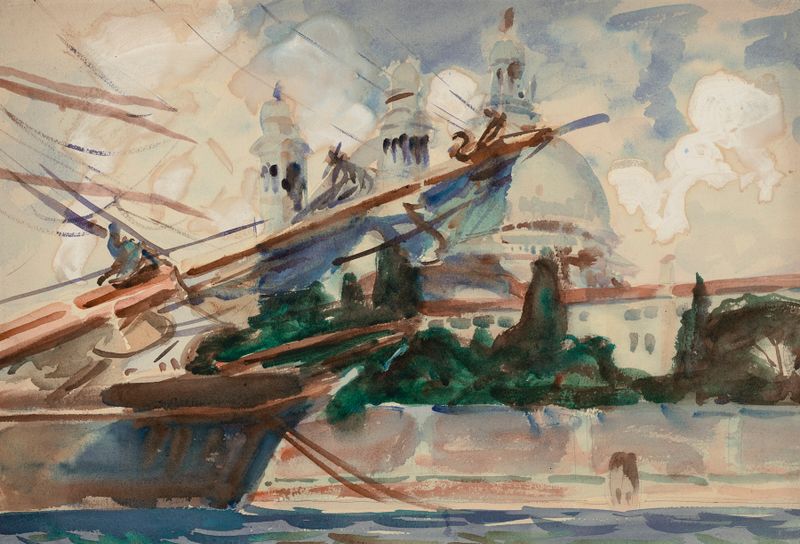
The Salute, Venice
John Singer Sargent
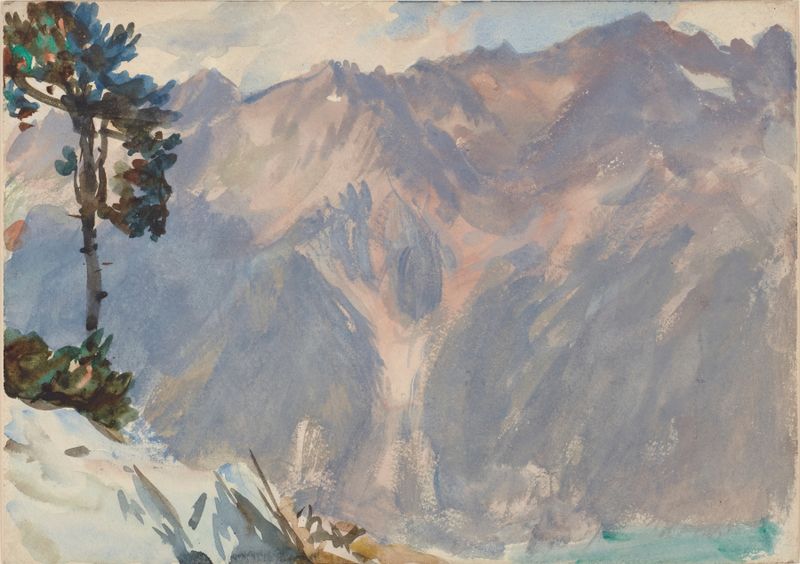
Tyrol
John Singer Sargent
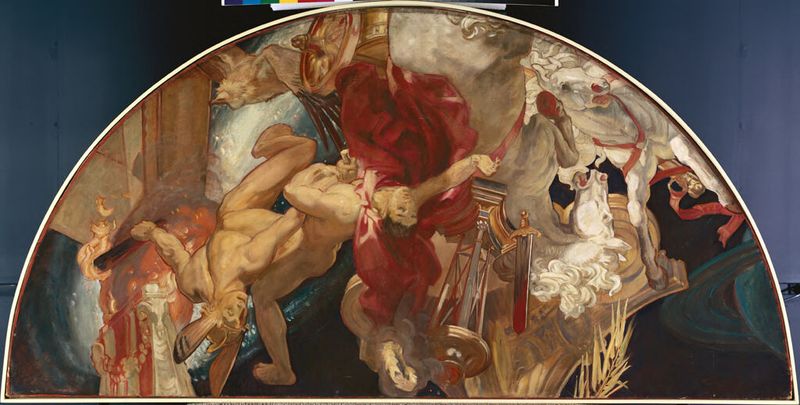
Study for "Gog and Magog," for the Boston Public Library
John Singer Sargent
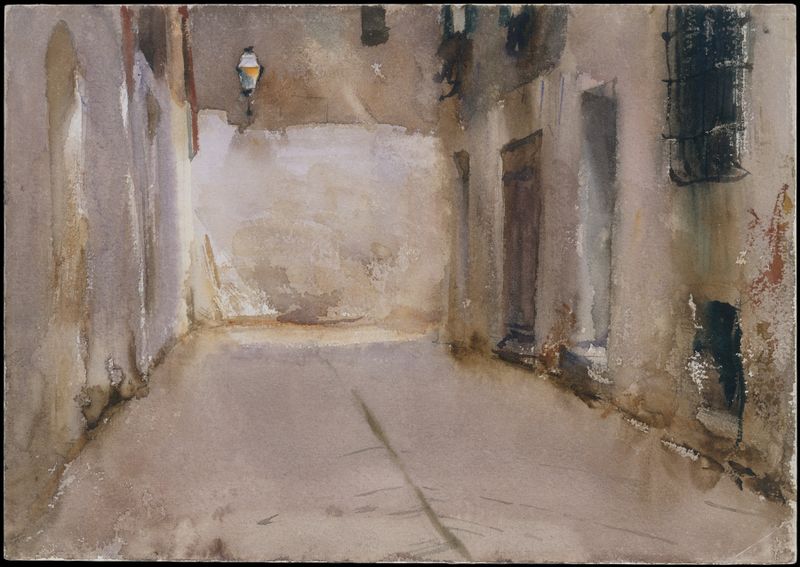
Venice
John Singer Sargent
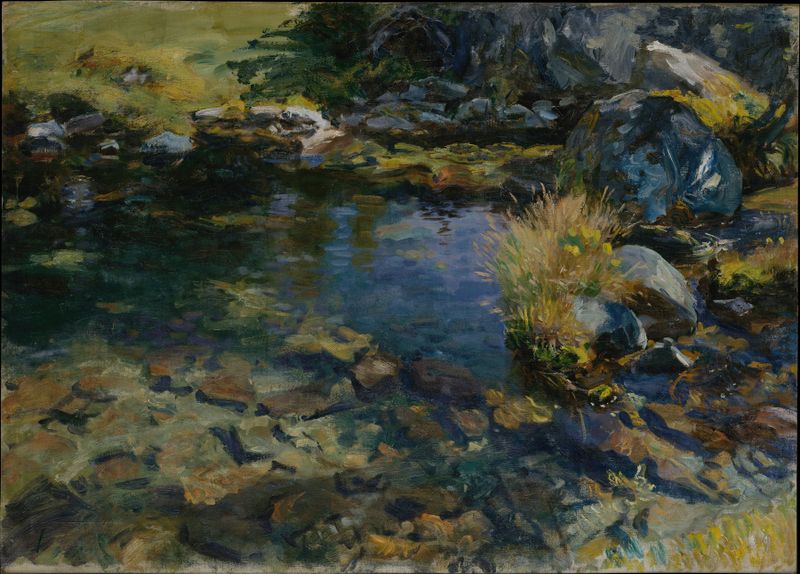
Alpine Pool
John Singer Sargent
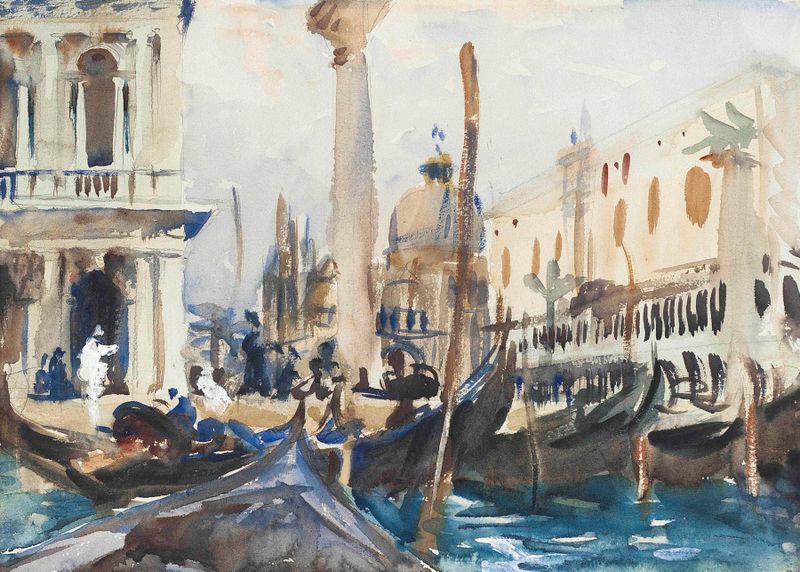
The Piazzetta with Gondolas
John Singer Sargent
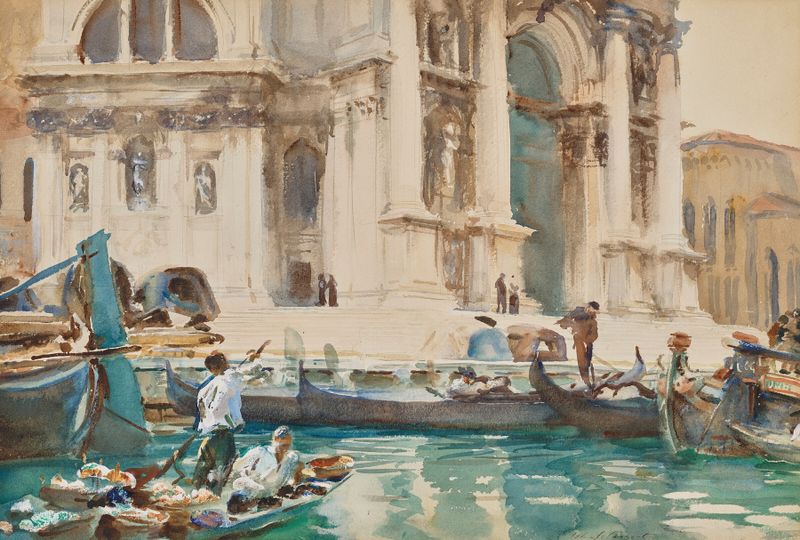
The Façade of La Salute, Venice
John Singer Sargent