
Architectural Fantasy of Antique Ruins with a Watermill — History & Facts
When did color learn to lie? In the hands of a master, hues become a language of hope and nostalgia, crafting visions that challenge our perception of reality. Look to the foreground at the delicate interplay of water and stone, where a watermill stands as a steadfast guardian of time. The swirling blues and greens of the river contrast with the warm ochres of the crumbling ruins, drawing your eye to the harmonious juxtaposition of nature and architecture. Notice how the light dances across the mill’s blades, illuminating its weathered surface and evoking a sense of life amidst decay.
This skillful use of color and texture breathes vibrancy into the ruins, transforming them into a poetic testament to resilience. The emotional tension within the piece lies between lush vitality and serene abandonment. The watermill, though dilapidated, still functions, symbolizing the enduring spirit of hope. The surrounding ruins, adorned with creeping vines, suggest nature’s quiet reclamation of humanity’s creations, a delicate balance of beauty and impermanence.
In this interplay, Wolf invites viewers to reflect on the passage of time and the stories embedded within each stone—a narrative both poignant and uplifting. In the 1760s, while creating this work, the artist found himself in a world transitioning from the charm of Rococo to the more structured sensibilities of Neoclassicism. Working in the picturesque landscapes of Switzerland, he sought to capture the sublime beauty of the natural world intertwined with man-made structures. This period was marked by a growing fascination with the picturesque, where artists began to see ruins not just as remnants of the past, but as symbols filled with renewed potential and hope.
More Artworks by Caspar Wolf
Browse all →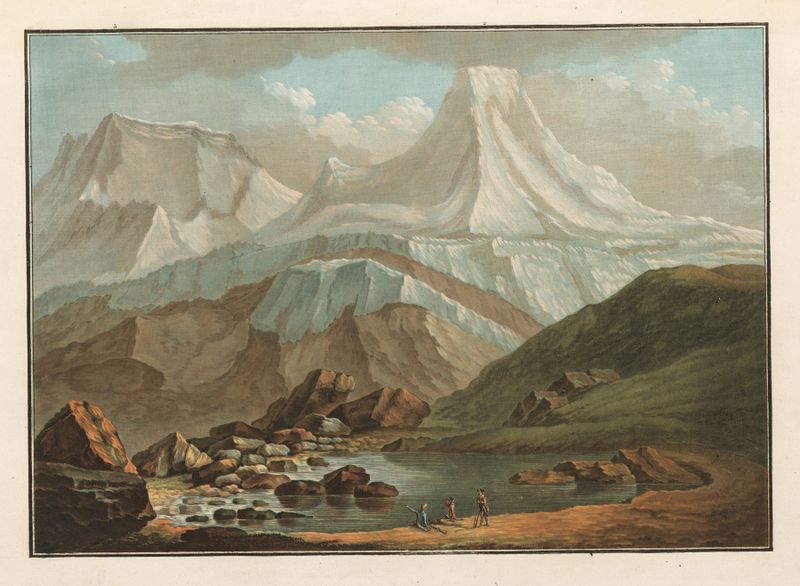
Vue du Gross-Horn et du Breit-Horn avec le petit lac d’Oberhorn
Caspar Wolf
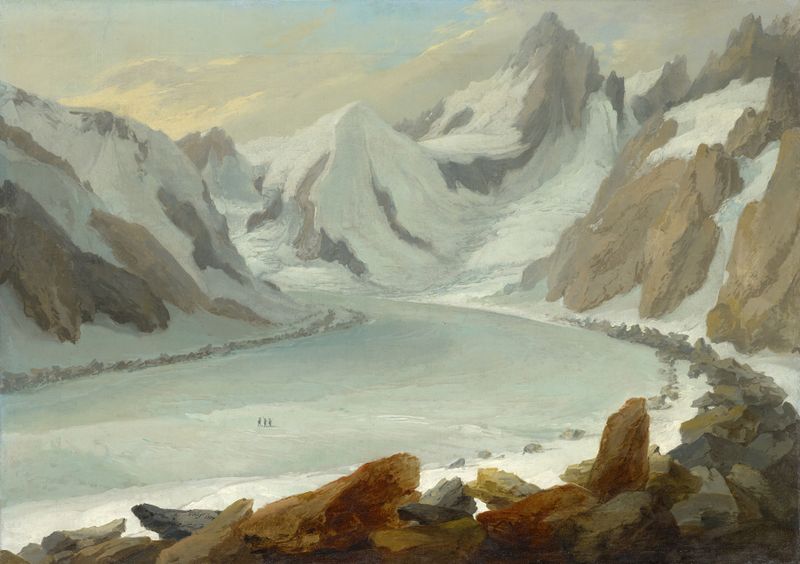
Finsteraargletscher mit Blick auf das Finsteraarhorn
Caspar Wolf
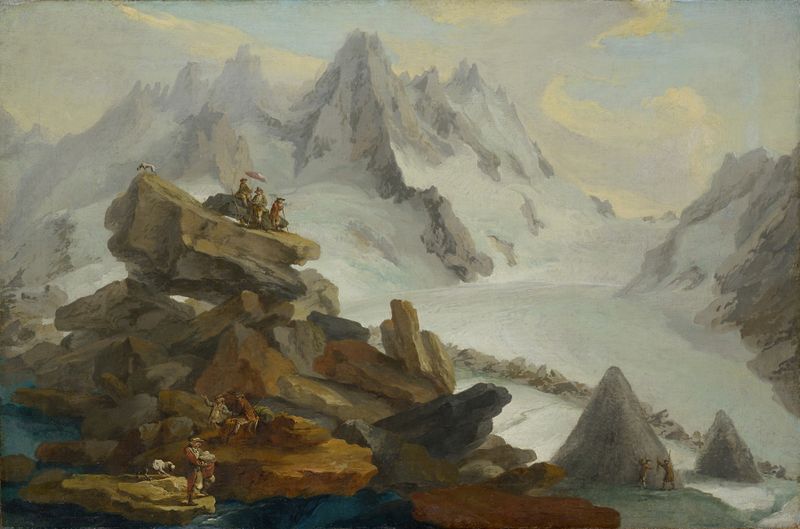
Glacier Lauteraar
Caspar Wolf

Glacier de Lauteraar Canton de Berne Province d’Oberhasli
Caspar Wolf
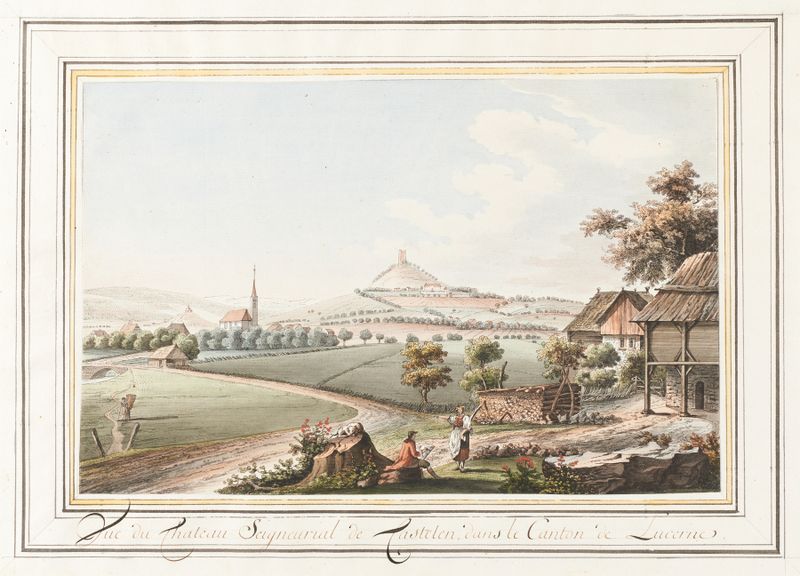
Vue du Chateau Seigneurial de Castelen dans le Canton de Lucerne
Caspar Wolf

Wasserfall im Tobel bei Muri
Caspar Wolf
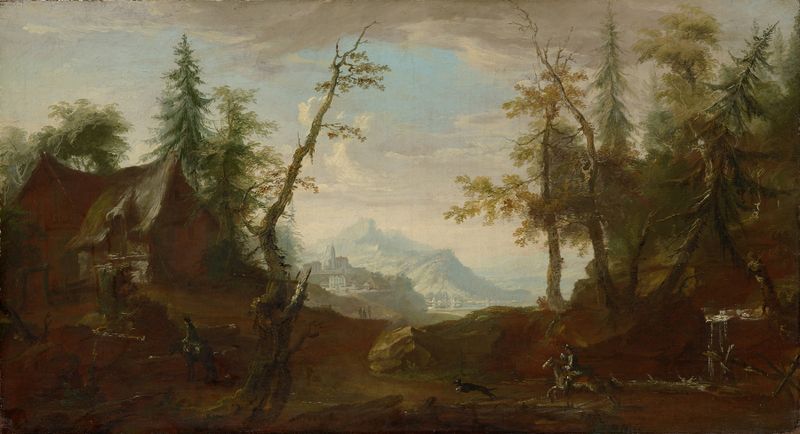
Farmhouse in a Forest Glade with Riders
Caspar Wolf
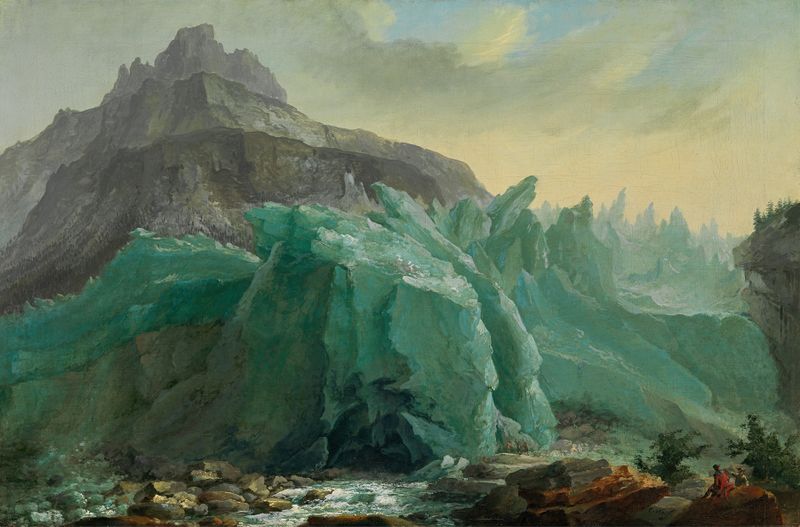
The Lower Grindelwald Glacier with Lütschine and the Mettenberg
Caspar Wolf
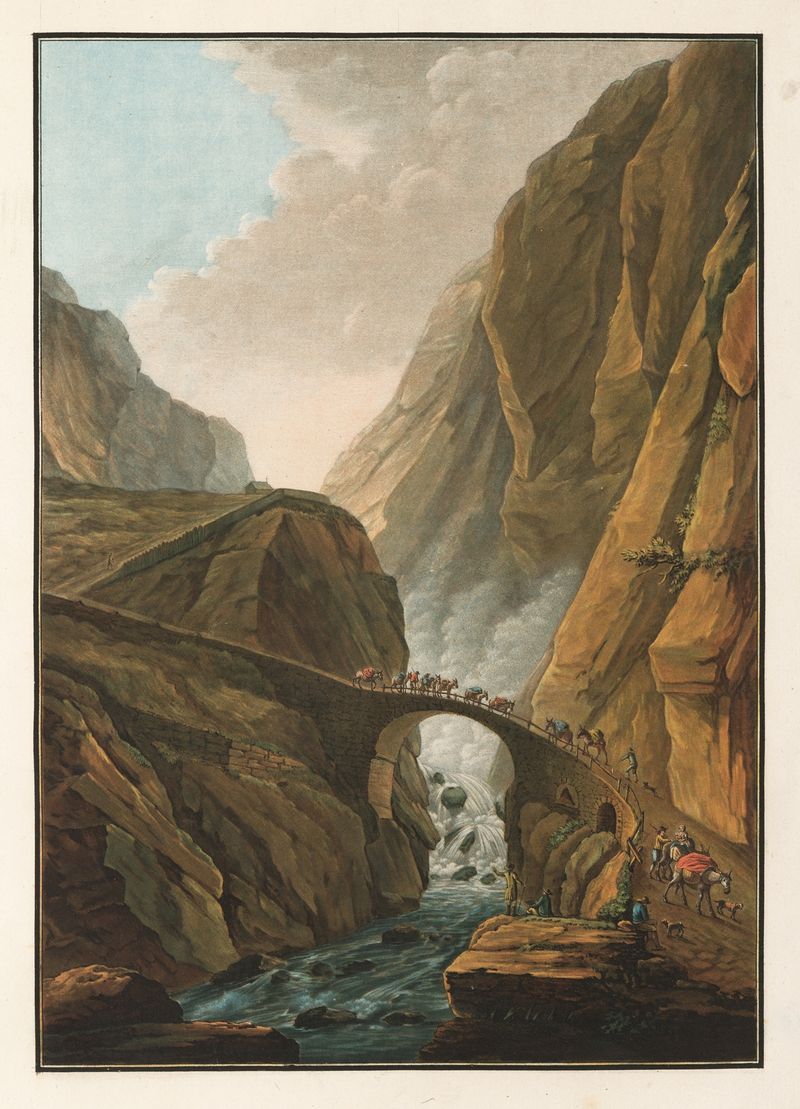
Teufelsbrücke
Caspar Wolf
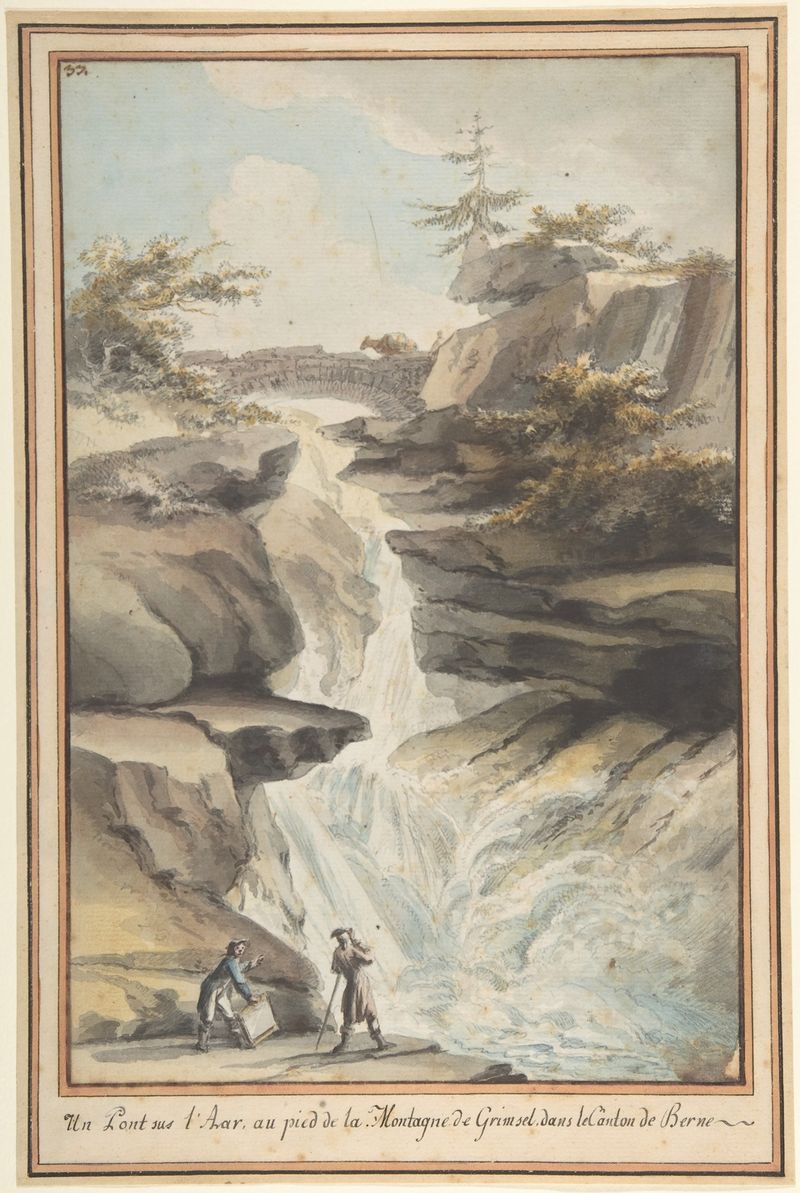
A Bridge on the Aar, at the Foot of the Grimsel, in the Canton of Berne
Caspar Wolf





