Architectural interior — History & Facts
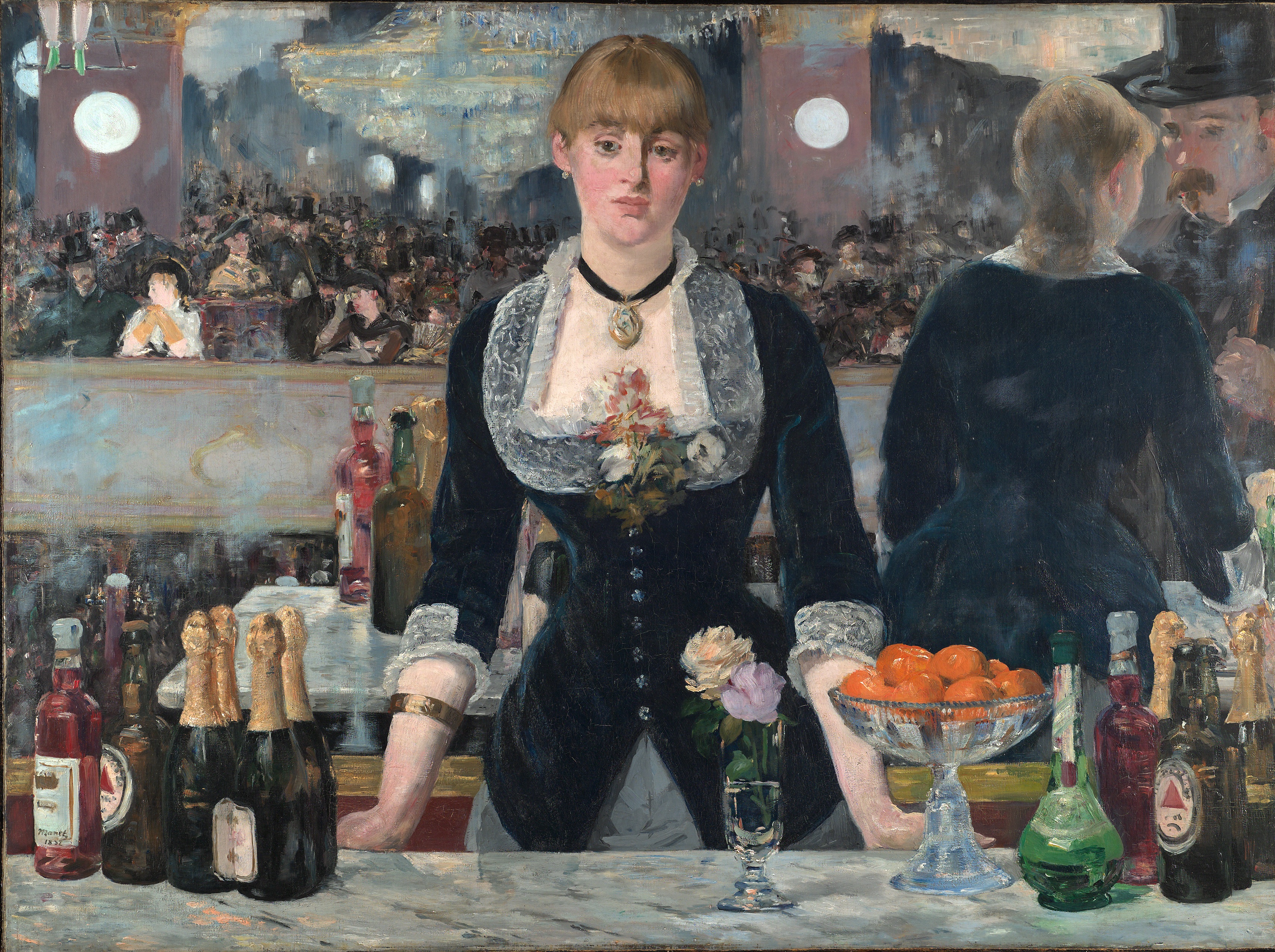
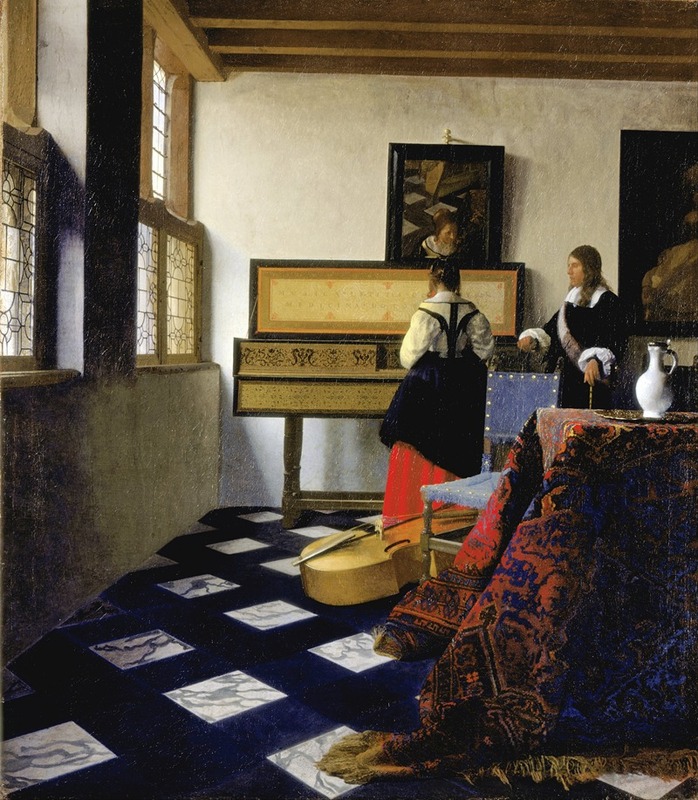
Did the painter know this moment would outlive them? In a world poised on the brink of revolution, every brushstroke becomes a whisper of destiny, echoing through time. Look to the center of the canvas where a grand archway draws your eye, inviting you into an intricate interplay of light and shadow. The soft glow filtering through the windows highlights the meticulously rendered details of the architecture, where each stone seems to breathe with history. Notice how the rich, warm hues contrast with the cool tones of the distant walls, creating a dynamic tension that speaks of both refuge and unrest within this space. Hidden within the composition are stories of aspiration and uncertainty.
The arches symbolize the transition from one era to another, as the elegant lines converge and diverge, reflecting the conflict brewing outside. Figures in the background, though rendered in a subtle manner, hint at the societal shifts occurring beyond the confines of this architectural sanctuary — a silence that belies the chaos of change. Here, beauty and turmoil coexist, suggesting that the very walls we admire may soon witness tumult. In 1646, Rogiers de Cuyper created this piece during a time marked by political upheaval in Europe.
Living in the Netherlands, an area rife with conflict and emerging artistic expression, the artist was navigating the intertwined roads of Baroque innovation and societal transformation. This artwork stands as both a testament to his skill and a mirror reflecting the tensions of his time, where each architectural element speaks to resilience amidst impending revolution.