
Arcueil — History & Facts
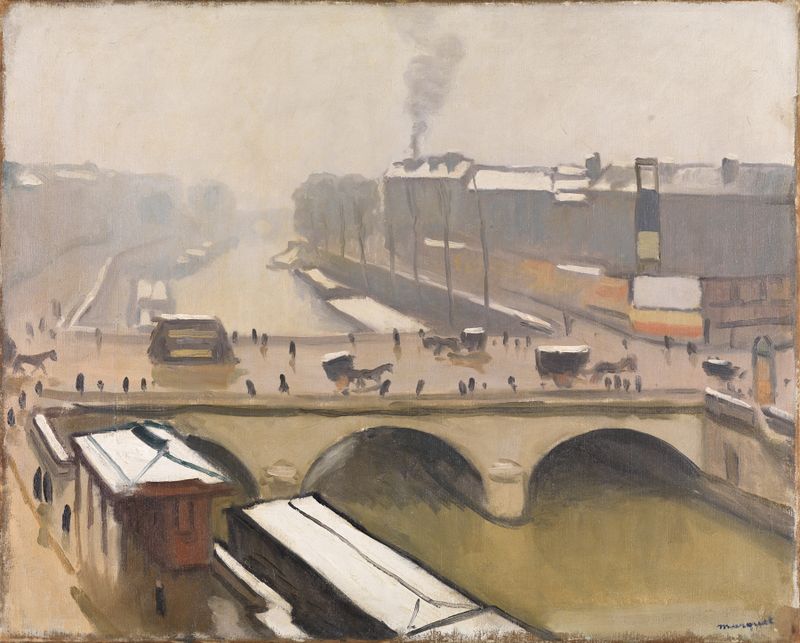
Who listens when art speaks of silence? The hushed tones of decay whisper stories of forgotten lives and the passage of time through a landscape painted with poignant restraint. Focus on the soft palette that envelops the canvas, drawing your eye first to the delicate interplay of greens and browns that suggest overgrown foliage. Notice how the light glimmers subtly on the edges of the trees, creating a soft halo effect that invites contemplation. The composition is serene yet layered, with distant structures barely breaking the horizon, hinting at human presence without imposing it.
Each brushstroke imparts a sense of nostalgia, as if the scene captures a fleeting moment in a once-vibrant place now surrendering to nature. Within this tranquil yet eerie depiction lies the tension of life and decay. The seemingly abandoned structures evoke a sense of melancholy, representing both the impermanence of human endeavors and the relentless march of nature reclaiming its territory. The sparse details call attention to the quiet beauty of neglect, inviting viewers to reflect on what has been lost while celebrating the resilience of the natural world.
This duality of existence—the harmonious and the deteriorating—resonates throughout the piece, deepening its emotional impact. Albert Marquet created Arcueil between 1898 and 1899 during a period of artistic exploration influenced by Impressionism. Living in Paris, he experimented with color and form, striving to capture the essence of his surroundings. This work reflects his desire to convey stillness and contemplation amidst a rapidly changing world, marking his evolution as an artist and his fascination with the interplay of light and shadow in everyday scenes.
More Artworks by Albert Marquet
Browse all →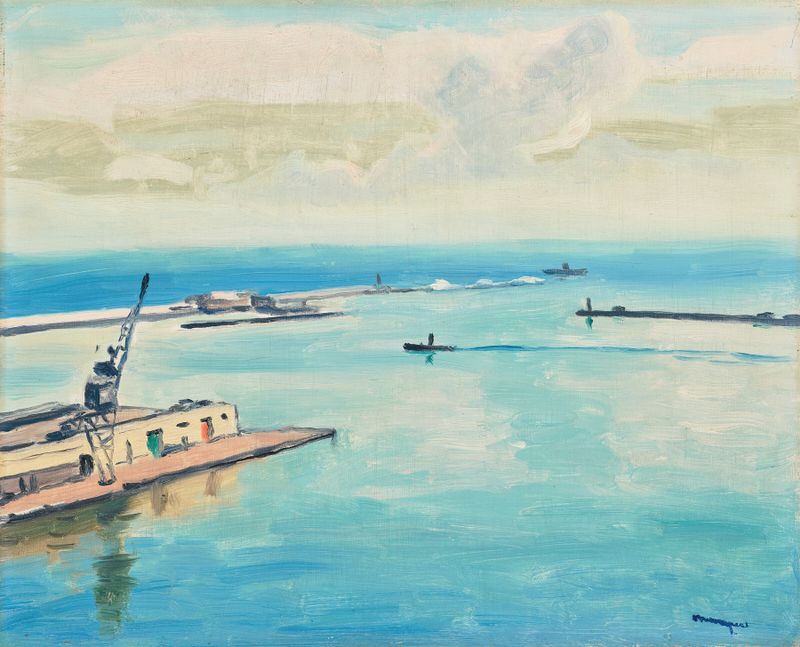
Le Port d’Alger
Albert Marquet
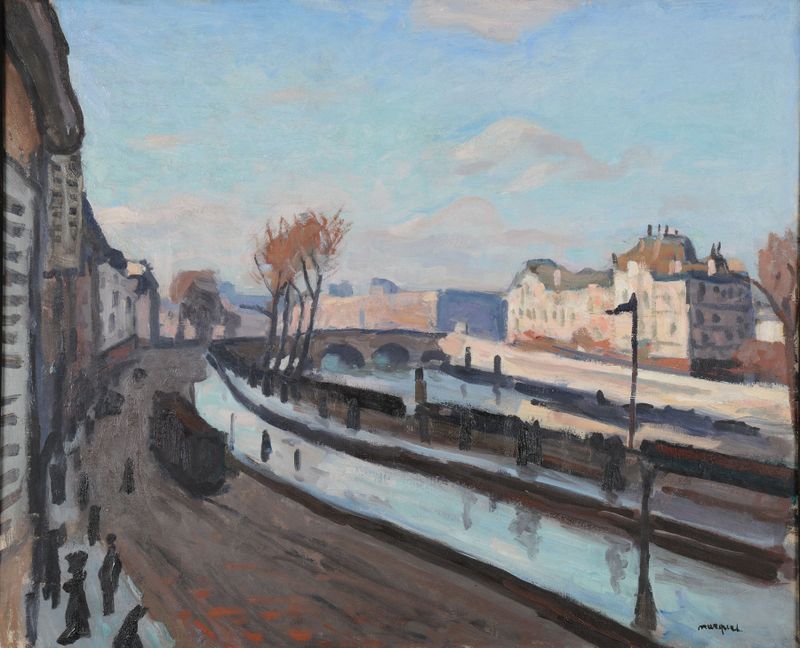
Le quai des Grands Augustins
Albert Marquet
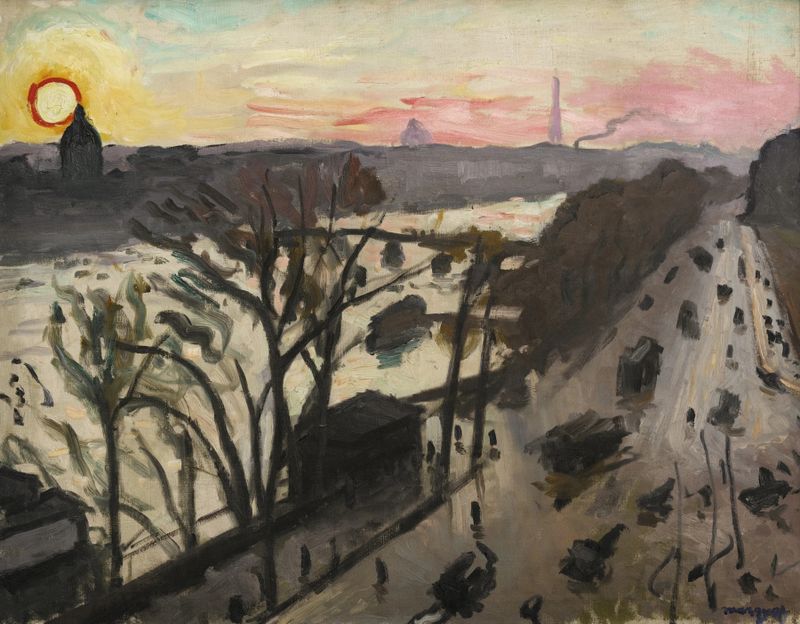
Paris, quai du Louvre, soleil d’hiver
Albert Marquet
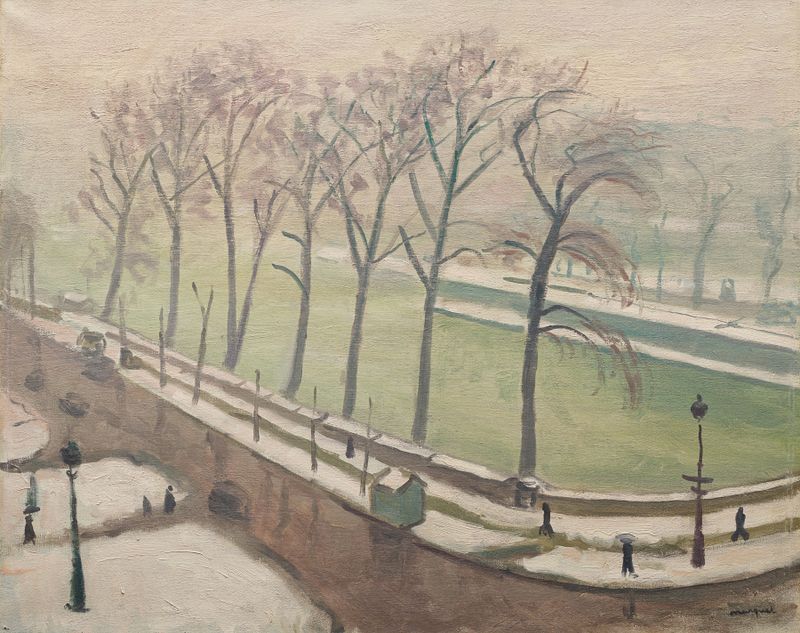
Pont-Neuf sous la neige
Albert Marquet
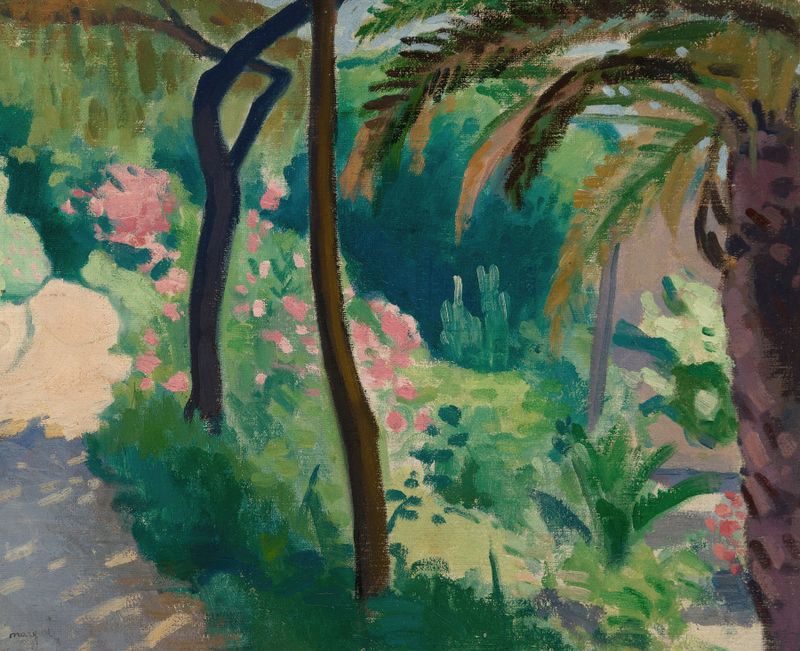
Le jardin à l’Estaque
Albert Marquet
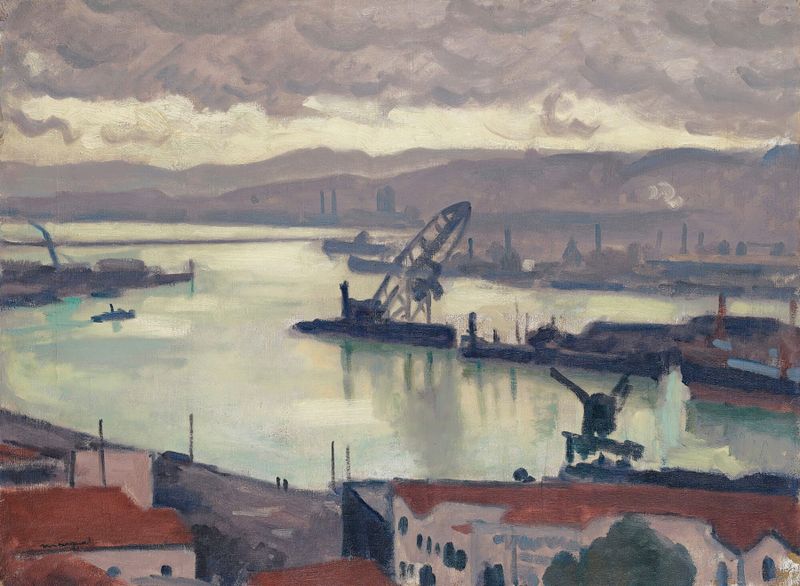
Alger, Temps Gris
Albert Marquet
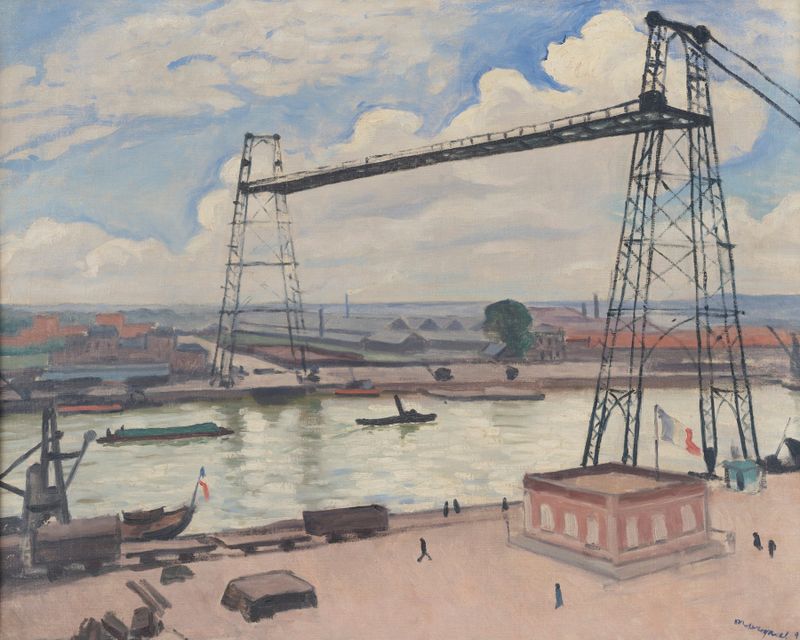
Rouen, le pont transbordeur
Albert Marquet
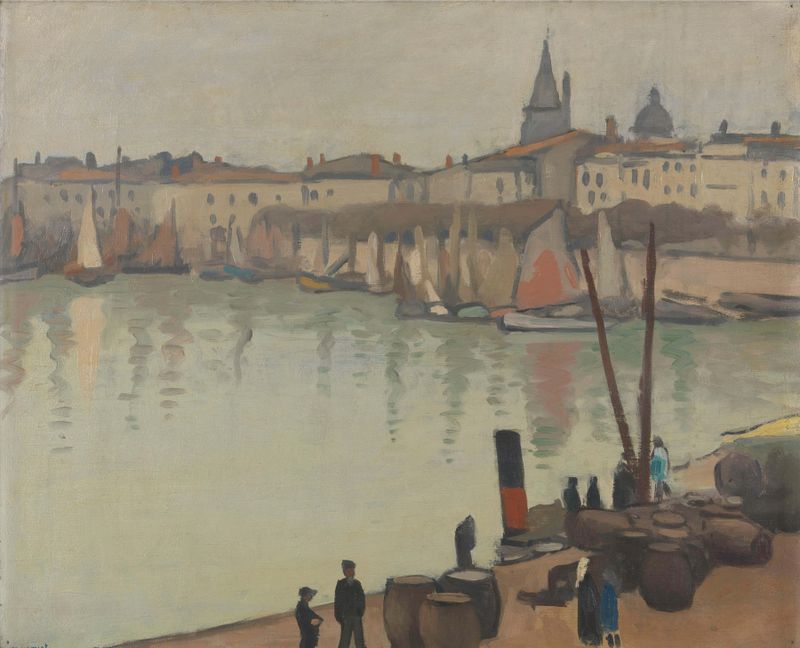
Port of La Rochelle
Albert Marquet

Berge de la Seine à Méricourt
Albert Marquet
View of the Pont Saint-Michel in Paris
Albert Marquet





