
Arques, Ruines Du Chateau — History & Facts
The essence of loss is encapsulated in the serene yet haunting beauty of the landscape. Ruins, once symbols of grandeur, now whisper tales of forgotten glory, inviting us to reflect on what remains when memory fades. Look to the left at the crumbling stone walls, partially shrouded by lush greenery. Notice how the fading light filters through the trees, casting gentle shadows that evoke a sense of nostalgia.
The soft palette of greens and browns melds seamlessly, while delicate brushstrokes create a harmonious blend of nature reclaiming its space. Every detail channels an ethereal quality, encouraging the viewer to linger, as if time stands still in this moment of reflection. Yet, within this tranquil scene lies a deeper narrative. The juxtaposition of the vibrant foliage against the stark ruins embodies the tension between life and decay.
Each leaf seems to pulse with the energy of renewal, while the weathered stones signify loss and stoic endurance. This interplay invites contemplation on the passage of time and the inevitability of change, prompting an emotional resonance that extends beyond the canvas. Jean-Baptiste-Camille Corot painted this work during a period of exploration and evolution in his artistic career, likely in the mid-19th century. Living in France, he was immersed in the transition from the Romantic to the Impressionist movements.
The era was marked by a growing appreciation for plein air painting, as artists sought to capture the ephemeral beauty of nature. In this context, the artwork serves as a poignant reminder of both the beauty and fragility inherent in the human experience.
More Artworks by Jean-Baptiste-Camille Corot
Browse all →
View of Genoa
Jean-Baptiste-Camille Corot
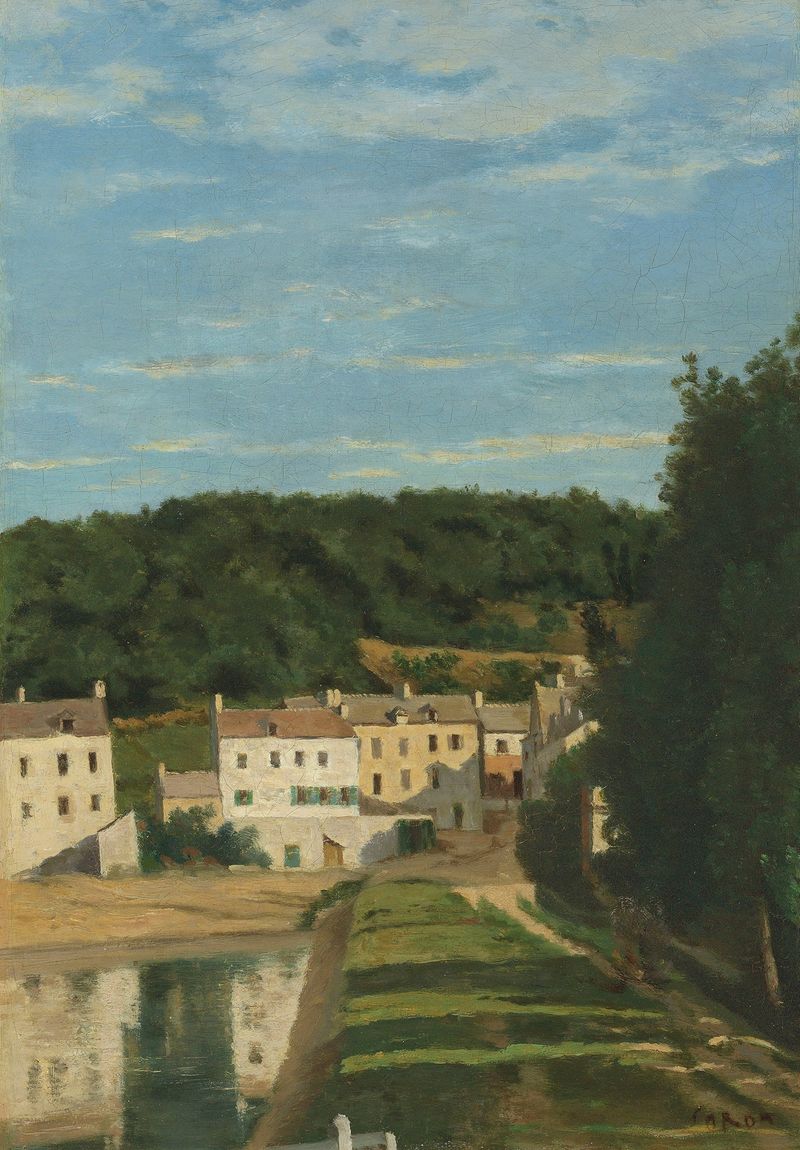
Les Maisons Cabassud À Ville D’avray
Jean-Baptiste-Camille Corot

La solitude. Souvenir de Vigen (Limousin)
Jean-Baptiste-Camille Corot
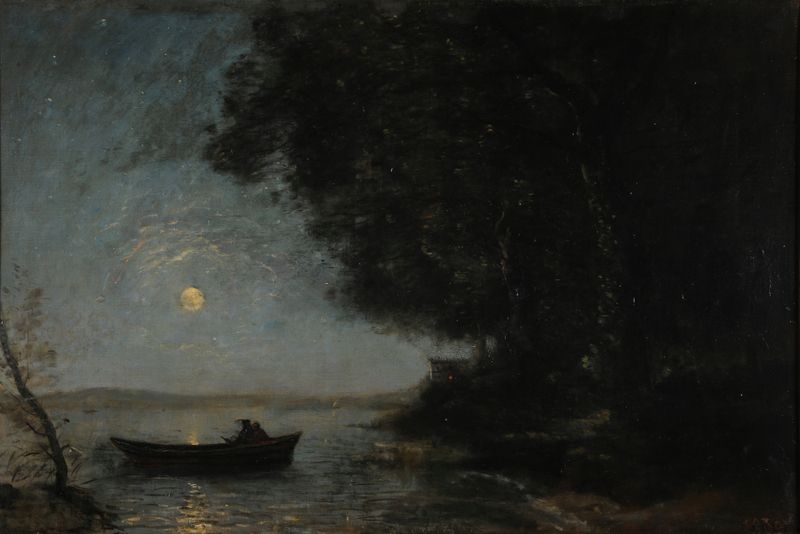
Le lac ; effet de nuit
Jean-Baptiste-Camille Corot
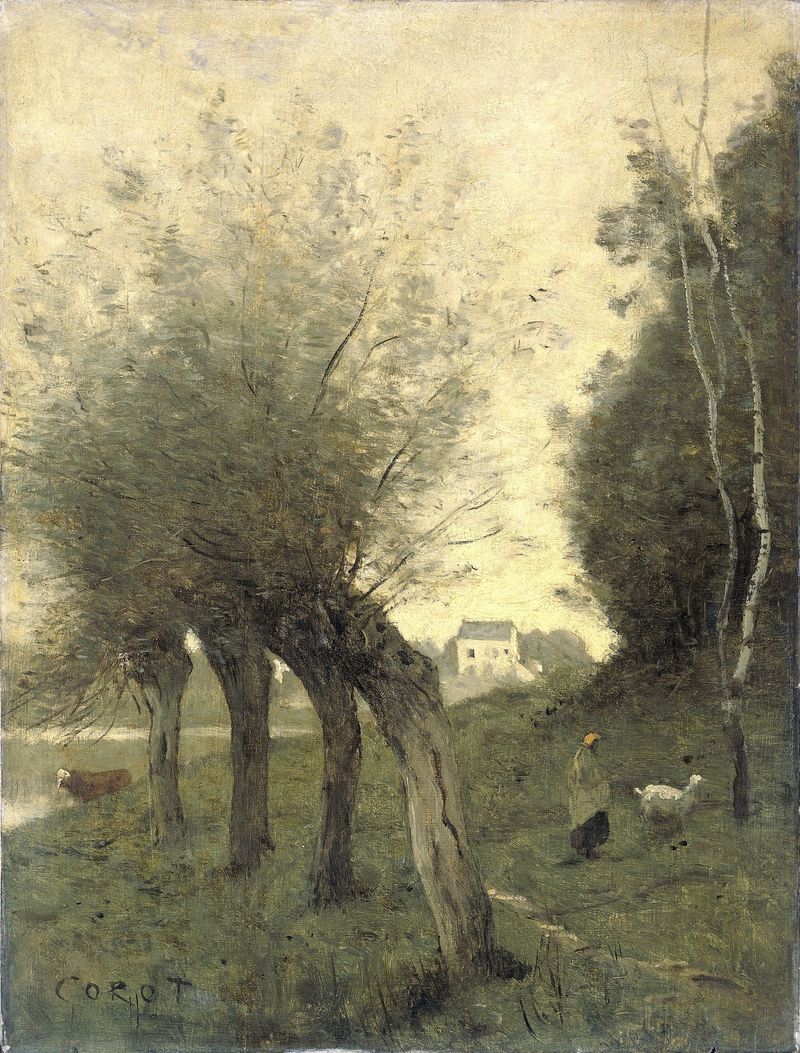
Landscape with Pollard Willows
Jean-Baptiste-Camille Corot
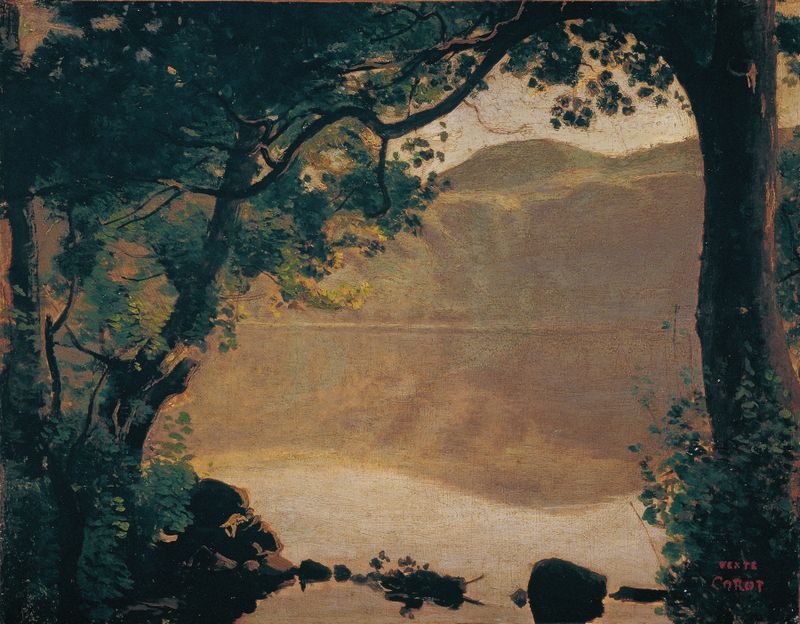
Der Nemisee
Jean-Baptiste-Camille Corot
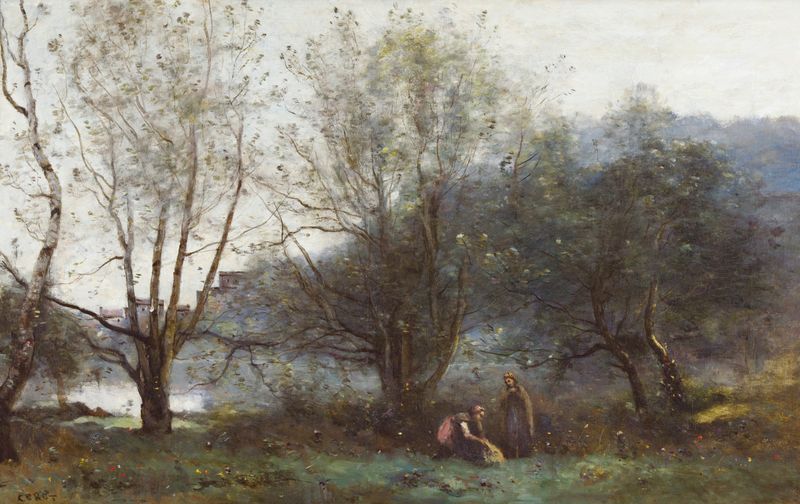
Les Étangs De Ville D’avray
Jean-Baptiste-Camille Corot
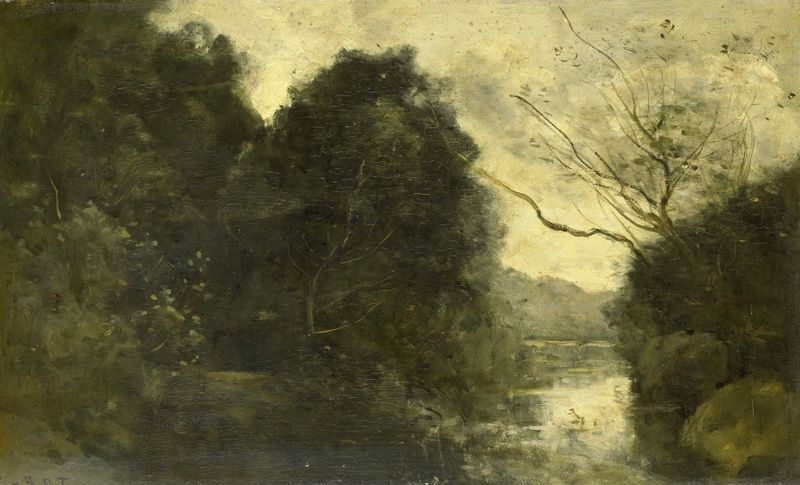
Pond in the Woods
Jean-Baptiste-Camille Corot
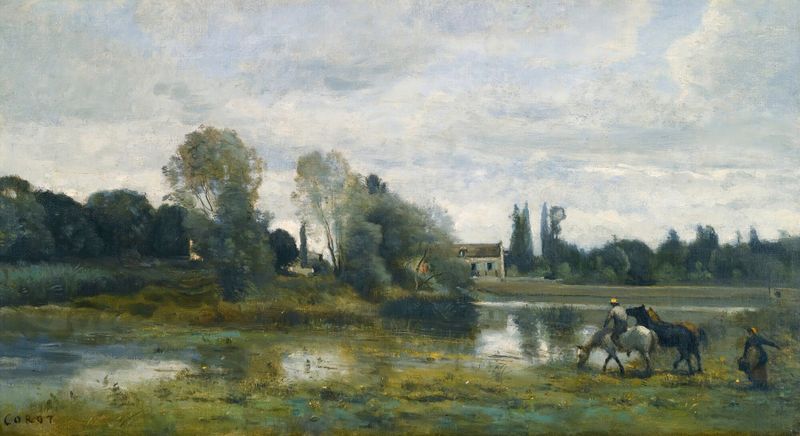
Ville D’avray; L’abreuvoir Des Chevaux
Jean-Baptiste-Camille Corot
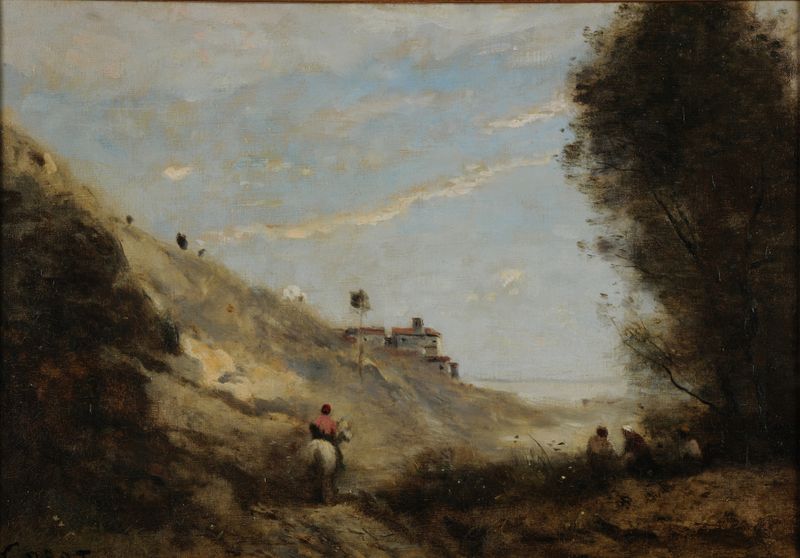
Le vallon au cavalier
Jean-Baptiste-Camille Corot





