Arrivées des Légumes-Amiens — History & Facts
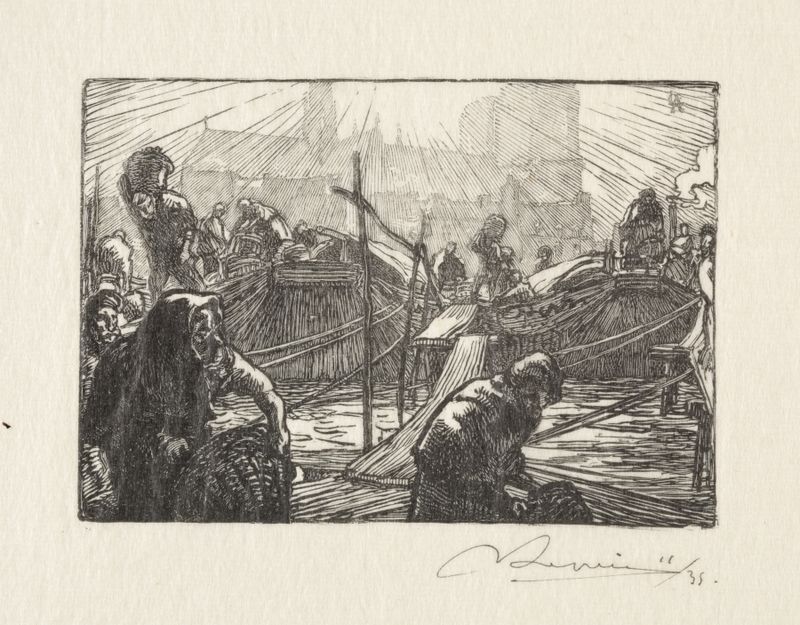
In a fleeting moment, time stands still, allowing us to uncover the essence of existence within the minutiae of daily life. Focus on the lush palette where vibrant greens and earthy browns intertwine, illuminating the fresh vegetables that lie in abundance. Look closely at the textures: the smoothness of the eggplants contrasts with the rough edges of the carrots, all carefully arranged to celebrate bountiful harvests. The artist’s deft brushwork captures not just the physical attributes but also the vitality of the produce, inviting you to breathe in the crisp air that accompanies these offerings. Yet beneath this surface lies a profound commentary on the passage of time.
The vegetables, perhaps symbols of nourishment and sustenance, remind us of the cycles of life and decay. Each item, vibrant yet destined to fade, speaks to the fleeting nature of beauty itself. The arrangement hints at the labor and love that fuel our daily routines, evoking a poignant sense of nostalgia for simpler times. In 1907, while creating Arrivées des Légumes-Amiens, Auguste Louis Lepère was immersed in the vibrant art scene of France, where Impressionism was evolving.
He was focused on capturing the authenticity of rural life and its relation to modernity, reflecting both the societal shifts of the early 20th century and his deep appreciation for everyday subjects. This painting stands as a testament to his commitment to portraying the essence of life, even as the world around him rapidly changed.
More Artworks by Auguste Louis Lepère
Browse all →
La Rue des Prêtres Saint-Séverin
Auguste Louis Lepère
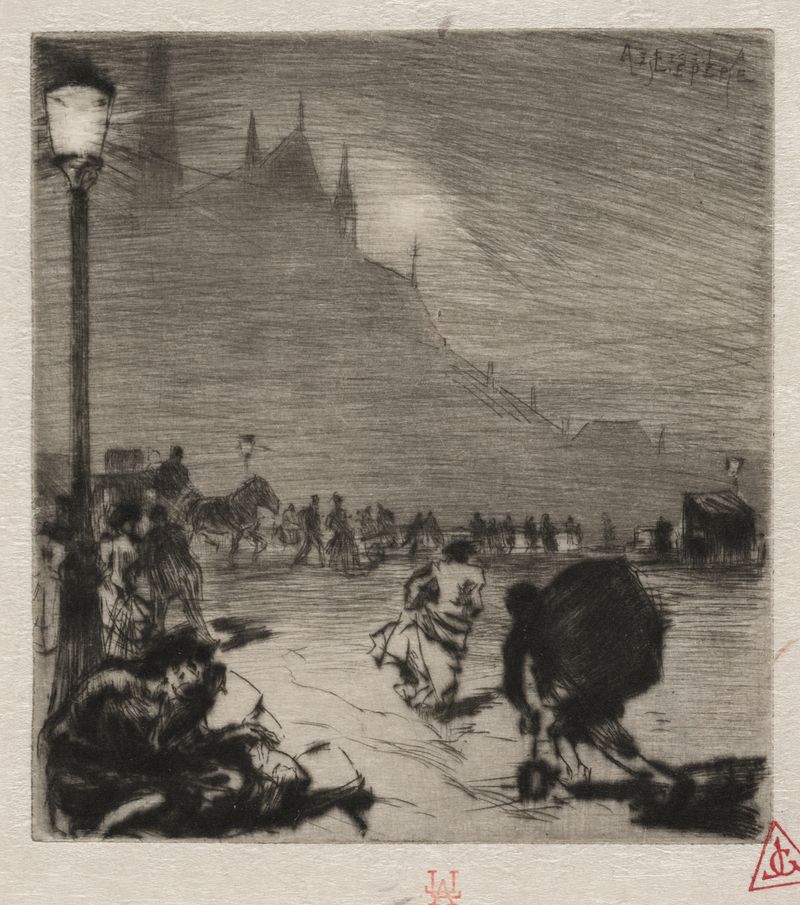
Au Coin du Pont-aux-Doubles
Auguste Louis Lepère
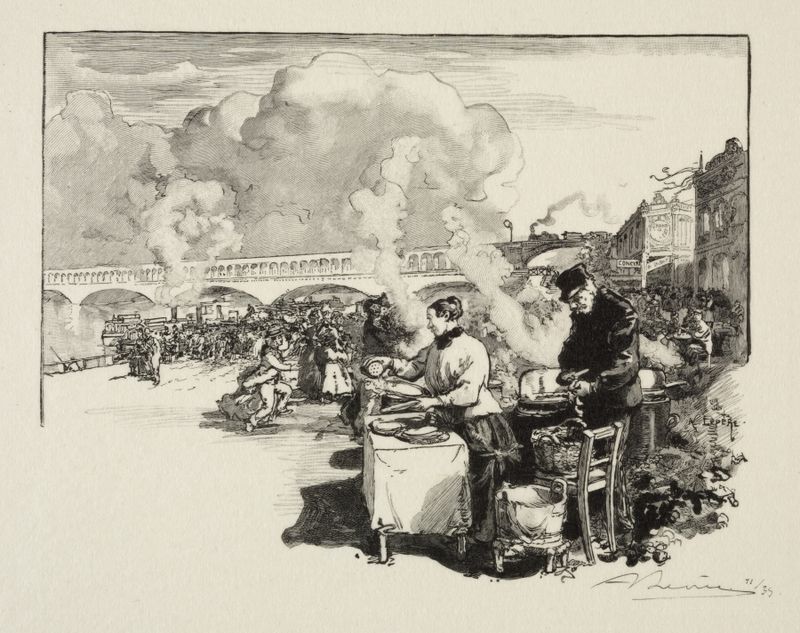
Debarcadère des bateaux-omnibus
Auguste Louis Lepère

La Seine, au quai de la Rapée
Auguste Louis Lepère
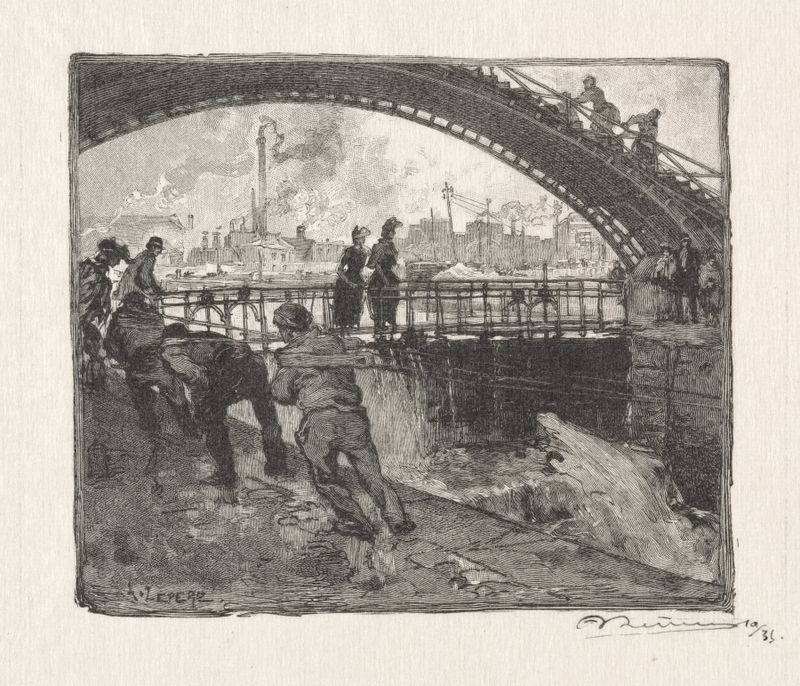
L’Ecluse du Canal St. Martin
Auguste Louis Lepère

Le Boulevard Montmartre, le Soir
Auguste Louis Lepère

Une Chasse au Mont Gérard
Auguste Louis Lepère
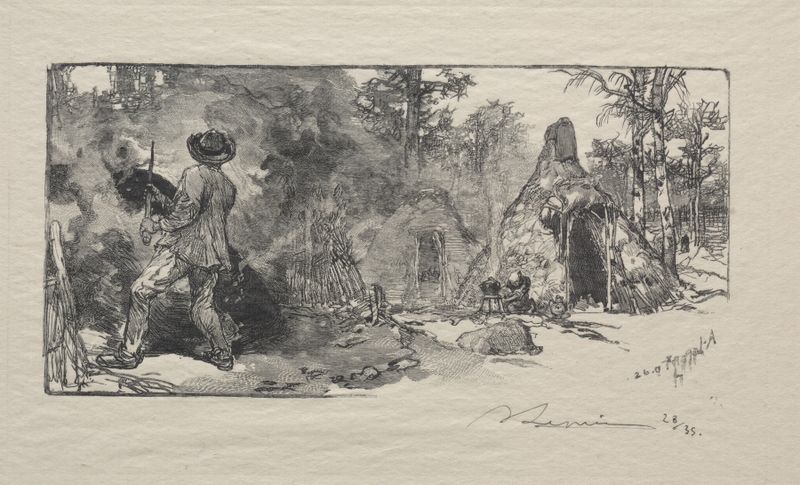
Les Charbonniere
Auguste Louis Lepère
Notre Dame vue du Marché aux pommes
Auguste Louis Lepère

Le Palais des Arts Liberaux, Intèrieur
Auguste Louis Lepère