1933 — History & Facts
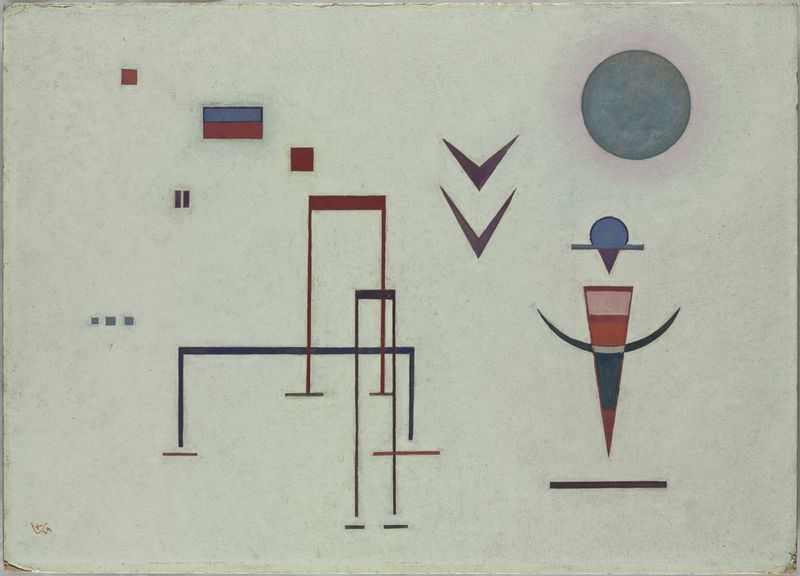
Could a single brushstroke hold eternity? In 1933, the canvas swells with an electric pulse, a testament to moments of ecstasy captured in vibrant strokes. Each color vibrates with an intensity that defies mere representation, inviting contemplation of the transcendental within the ordinary. Look to the center, where a whirl of blues and fiery reds collides; your gaze is pulled into a dynamic dance that ebbs and flows. Notice how the artist employs layers of paint, creating depth and movement that draws you in, almost as if the surface is alive.
The bold use of contrasting colors not only captures attention but evokes emotion, suggesting the tumultuous spirit of the year it was created. There are whispers of chaos and joy intertwined within the brushwork. The tumultuous background hints at the uncertainty of the times, reflecting a world on the brink of change. Yet the vibrant hues symbolize a resilience and celebration of life, suggesting an ecstatic embrace of the present despite the looming shadows of history.
This duality creates a tension that resonates, making the viewer confront the fragile balance between despair and euphoria. In 1933, Karl Wiener was navigating the complex landscape of post-World War I Europe, a time rife with political upheaval and artistic experimentation. Working from his studio in Berlin, he was influenced by the burgeoning modernist movements that sought to capture the essence of human emotion and experience. This period marked a significant evolution in his artistic style, as he began to explore abstraction in a way that mirrored the shifting realities of his time.
More Artworks by Karl Wiener
Browse all →
Österreich
Karl Wiener

Vorstadt VII
Karl Wiener

Der Turm
Karl Wiener

Ohne Titel (Häuser mit Holzscheune)
Karl Wiener

Kopfstudie, aus; ‘Profile’, 10 Blätter, Graz XV
Karl Wiener

Steinberg
Karl Wiener
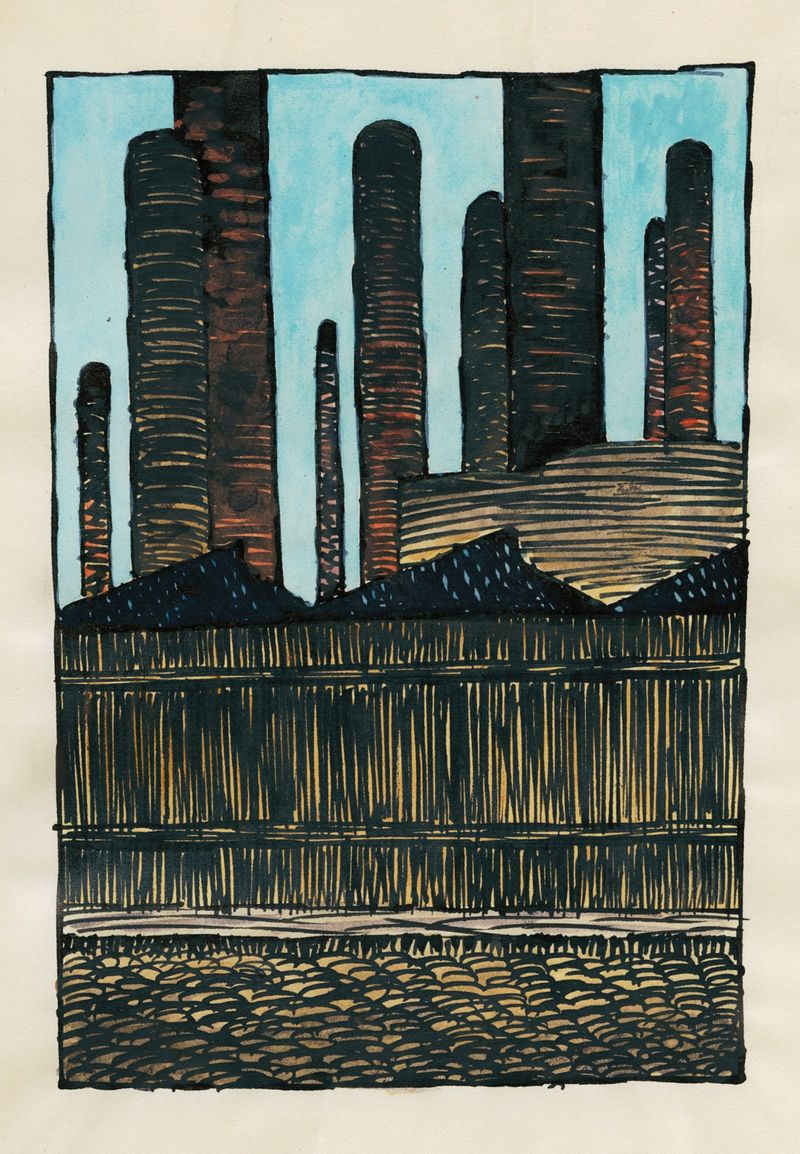
Kopfstudie, aus; ‘Profile’, 10 Blätter, Graz XIV
Karl Wiener

Ohne Titel (Bauernhaus mit Vorgarten)
Karl Wiener
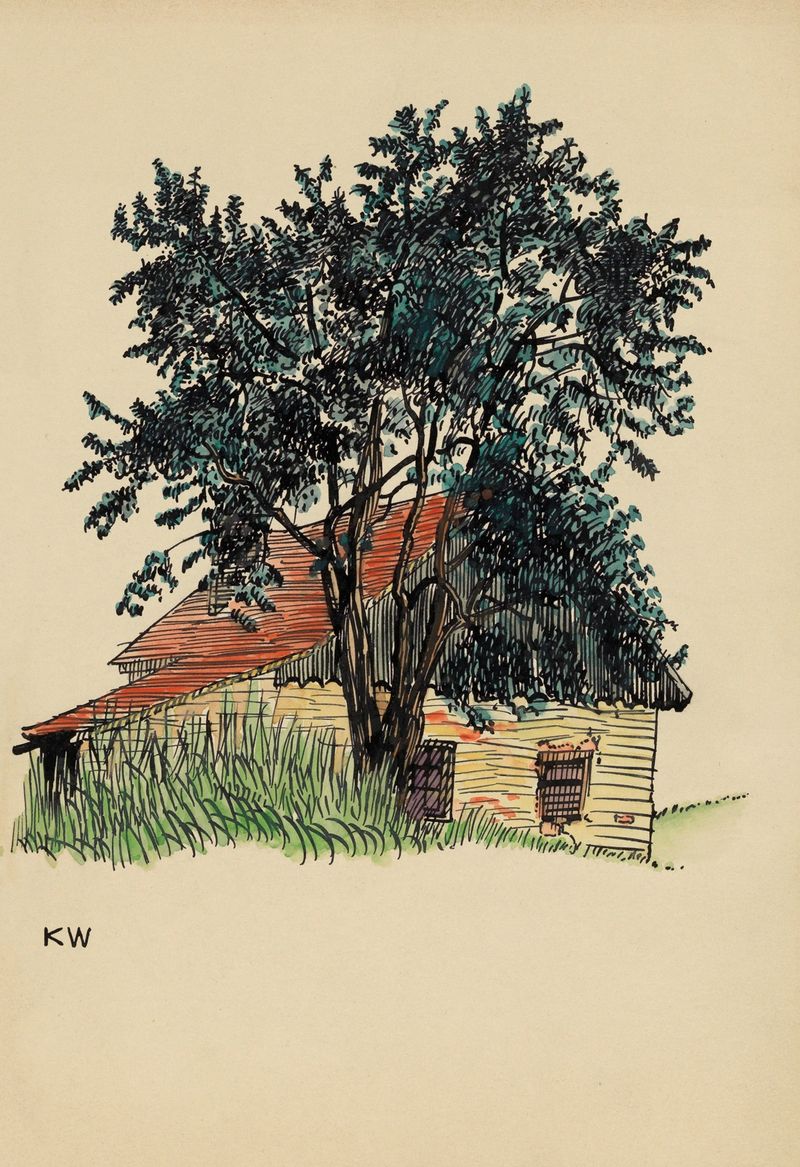
Ohne Titel (Bauernhaus)
Karl Wiener
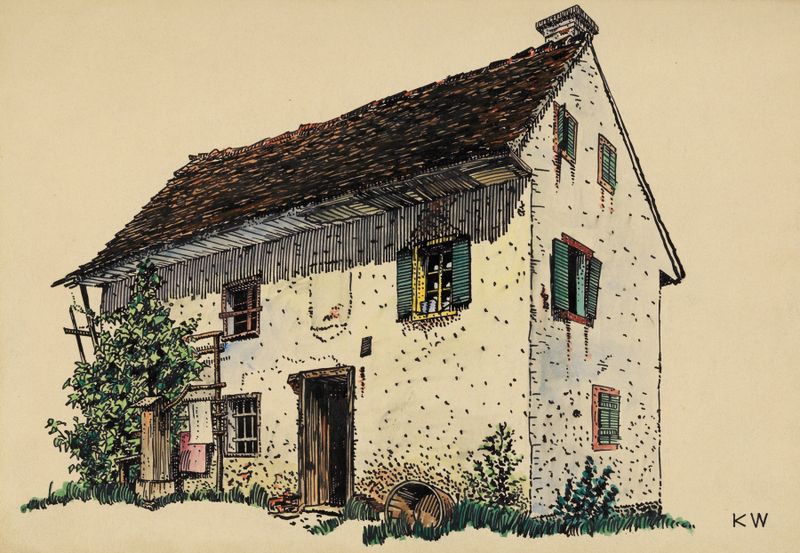
Ohne Titel (Bauernhaus)
Karl Wiener