
Ascent To The Cascade Of Terni — History & Facts
Who listens when art speaks of silence? The stillness within Ascent To The Cascade Of Terni unveils a narrative that transcends mere observation and beckons introspection on the passage of time. Look closely at the shimmering waters that flow down the canvas, rich with hues of blue and green. The light dances on the surface, illuminating the cascading falls, while the rugged cliffs frame the scene with a sense of permanence. Notice how the soft brushstrokes merge the elements of nature into a harmonious composition, guiding your gaze from the vibrant foreground to the serene depths beyond.
The use of light and shadow creates a mesmerizing interplay that evokes a feeling of both tranquility and the relentless rush of time. Beneath the surface lies an emotional tension that speaks to the relationship between humanity and nature. The figures, small and almost insignificant against the grandeur of the waterfall, suggest our fleeting existence amidst the timeless beauty of the landscape. There’s a contrast between the stability of the rocks and the ephemeral flow of water, hinting at the inevitable changes brought forth by time.
The painting captures a moment that feels both eternal and transient, inviting viewers to reflect on their own journeys. During the early 19th century, Ascent To The Cascade Of Terni emerged from Turner's workshop in London, a time when he was exploring the ethereal qualities of light and atmosphere. The artist was influenced by the Romantic movement, which emphasized emotion and the sublime in nature. This was a period of personal growth for Turner as he sought to elevate landscape painting to new heights, experimenting with techniques that would ultimately define his legacy.
More Artworks by Joseph Mallord William Turner
Browse all →
Dort or Dordrecht- The Dort Packet-Boat from Rotterdam Becalmed
Joseph Mallord William Turner
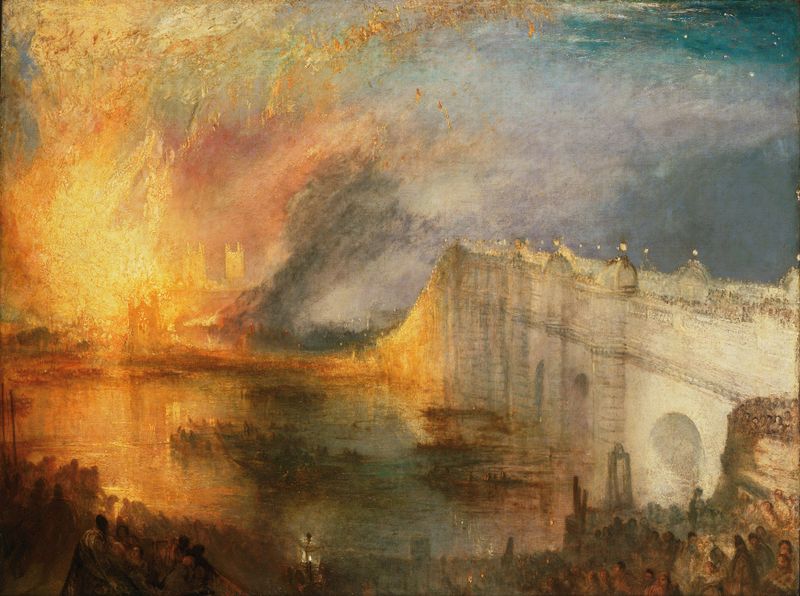
The Burning of the Houses of Lords and Commons, October 16, 1834
Joseph Mallord William Turner
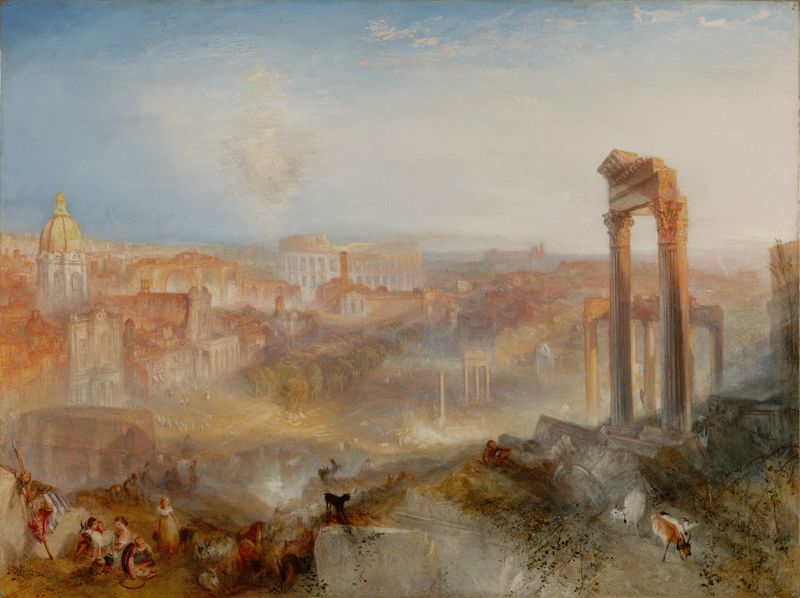
Modern Rome – Campo Vaccino
Joseph Mallord William Turner
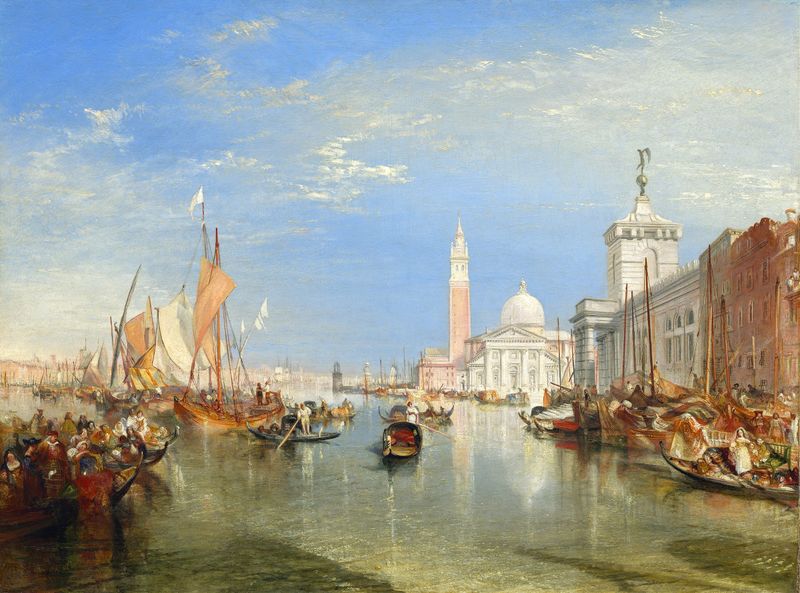
Venice – The Dogana and San Giorgio Maggiore
Joseph Mallord William Turner

The Burning of the Houses of Lords and Commons, 16 October 1834
Joseph Mallord William Turner
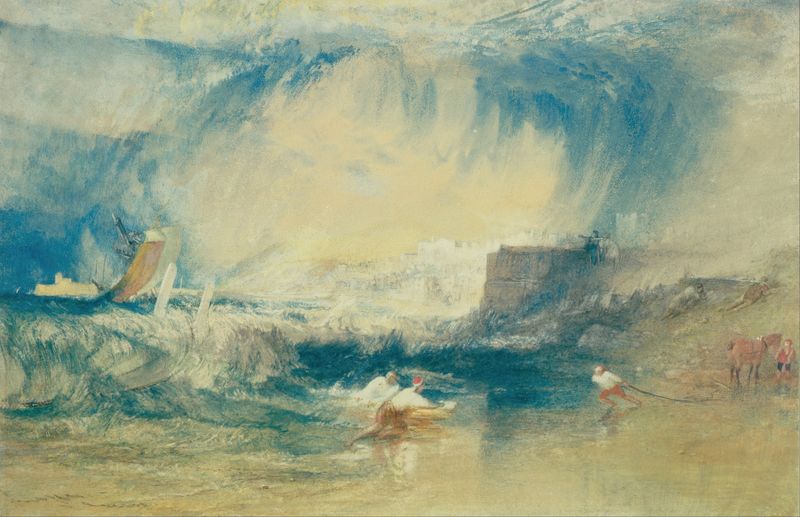
Lyme Regis, Dorsetshire, England
Joseph Mallord William Turner
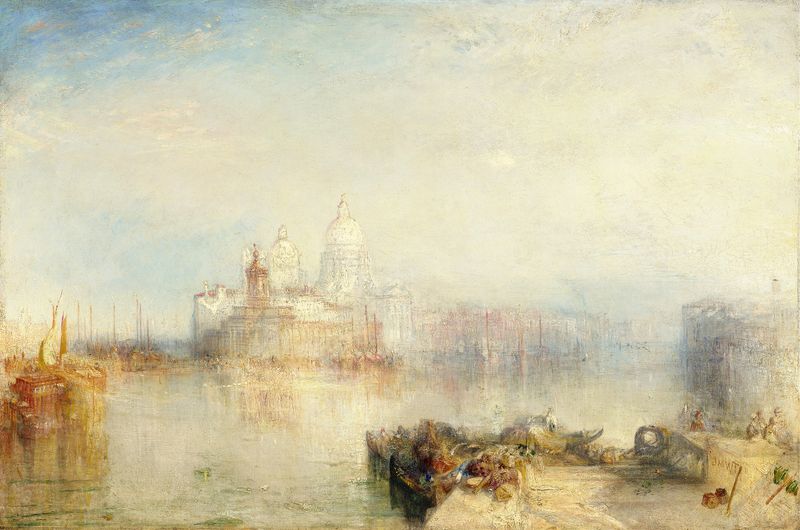
The Dogana and Santa Maria della Salute, Venice
Joseph Mallord William Turner
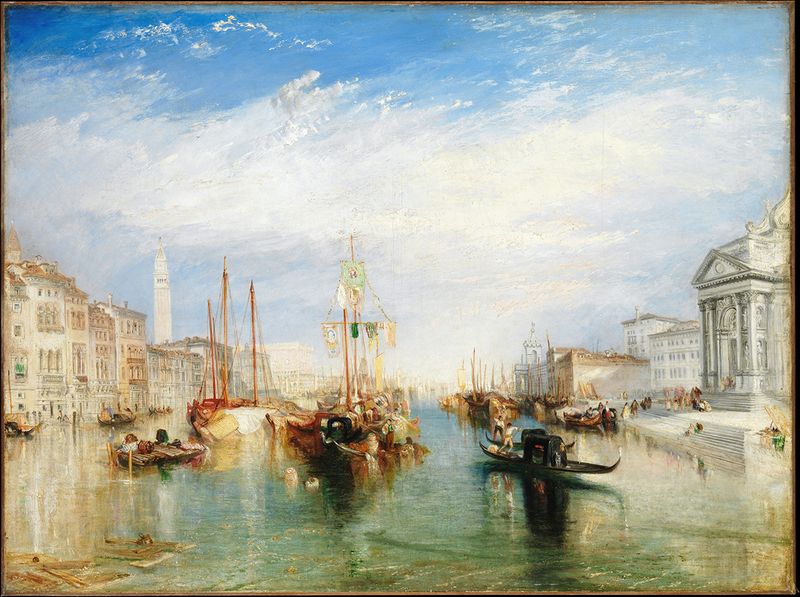
Venice, from the Porch of Madonna della Salute
Joseph Mallord William Turner
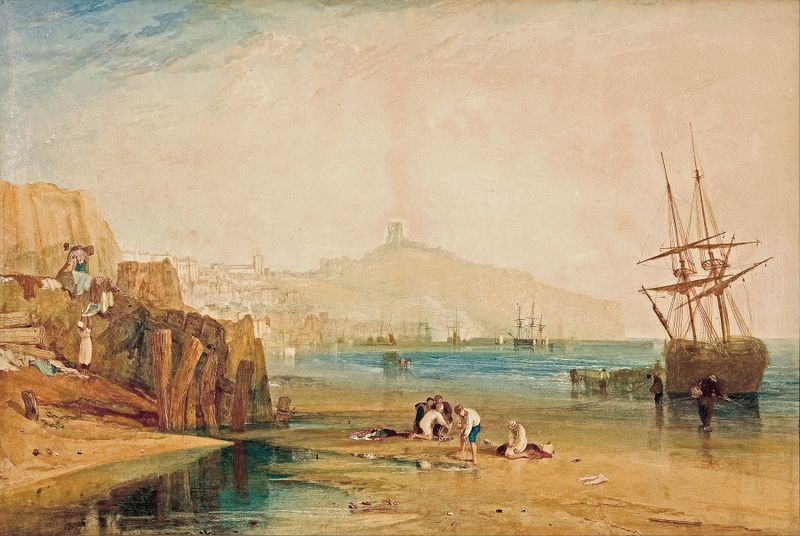
Scarborough town and castle; morning; boys catching crabs
Joseph Mallord William Turner
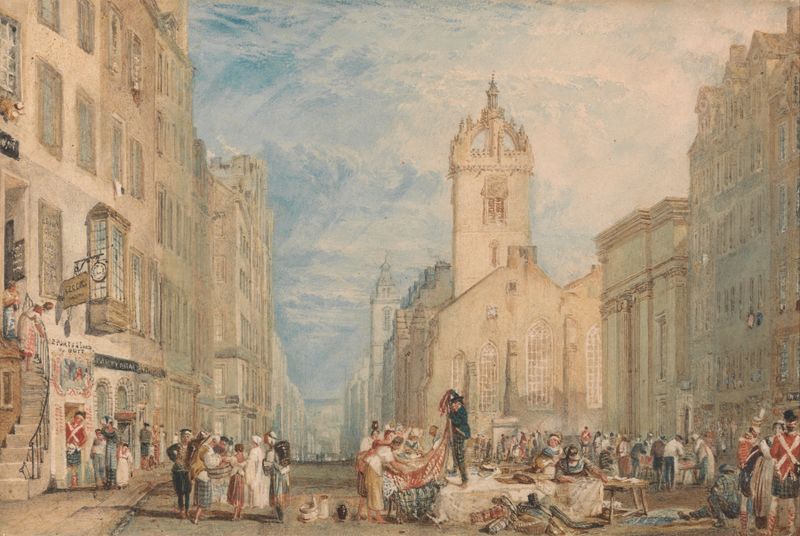
High Street, Edinburgh
Joseph Mallord William Turner





