
Aspa Bruk — History & Facts
What secret hides in the quiet of the canvas? In the serene landscape, the stillness speaks volumes, inviting viewers to explore their own beliefs and connections to nature. Look to the center of the painting, where a tranquil lake reflects the muted colors of twilight. Notice how the gentle brushstrokes create a harmonious blend of soft blues and warm earth tones, instilling a sense of peace. The distant hills frame the scene, their subtle undulations guiding the eye toward the horizon, where the fading light meets the sky.
The subtle interplay of light and shadow accentuates the natural beauty, inviting contemplation and deeper reflection. Amidst the calm, a delicate tension emerges. The juxtaposition between the serenity of the landscape and the looming darkness of the encroaching night prompts an exploration of faith and uncertainty. The absence of human figures amplifies the feeling of isolation, as if nature itself holds the secrets of the universe.
A solitary tree stands resolute at the water's edge, symbolizing steadfastness amid change—a poignant reminder of resilience in the face of life’s ephemeral beauty. In the 1790s, Elias Martin created Aspa Bruk during a period marked by the Romantic movement, which sought to capture the sublime in nature. Living in Sweden, Martin was influenced by the growing interest in landscapes as reflections of human emotion and spiritual experiences. This painting embodies that ethos, showcasing the artist's ability to blend realism with a profound sense of the transcendent, inviting viewers into a contemplative dialogue with the natural world.
More Artworks by Elias Martin
Browse all →
View of Stockholm II
Elias Martin
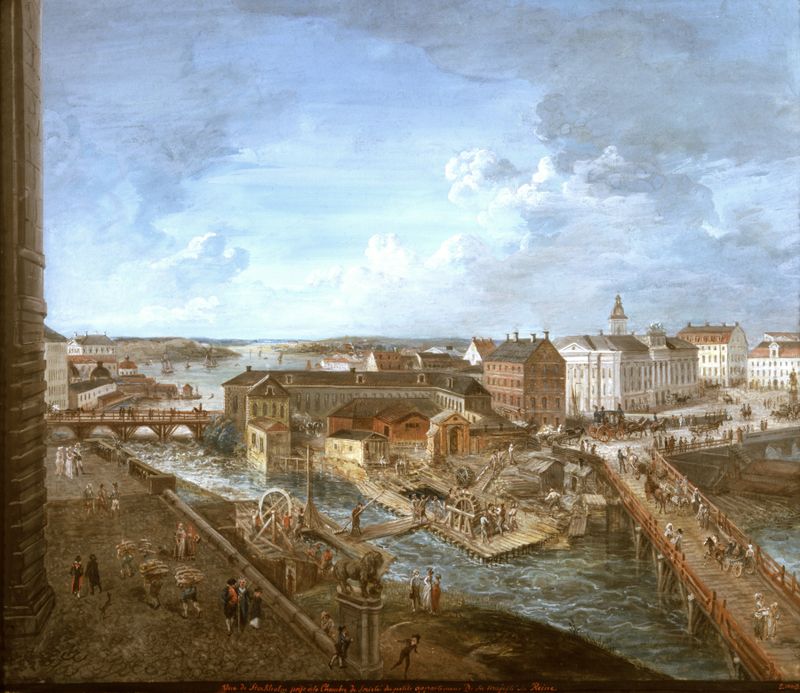
View of Stockholm from the Royal Castle.
Elias Martin

Pope House at Twickenham
Elias Martin
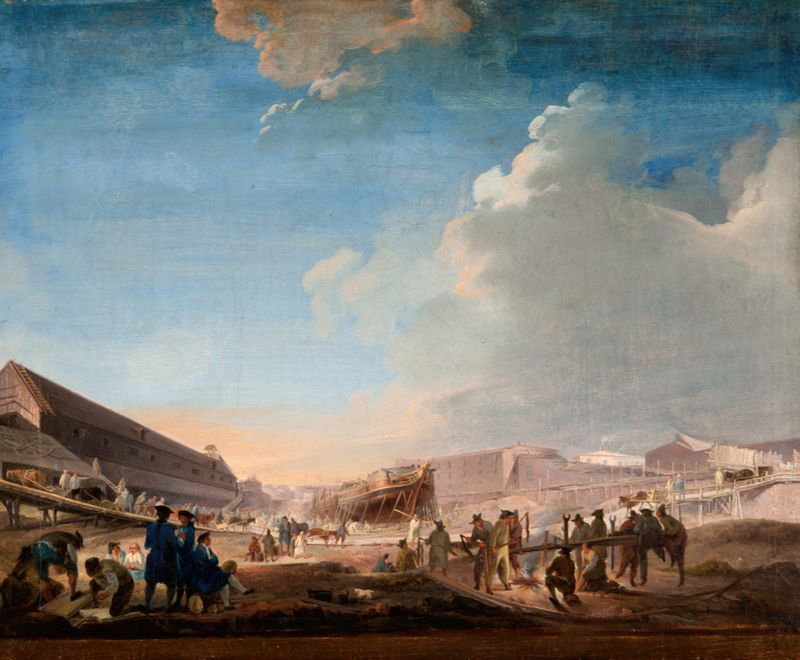
The Galley Dock at Sveaborg under Construction, viewed from west
Elias Martin

View of Stockholm I
Elias Martin
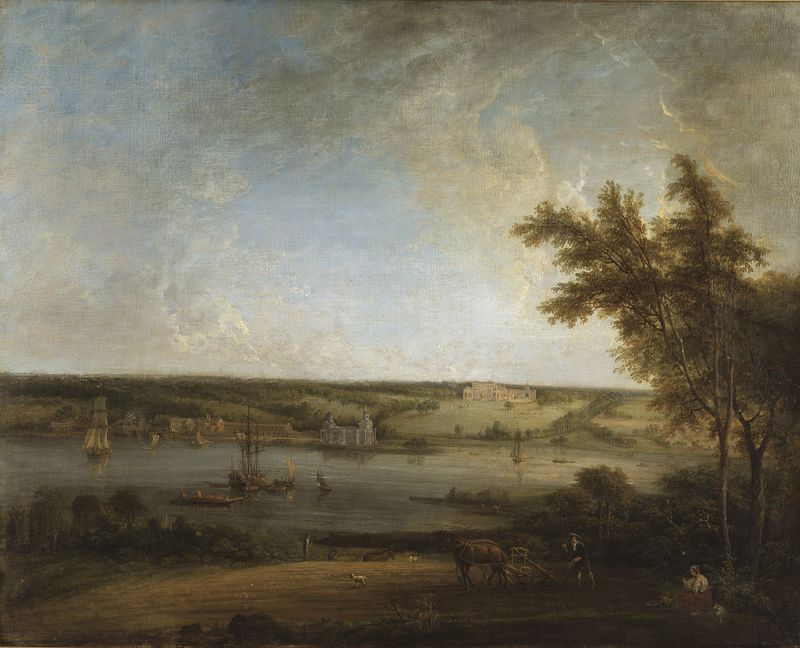
English Landscape from Mistley Hall, Essex
Elias Martin

View of Stockholm V
Elias Martin
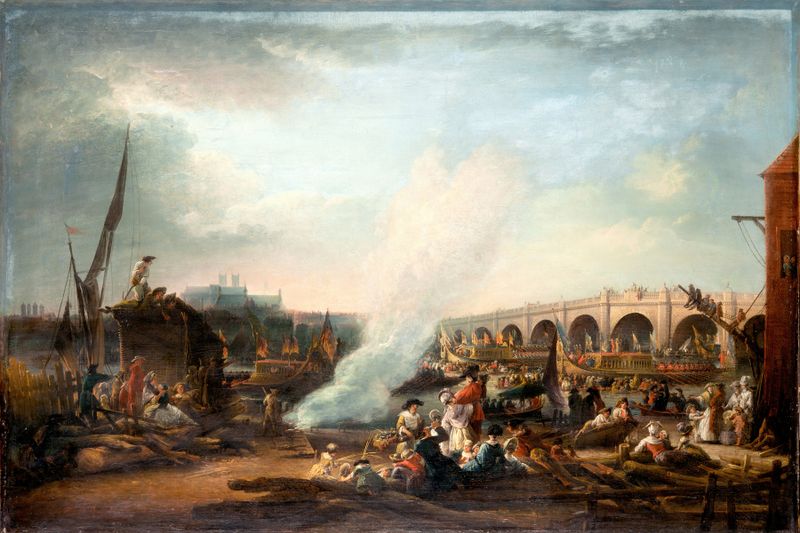
Westminster Bridge and the Thames Procession of King Christian VII of Denmark in 1769
Elias Martin

View of Uppsala cathedral from the North
Elias Martin

Landskap med herde
Elias Martin





