
Assouân (1re Cataracte), Assouân (1st Cataract) — History & Facts
When did color learn to lie? The vibrant hues of Assouân (1re Cataracte) invite scrutiny, blurring the lines between reality and illusion, beckoning the viewer to question the truth concealed within its beauty. Look to the foreground, where the shimmering blues of the Nile contrast sharply with the ochres of the rocky landscape, drawing your eye into a serene yet complex tableau. Notice how the light dances across the surface of the water, illuminating the delicate ripples that suggest both calmness and hidden depths. The artist’s brushwork captures not just the physical landscape but also a sense of the sublime, creating a moment that is at once tranquil and charged with unspoken emotions. In the depth of this captivating scene lies a tension between the idyllic representation of nature and the undercurrents of betrayal it suggests.
The placid water hints at secrets beneath its surface, while the bold palette evokes a sense of vibrant life alongside the stillness. This contrast between color and sentiment reflects broader themes of deception in beauty, as the viewer grapples with what is real and what is merely an illusion. Prosper Barbot painted Assouân (1re Cataracte) in 1851 during a period of significant change in both his own life and the art world. Having spent years in Egypt, he was deeply influenced by the landscape and culture, capturing not just the physicality of the environment but also the complexities of colonial interactions.
The painting emerged amid an era of burgeoning interest in Orientalism, where European artists sought to depict exotic locales through their own, often biased, lenses.
More Artworks by Prosper Barbot
Browse all →
Tombeaux des Sultans (Dits des Khalifes), Tumbs of the Sultans
Prosper Barbot
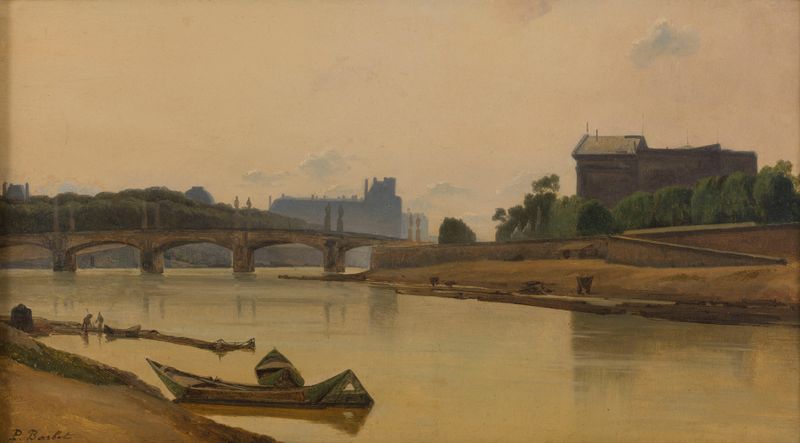
Le pont de la Concorde vu du quai de la Conférence
Prosper Barbot
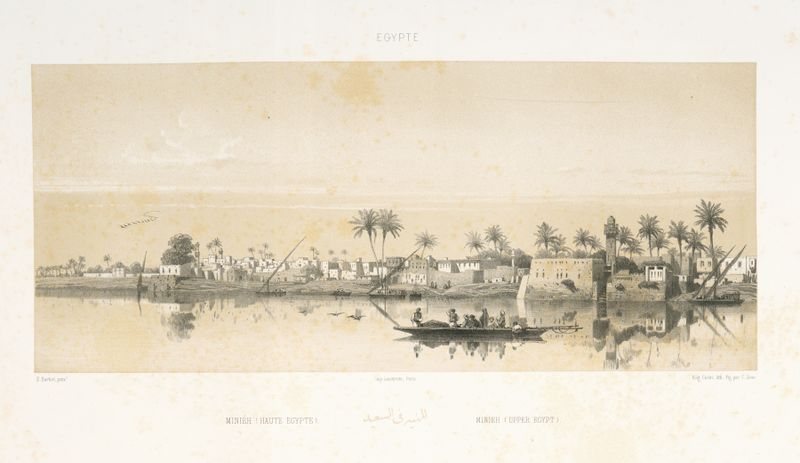
Miniéh (Haute Egypte), Minieh (Upper Egypt)
Prosper Barbot
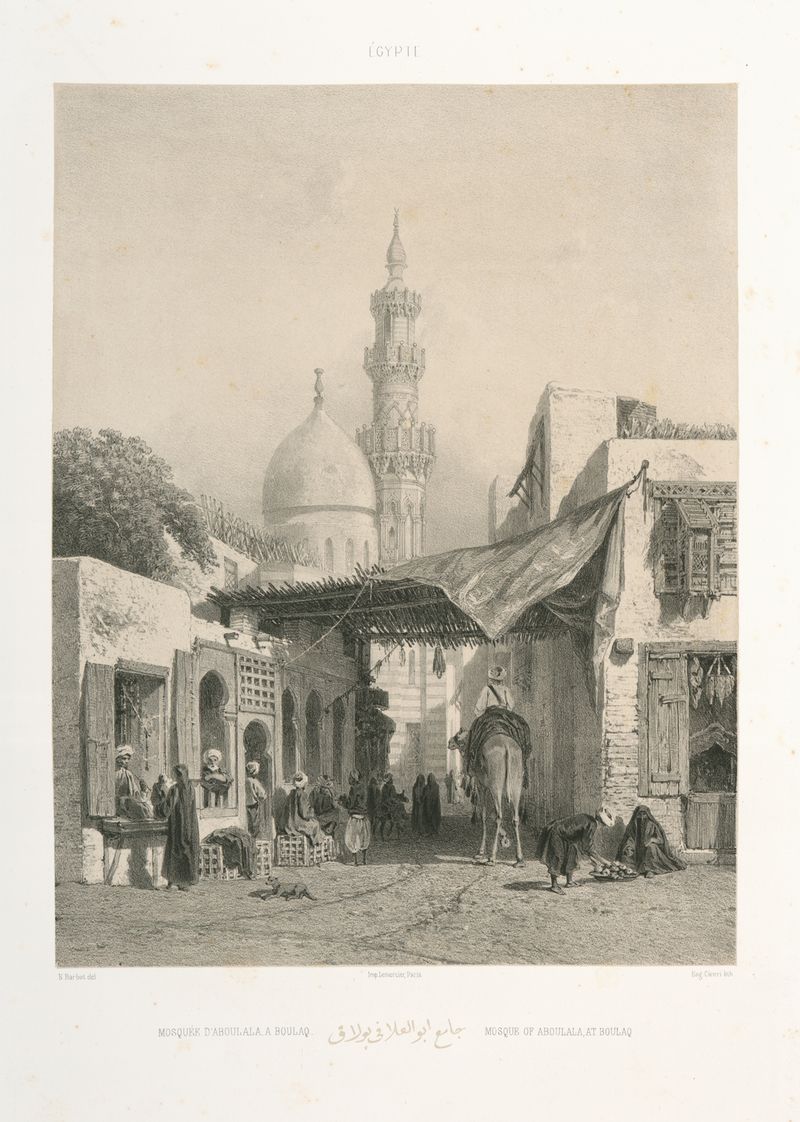
Mosquée D’aboulala A Boulaq, Mosque of Aboulala at Boulaq
Prosper Barbot

Mosquée D’Ibrahim-Aga (rue de la Citadelle), Mosque of Ibrahim-Aga (Citadel Street)
Prosper Barbot
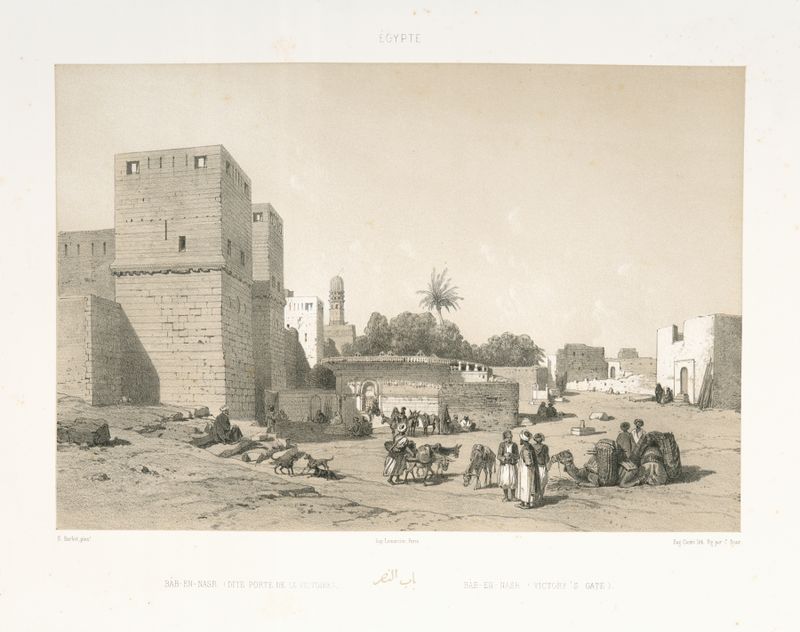
Bâb-En-Nasr (Dite Porte De La Victoire), Bâb-En-Nasr (Victory’s Gate)
Prosper Barbot
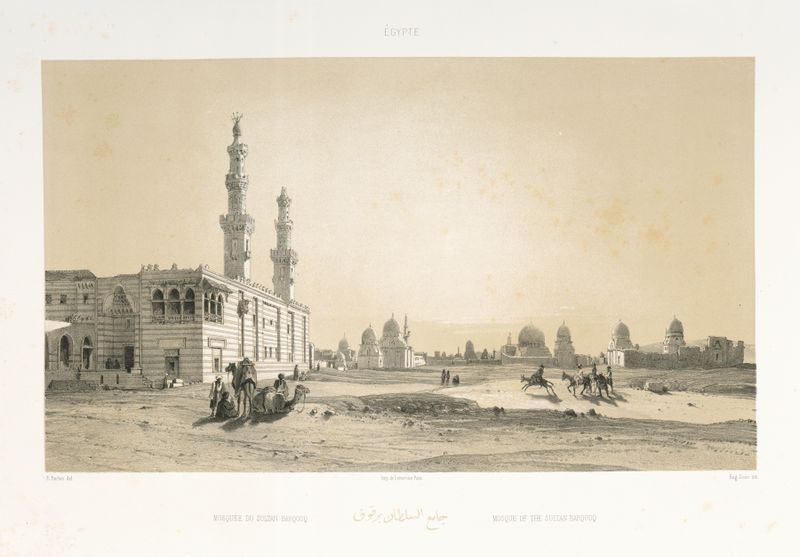
Mosquée du Sultan Barqouq, Mosque of the Sultan Barqouq
Prosper Barbot

Quatier de la Mosquée de Touloun, Mosque of Touloun
Prosper Barbot

Rue de la Citadelle, Citadel Street
Prosper Barbot
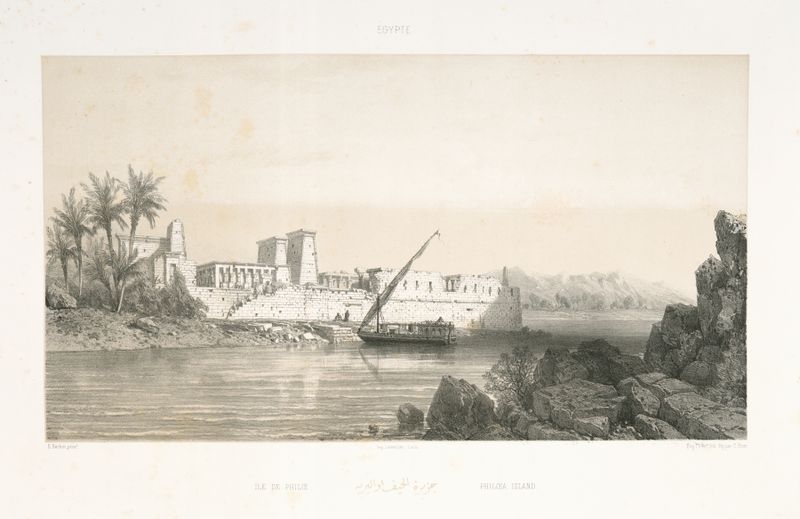
Ile de Philœ, Philœa Island
Prosper Barbot





