
Tombeaux des Sultans (Dits des Khalifes), Tumbs of the Sultans — History & Facts
In the quiet echoes of history, each brushstroke serves as a testament to rebirth and remembrance. Prosper Barbot invites us to engage with the past, to unearth stories hidden beneath layers of time. Focus first on the intricate details of the tombs, carved with meticulous precision. The soft, muted tones create an atmosphere that feels both reverent and solemn.
Notice how the light dances across the surface, casting delicate shadows that hint at the lives once lived. The composition draws your gaze upward, suggesting a connection between the earthly and the divine, as the tombs stand not just as final resting places, but as monuments of legacy and hope. Within this stillness lies a profound tension between life and death, heritage and modernity. The ornate designs contrast with the starkness of the surrounding landscape, symbolizing the fragility of existence amidst the march of time.
Each detail, from the floral motifs to the inscriptions, tells a story of cultural significance, inviting us to reflect on the cyclical nature of life and the enduring spirit of those who have come before us. In 1851, Barbot created this work during a period of artistic exploration and revival in Europe, where historical themes began to resurface in response to the rapid changes of the Industrial Revolution. Living in a time when the past was being reinterpreted through a modern lens, he sought to honor the sultans whose legacies had shaped civilizations, bridging the gap between nostalgia and contemporary experience.
More Artworks by Prosper Barbot
Browse all →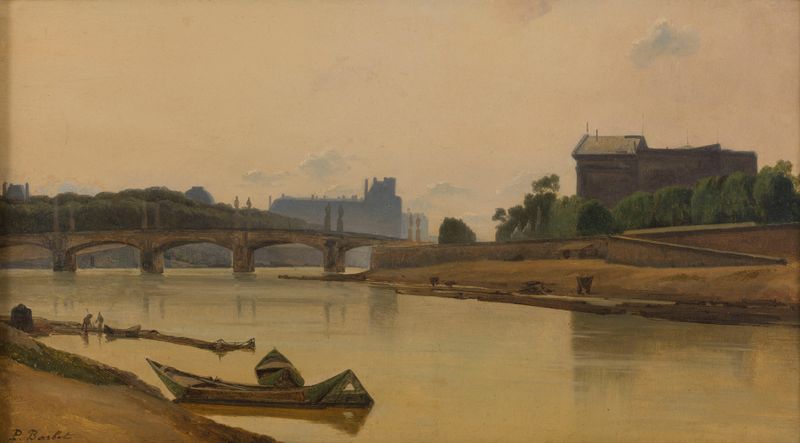
Le pont de la Concorde vu du quai de la Conférence
Prosper Barbot
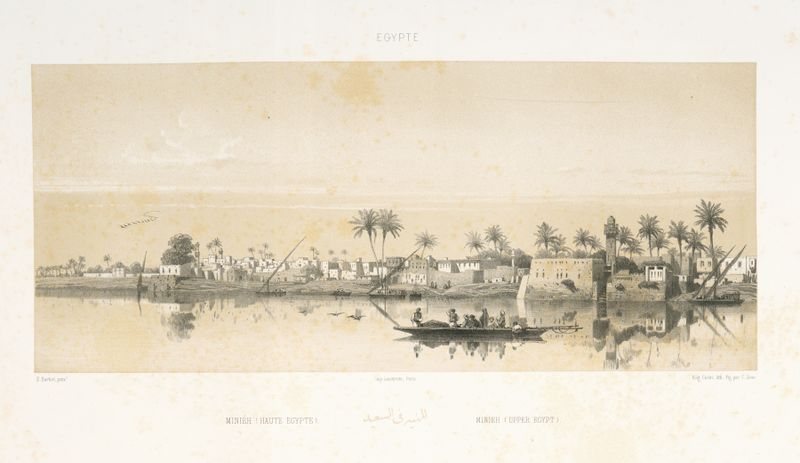
Miniéh (Haute Egypte), Minieh (Upper Egypt)
Prosper Barbot
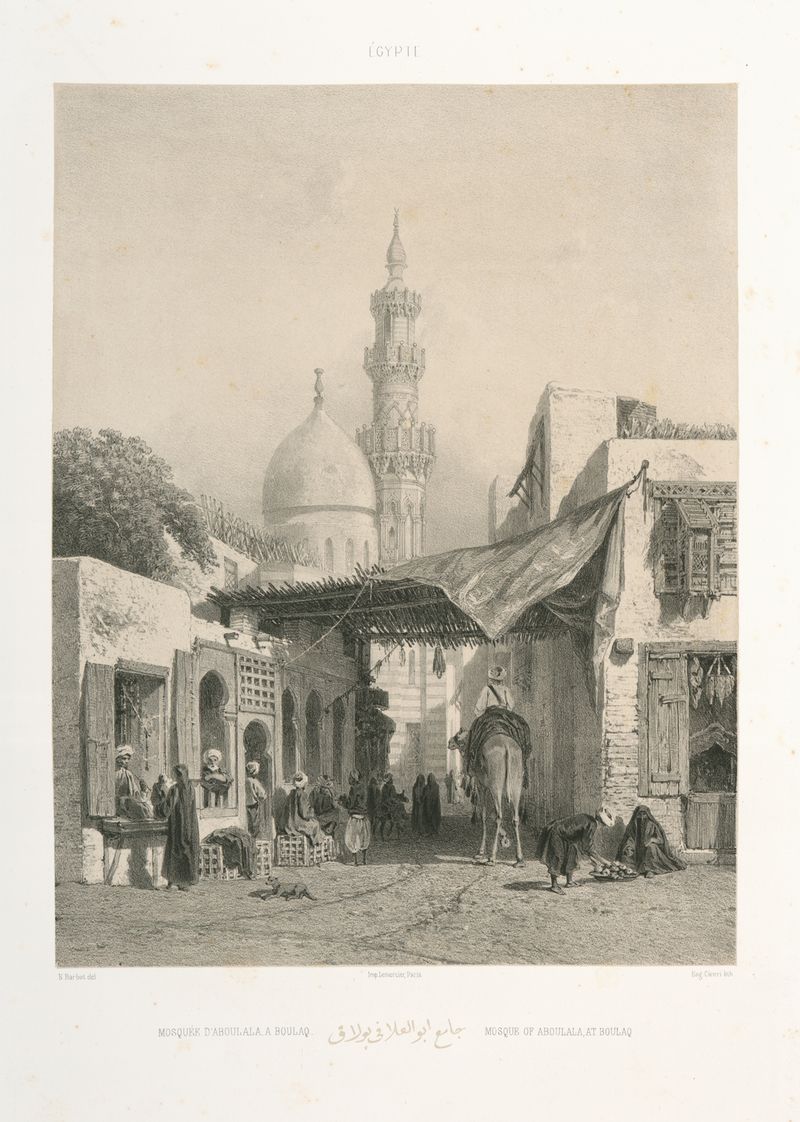
Mosquée D’aboulala A Boulaq, Mosque of Aboulala at Boulaq
Prosper Barbot

Mosquée D’Ibrahim-Aga (rue de la Citadelle), Mosque of Ibrahim-Aga (Citadel Street)
Prosper Barbot
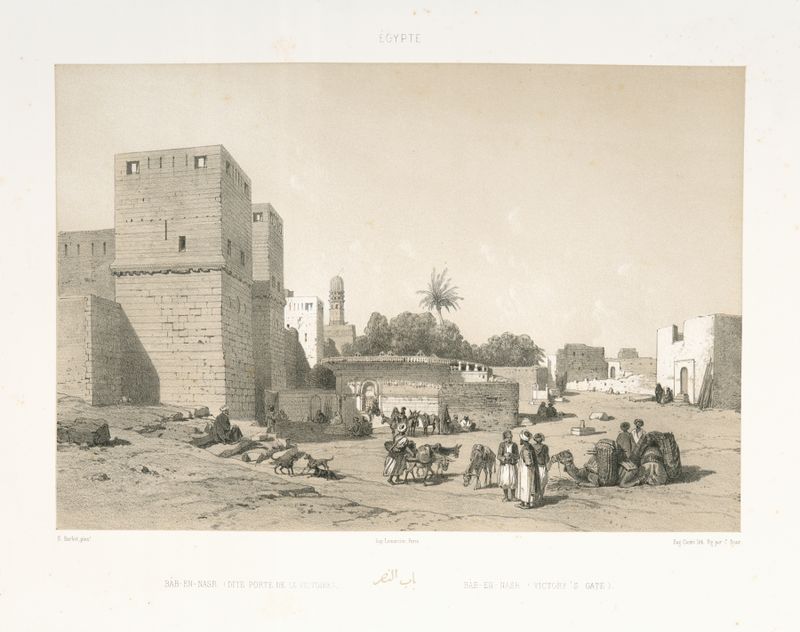
Bâb-En-Nasr (Dite Porte De La Victoire), Bâb-En-Nasr (Victory’s Gate)
Prosper Barbot
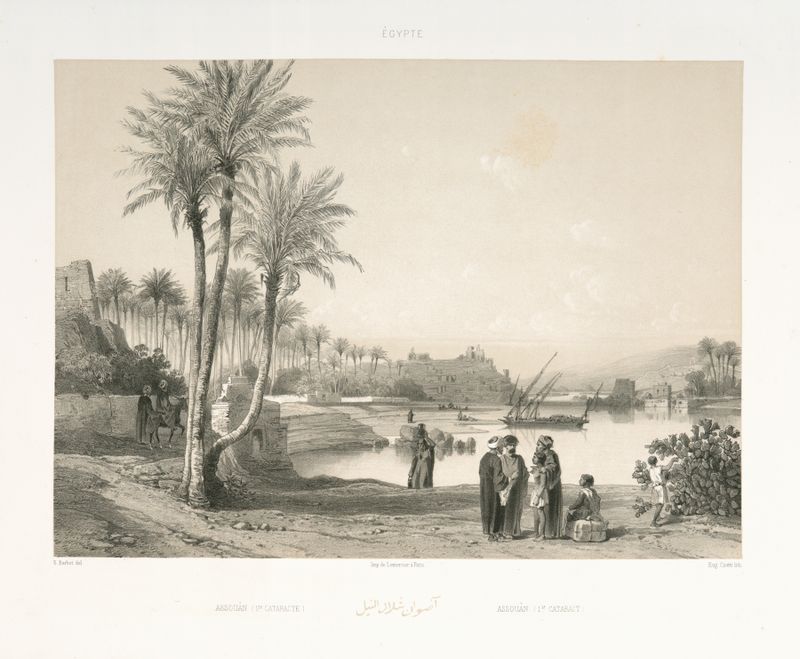
Assouân (1re Cataracte), Assouân (1st Cataract)
Prosper Barbot
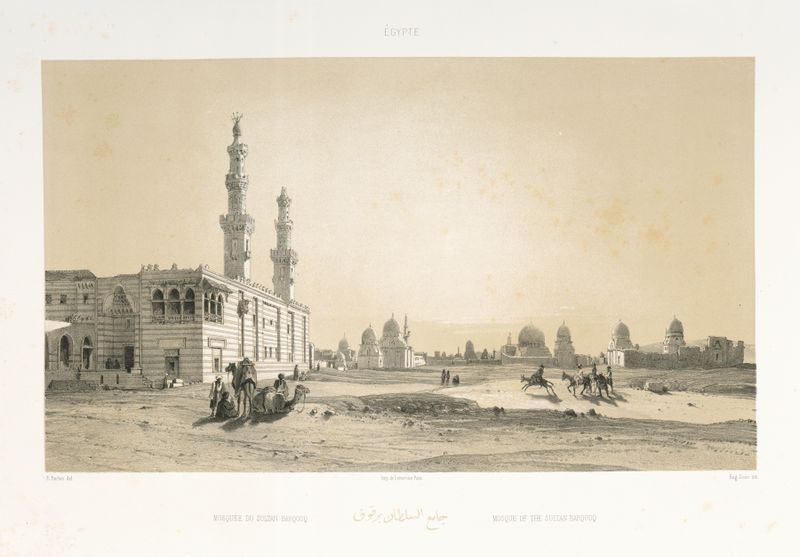
Mosquée du Sultan Barqouq, Mosque of the Sultan Barqouq
Prosper Barbot

Quatier de la Mosquée de Touloun, Mosque of Touloun
Prosper Barbot

Rue de la Citadelle, Citadel Street
Prosper Barbot
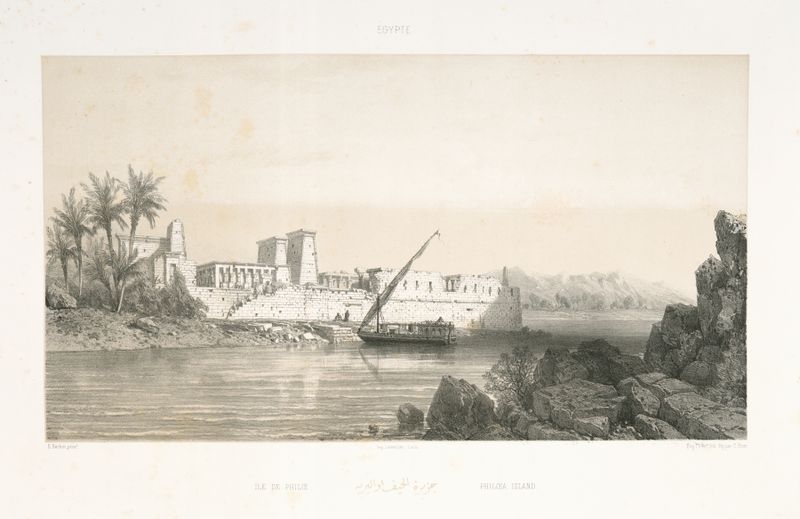
Ile de Philœ, Philœa Island
Prosper Barbot
More Architecture Art
Browse all →
The statue of Liberty
Frédéric Auguste Bartholdi

View of Houses in Delft, Known as ‘The Little Street’
Johannes Vermeer

View of Houses in Delft, Known as ‘The Little Street’
Johannes Vermeer

The Cathedral in Rouen. The portal, Grey Weather
Claude Monet

The yellow house
Vincent van Gogh

The Church in Auvers-sur-Oise, View from the Chevet
Vincent van Gogh