
Bâb-En-Nasr (Dite Porte De La Victoire), Bâb-En-Nasr (Victory’s Gate) — History & Facts
Beneath the weight of history, faith emerges as both a compass and a sanctuary. In a world of shifting paradigms, what keeps one grounded amidst uncertainty? Look to the center, where Bâb-En-Nasr stands proud, its majestic arch beckoning with the promise of victory. The warm hues of ochre and terra cotta interplay with the cool shadows that caress the structure, creating a sense of depth and resonance.
Notice how the artist's delicate brushwork brings life to the intricate details of the gate, while the surrounding landscape flows like an inviting embrace, inviting viewers to step forward into the narrative. Within this composition lies a deeper dialogue. The gate symbolizes not just a physical entrance but an invitation to transcendence, a bridge between the known and the unknown. The contrast between light and darkness serves as a metaphor for the trials faced in pursuit of faith and achievement; the light around the gate signifies hope, while the shadows hint at the struggles that often accompany it.
Each element of the painting echoes the duality of human experience, offering room for contemplation. Prosper Barbot painted this work in 1851, a period marked by social and artistic upheaval in France. As he captured this scene, Barbot was navigating the complex interplay of Romanticism and emerging Realism, drawing inspiration from his travels and the rich history of his surroundings. The era was one of redefinition, where faith in art and culture was simultaneously challenged and reclaimed, reflecting the wider narratives of a changing world.
More Artworks by Prosper Barbot
Browse all →
Tombeaux des Sultans (Dits des Khalifes), Tumbs of the Sultans
Prosper Barbot
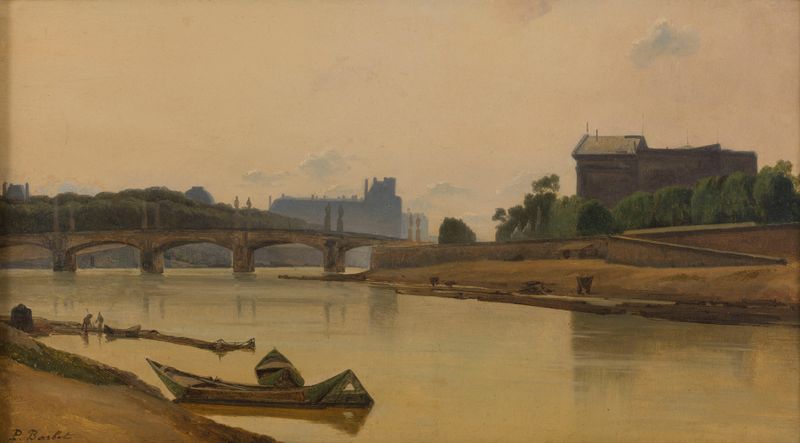
Le pont de la Concorde vu du quai de la Conférence
Prosper Barbot
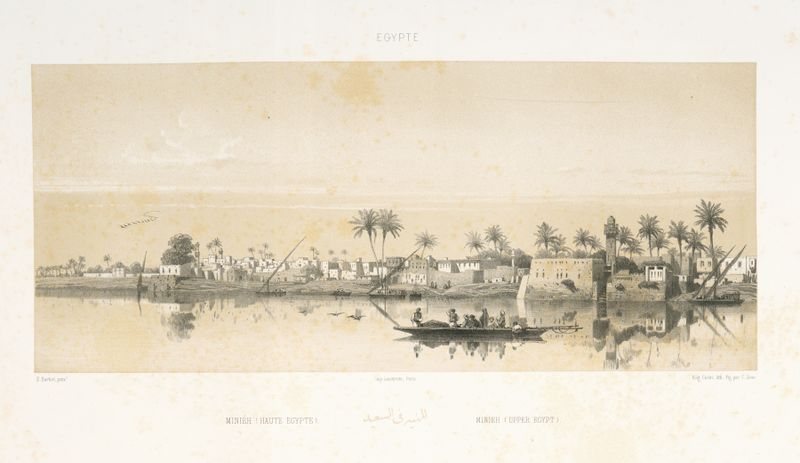
Miniéh (Haute Egypte), Minieh (Upper Egypt)
Prosper Barbot
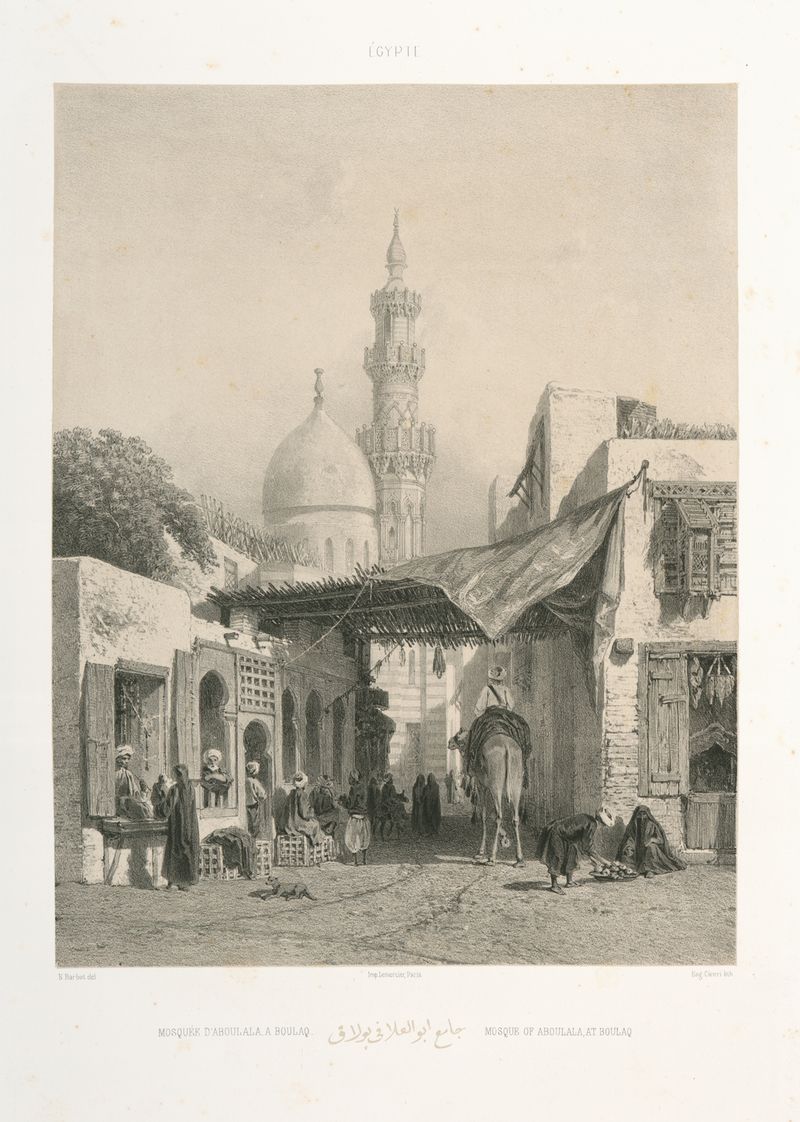
Mosquée D’aboulala A Boulaq, Mosque of Aboulala at Boulaq
Prosper Barbot

Mosquée D’Ibrahim-Aga (rue de la Citadelle), Mosque of Ibrahim-Aga (Citadel Street)
Prosper Barbot
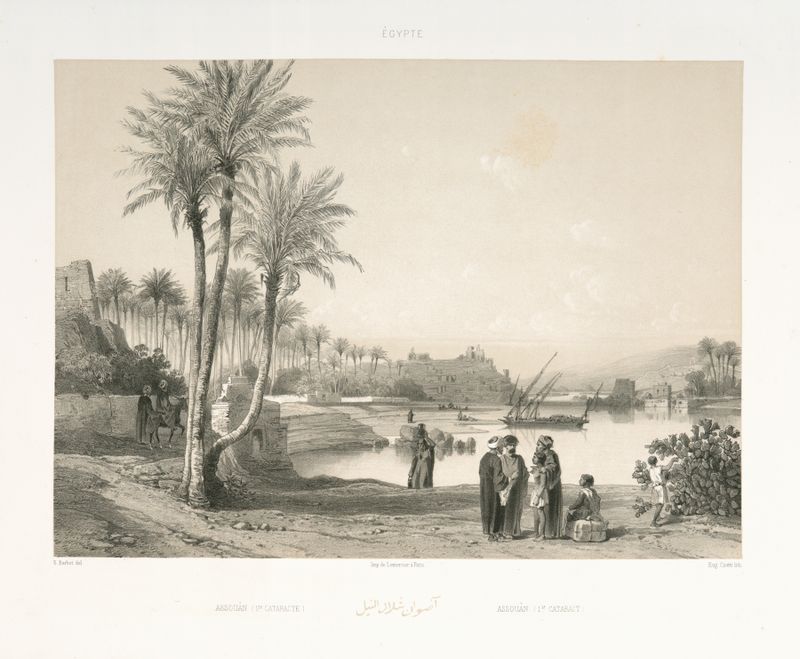
Assouân (1re Cataracte), Assouân (1st Cataract)
Prosper Barbot
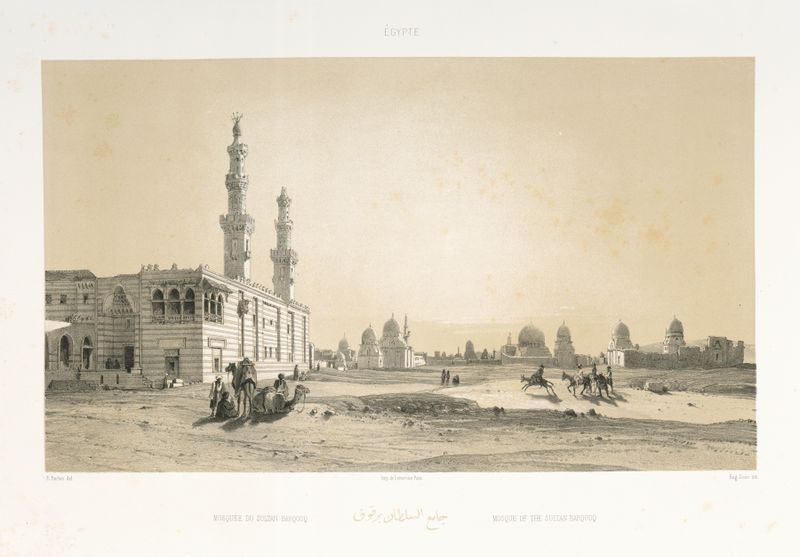
Mosquée du Sultan Barqouq, Mosque of the Sultan Barqouq
Prosper Barbot

Quatier de la Mosquée de Touloun, Mosque of Touloun
Prosper Barbot

Rue de la Citadelle, Citadel Street
Prosper Barbot
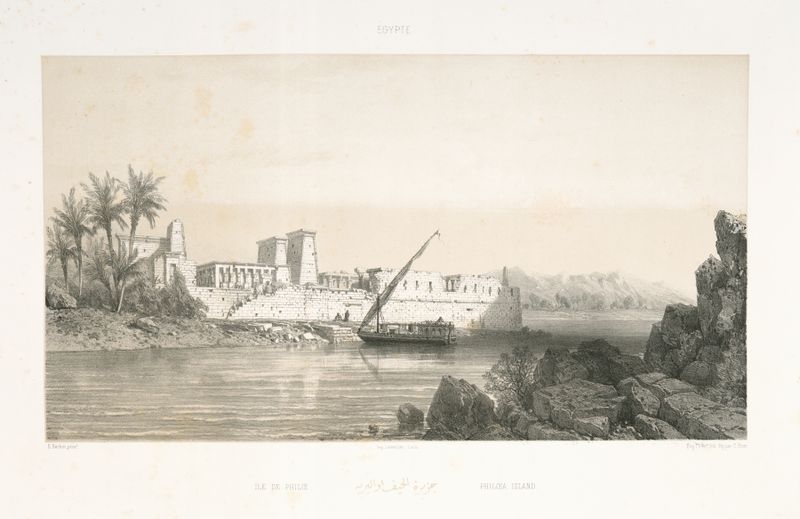
Ile de Philœ, Philœa Island
Prosper Barbot
More Architecture Art
Browse all →
The statue of Liberty
Frédéric Auguste Bartholdi

View of Houses in Delft, Known as ‘The Little Street’
Johannes Vermeer

View of Houses in Delft, Known as ‘The Little Street’
Johannes Vermeer

The Cathedral in Rouen. The portal, Grey Weather
Claude Monet

The yellow house
Vincent van Gogh

The Church in Auvers-sur-Oise, View from the Chevet
Vincent van Gogh