
Miniéh (Haute Egypte), Minieh (Upper Egypt) — History & Facts
Where does light end, and longing begin? In the delicate interplay of color and form, we find a tender reflection of the heart's deepest desires. Look to the left at the sun-washed sands, where soft ochres blend seamlessly with hints of azure sky. The horizon stretches infinitely, inviting the viewer to wander into the scene. The brushwork is loose yet intentional, capturing the essence of a distant land with a sense of longing that transcends mere representation.
Notice how the light bathes the landscape, creating shadows that dance across the terrain, suggesting life and movement within stillness. The emotional tension within the painting lies in its juxtaposition of vastness and intimacy. While the expansive sky creates a sense of freedom, the solitary figure near the water’s edge evokes a profound yearning for connection. The river, a vibrant ribbon cutting through the beige canvas, symbolizes both the passage of time and the fluidity of desire, while the native flora hints at life’s tenacity amidst the barrenness of the desert.
Each element interacts harmoniously, crafting a narrative of solitude and hope. In 1851, Prosper Barbot created this work during a period when European artists were increasingly fascinated by foreign landscapes and cultures. Living in France, he was influenced by the burgeoning interest in Orientalism, which romanticized the East and its mysteries. Amidst this backdrop, Barbot sought to capture the ethereal beauty of Upper Egypt, reflecting both a personal journey and the broader artistic movements that defined his time.
More Artworks by Prosper Barbot
Browse all →
Tombeaux des Sultans (Dits des Khalifes), Tumbs of the Sultans
Prosper Barbot
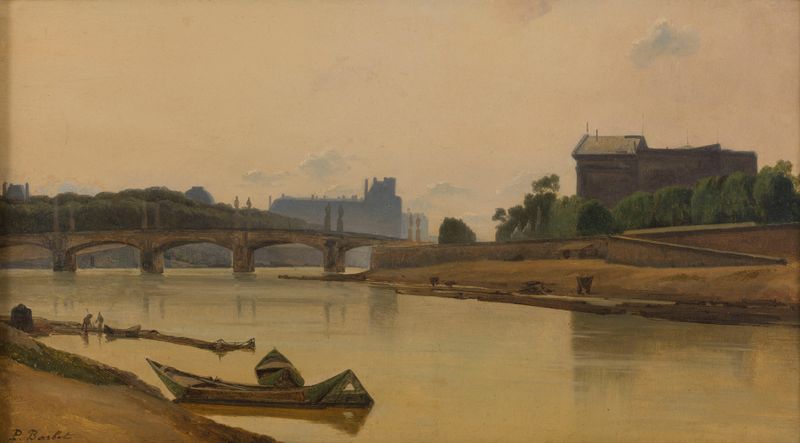
Le pont de la Concorde vu du quai de la Conférence
Prosper Barbot
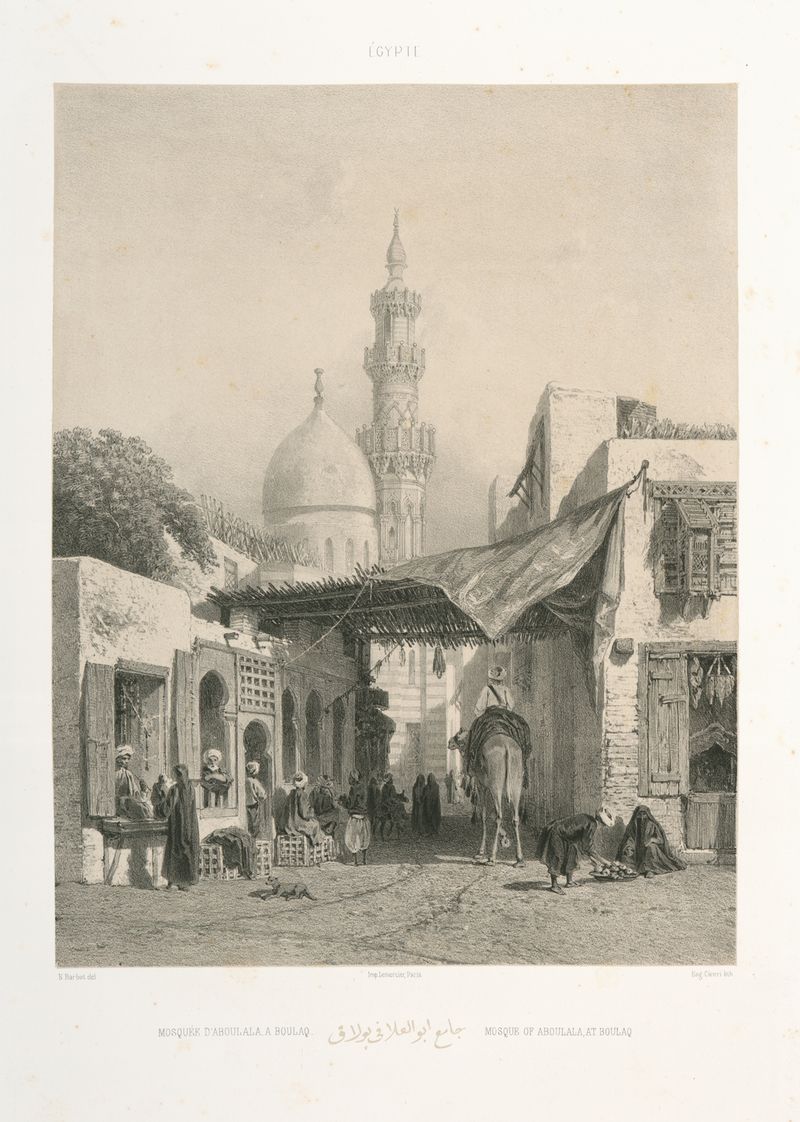
Mosquée D’aboulala A Boulaq, Mosque of Aboulala at Boulaq
Prosper Barbot

Mosquée D’Ibrahim-Aga (rue de la Citadelle), Mosque of Ibrahim-Aga (Citadel Street)
Prosper Barbot
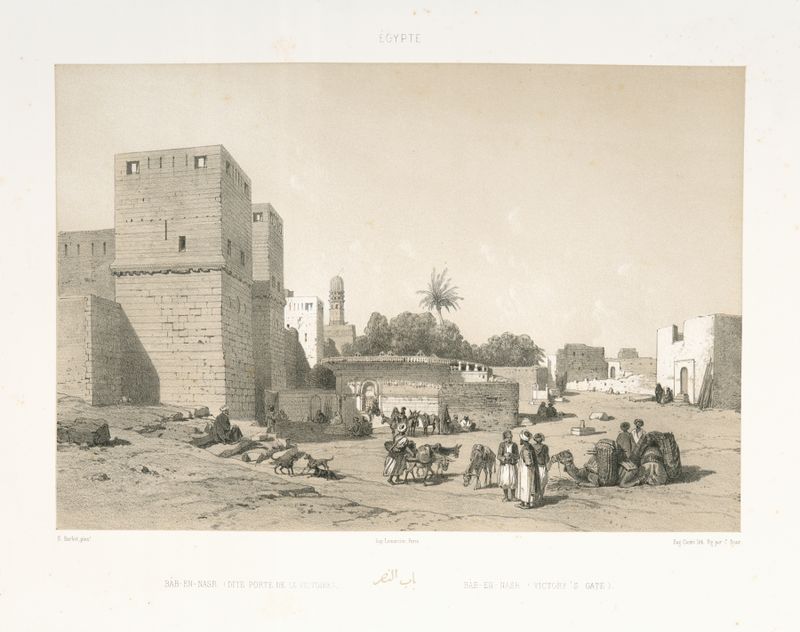
Bâb-En-Nasr (Dite Porte De La Victoire), Bâb-En-Nasr (Victory’s Gate)
Prosper Barbot
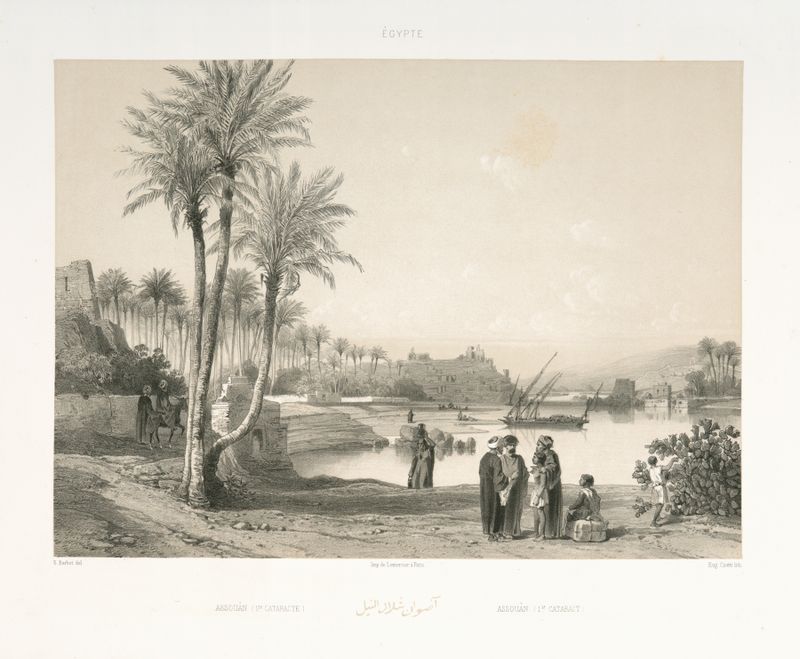
Assouân (1re Cataracte), Assouân (1st Cataract)
Prosper Barbot
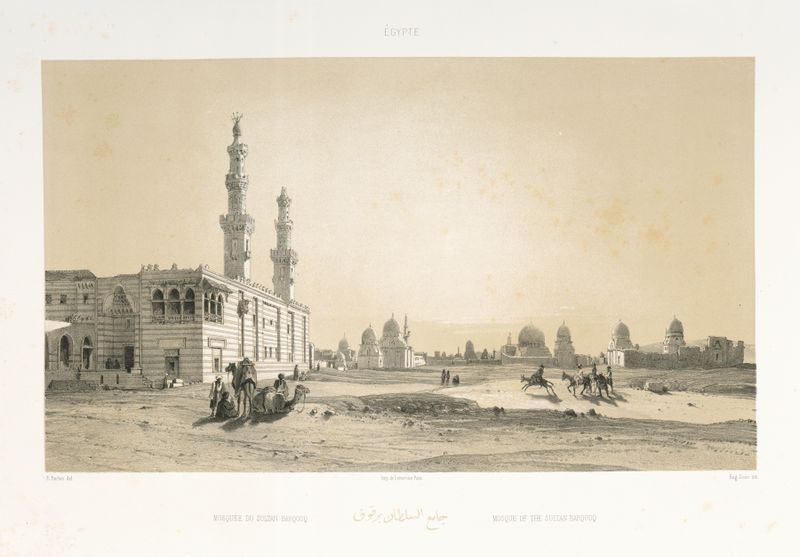
Mosquée du Sultan Barqouq, Mosque of the Sultan Barqouq
Prosper Barbot

Quatier de la Mosquée de Touloun, Mosque of Touloun
Prosper Barbot

Rue de la Citadelle, Citadel Street
Prosper Barbot
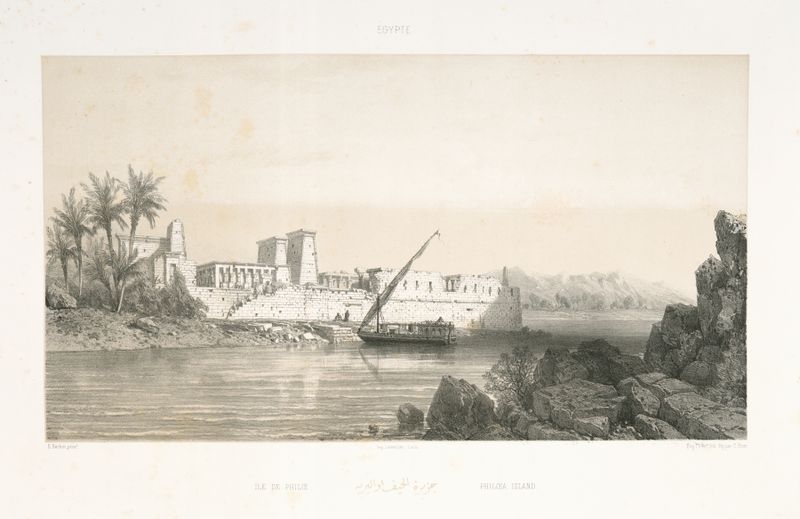
Ile de Philœ, Philœa Island
Prosper Barbot





