
Mosquée D’Ibrahim-Aga (rue de la Citadelle), Mosque of Ibrahim-Aga (Citadel Street) — History & Facts
Where does light end, and longing begin? In the delicate interplay of shadow and illumination, Mosquée D’Ibrahim-Aga invites us to ponder a dream woven within its walls. Focus your gaze on the intricate details of the mosque’s façade, where the radiant sunlight dances upon the richly textured surfaces. The warm hues of ochre and gold paint a serene yet profound atmosphere, drawing attention to the ornate arches that frame the entrance. Notice how the cool shadows cradle the entryway, creating a sense of depth and beckoning you to step inside.
The composition exudes balance, with the mosque’s towering minaret rising gracefully against the azure sky—a silent sentinel of faith and heritage. Yet, beneath this tranquil exterior lies a tension between the sacred and the everyday. Small elements, like the humble figures of passersby, hint at the lives lived in the mosque's shadow, evoking a sense of nostalgia and yearning. The juxtaposition of light and dark in the painting may reflect the duality of spiritual aspiration and earthly existence—each playing off the other in an eternal dance of hope and remembrance. In 1851, Prosper Barbot found himself immersed in a world increasingly drawn to the exotic and the evocative.
Captured during his time in North Africa, this work resonates with the burgeoning fascination for Orientalism in European art. As he painted, Barbot navigated the delicate balance between admiration and appropriation, exploring the cultural richness of his surroundings and the complexities of his own artistic identity.
More Artworks by Prosper Barbot
Browse all →
Tombeaux des Sultans (Dits des Khalifes), Tumbs of the Sultans
Prosper Barbot
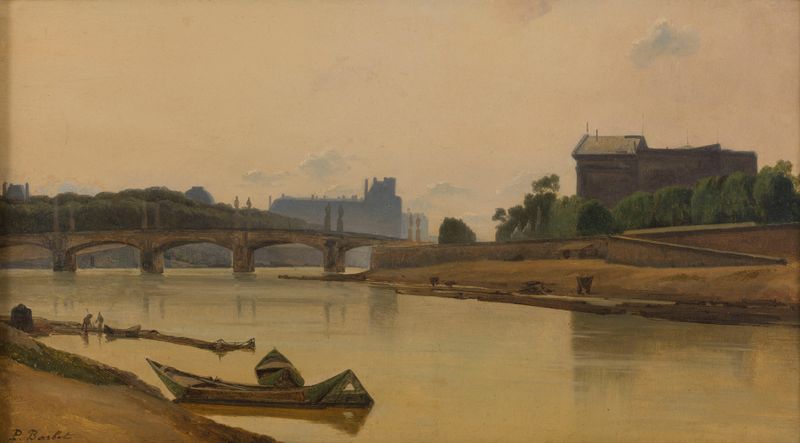
Le pont de la Concorde vu du quai de la Conférence
Prosper Barbot
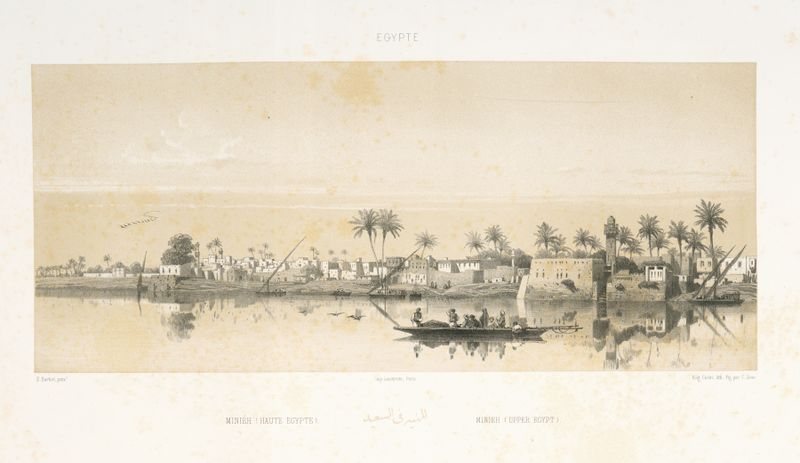
Miniéh (Haute Egypte), Minieh (Upper Egypt)
Prosper Barbot
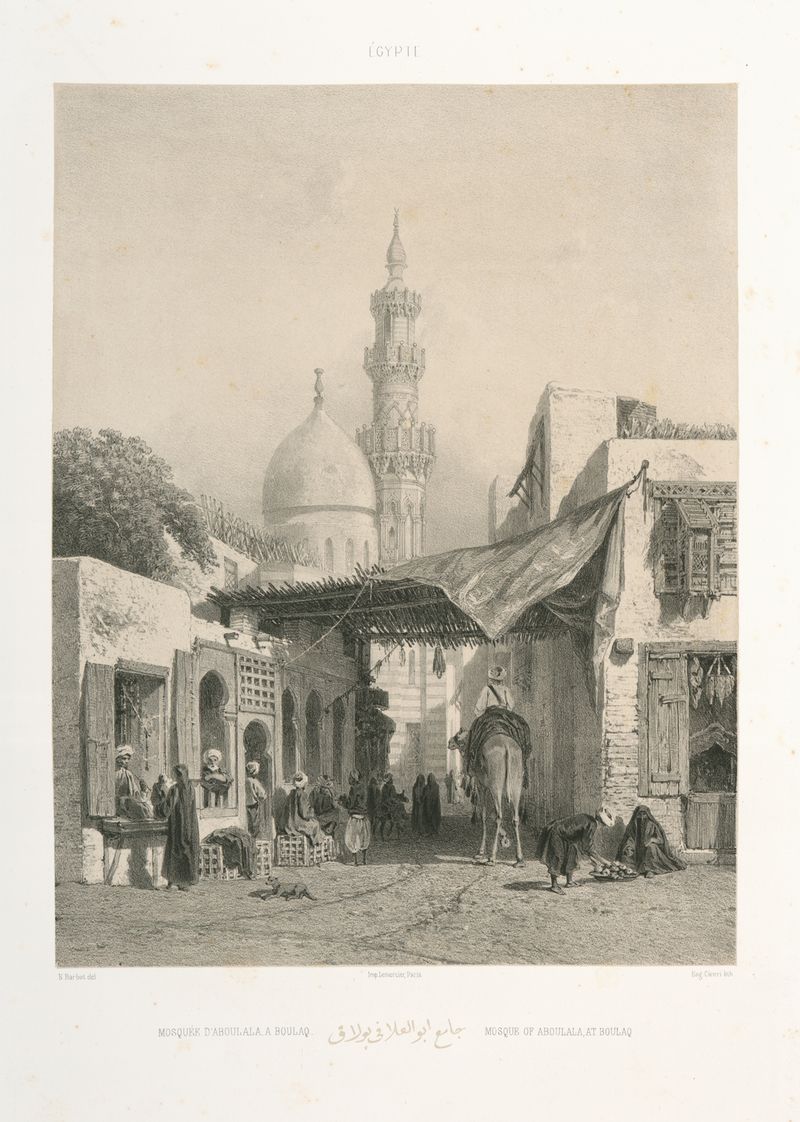
Mosquée D’aboulala A Boulaq, Mosque of Aboulala at Boulaq
Prosper Barbot
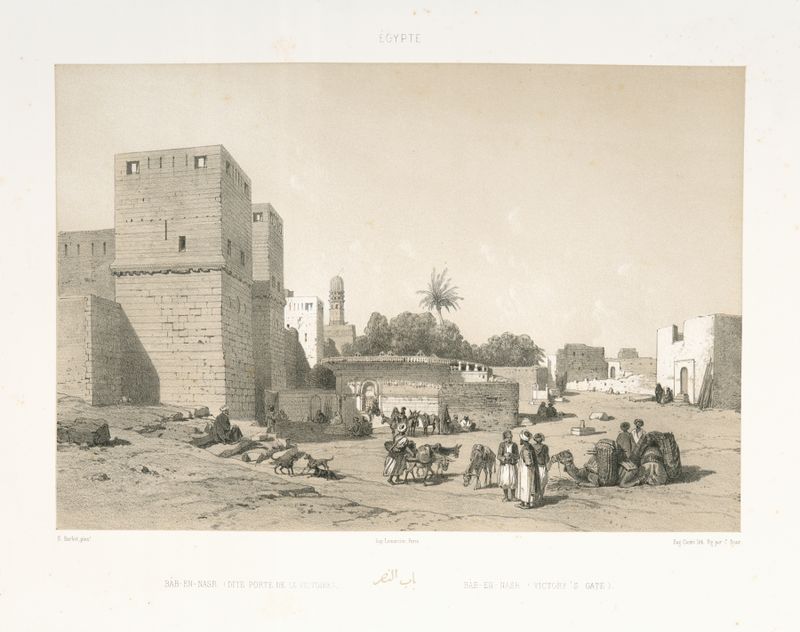
Bâb-En-Nasr (Dite Porte De La Victoire), Bâb-En-Nasr (Victory’s Gate)
Prosper Barbot
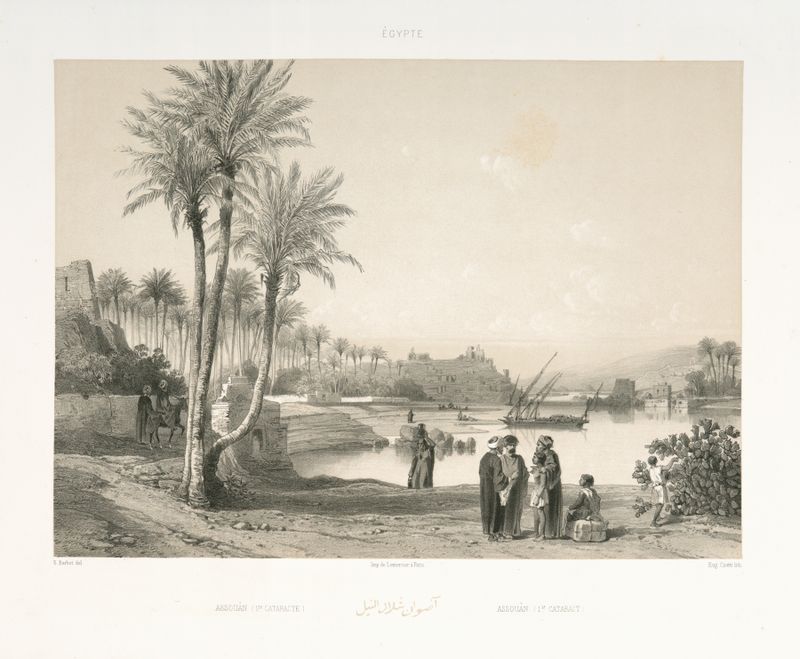
Assouân (1re Cataracte), Assouân (1st Cataract)
Prosper Barbot
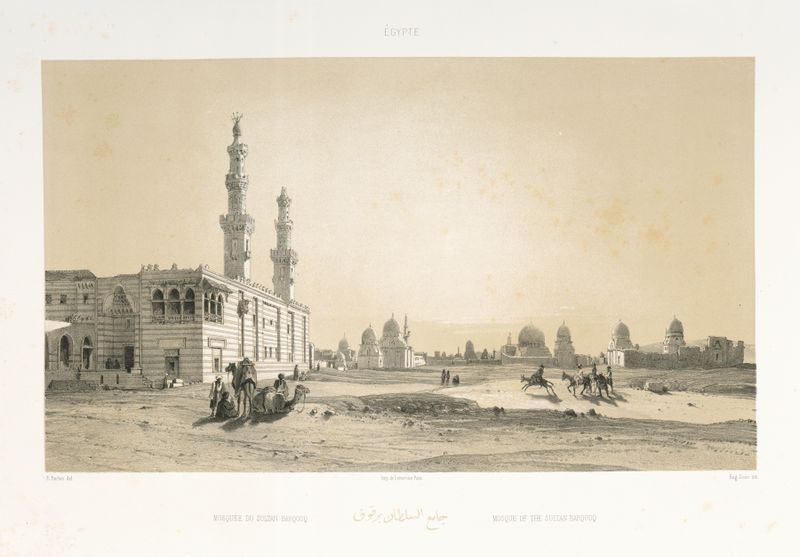
Mosquée du Sultan Barqouq, Mosque of the Sultan Barqouq
Prosper Barbot

Quatier de la Mosquée de Touloun, Mosque of Touloun
Prosper Barbot

Rue de la Citadelle, Citadel Street
Prosper Barbot
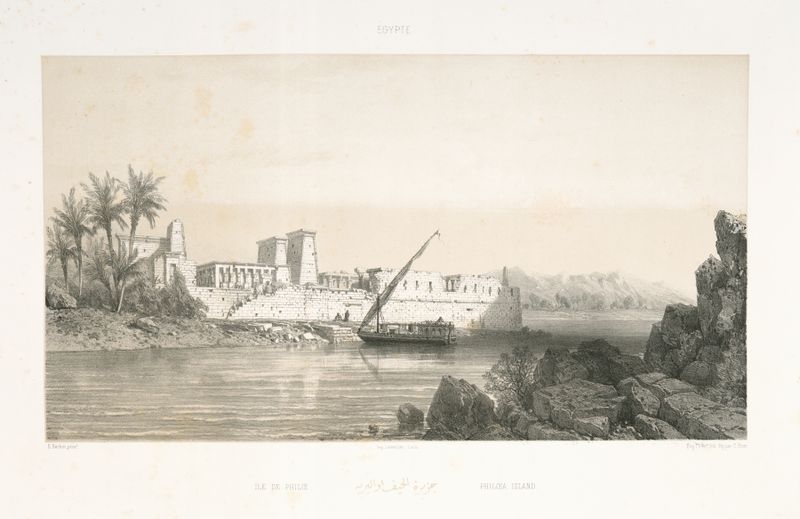
Ile de Philœ, Philœa Island
Prosper Barbot
More Architecture Art
Browse all →
The statue of Liberty
Frédéric Auguste Bartholdi

View of Houses in Delft, Known as ‘The Little Street’
Johannes Vermeer

View of Houses in Delft, Known as ‘The Little Street’
Johannes Vermeer

The Cathedral in Rouen. The portal, Grey Weather
Claude Monet

The yellow house
Vincent van Gogh

The Church in Auvers-sur-Oise, View from the Chevet
Vincent van Gogh