
Assumption of the Virgin — History & Facts
In Assumption of the Virgin, Guido Reni presents a vibrant scene filled with dynamic colors. The Virgin Mary is depicted ascending into heaven, surrounded by a host of angels. The use of light and shadow creates a dramatic effect, emphasizing the divine nature of the moment.
The background features a soft, cloud-filled sky that enhances the sense of elevation. This painting is executed in oil on canvas, a common medium for the Baroque period. Reni's technique showcases his skill in rendering fabric and flesh, with delicate brushwork that brings the figures to life. The composition is carefully arranged, drawing the viewer's eye toward the central figure of the Virgin.
The dimensions are approximately 200 x 300 cm, making it a large and impactful work. Guido Reni was a prominent Italian painter of the Baroque era, known for his idealized forms and serene expressions. The Assumption of the Virgin is one of his most celebrated works, reflecting the religious fervor of the time. An interesting fact about this painting is that it was commissioned for a church altar, highlighting its intended spiritual purpose.
Reni's ability to convey emotion and movement has made this piece a significant example of Baroque art.
More Artworks by Guido Reni

Salome with the Head of Saint John the Baptist
Guido Reni
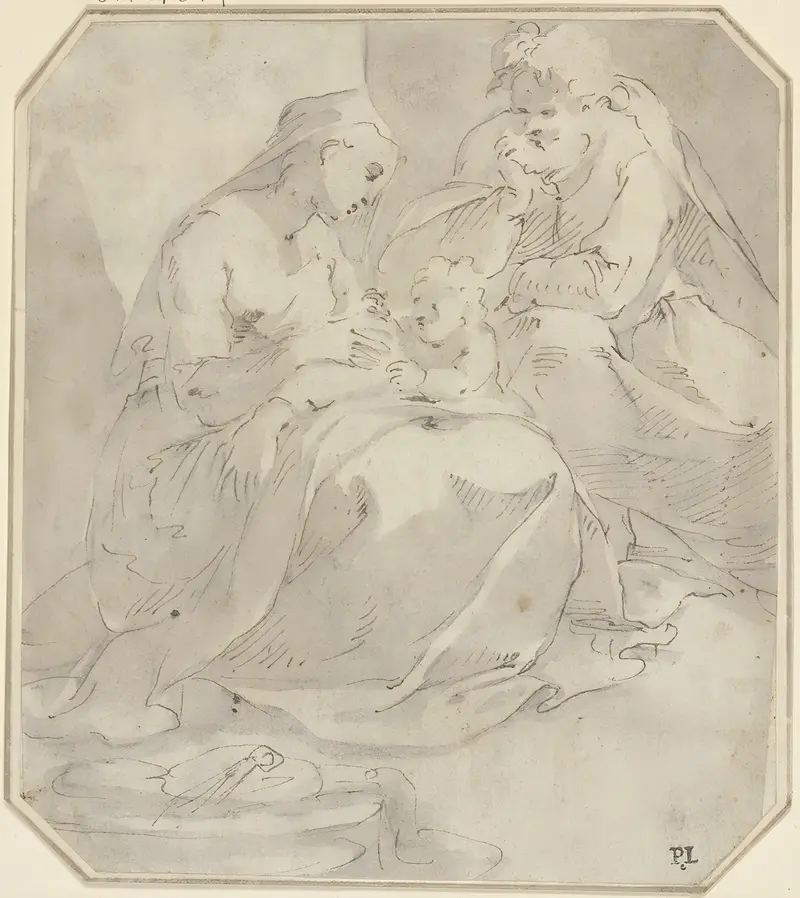
Holy family
Guido Reni
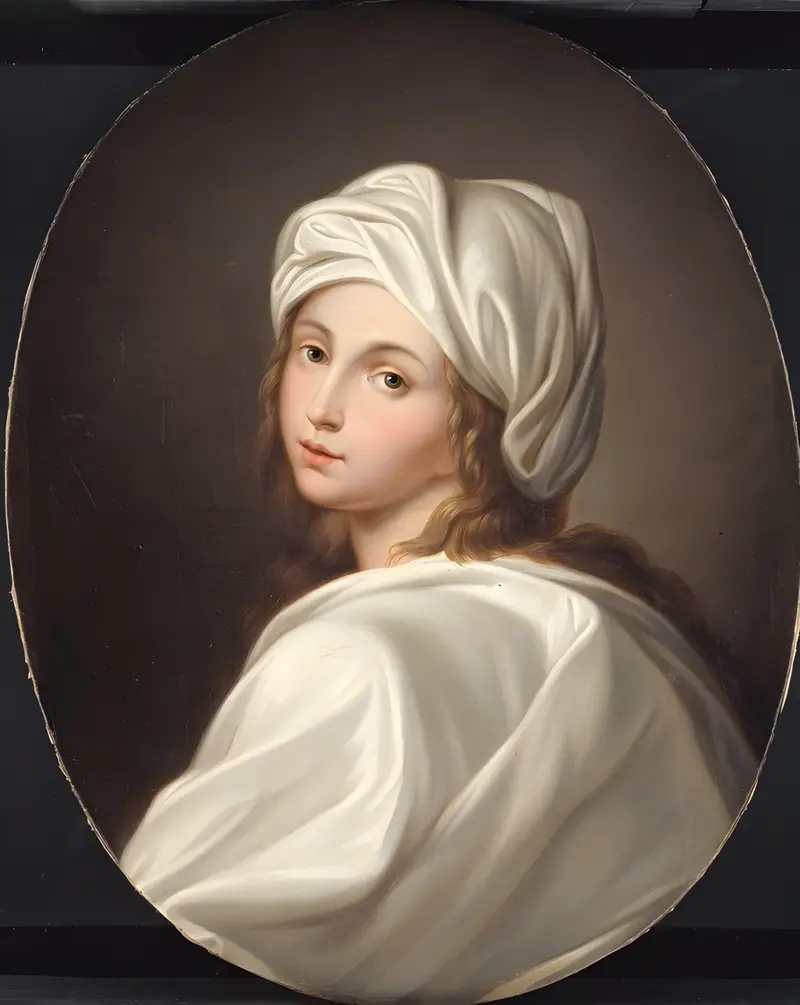
Portrait of Beatrice Cenci
Guido Reni
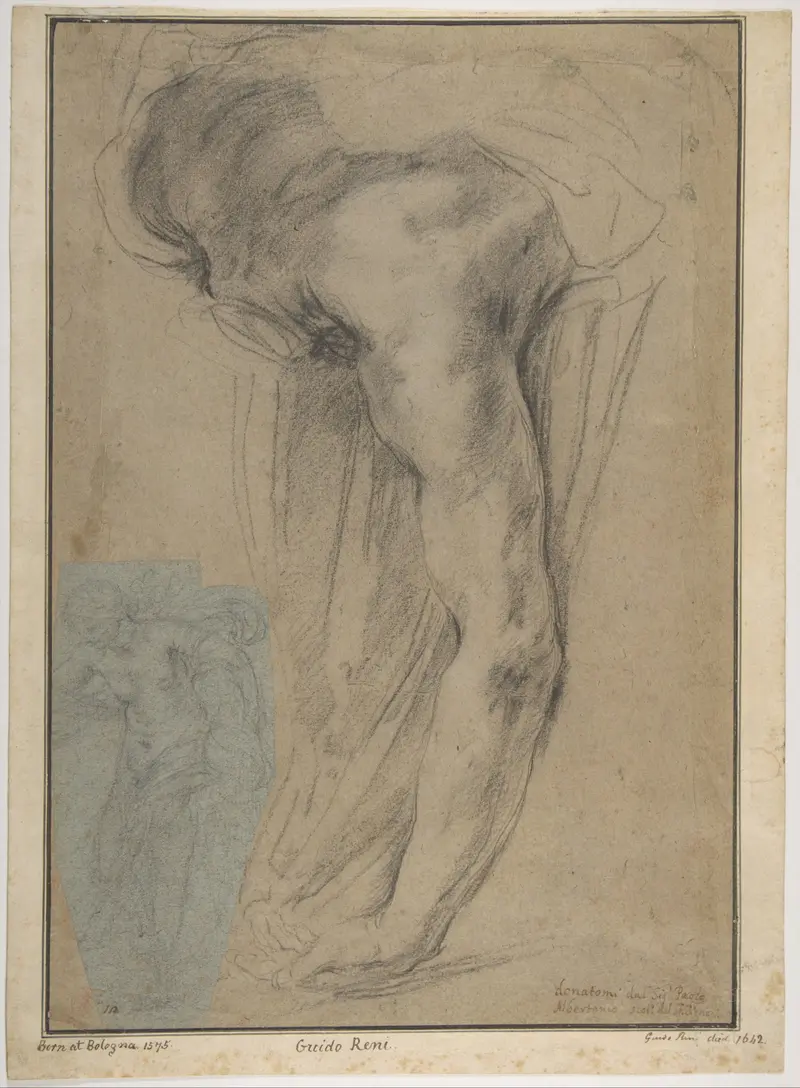
The Reclining Headless Body of Holoferne
Guido Reni
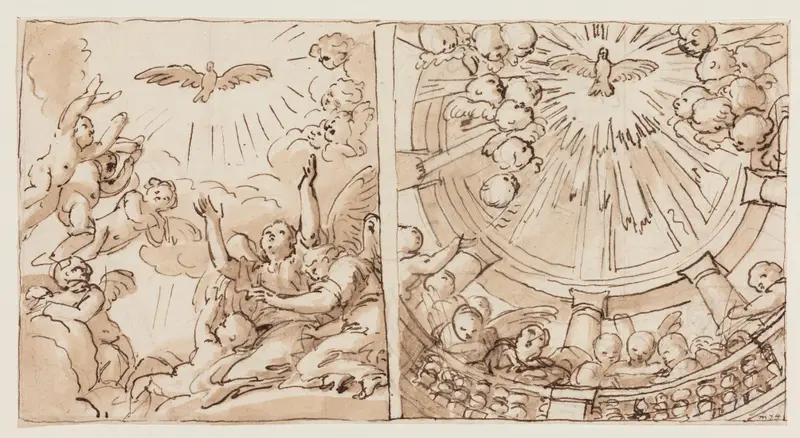
To scener med engle, der omgiver og tilbeder Helligåndsduen, der i det ene tilfælde daler ned mellem skyer, i det andet fra en kuppel, båret af søjler
Guido Reni

Saint Peter
Guido Reni
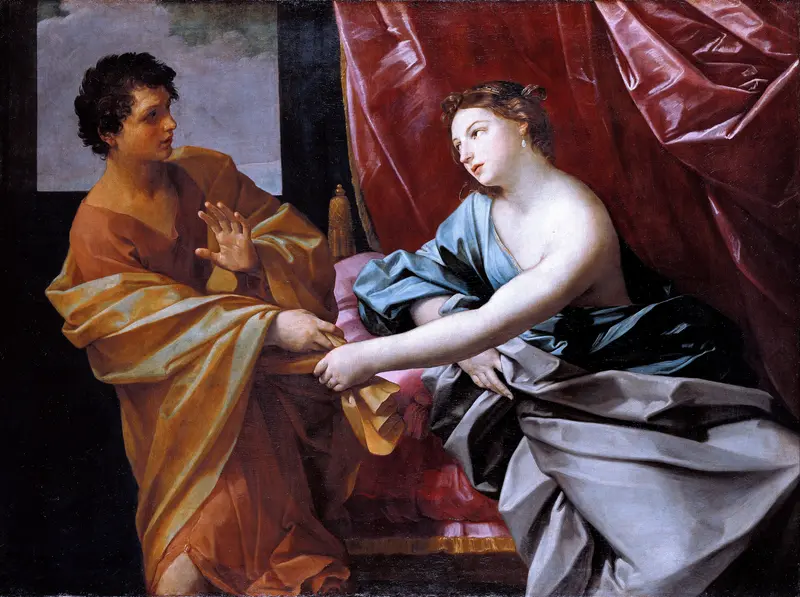
Joseph and Potiphar’s Wife
Guido Reni
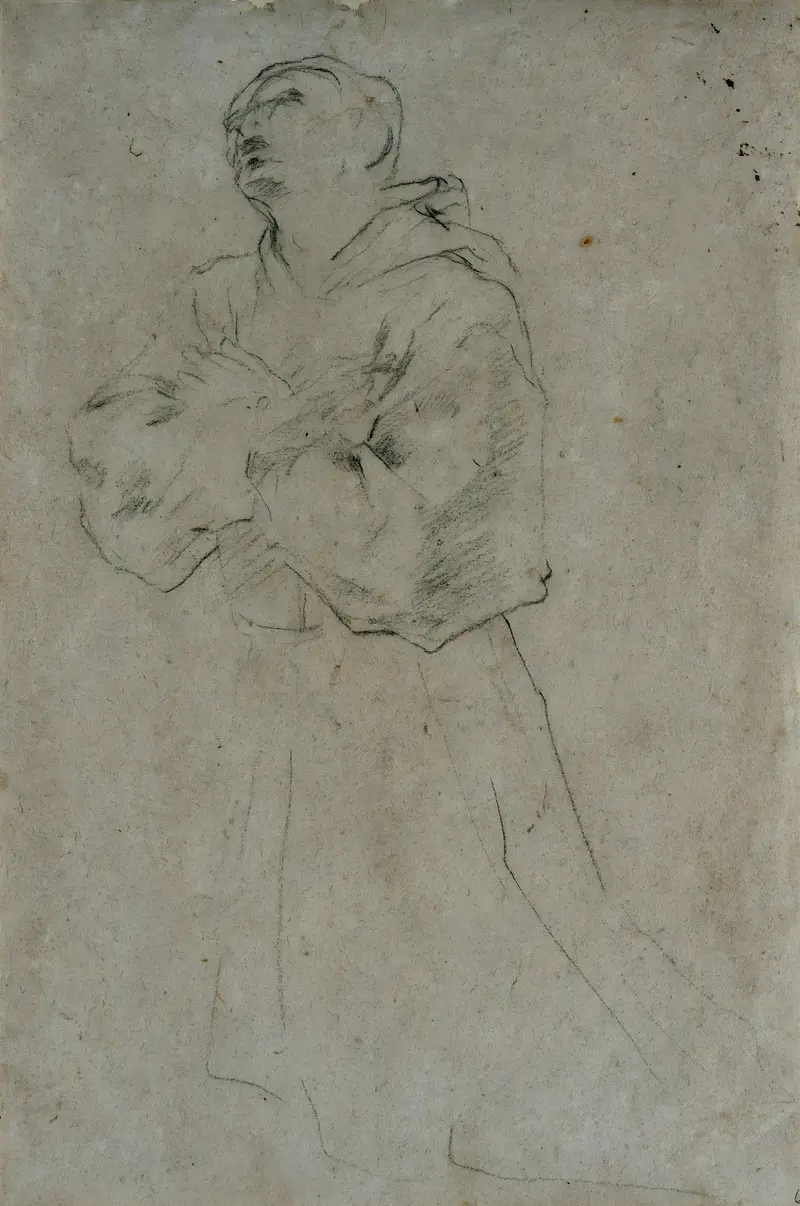
Kneeling Monk
Guido Reni
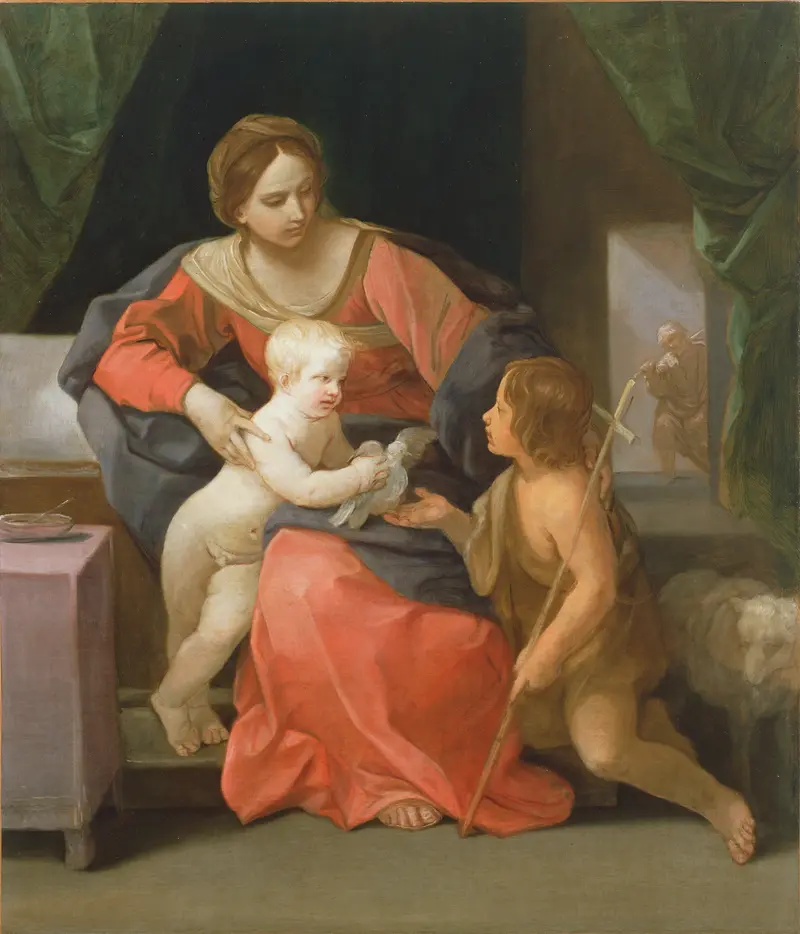
Virgin and Child with Saint John the Baptist
Guido Reni
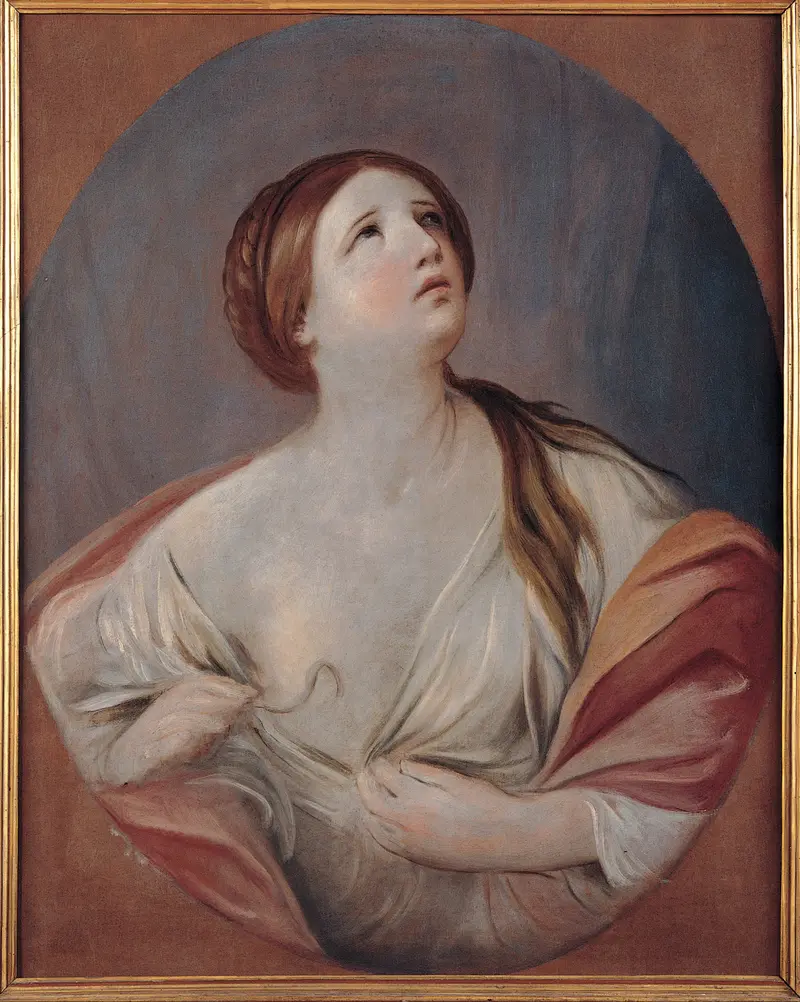
Cleopatra
Guido Reni





