
Landstraße mit Birkenallee — History & Facts
Can beauty exist without sorrow? In Landstraße mit Birkenallee, the delicate interplay of movement and stillness invites contemplation on this profound question. Look to the left at the elegant rows of birch trees, their slender trunks standing like sentinels along the winding road. The gentle curve of the path draws the eye into the distance, where it seems to vanish into a soft haze. Notice how the light filters through the foliage, casting dappled shadows that dance across the ground, illuminating the vibrant greens and earthy browns.
Each brushstroke conveys the vitality of life while simultaneously hinting at the ephemeral nature of the moment captured. As you absorb the scene, consider the contrast between the vibrant movement of the trees swaying in the breeze and the somber undertones of the solitary road. The path, while inviting, suggests a journey that may lead to unforeseen destinations or conclusions. This tension between motion and stillness evokes feelings of nostalgia; it prompts introspection about the passage of time and the longing that can accompany beauty. Hugo Charlemont created this piece in 1893 while living in Vienna, a period marked by artistic experimentation and the rise of modernism.
The atmosphere was charged with a sense of transition, as traditional forms began to give way to new artistic expressions. Amid this backdrop, Charlemont sought to capture the serene beauty of landscapes while exploring deeper emotional resonances, illustrating both the joy of nature and the inherent melancholy of its fleeting moments.
More Artworks by Hugo Charlemont
Browse all →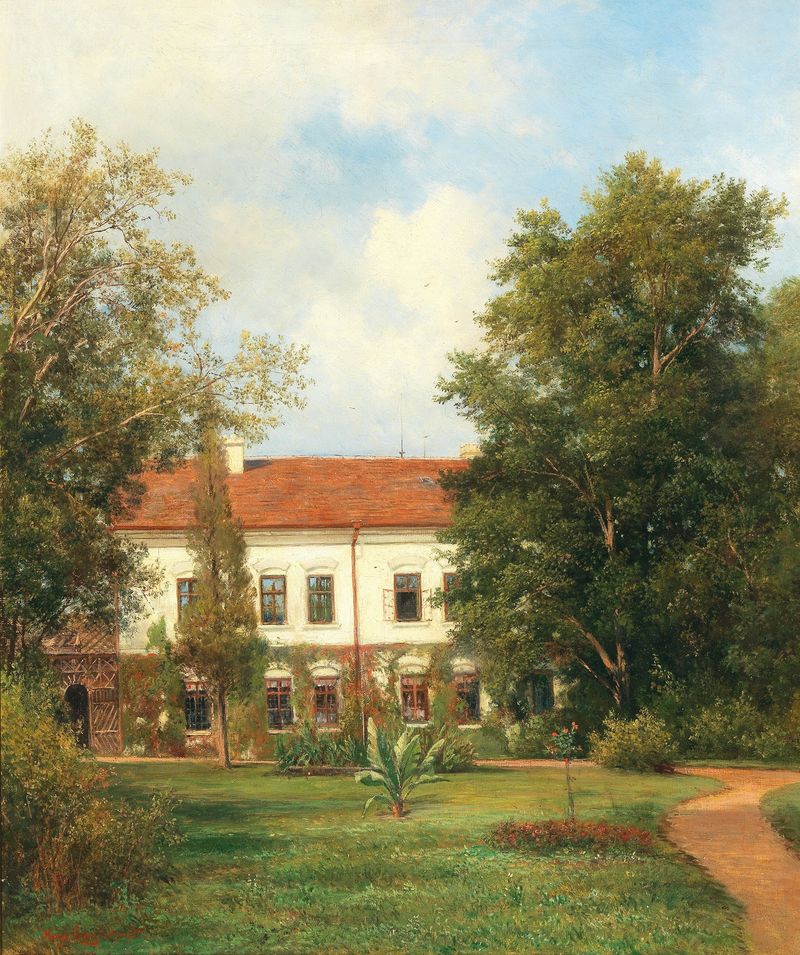
View of a Castle in Bohemia
Hugo Charlemont
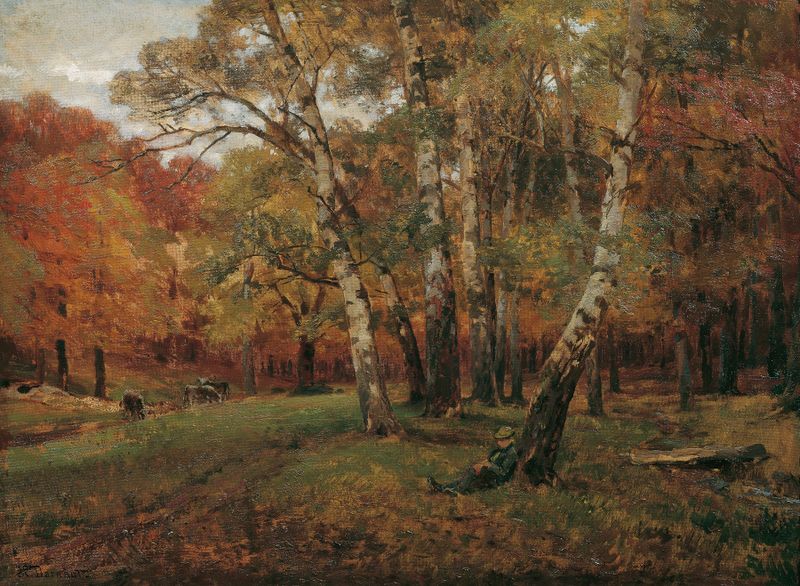
Die Ruine Starhemberg im Piestingtal
Hugo Charlemont
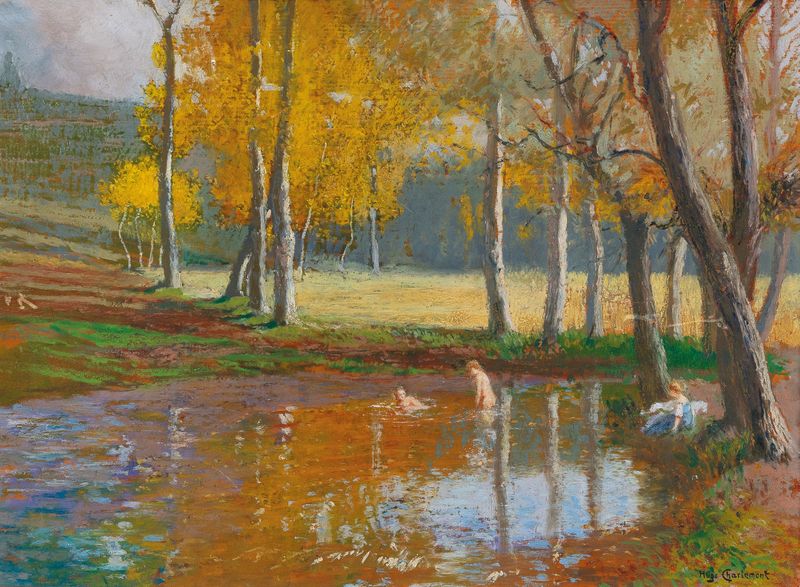
Bathers In A Woodland Pond
Hugo Charlemont
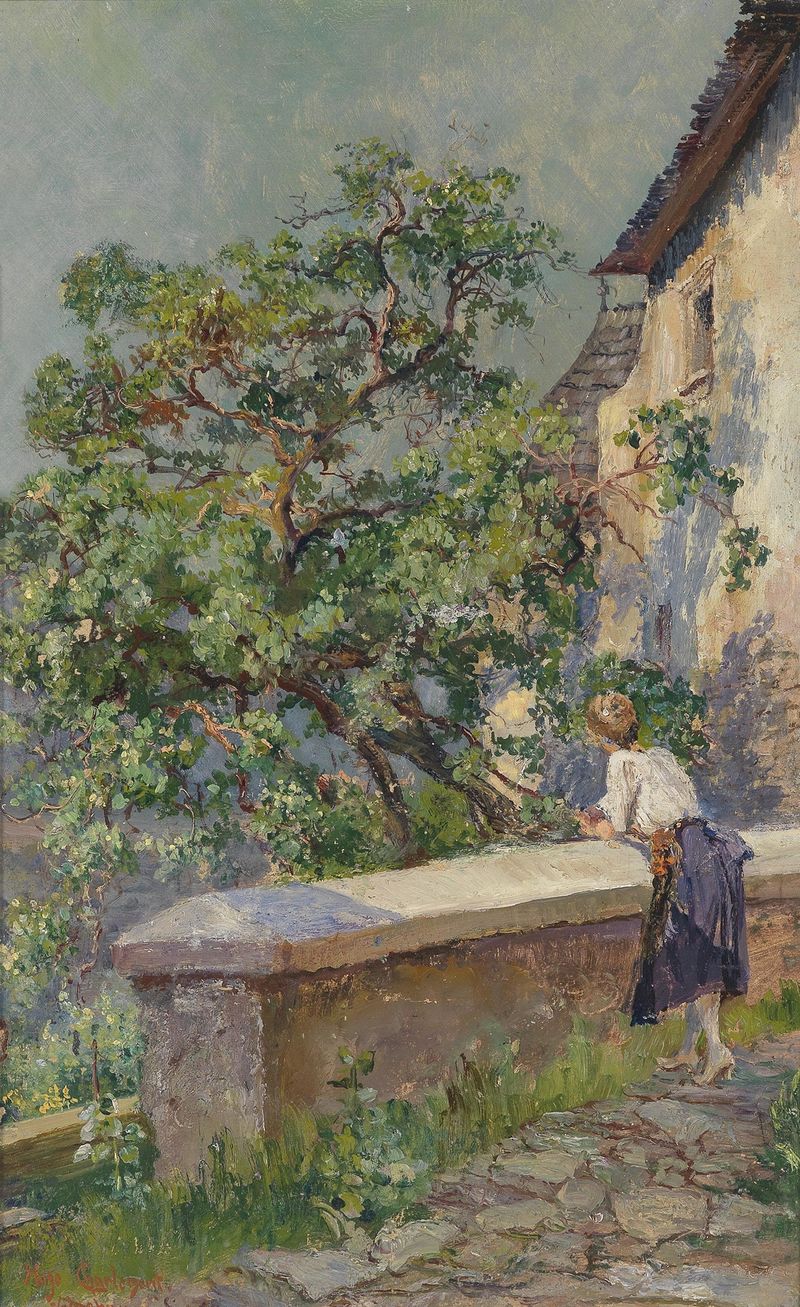
Aus der Wachau
Hugo Charlemont
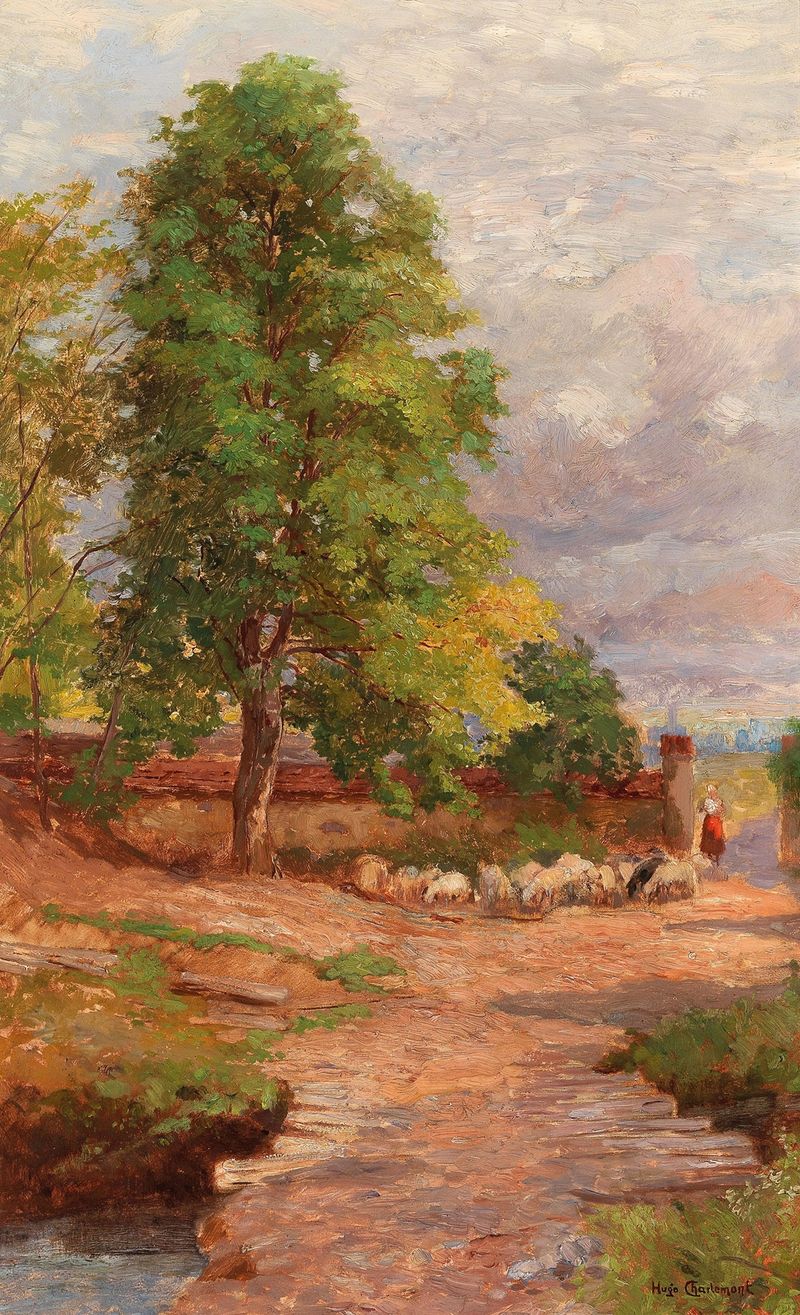
Old Chestnut Tree
Hugo Charlemont
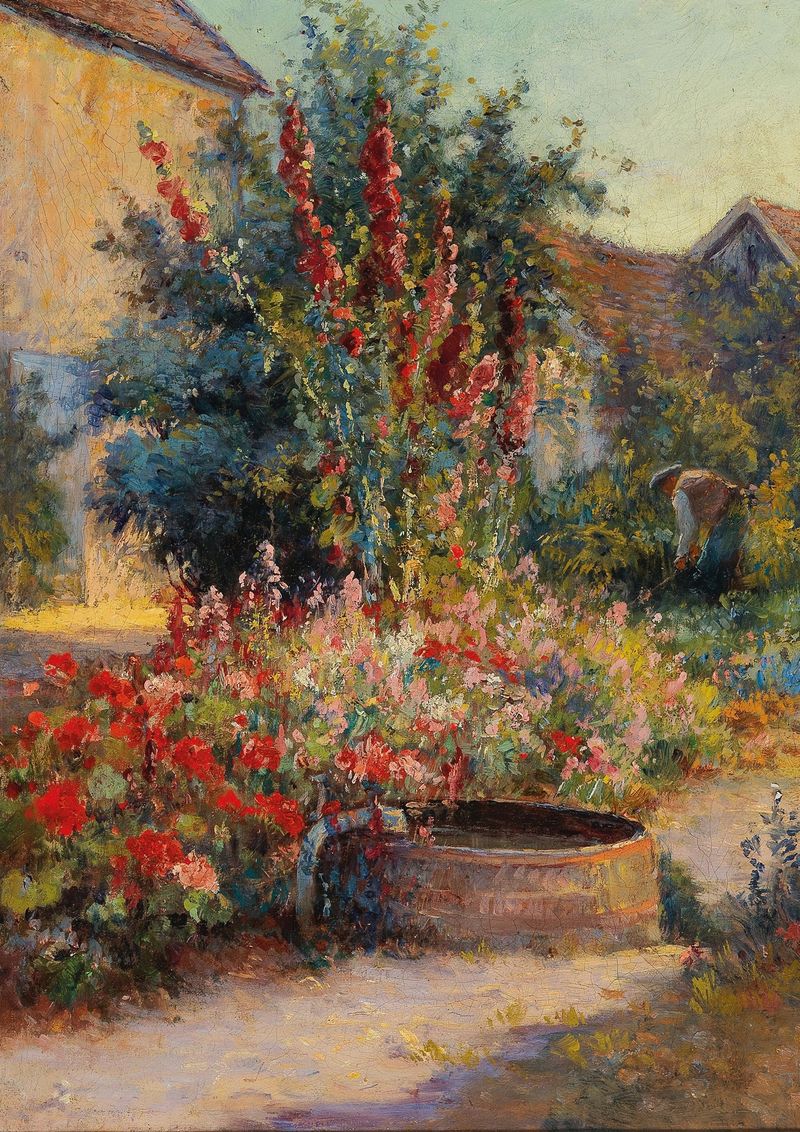
Garten in Brioni
Hugo Charlemont
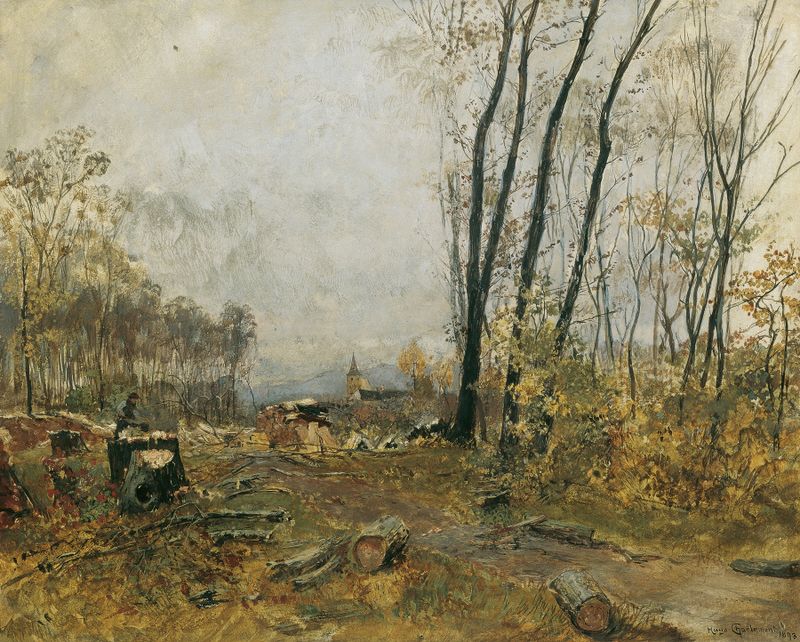
Au bei Klosterneuburg
Hugo Charlemont
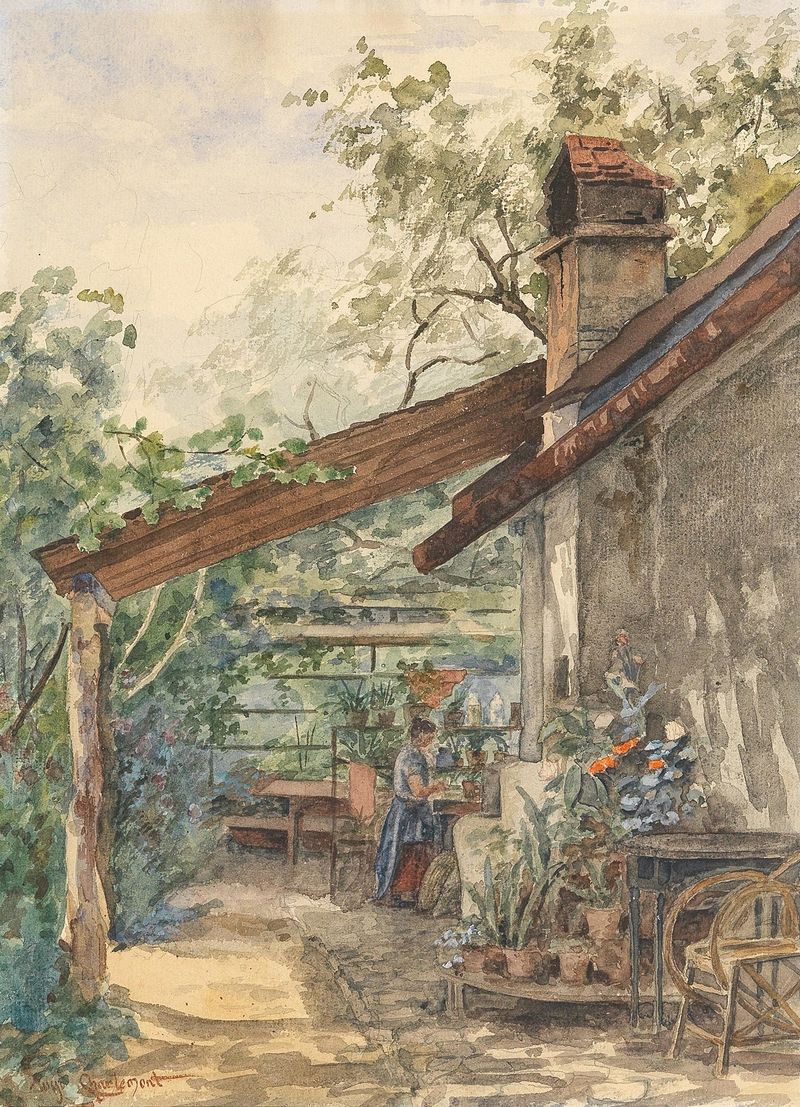
Pflanzendepot
Hugo Charlemont
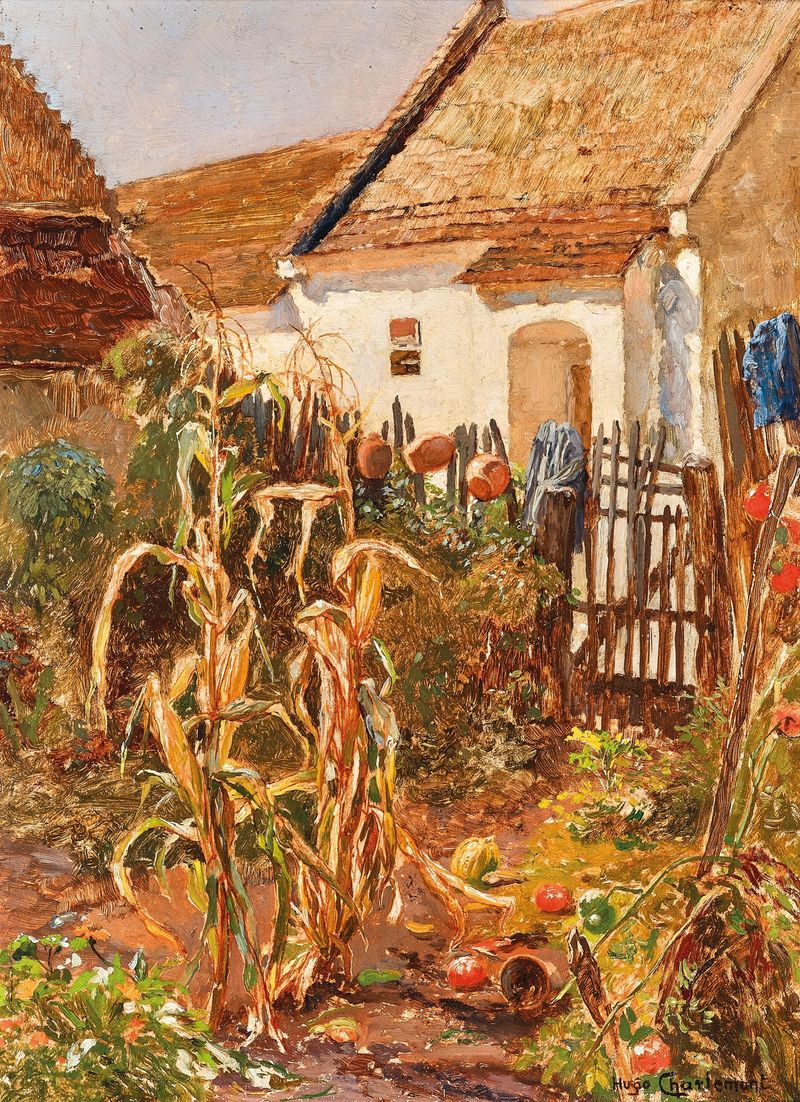
A rustic garden in the Wachau region
Hugo Charlemont
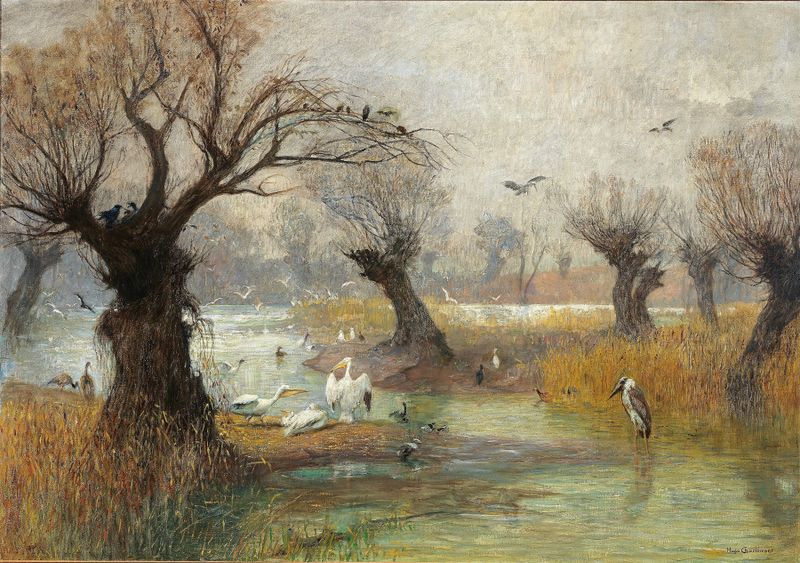
Pelikane am Flussufer
Hugo Charlemont





