Pelikane am Flussufer — History & Facts
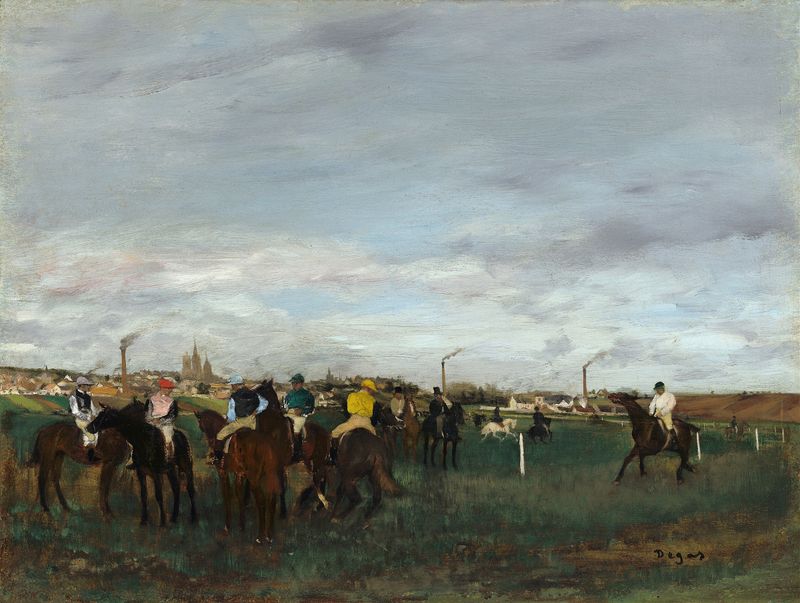
What if beauty was never meant to be finished? In Pelikane am Flussufer, tranquility envelops the viewer, inviting a moment of introspection and peace. Look to the center of the canvas, where a serene riverbank cradles a group of elegant pelicans, their white feathers catching the light in soft glimmers. The delicate brushstrokes suggest a gentle breeze, rippling the water’s surface and creating dappled reflections. Notice how the colors blend—from the muted greens of the foliage to the soft blues of the sky—each hue harmonizing to evoke a sense of calm, as if time has paused. The composition holds deeper meanings within its simplicity.
The pelicans, often symbols of selflessness and community, seem to embody a quiet unity, their stillness contrasting with the gentle flow of the river. This juxtaposition between motion and serenity prompts reflection on the balance between nature's chaos and its inherent beauty. The viewer can almost hear the whispers of the water, reminding us of the life that ebbs and flows around us. Hugo Charlemont created Pelikane am Flussufer during an era marked by the transition from Romanticism to Impressionism.
While the precise date remains unknown, Charlemont was active in the late 19th and early 20th centuries in Europe, a time when artists began to explore nature more intimately. His work reflects the growing appreciation for serene landscapes as a means of capturing emotional depth, setting the stage for future movements in art.
More Artworks by Hugo Charlemont
Browse all →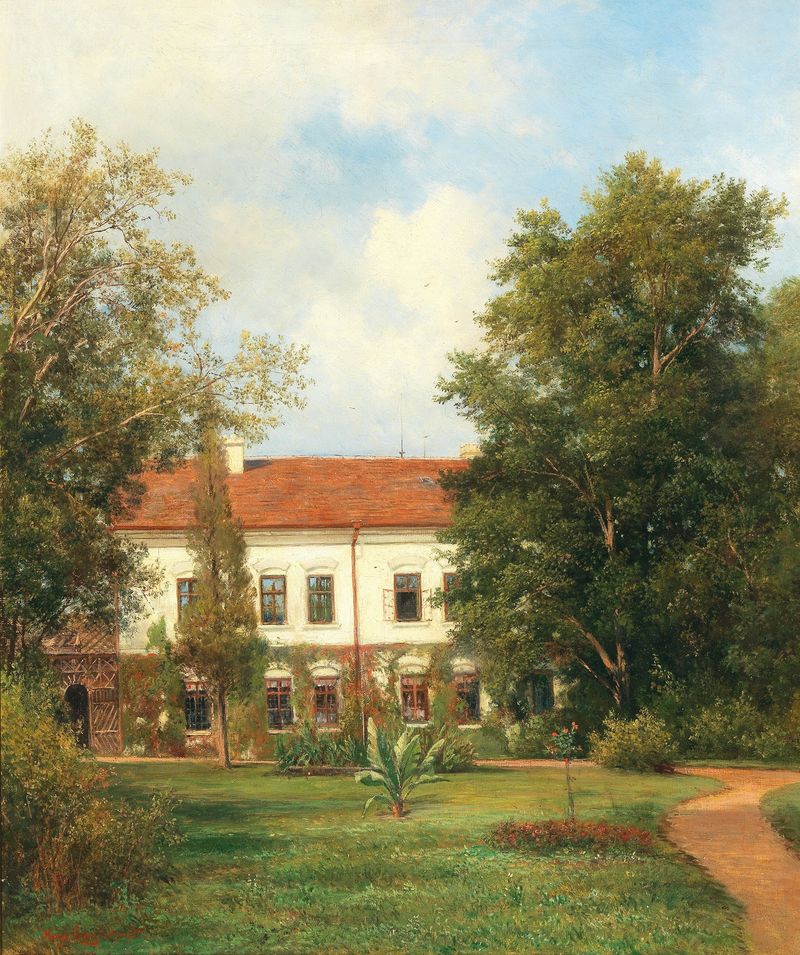
View of a Castle in Bohemia
Hugo Charlemont
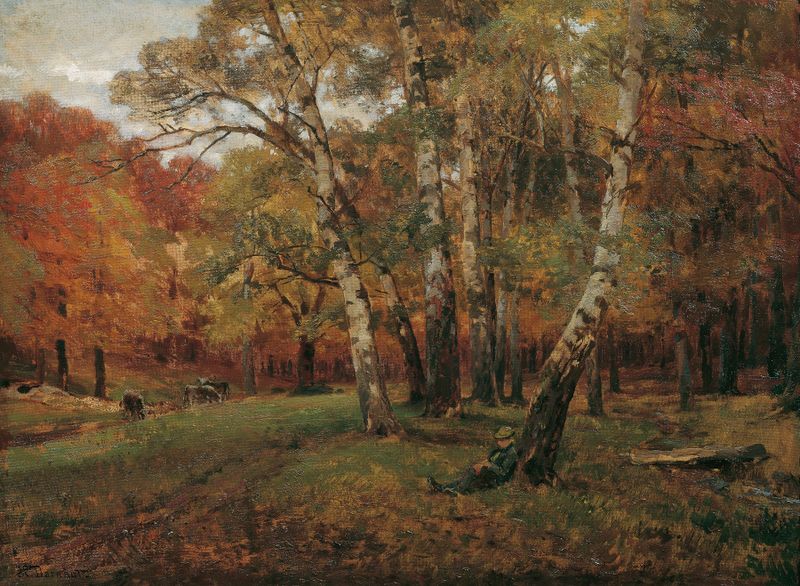
Die Ruine Starhemberg im Piestingtal
Hugo Charlemont
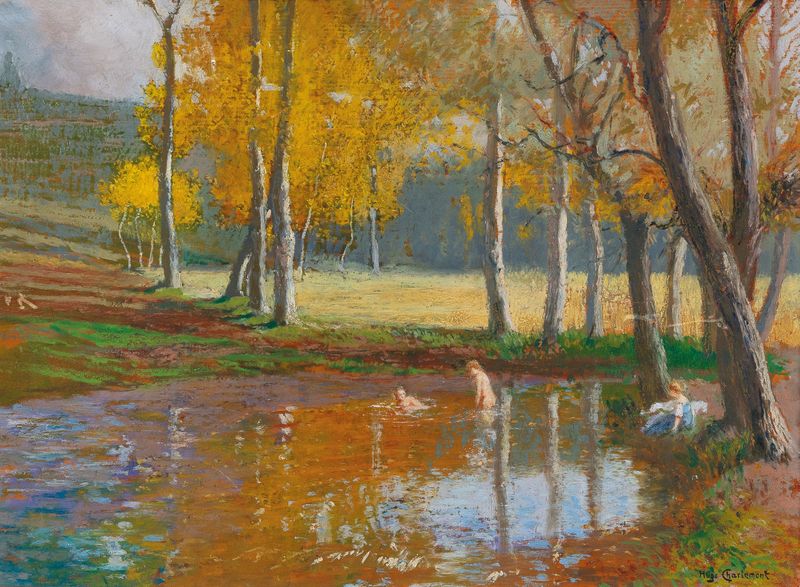
Bathers In A Woodland Pond
Hugo Charlemont
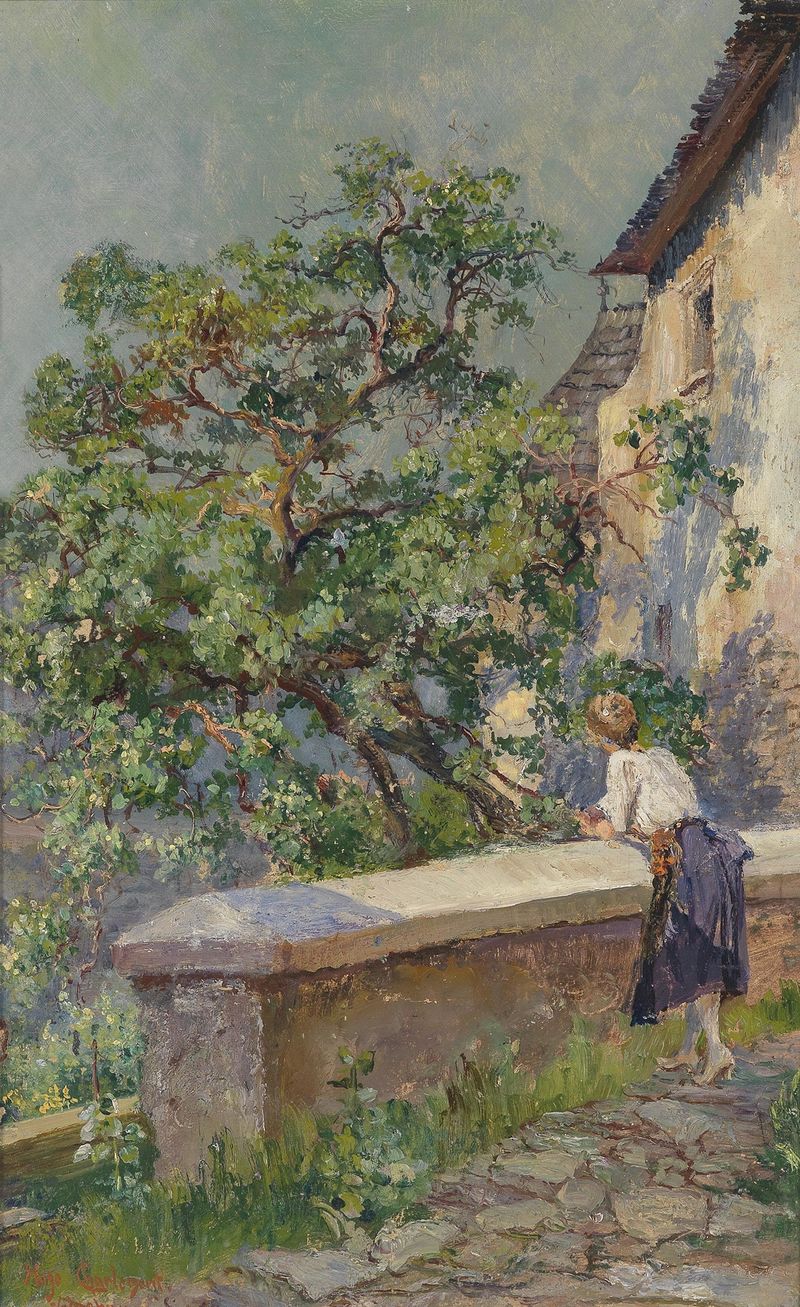
Aus der Wachau
Hugo Charlemont
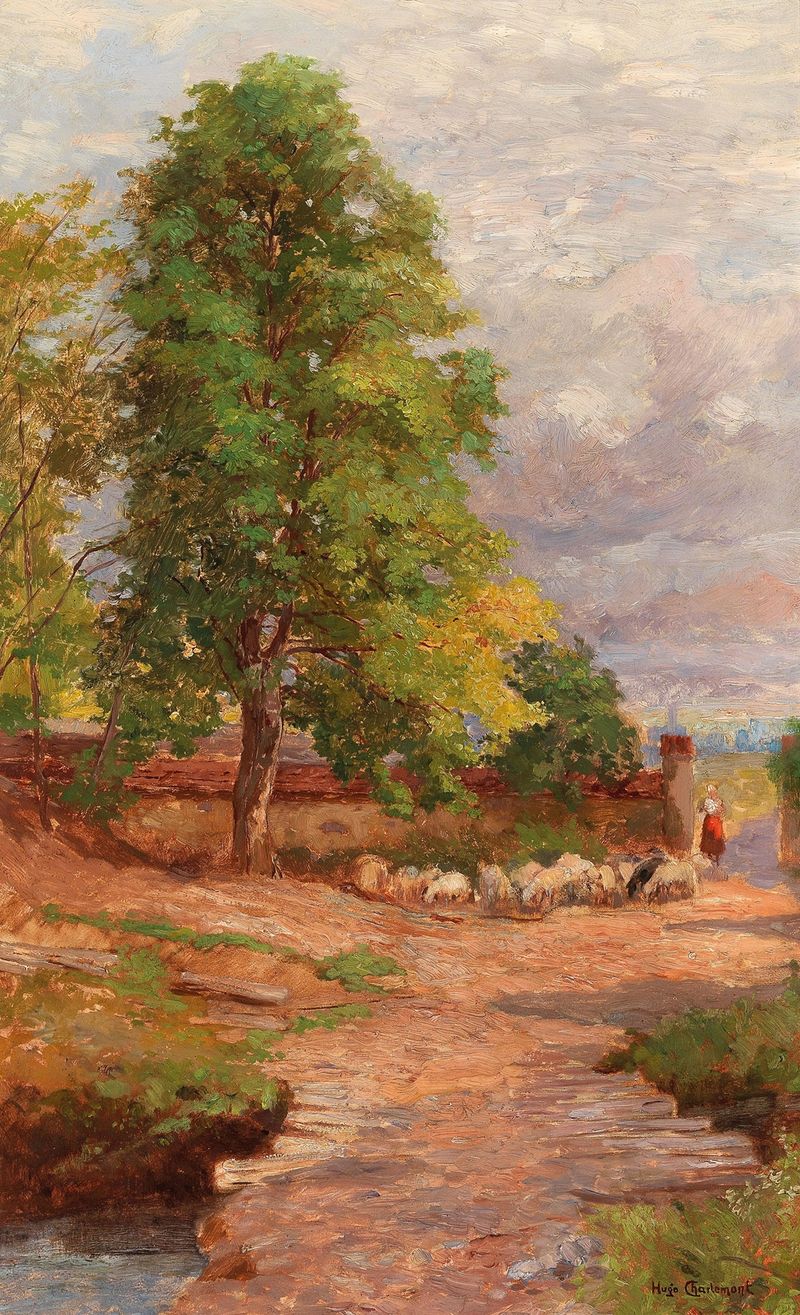
Old Chestnut Tree
Hugo Charlemont
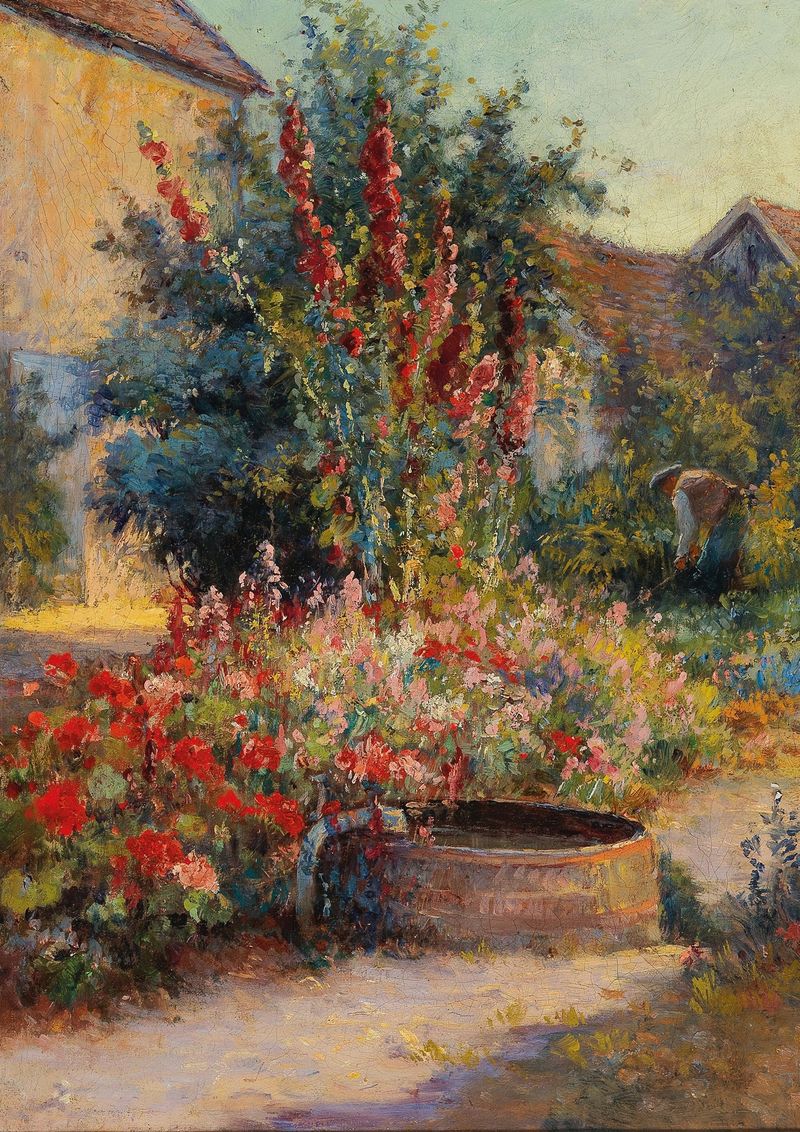
Garten in Brioni
Hugo Charlemont
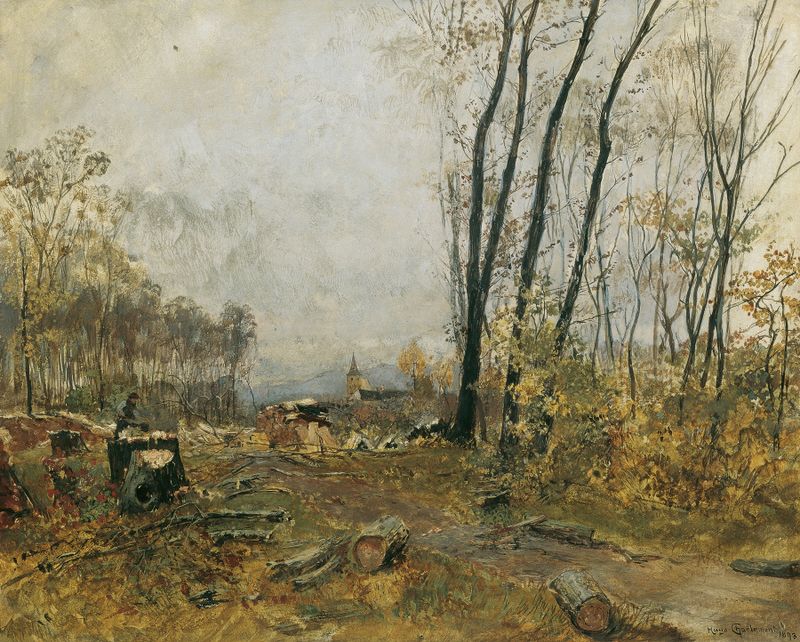
Au bei Klosterneuburg
Hugo Charlemont
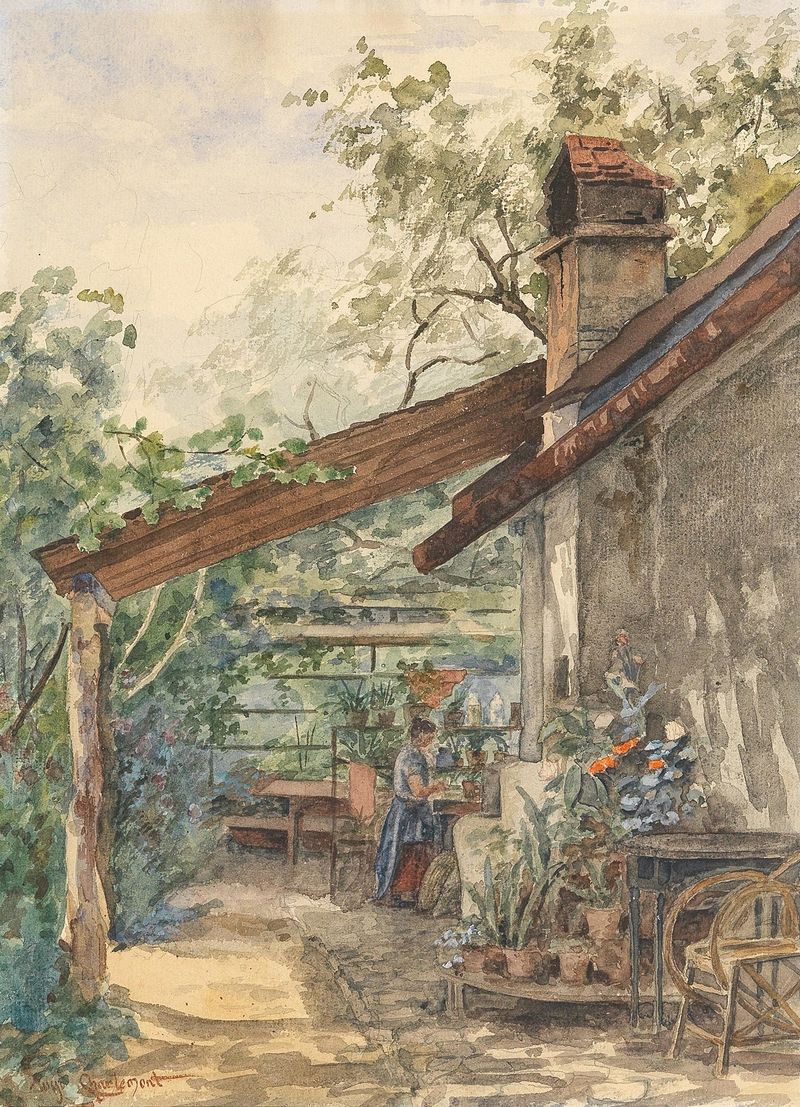
Pflanzendepot
Hugo Charlemont
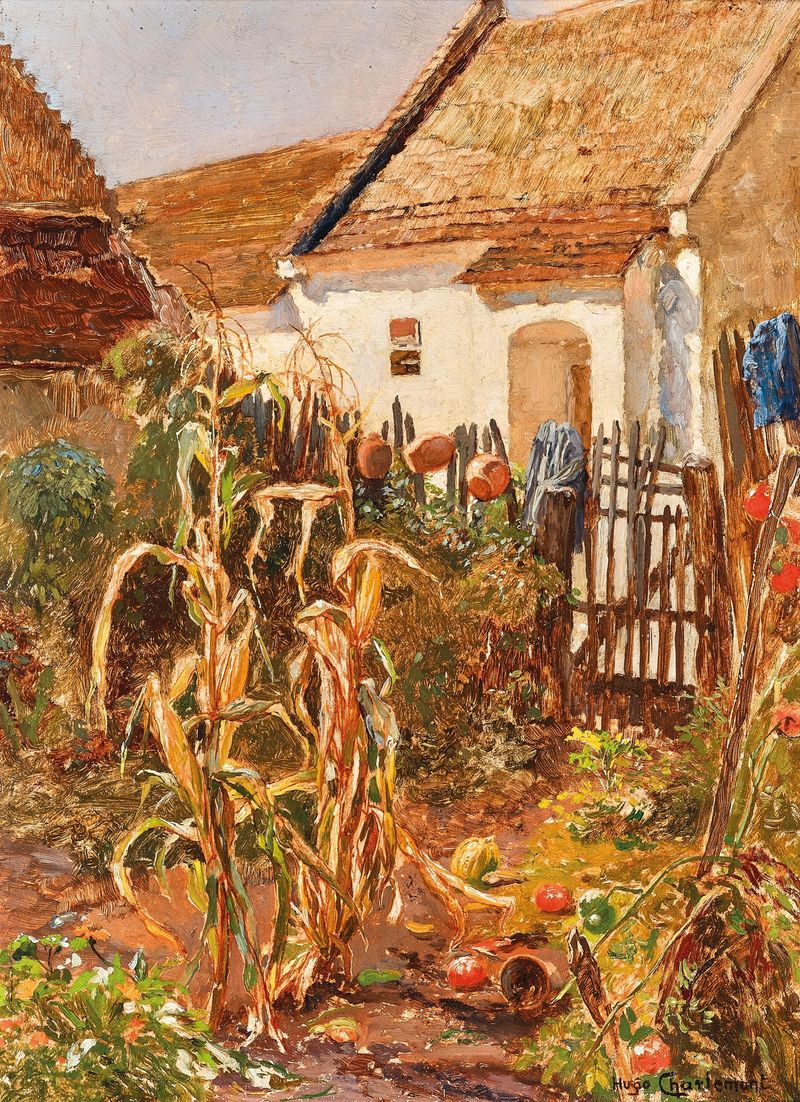
A rustic garden in the Wachau region
Hugo Charlemont
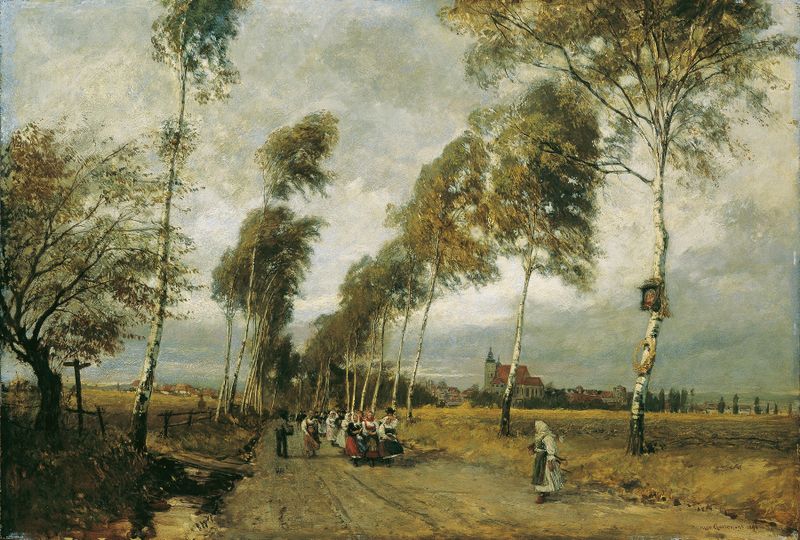
Landstraße mit Birkenallee
Hugo Charlemont