
Au piano — History & Facts
The first thing that draws the eye in Au piano is the hush of concentration that seems to vibrate in the lamplight. Three figures are gathered around a piano, their world bounded by the soft glow of a single lamp, which turns the room’s browns and creams into a warm, intimate stage. The young woman at the keys is caught mid-phrase, her fingers poised with purpose, while another stands behind her, gaze lifted as if following the invisible thread of the music.
Opposite them, an older woman leans forward, chin on hand, her profile illuminated in thoughtful shadow. The arrangement of bodies and light is no accident: Edelfelt uses the lamp’s radiance to knit the trio together, making the music almost visible in the air between them. Painted in 1889, this work belongs to a moment when domestic interiors and scenes of music-making were favorite subjects for European artists, reflecting a society in love with both private ritual and public display. In the late nineteenth century, the piano was not just an instrument but a symbol of cultivation and family life, and paintings like this—whether destined for private homes or the open market—were cherished as tokens of aspiration and memory.
Albert Edelfelt, a Finnish painter celebrated for his luminous realism, here captures not an event but a mood: the quiet drama of listening, the subtle interplay of generations, and the shared language of music. History has kept few traces of this particular gathering, but the painting’s gentle light invites us to listen in, as if the next note might tell us everything.
More Artworks by Albert Edelfelt

The Day of Rest
Albert Edelfelt
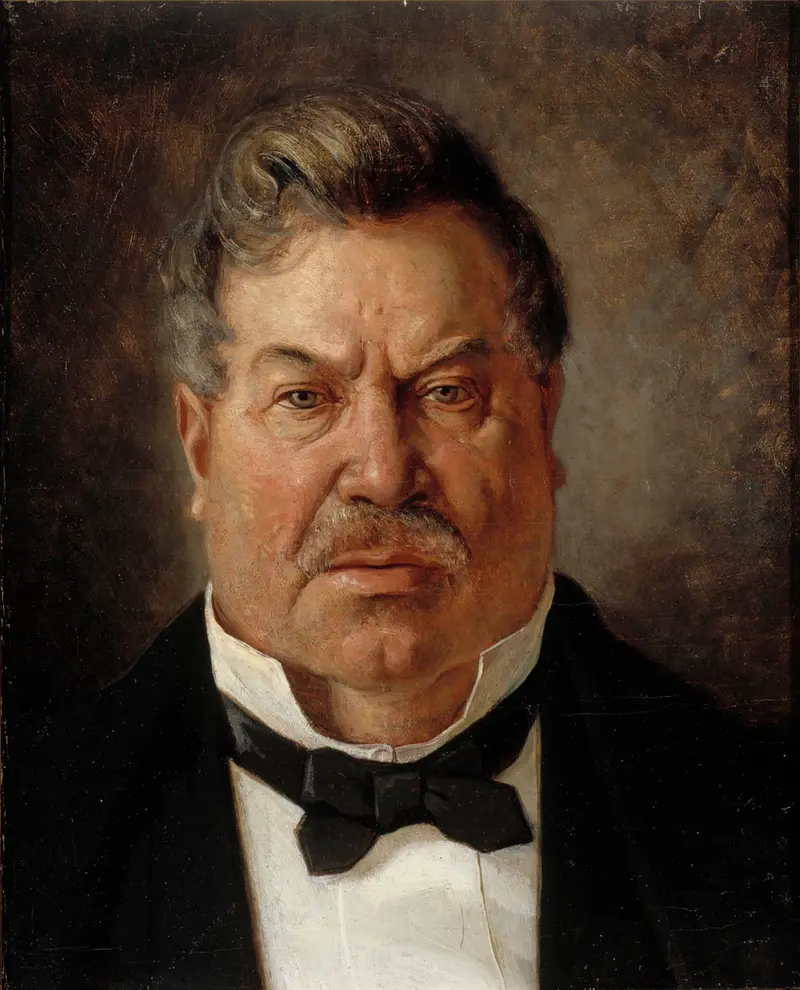
Portrait of August Streng
Albert Edelfelt
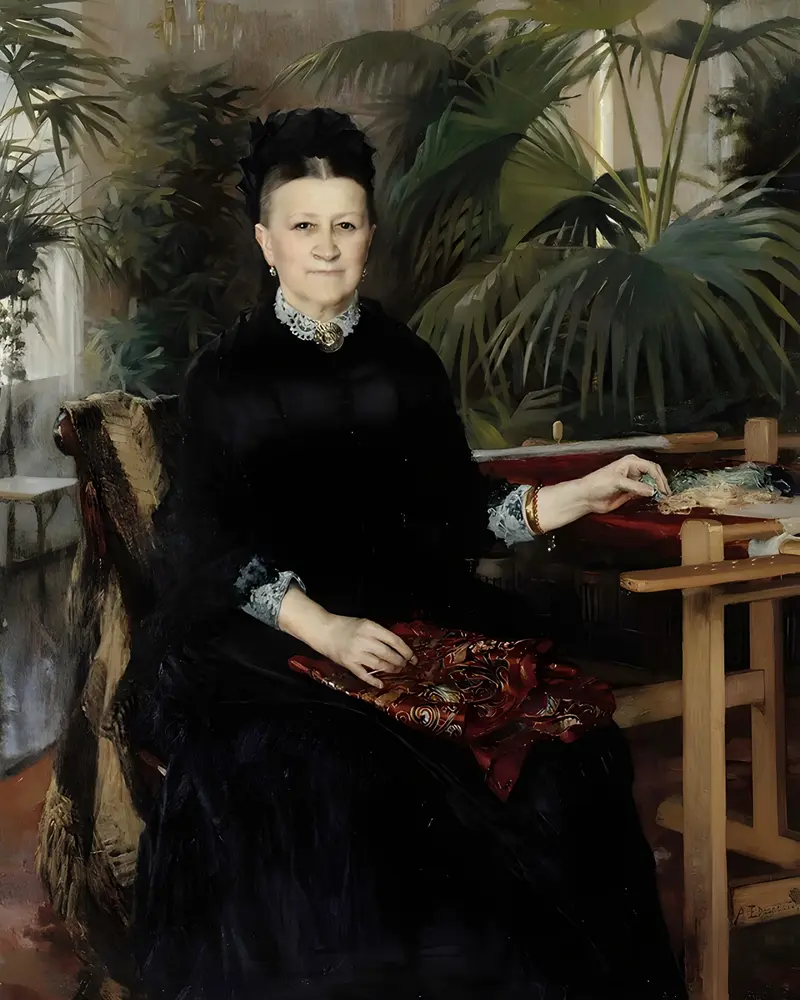
Portrait Of Mrs. Anna Sinebrychoff
Albert Edelfelt

The Poet, Larin Paraske
Albert Edelfelt

Parisian lady in a Peignoir
Albert Edelfelt
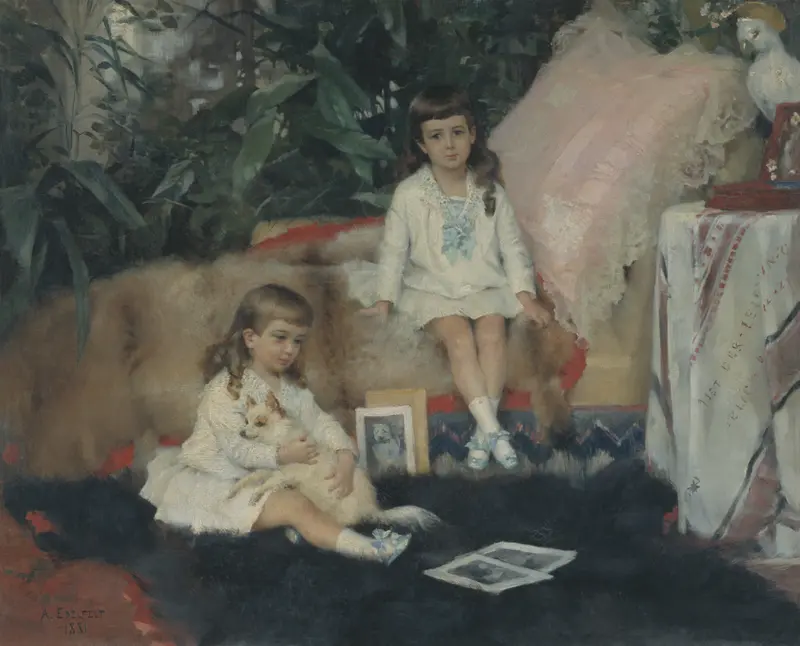
The Grand Dukes Boris and Kirill Vladimirovich as Children
Albert Edelfelt
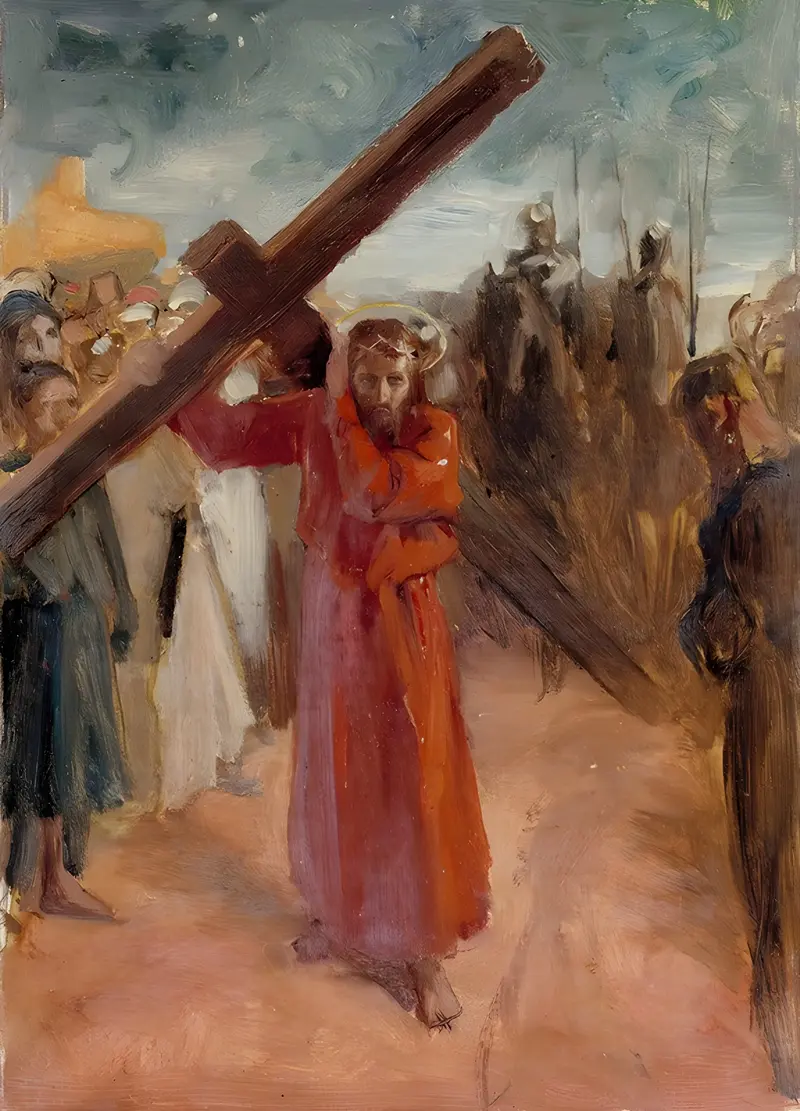
Christ Bears The Cross
Albert Edelfelt
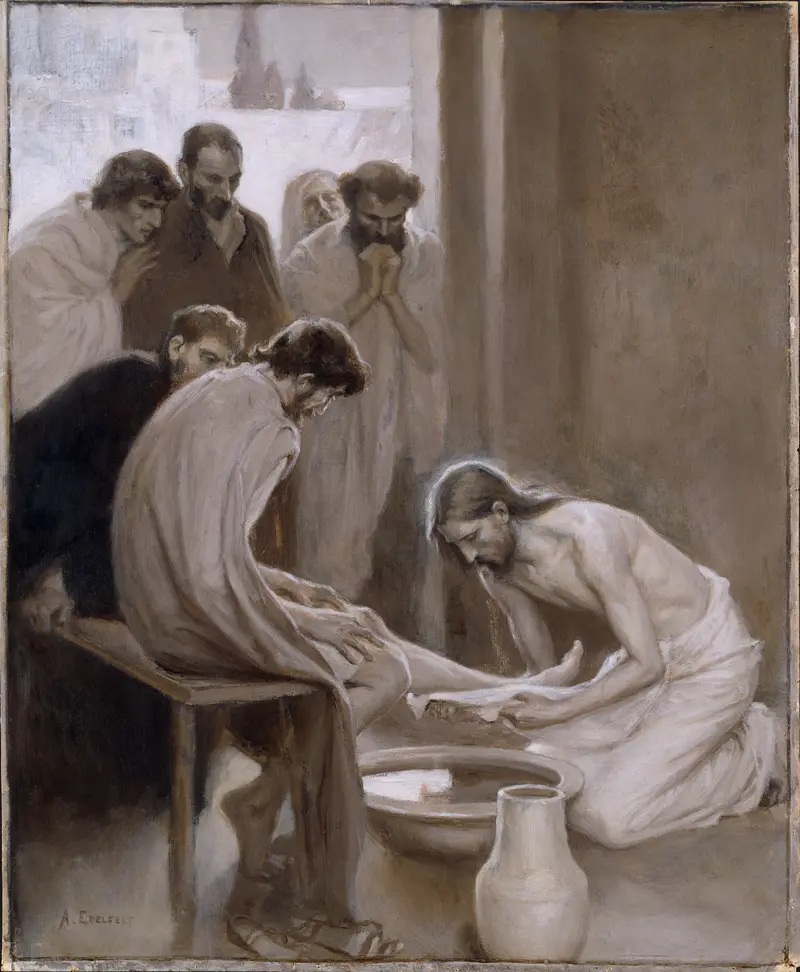
Jesus Washing the Feet of his Disciples
Albert Edelfelt

Larin Paraske with Kantele
Albert Edelfelt
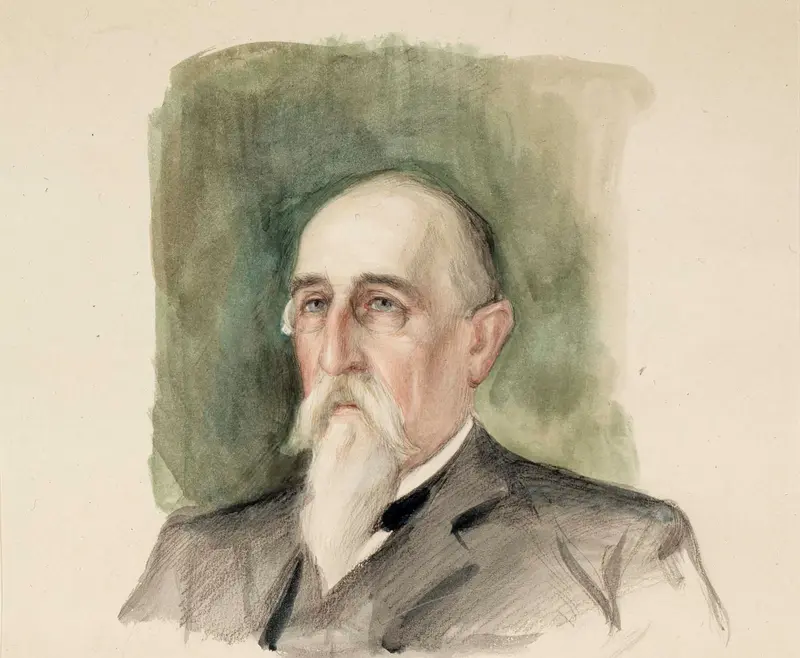
Leo Mechelin, Portrait Study
Albert Edelfelt





