
Au pont des Quatre-borne — History & Facts
What if silence could speak through light? In Au pont des Quatre-borne, shadows stretch and blend with soft hues, inviting us to contemplate the weight of absence and loss. Focus on the shimmering reflections in the water, where the quiet blues and greens merge gently, resonating with a sense of longing. The bridge, with its delicate arch, draws the eye to its center, creating a pathway that beckons yet feels hauntingly incomplete. Notice how the light filters through the foliage, casting intricate patterns that dance across the surface, evoking a bittersweet nostalgia that lingers in the heart. Within this tranquil scene lies a profound emotional tension—grief is woven into every brushstroke.
The bridge symbolizes connection yet also separation; it stands as a monument to what once was and what can never be again. The subtle interplay of light and shadow suggests an elusive memory, a moment suspended in time that echoes the fragility of human experience and the inevitable passage of time. In 1902, Charles-Louis Houdard created this piece during a period marked by a growing interest in Impressionism, reflecting the changing tides of art in France. The artist was exploring the nuances of light and atmosphere, drawing inspiration from both the natural world and the emotional landscapes it evokes.
At this time, art was transitioning toward capturing fleeting moments, and Houdard's work resonated with the collective yearning for deeper connections and understanding in a rapidly evolving society.
More Artworks by Charles-Louis Houdard
Browse all →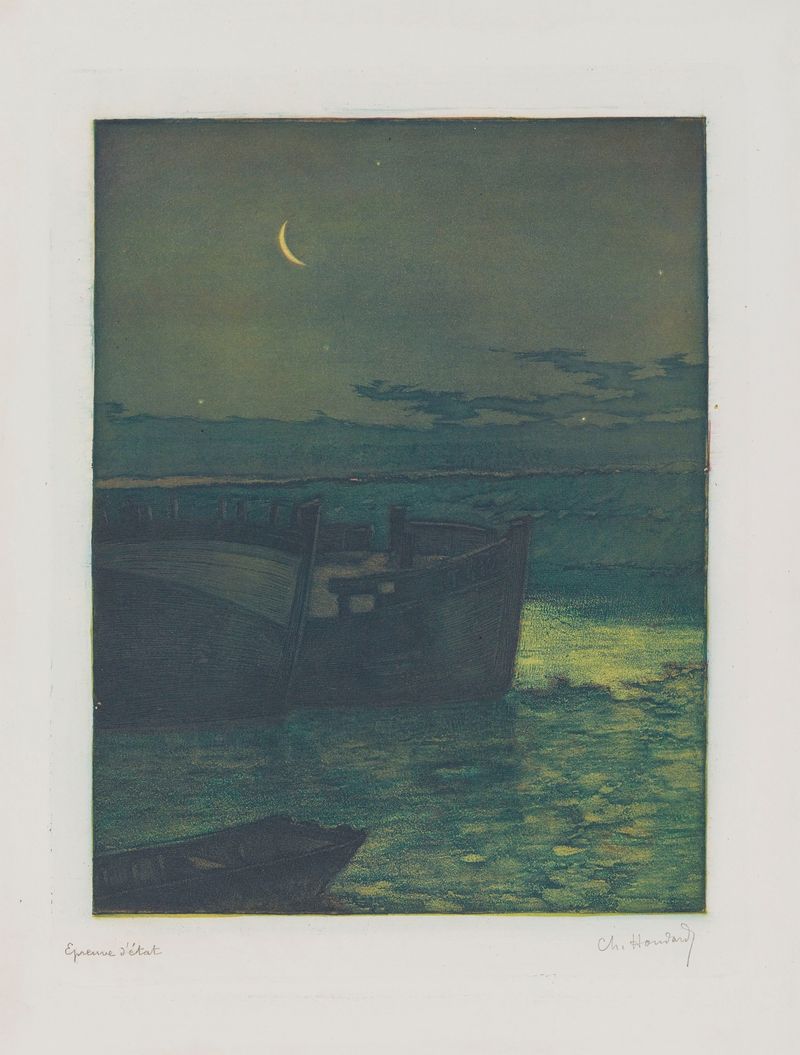
Epaves, navire échoué au clair de lune
Charles-Louis Houdard
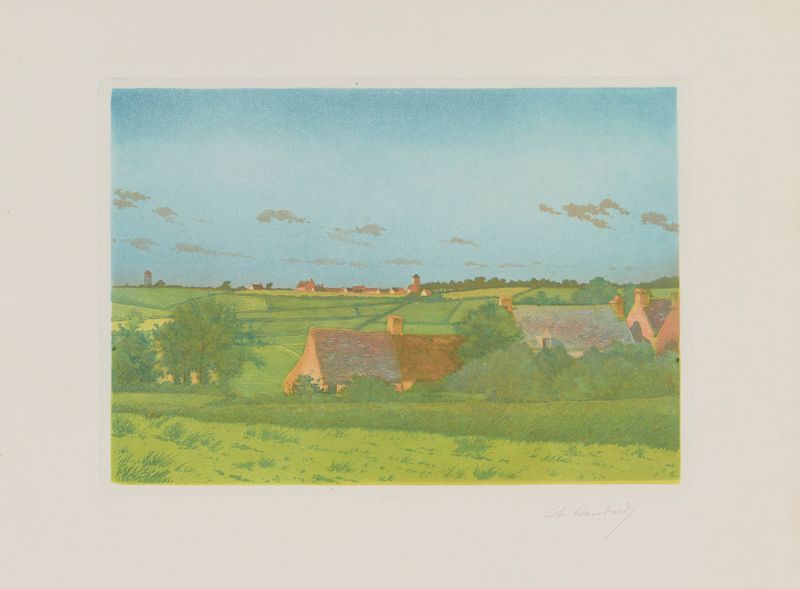
Les hauteurs de Crozon, Finistère
Charles-Louis Houdard
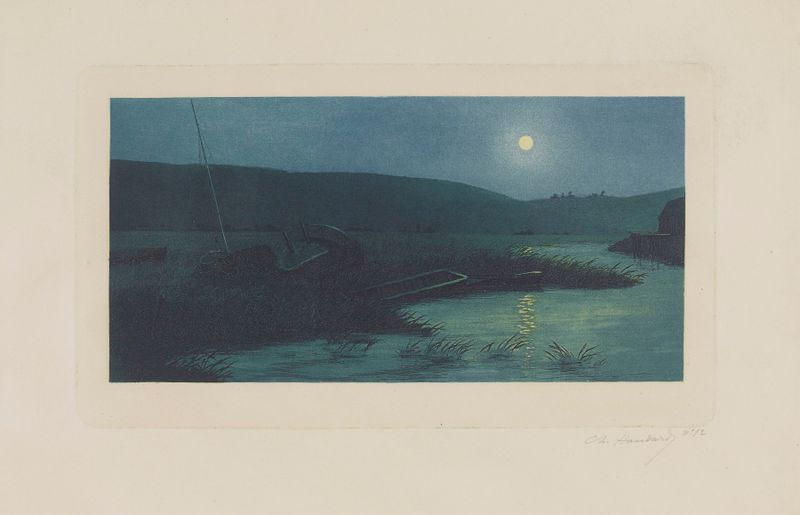
Clair de lune sur la Bresle
Charles-Louis Houdard
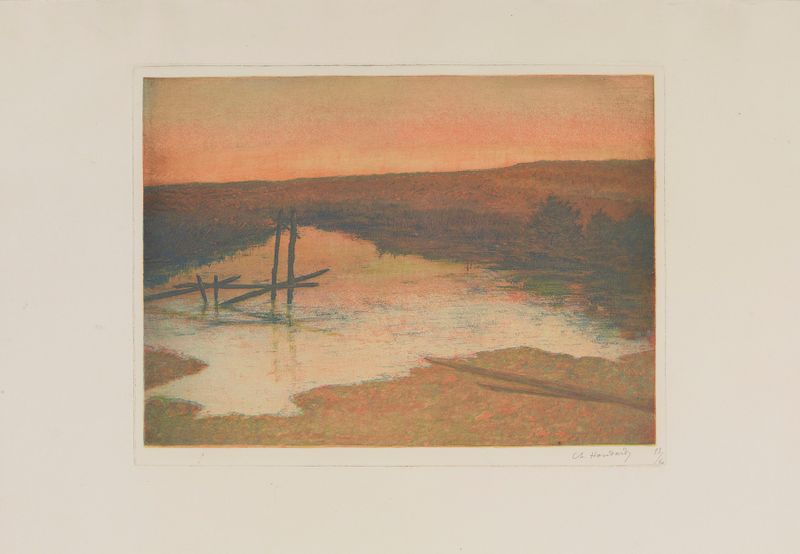
L’étang du moulin à Sémide
Charles-Louis Houdard
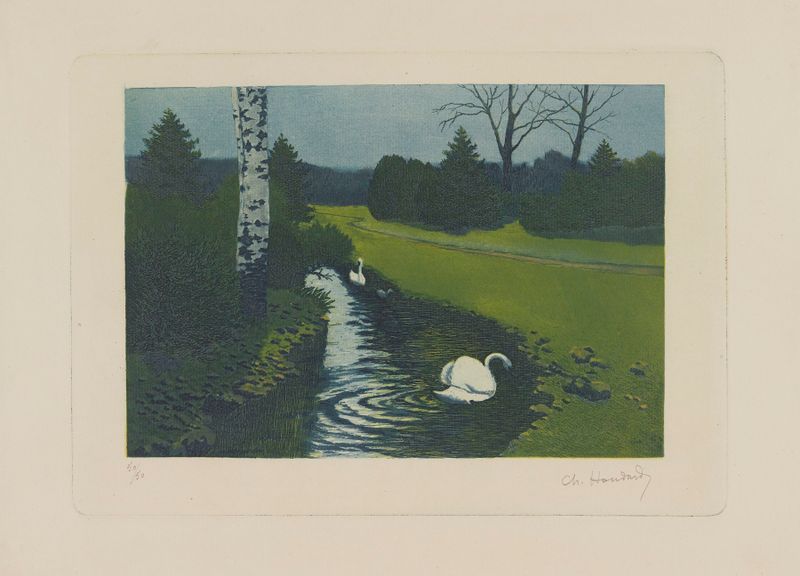
Au bois, cygnes sur un ruisseau
Charles-Louis Houdard
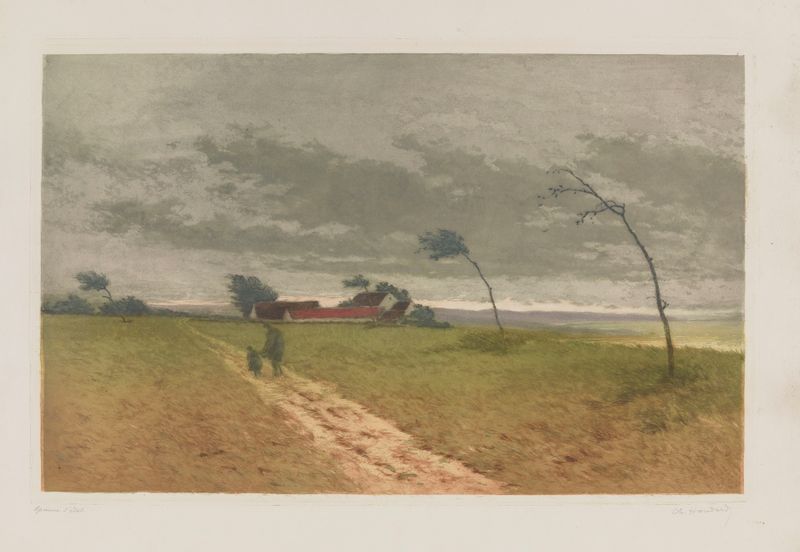
La rafale, plaine sous l’orage
Charles-Louis Houdard
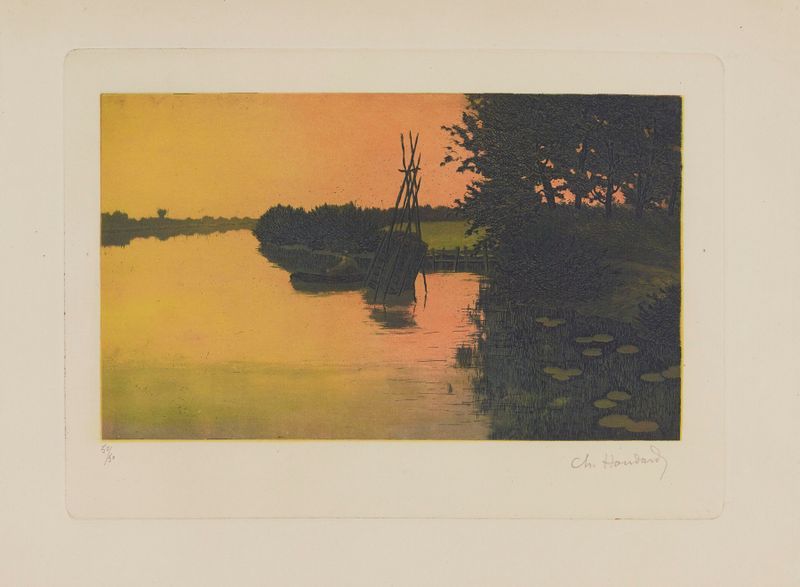
L’Oise à Précy
Charles-Louis Houdard
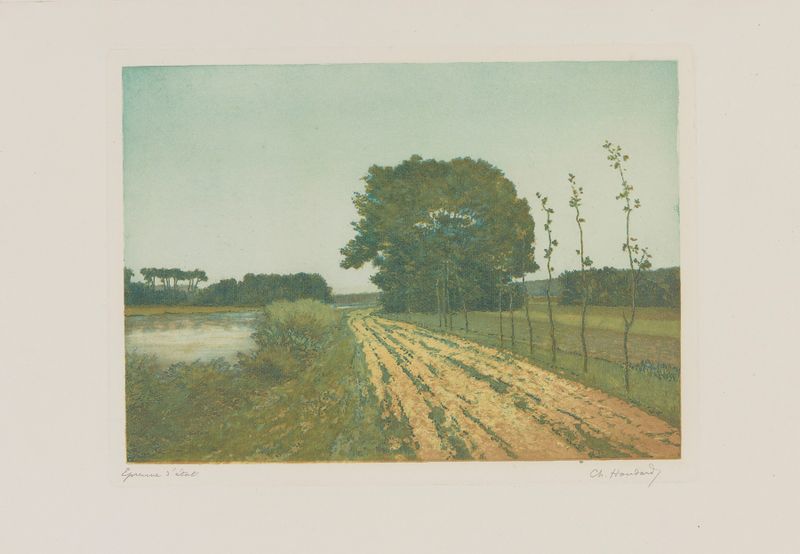
La route abandonnée
Charles-Louis Houdard
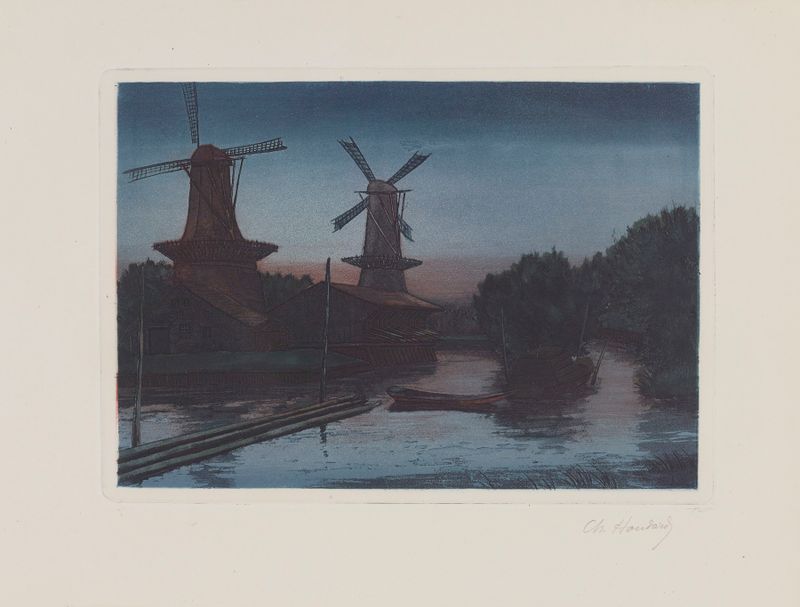
Moulins à Dordrecht
Charles-Louis Houdard
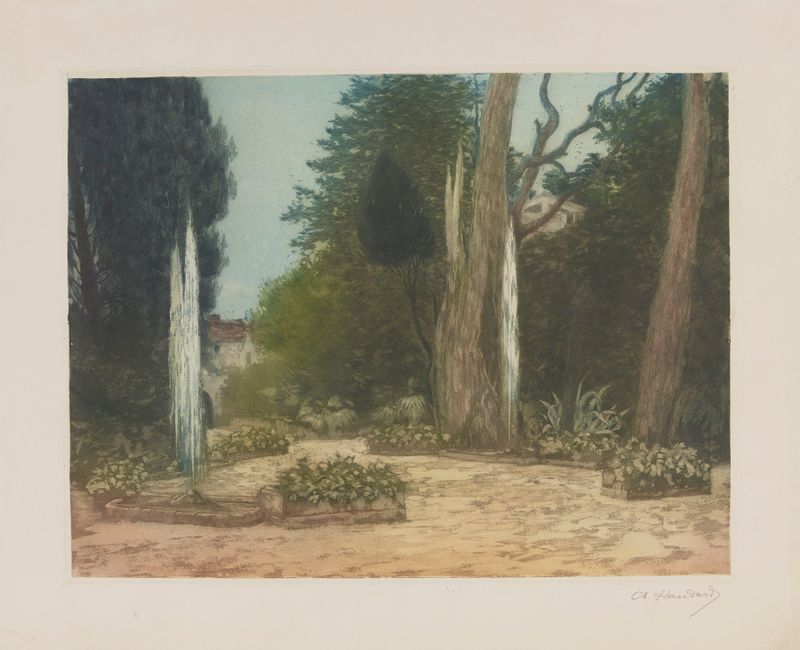
Villa d’Este, Tivoli, le rond-point
Charles-Louis Houdard





