
Aufgehender Mond — History & Facts
Where does light end, and longing begin? The interplay of shadow and illumination evokes a feeling of yearning that transcends the physical realm. Look to the center of the canvas, where a delicate moon hangs suspended against a backdrop of deep blues and whispering blacks. The luminescent orb, rendered with soft, almost ethereal brushstrokes, casts a gentle glow that contrasts sharply with the surrounding darkness. Notice how the shadowy landscape below is shaped by this light, creating an intimate space that feels both inviting and melancholic, as if beckoning the viewer into a world of contemplation. Beneath the surface, there is a profound tension between hope and desolation.
The moon, a symbol of dreams and desires, illuminates the unknown, hinting at possibilities that lie beyond reach. Yet, the deep shadows suggest not just absence, but also the weight of unfulfilled aspirations. As the light dances on the edges, it evokes an emotional landscape of longing, inviting the viewer to explore their own feelings of nostalgia and desire. In 1924, Karl Wiener painted Aufgehender Mond during a pivotal period of his career in Germany.
The post-World War I era was marked by social upheaval and artistic experimentation, with artists seeking to express the complex emotions of their time. Wiener, influenced by the interplay of light and shadow, sought to capture the essence of human experience through his evocative landscapes, reflecting both the beauty and the sorrow of existence.
More Artworks by Karl Wiener
Browse all →
Österreich
Karl Wiener

Vorstadt VII
Karl Wiener

Der Turm
Karl Wiener

Ohne Titel (Häuser mit Holzscheune)
Karl Wiener

Kopfstudie, aus; ‘Profile’, 10 Blätter, Graz XV
Karl Wiener

Steinberg
Karl Wiener
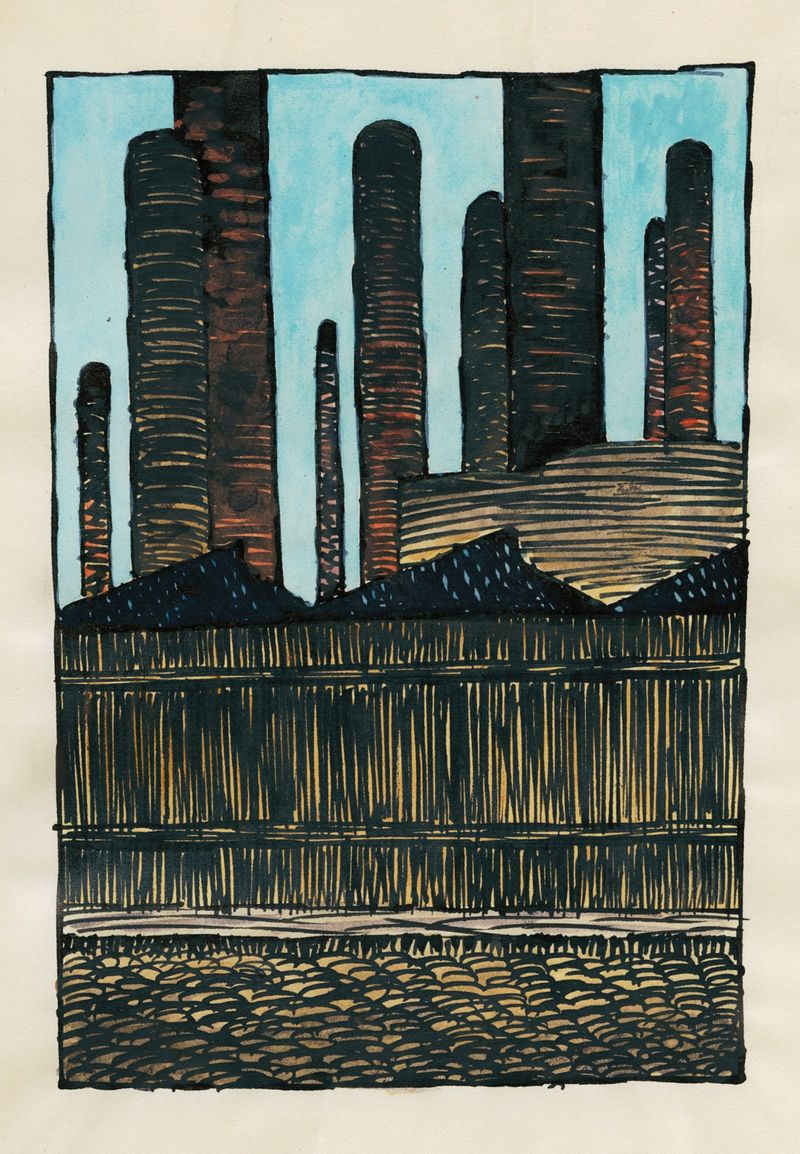
Kopfstudie, aus; ‘Profile’, 10 Blätter, Graz XIV
Karl Wiener

Ohne Titel (Bauernhaus mit Vorgarten)
Karl Wiener
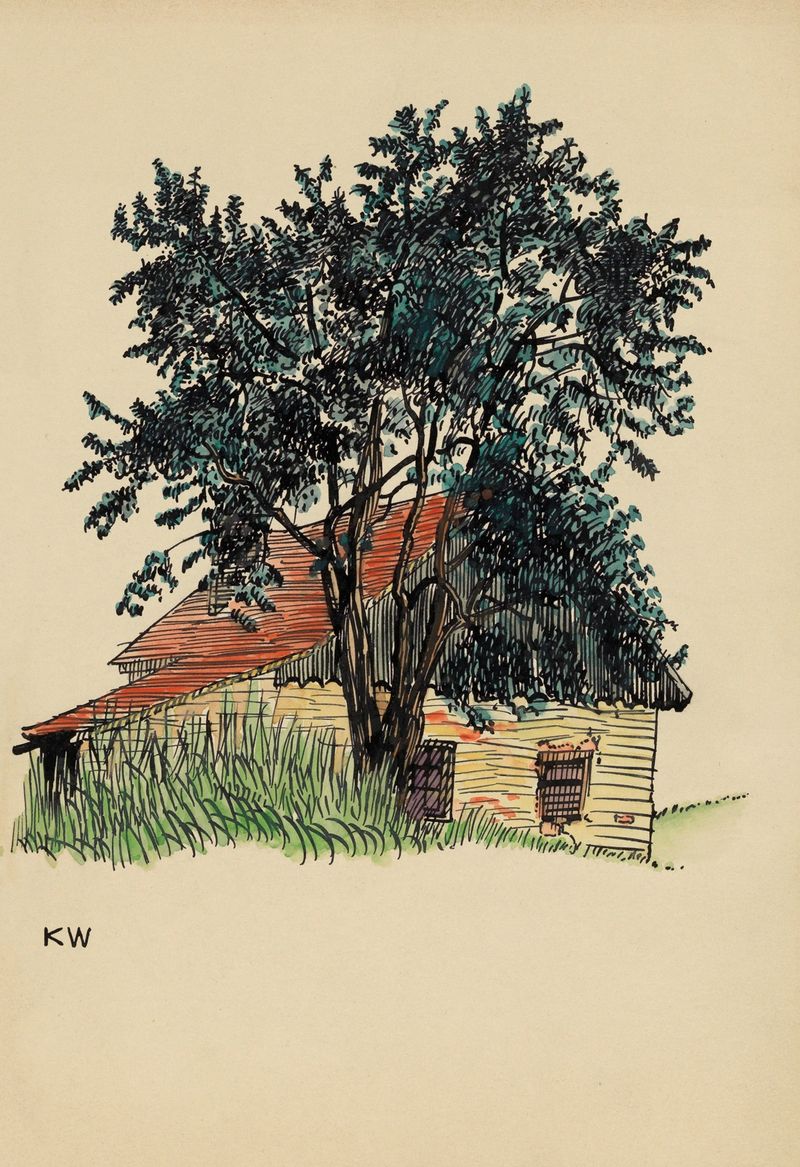
Ohne Titel (Bauernhaus)
Karl Wiener
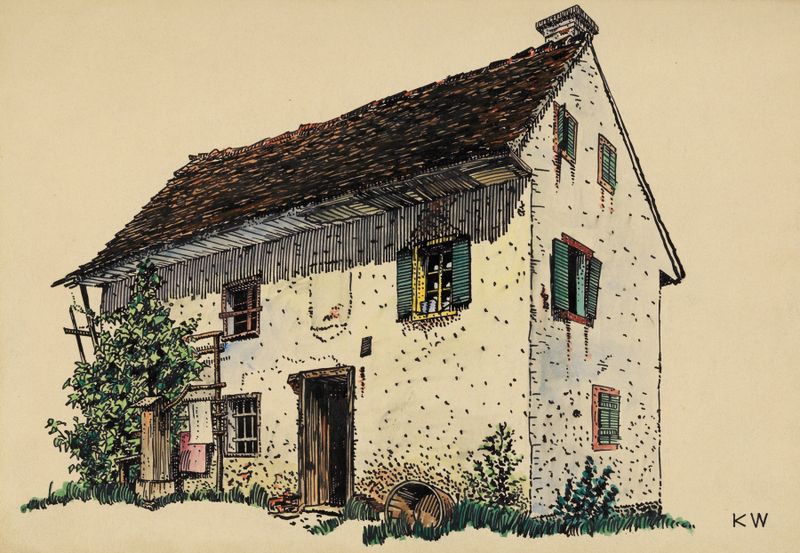
Ohne Titel (Bauernhaus)
Karl Wiener





