
Augustiner Bräu und Kloster Mülln — History & Facts
In the quiet embrace of a fading afternoon, the brushstrokes of Compton's work whisper of an awakening — an invitation to a hidden world, rich with stories waiting to unfold. Focus on the central structure, the Augustiner Bräu, where golden hues embrace the building, radiating warmth amid the cool shadows that loom behind. Notice how the light caresses the facades, outlining every arch and window, implying the life that thrums within. The surrounding landscape of verdant trees and soft hills beckons, not merely as background, but as an integral part of this serene communion.
The artist's use of color breathes vitality into the scene, conjuring a moment that feels both intimate and grand. Yet, beneath the tranquil exterior lies a tension between tradition and modernity. The juxtaposition of the rustic architecture against the encroaching nature reveals a struggle — the enduring spirit of the past grappling with the inevitability of change. Small details, such as the figures engaged in leisurely pursuits, evoke a sense of community and shared experience, while each brushstroke seems to echo the heartbeat of a time long gone, reminding us of the fleeting nature of moments and memories. Compton painted this piece during a period of exploration in the late 19th century, a time when the world of art was embracing both realism and impressionism.
Residing in the Alpine regions, he was deeply influenced by the landscapes he encountered, capturing the essence of places that offered an escape from the rapidly industrializing world. His work reflects not only personal experiences but also a broader cultural awakening, where nature and humanity intertwine in their slow dance through time.
More Artworks by Edward Theodore Compton
Browse all →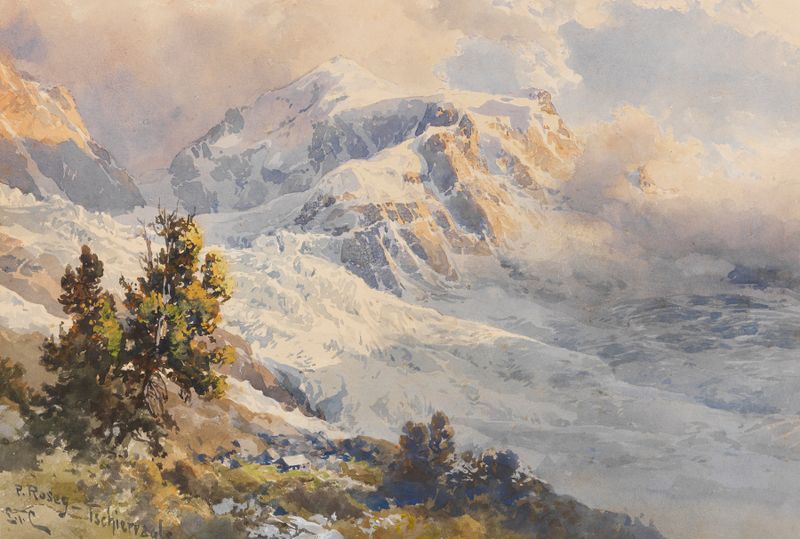
Piz Roseg – Tschiervagletscher
Edward Theodore Compton
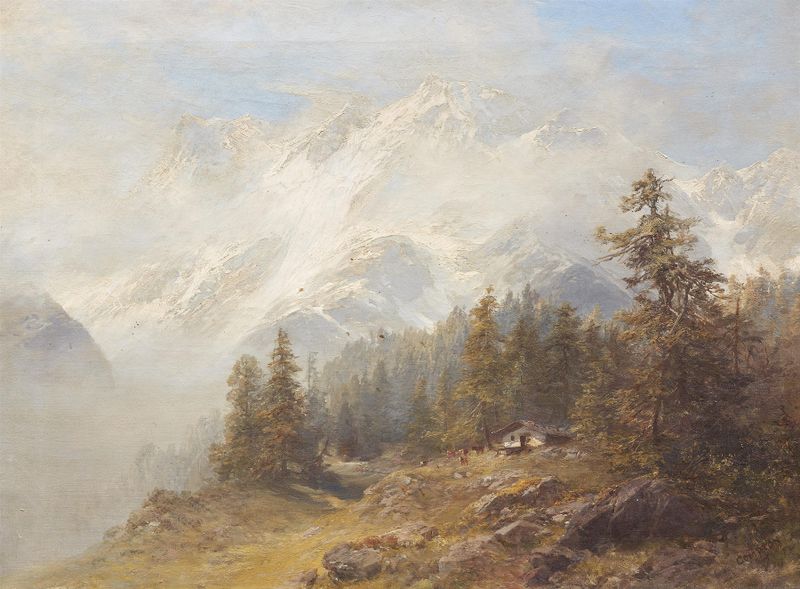
Alpenlandschaft vor schneebedecktem Massiv
Edward Theodore Compton
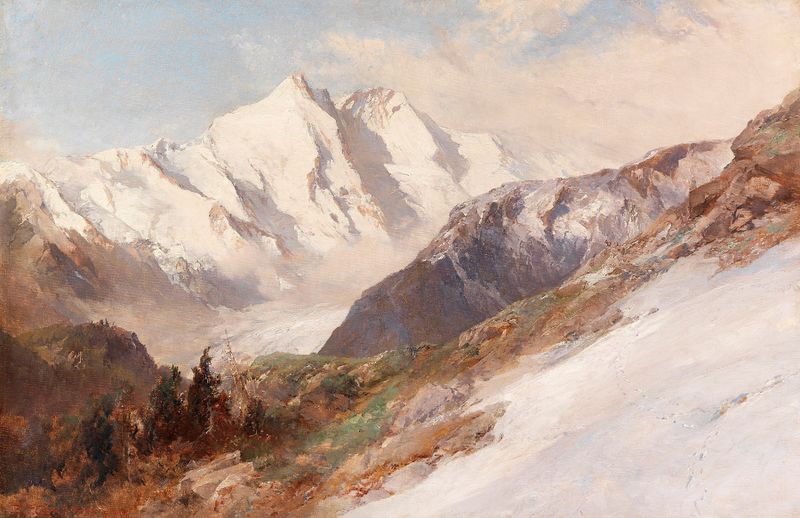
Blick auf die Nordseite des Großglockners
Edward Theodore Compton
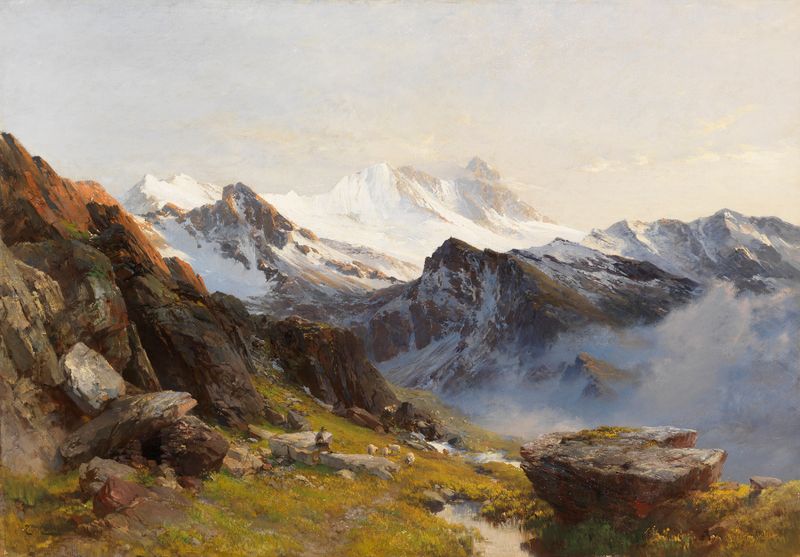
Großglockner von der Prager Hütte aus, früh
Edward Theodore Compton
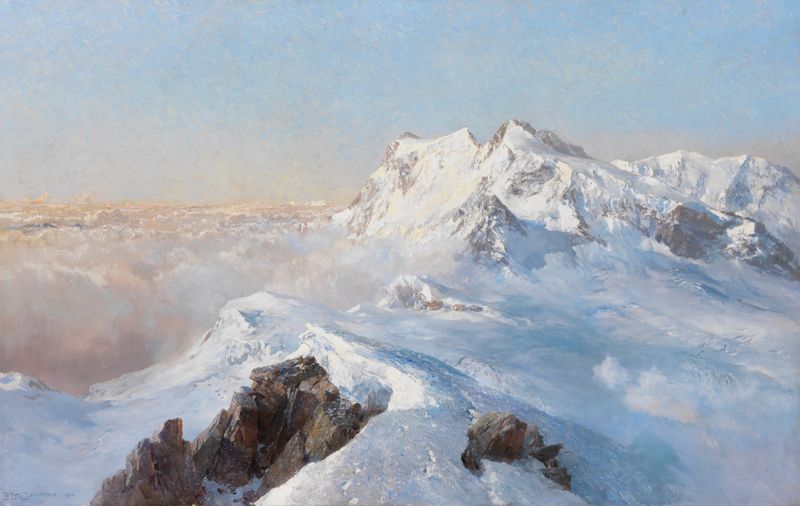
Über dem Nebelmeer (Monte Rosa vom Rimpfischhorn)
Edward Theodore Compton
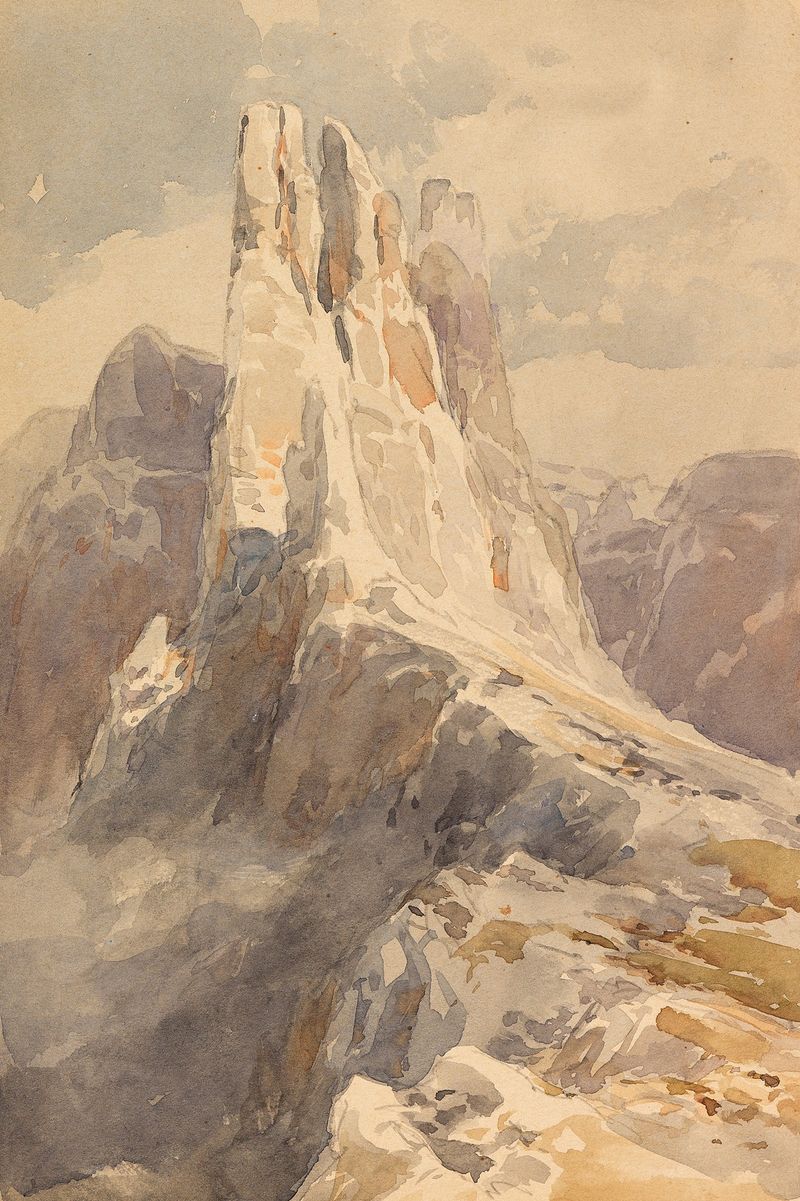
Blick auf die Vajolet-Türme in den Dolomiten
Edward Theodore Compton
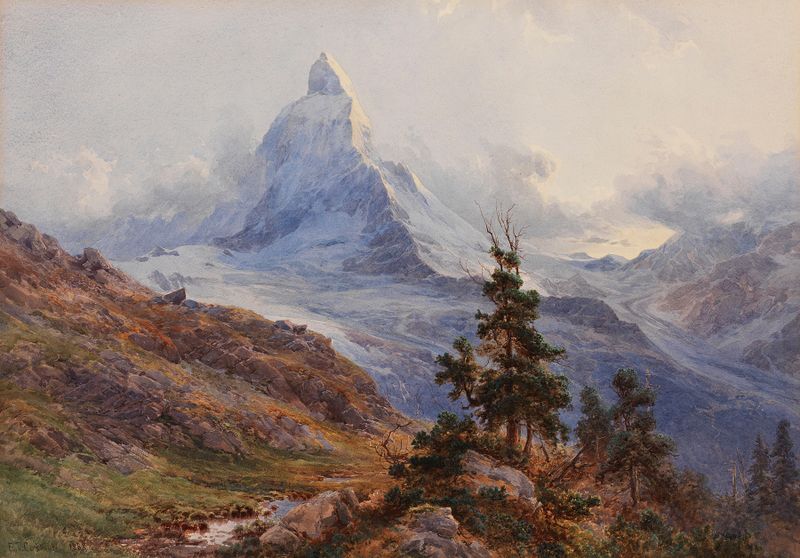
View of the Matterhorn
Edward Theodore Compton
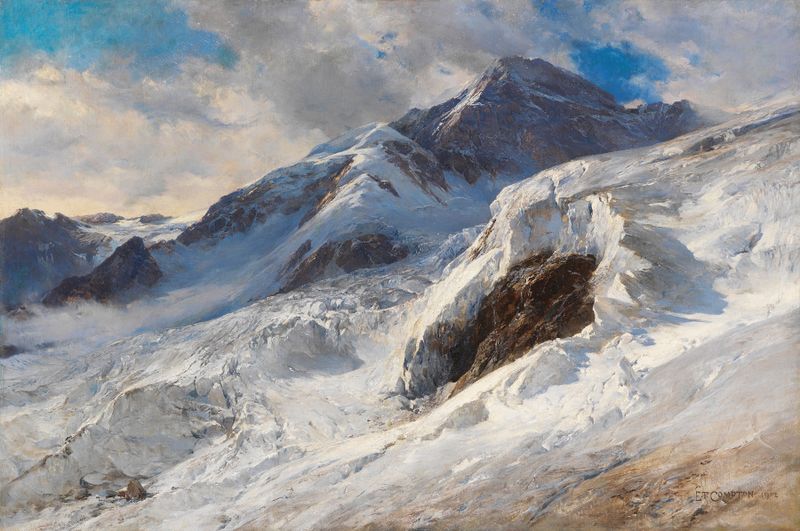
Lyskamm (Monte-Rosa)
Edward Theodore Compton
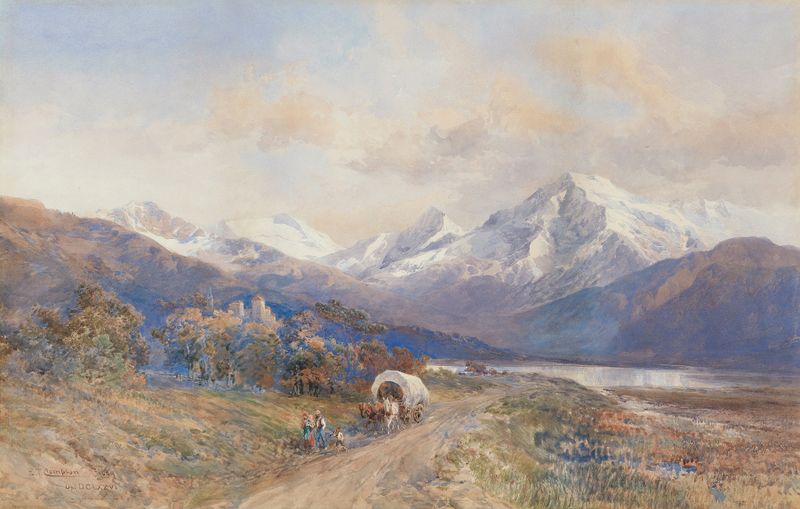
Blick auf den Ortler von St. Valentin
Edward Theodore Compton
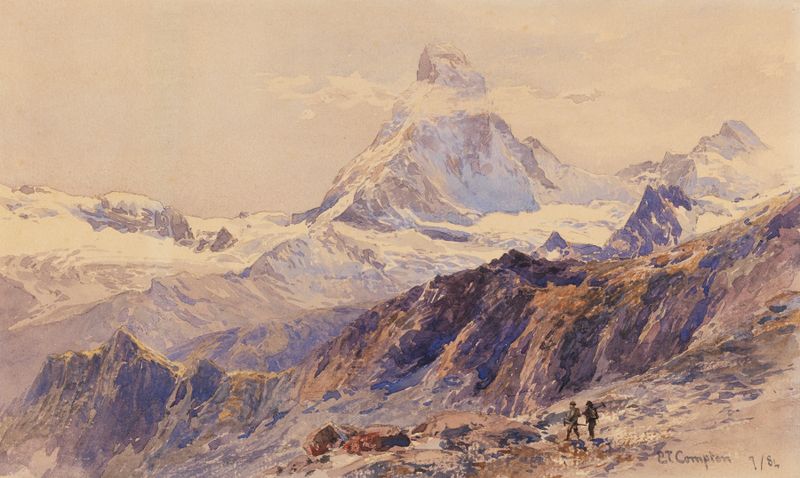
Das Matterhorn von der Triftkumme
Edward Theodore Compton
More Architecture Art
Browse all →
The statue of Liberty
Frédéric Auguste Bartholdi

View of Houses in Delft, Known as ‘The Little Street’
Johannes Vermeer

View of Houses in Delft, Known as ‘The Little Street’
Johannes Vermeer

The Cathedral in Rouen. The portal, Grey Weather
Claude Monet

The yellow house
Vincent van Gogh

The Church in Auvers-sur-Oise, View from the Chevet
Vincent van Gogh