
Augustus Keppel, Viscount Keppel — History & Facts
It is the sheer presence of the sitter that commands attention here: a man whose gaze meets the viewer with a mixture of gravity and resolve, framed by the rich, dark void behind him. The light falls decisively across his face and chest, picking out the elaborate gold embroidery of his uniform and the crisp white of his hair, while his hand rests with casual authority on the hilt of a sword. Every detail is designed to signal status, command, and the weight of responsibility.
The painter has chosen a low horizon, letting the figure rise powerfully against the gloom, his body angled but his head turned squarely toward us—a pose that suggests both action and contemplation. Portraits of this type flourished in late eighteenth-century Britain, when naval and military leaders were lionized in paint as much as in print. The year 1779 places this work in the thick of the Age of Enlightenment, when public figures were celebrated not just for birth but for deeds. Works like this, often commissioned by families or institutions, served as both commemoration and inspiration, a visual assertion of loyalty and leadership.
The artist’s name and the sitter’s identity may be widely known, but history has kept few traces of this specific canvas’s journey—other than the fact that it was painted in 1779 and is now the subject of copyright claims by third parties. The portrait invites us to look again, searching the sitter’s face for the private man behind the public role.
More Artworks by Sir Joshua Reynolds
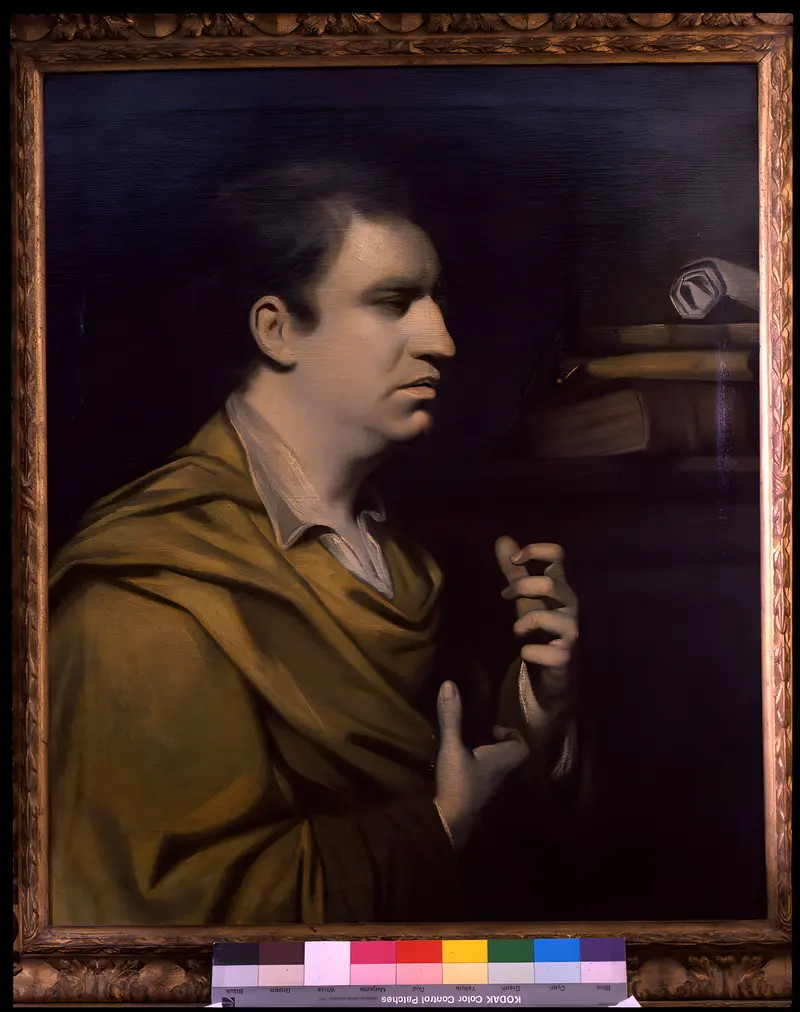
Samuel Johnson (1709-1784)
Sir Joshua Reynolds
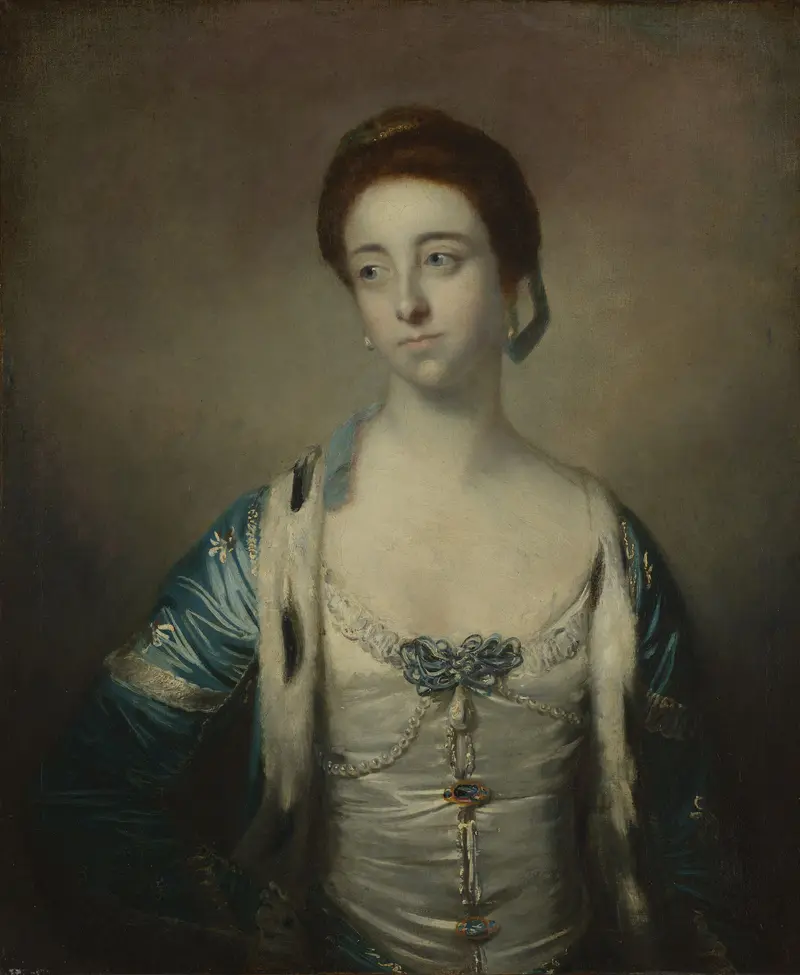
Mrs. Robert Brudenell
Sir Joshua Reynolds
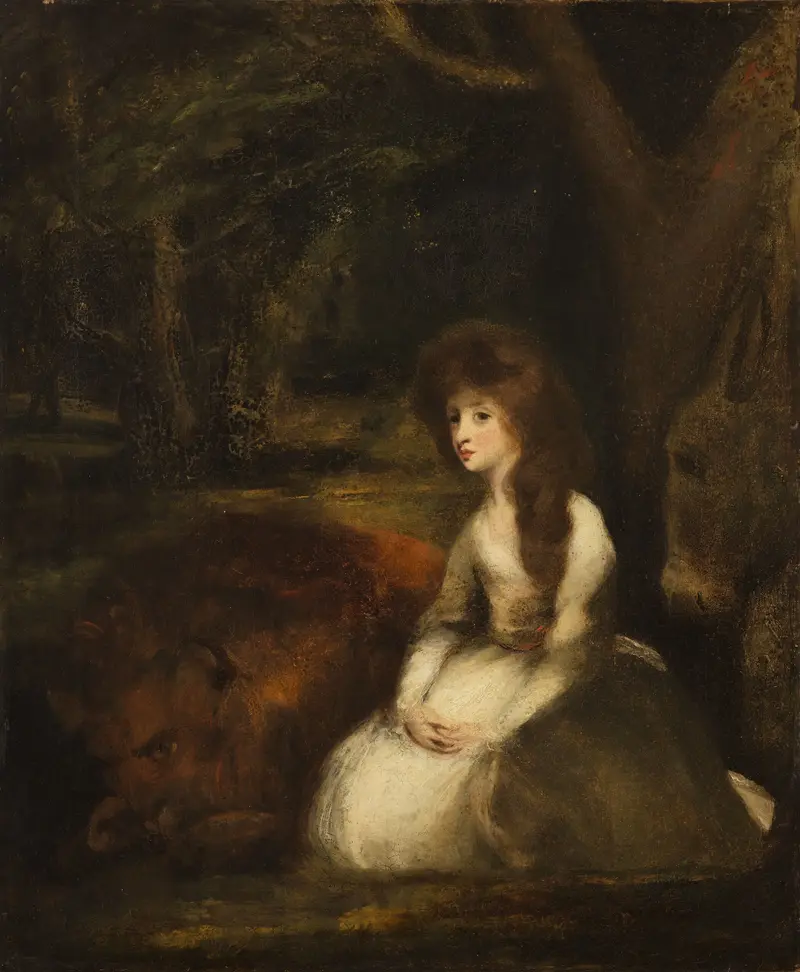
Miss Elizabeth Beauclerc as Una with the Lion
Sir Joshua Reynolds

Lady Sarah Bunbury Sacrificing to the Graces
Sir Joshua Reynolds
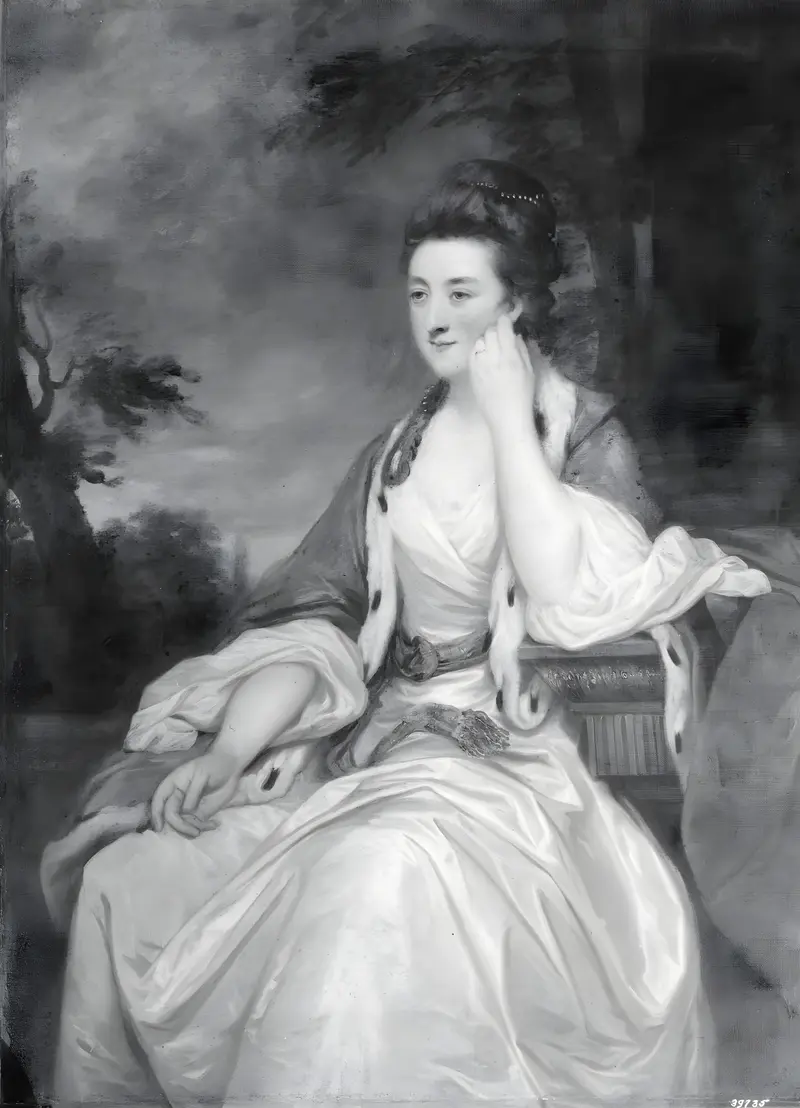
Lady Louisa Conolly
Sir Joshua Reynolds
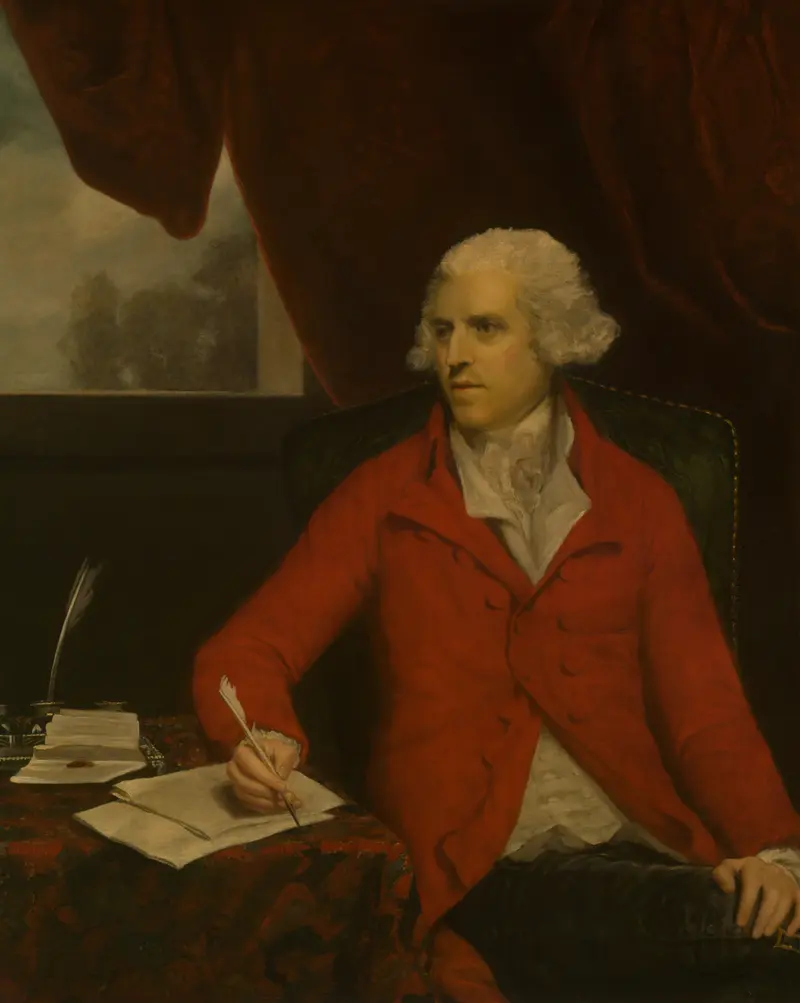
Sir Thomas Rumbold, Bt.
Sir Joshua Reynolds
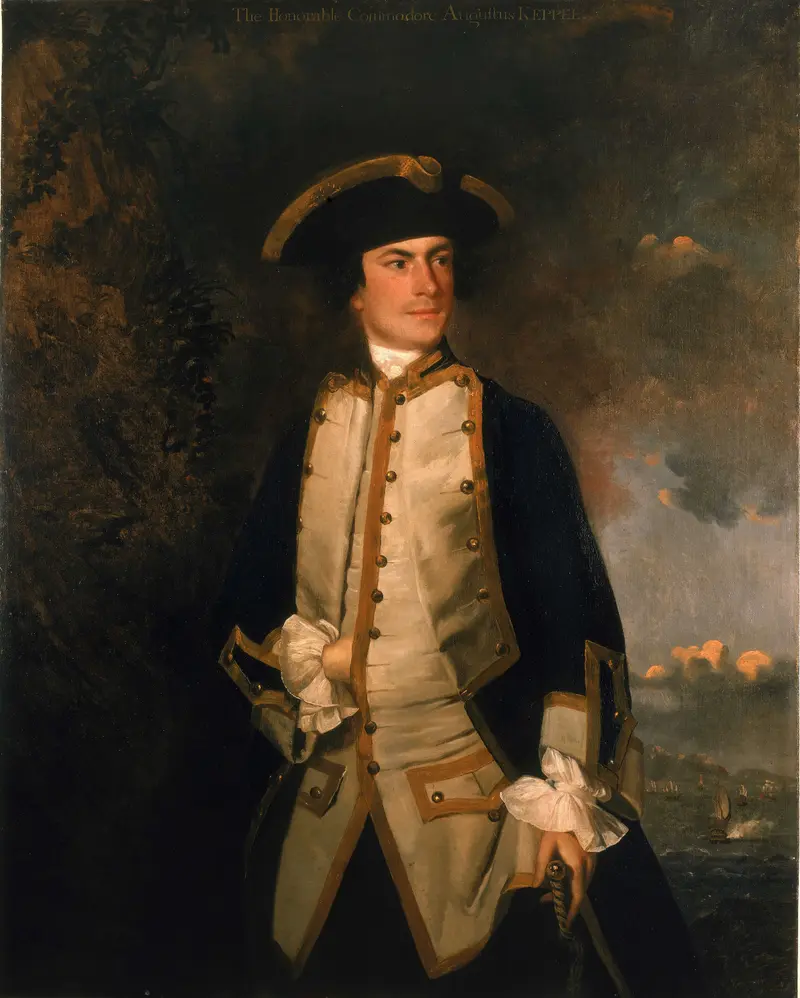
Commodore the Honourable Augustus Keppel
Sir Joshua Reynolds
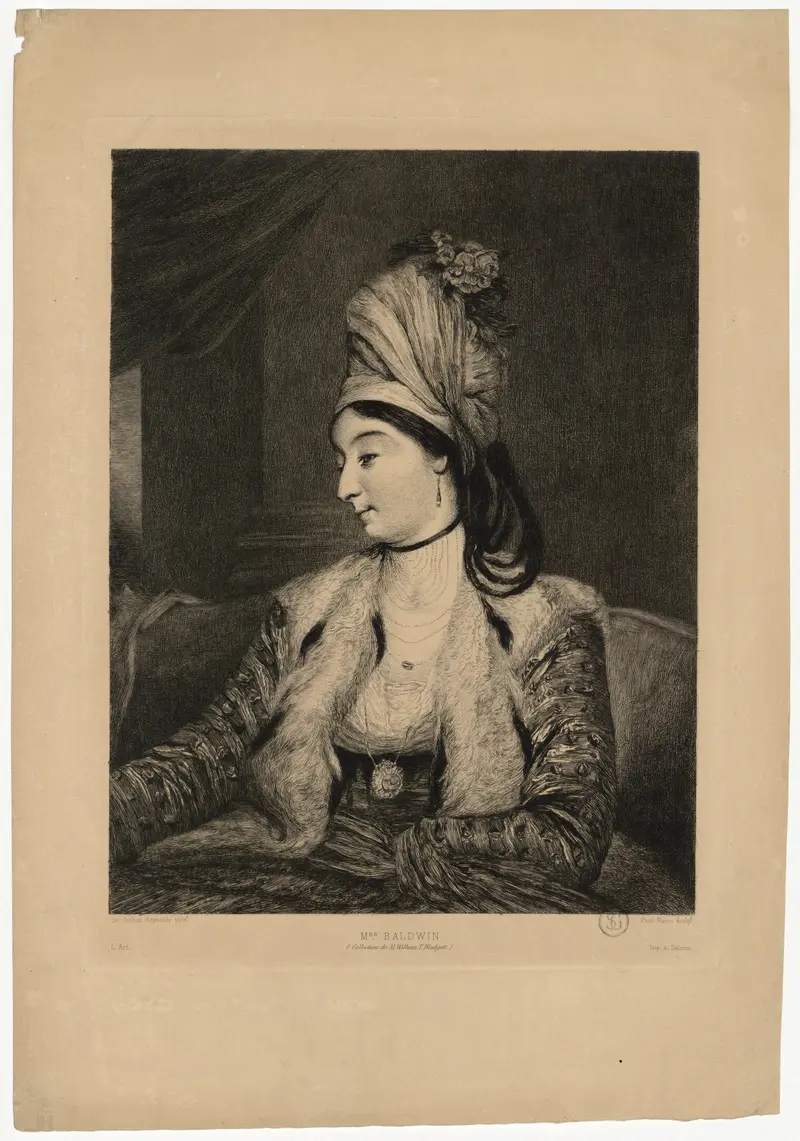
Mrs Baldwin. Sir Joshua Reynolds pinx.t Paul Rajon sculp.t
Sir Joshua Reynolds
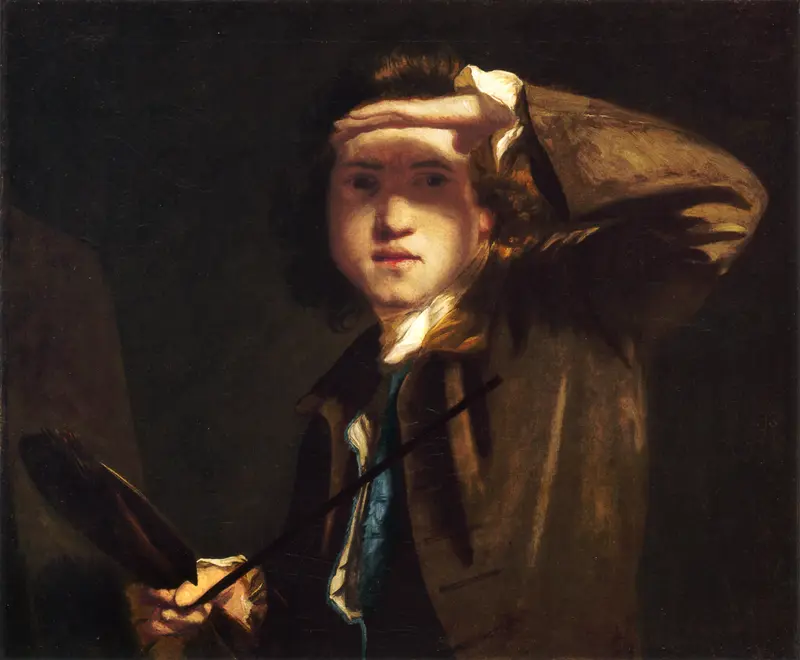
Sir Joshua Reynolds
Sir Joshua Reynolds
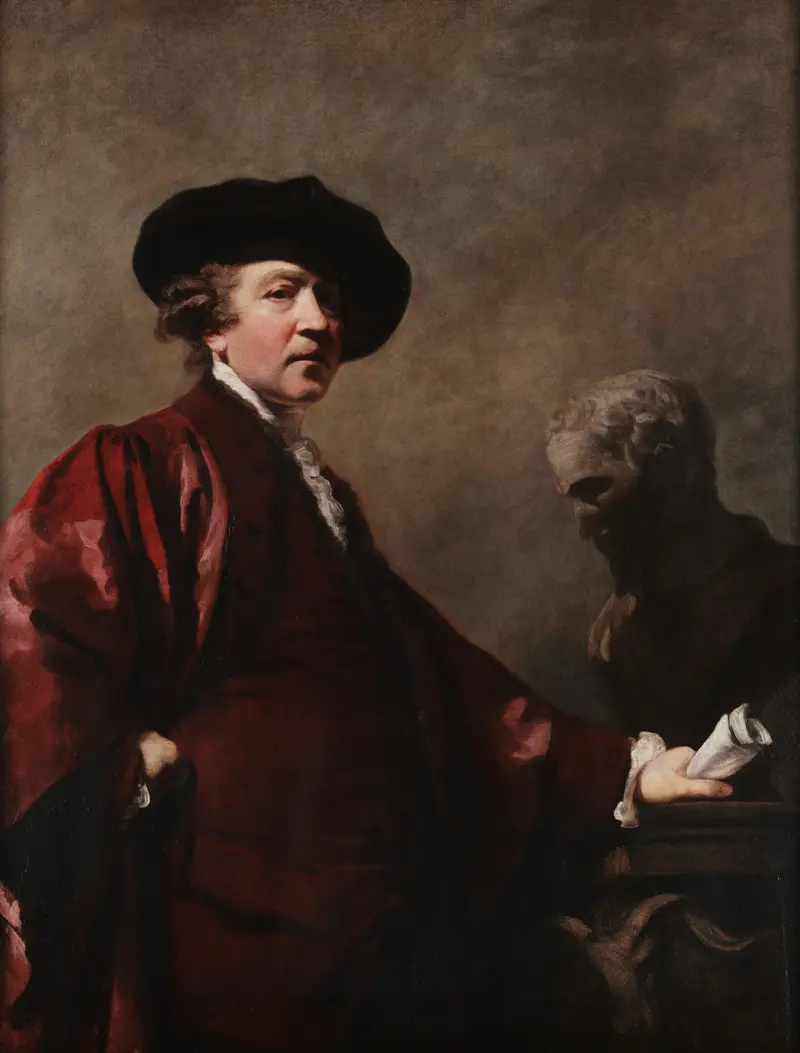
Self-Portrait
Sir Joshua Reynolds





