painting — History & Facts
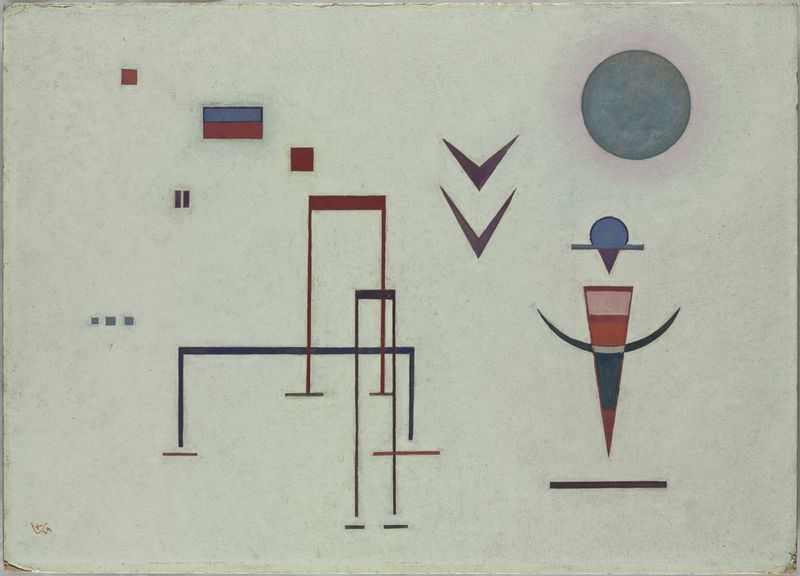
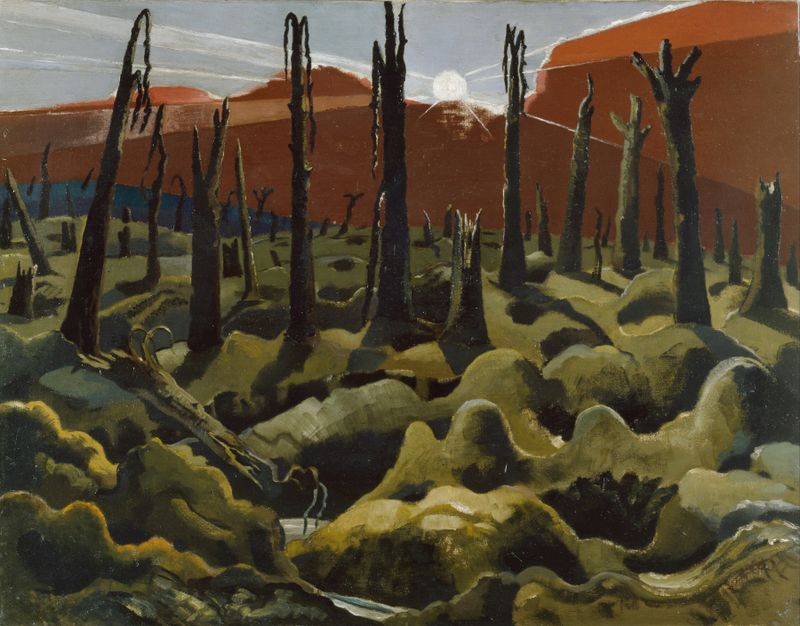
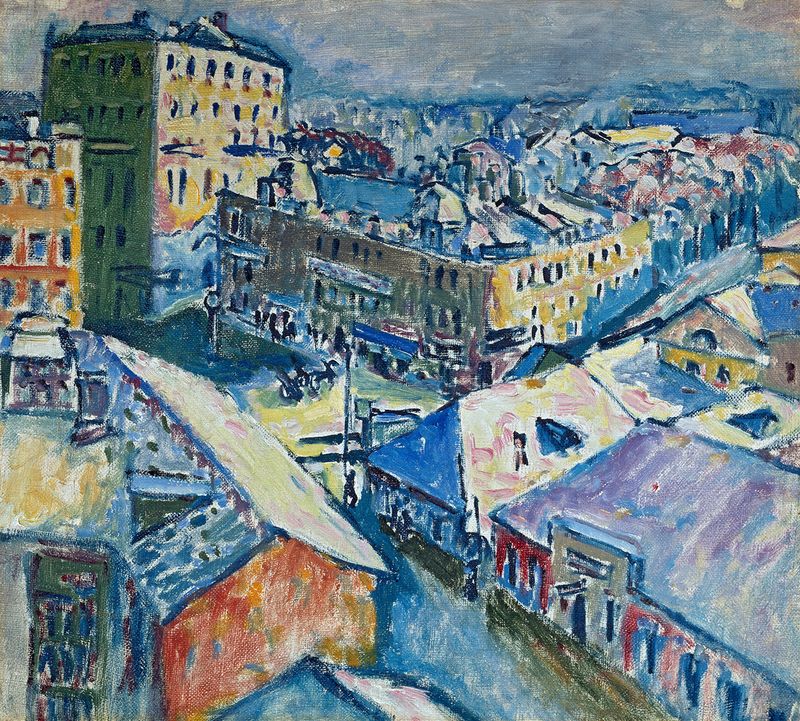
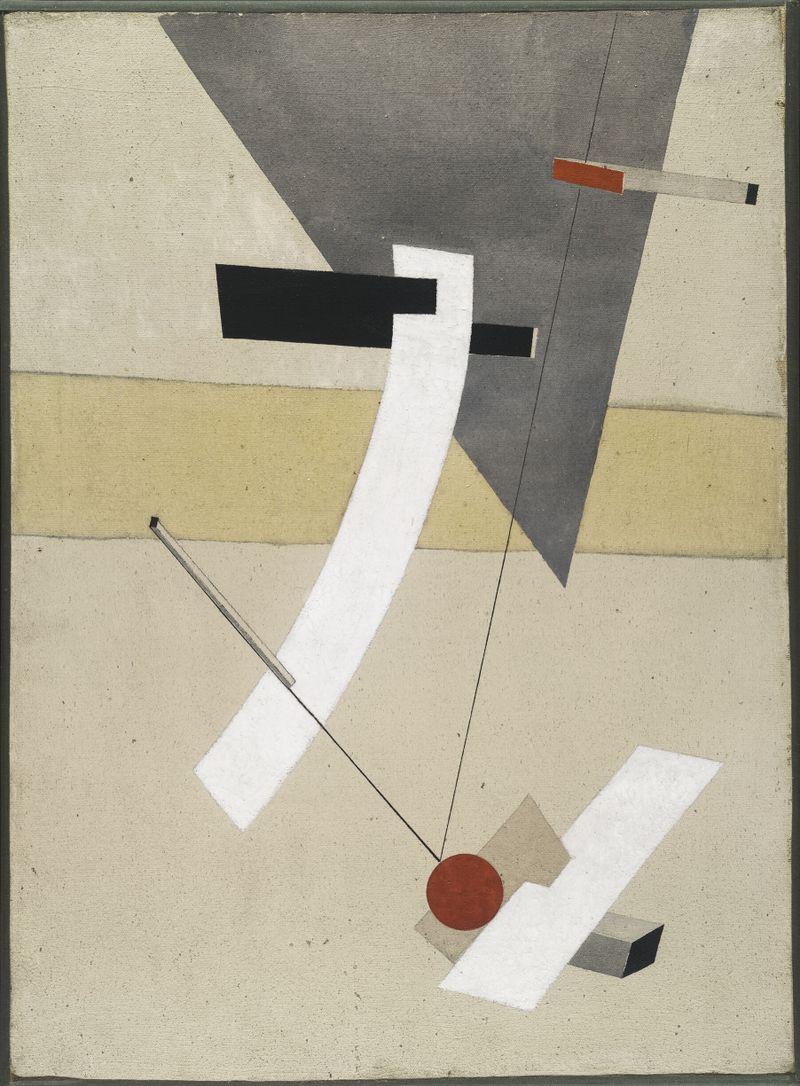
When did color learn to lie? In a world where hues dance between truth and illusion, our perception of reality is both challenged and transformed. Look to the left at the bold swathes of crimson that pulse with a life of their own, drawing the eye into a vibrant vortex. The artist employs a frenetic brushstroke that simulates movement, suggesting a narrative that teeters on the edge of abstraction. Notice how the deep blues juxtapose the fiery reds, creating a visual tension that whispers of conflict and harmony, inviting a deeper exploration of the emotional landscape within the canvas. As you engage with the piece, consider the interplay between light and shadow; the artist's deliberate choices forge a pathway between the known and the unknown.
The swirling forms might represent fleeting moments of inspiration, while the subtle gradations in tone speak to the fragility of human emotion. Each brushstroke is an echo of the artist’s inner turmoil, revealing a duality that resonates with the viewer — beauty intertwined with complexity. Wolf Voigt created this captivating work during a tumultuous period in his life, when the art world was increasingly leaning towards modernism. Although the exact date remains unknown, it reflects a time marked by rapid change and experimentation.
As traditional boundaries blurred, Voigt sought to capture the essence of human experience, offering a glimpse into the profound connections and contradictions that define our existence.