
Autumn — History & Facts
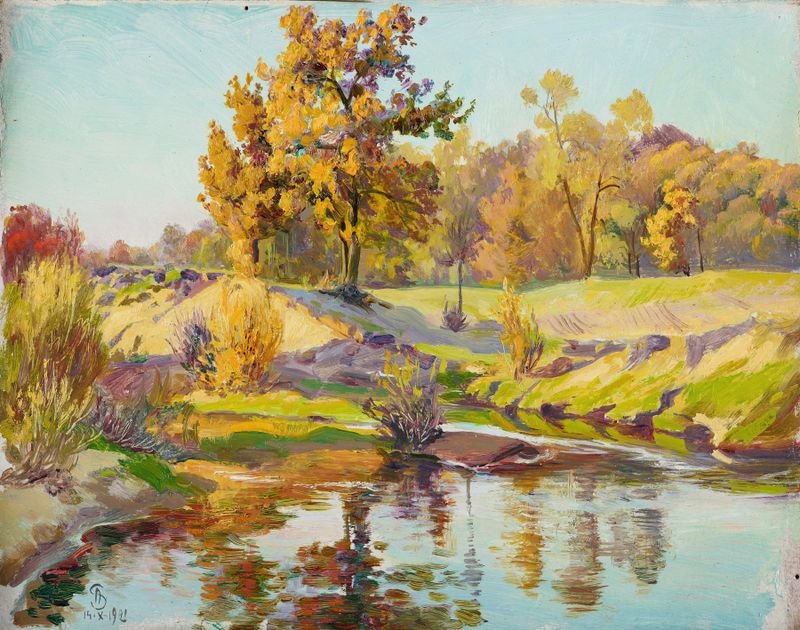
Can paint confess what words never could? In Autumn, the canvas unfurls whispers of destiny, revealing the delicate dance between light and shadow as nature prepares for its inevitable slumber. Look to the center of the piece, where golden leaves flutter in a gentle breeze, each stroke a testament to the transient beauty of the season. Notice how the warm hues of ochre and rust converge, creating a tapestry of emotion that evokes nostalgia and acceptance. The brushwork is both fluid and precise, capturing the fleeting moment when summer yields to the embrace of winter, grounding the viewer in the cycle of life. The interplay of light and darkness in the painting speaks volumes about change and inevitability.
The fragmented silhouettes of trees in the background hint at the stark transition ahead, while the softness of the foreground invites reflection on what is lost and what remains. Each fallen leaf symbolizes potential and decay, prompting contemplation on our own journeys and the choices we face as we navigate change. Ambroży Sabatowski painted Autumn in 1921 during a period of personal evolution, having recently returned to Poland after years abroad. This era was marked by the aftermath of World War I and a search for national identity in art.
As artists adapted to shifting cultural landscapes, Sabatowski turned to the natural world, finding solace and expression in its cycles, thus encapsulating a broader human experience within his work.
More Artworks by Ambroży Sabatowski
Browse all →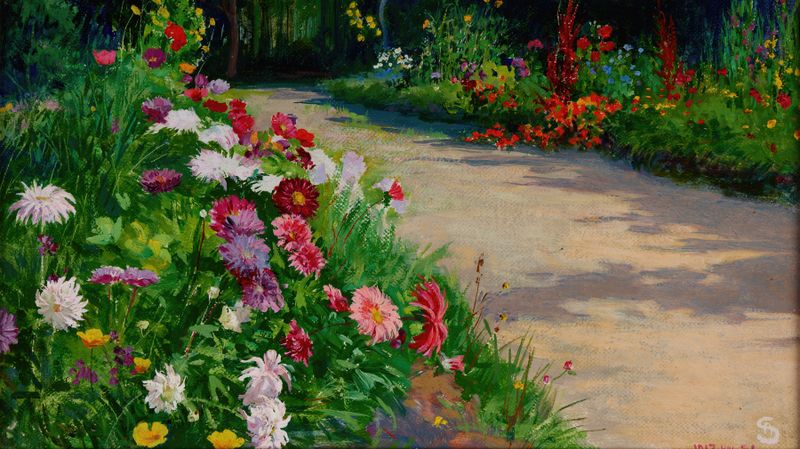
Asters
Ambroży Sabatowski
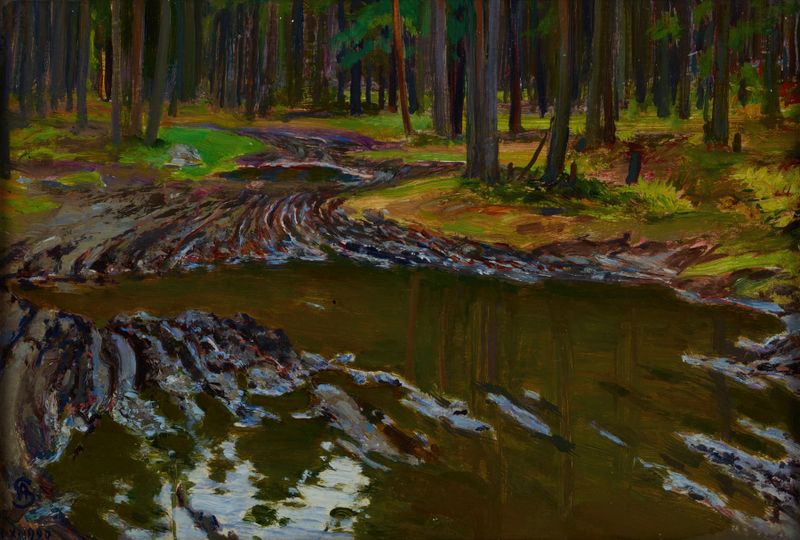
Mud in the Forest
Ambroży Sabatowski
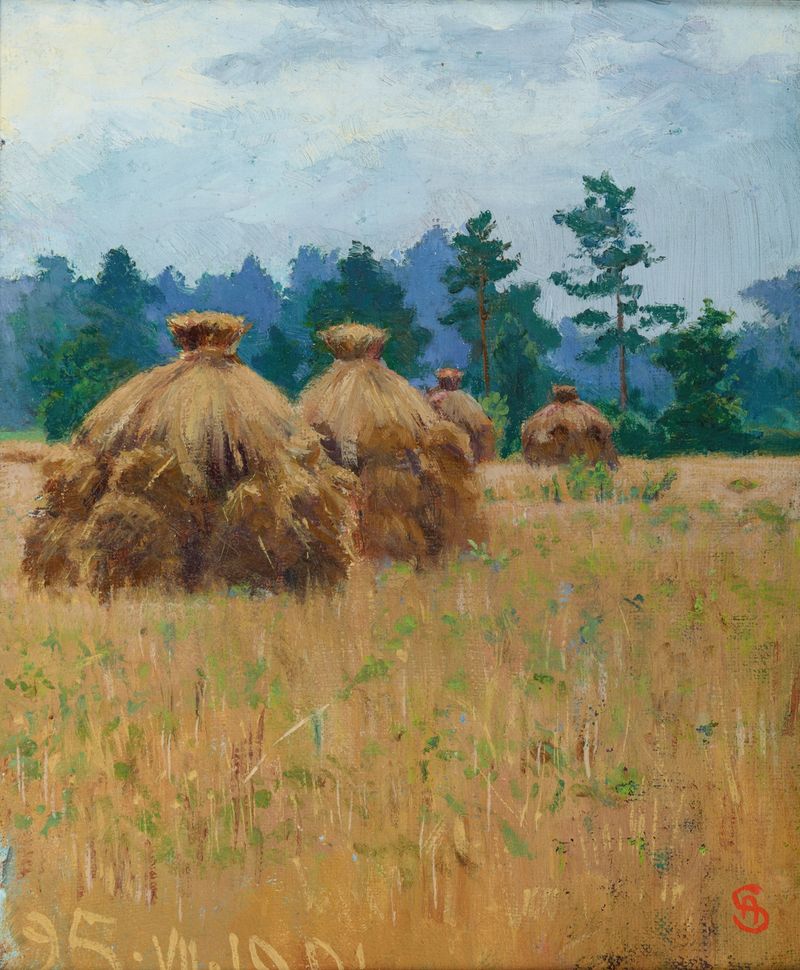
Volhynian Stacks of Corn
Ambroży Sabatowski
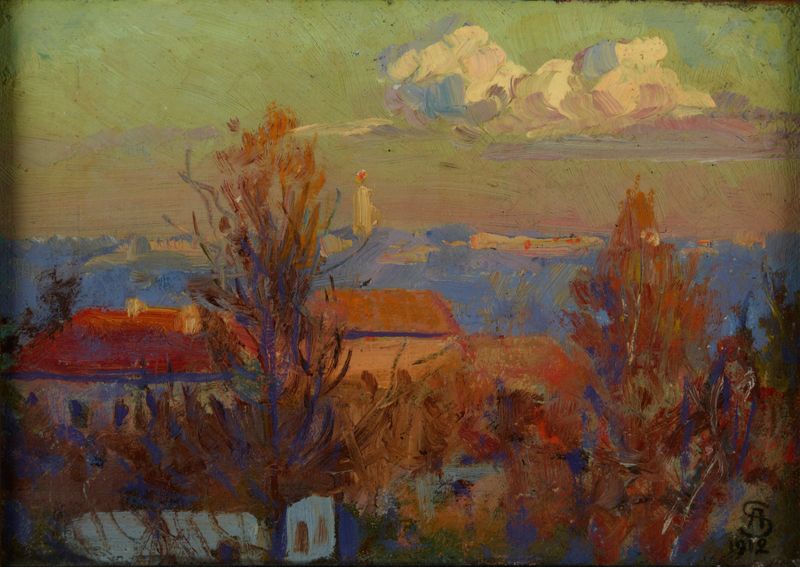
Landscape
Ambroży Sabatowski
Old Windmill
Ambroży Sabatowski
Sunny Autumn
Ambroży Sabatowski
Cloudy Day
Ambroży Sabatowski
Three Moments – Triptych (Noon)
Ambroży Sabatowski
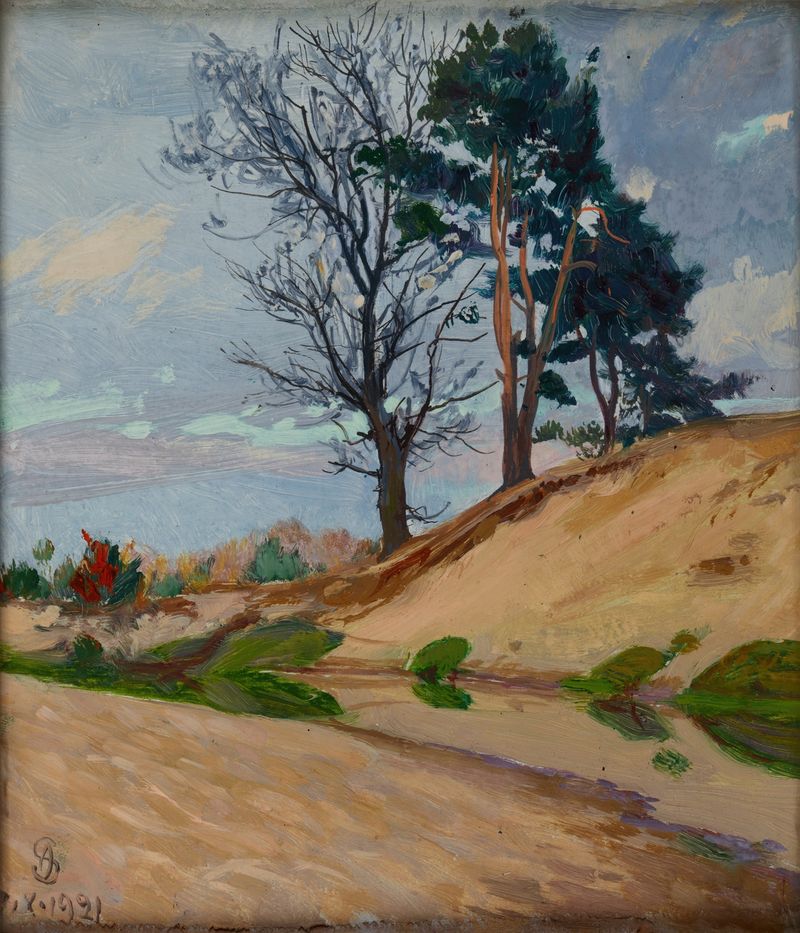
Sandy Bank of the Kamienna River
Ambroży Sabatowski
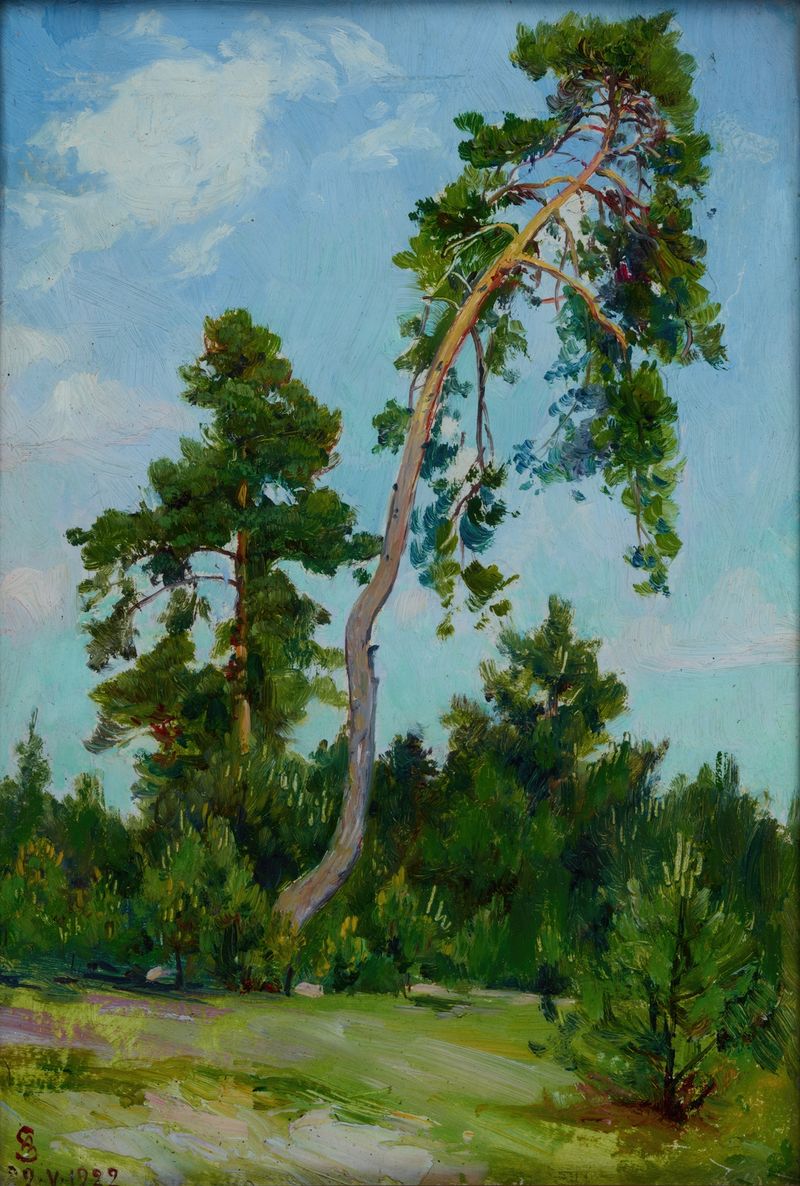
Leaning Pine
Ambroży Sabatowski





