
Old Windmill — History & Facts
What if beauty was never meant to be finished? In Old Windmill, a haunting stillness envelops the scene, inviting contemplation of time, decay, and the remnants of life once vibrant. Look to the left at the dilapidated structure, its weathered wood and crumbling stones woven into the landscape by long-forgotten stories. The muted earth tones—browns and grays—contrast sharply with the bright blue sky, suggesting clarity amidst loss. Notice how the light softly caresses the windmill's blades, emphasizing their fragile beauty, while shadows creep in the foreground, hinting at the encroaching passage of time. In this piece, the interplay of light and shadow reveals a tension between memory and neglect, creating a poignant dialogue on the inevitability of change.
The windmill, once a symbol of productivity and life, now stands as a testament to abandonment, echoing feelings of nostalgia and yearning. Subtle details, such as the wildflowers struggling to bloom at its base, evoke resilience amidst decay, suggesting that beauty can persist even in fading moments. Ambroży Sabatowski painted Old Windmill in 1907, a period marked by both personal and artistic transitions. Living in Poland during a time of social change, he was influenced by the evolving art movements of his era, including realism and the burgeoning interest in capturing the ephemeral qualities of nature.
This work reflects his exploration of landscape as a mirror of human emotion, embodying themes of loss and the passage of time.
More Artworks by Ambroży Sabatowski
Browse all →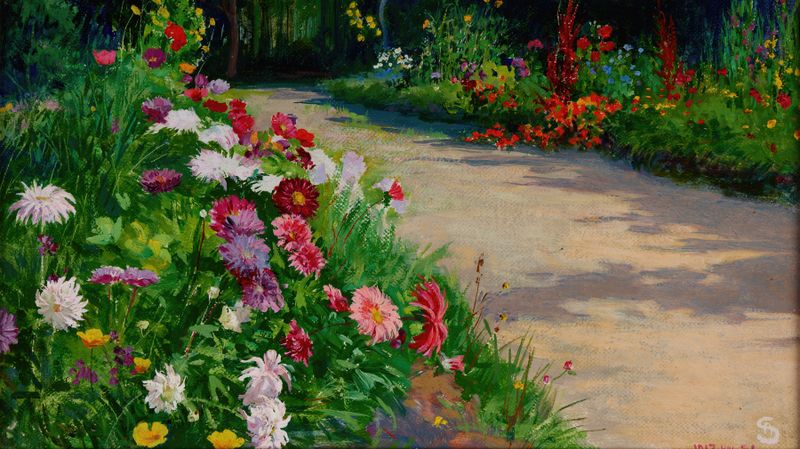
Asters
Ambroży Sabatowski
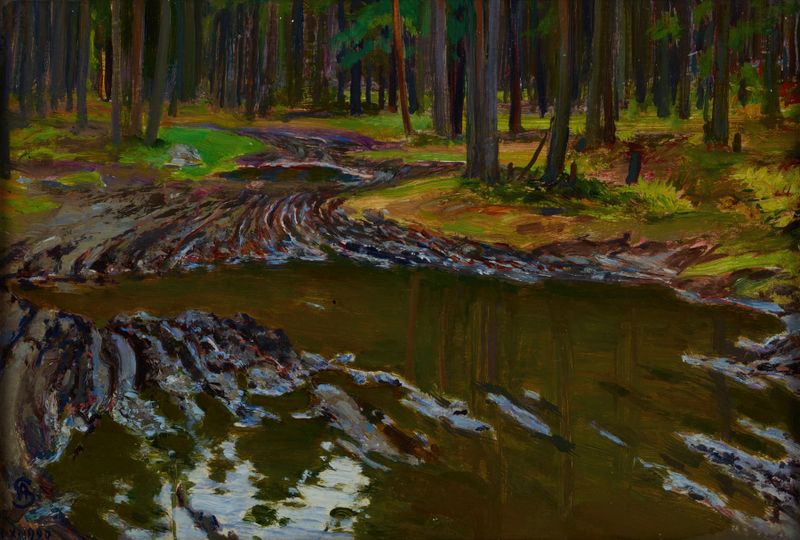
Mud in the Forest
Ambroży Sabatowski
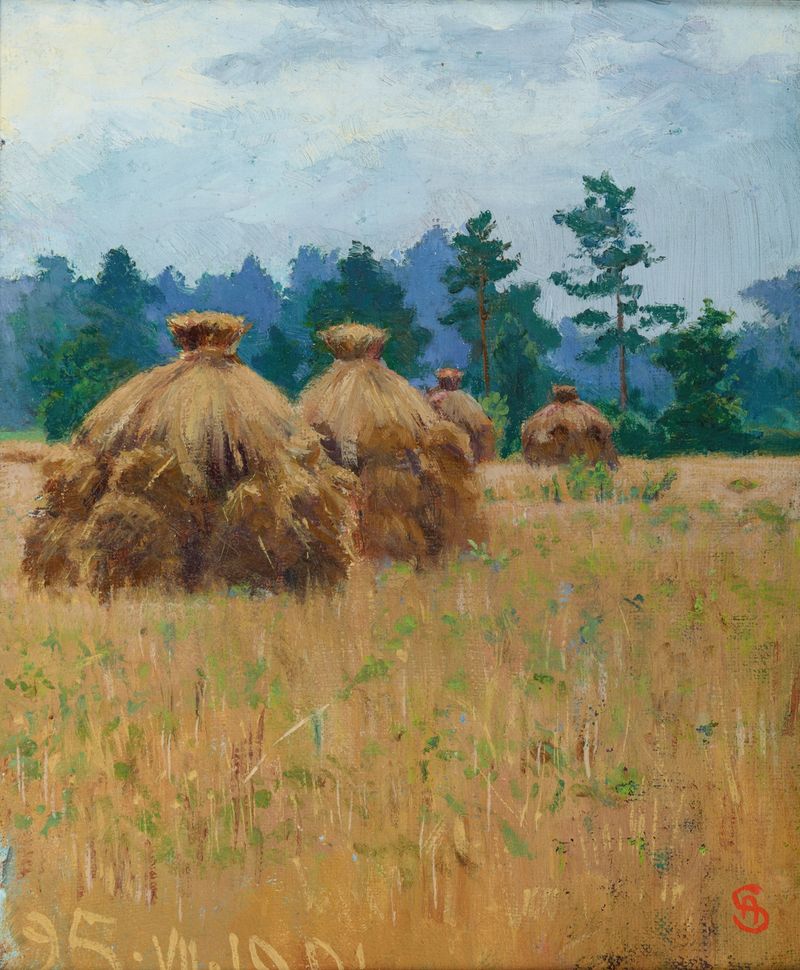
Volhynian Stacks of Corn
Ambroży Sabatowski
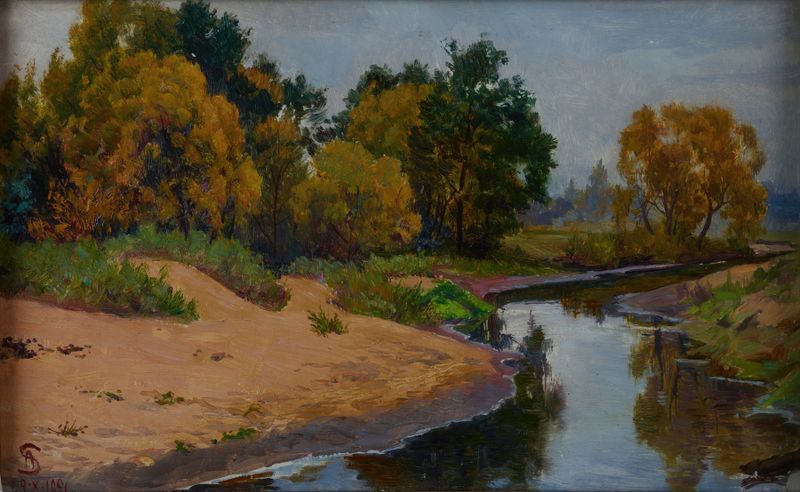
Autumn
Ambroży Sabatowski
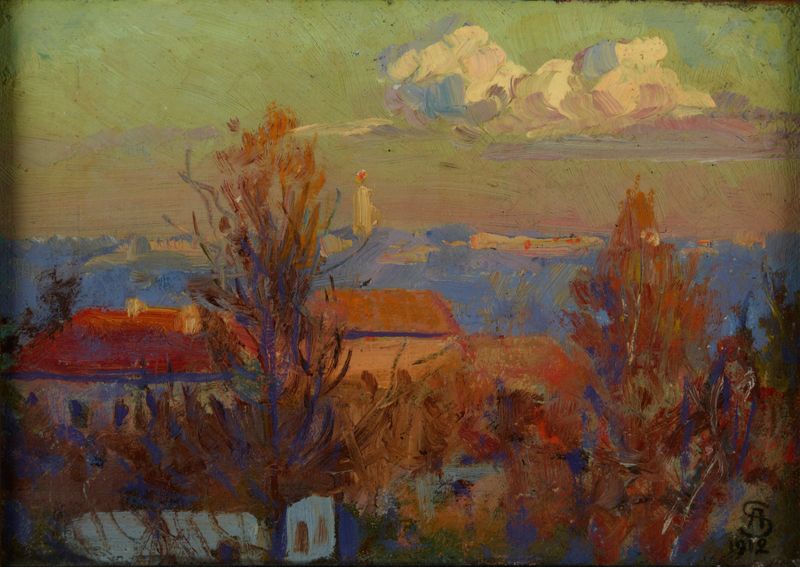
Landscape
Ambroży Sabatowski
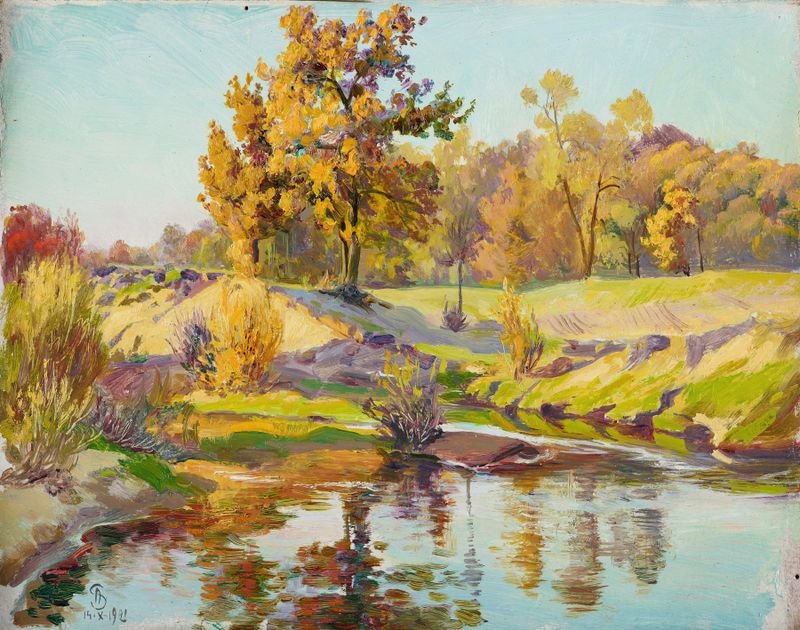
Sunny Autumn
Ambroży Sabatowski
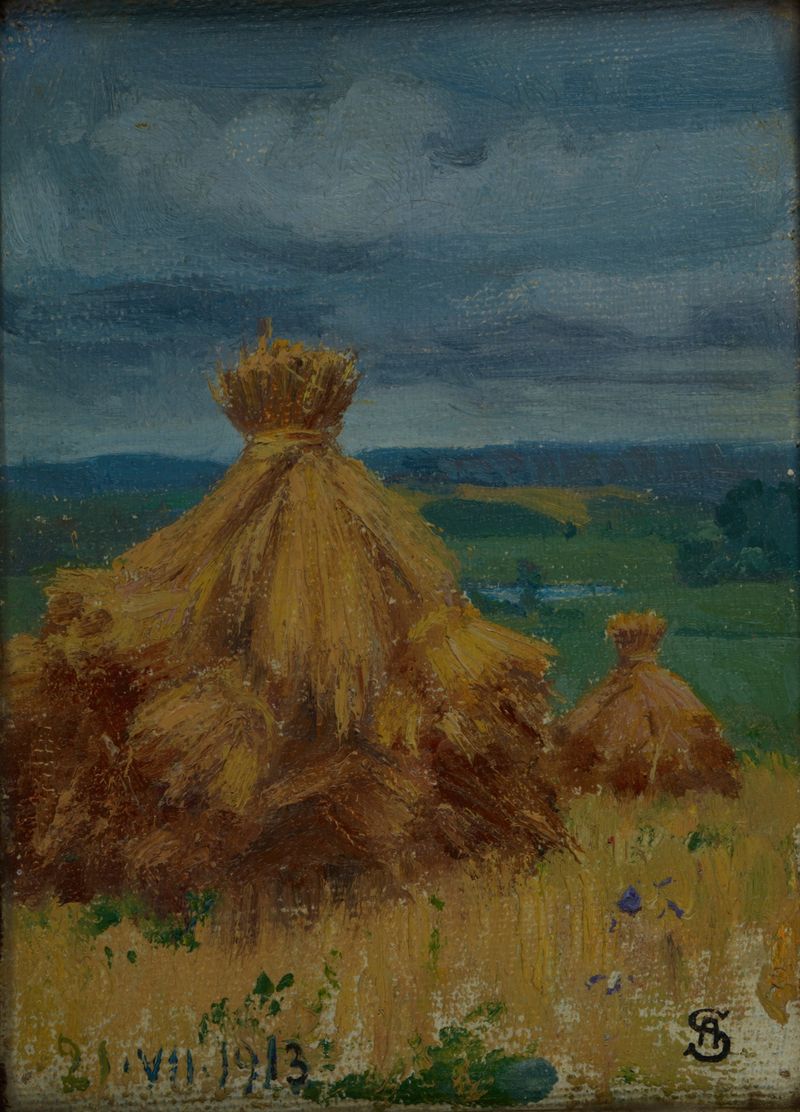
Cloudy Day
Ambroży Sabatowski
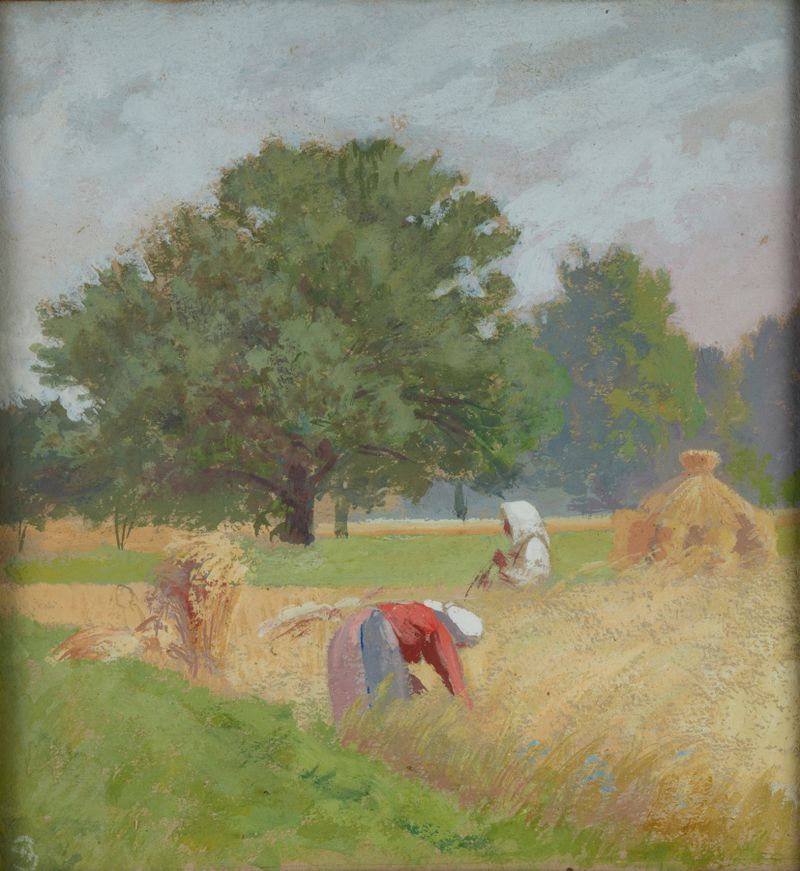
Three Moments – Triptych (Noon)
Ambroży Sabatowski
Sandy Bank of the Kamienna River
Ambroży Sabatowski
Leaning Pine
Ambroży Sabatowski





