Asters — History & Facts
Could beauty survive in a century of chaos? In the heart of turmoil, where the world grappled with war and uncertainty, a quiet bloom stands resilient, whispering of hope. Look closely at the delicate asters, their vibrant hues contrasting against an understated backdrop. Notice how the artist plays with light and shadow, allowing soft grays to cradle the blossoms, intensifying their vivacity. Each petal, meticulously painted, draws the viewer’s eye into a dance of color that seems to pulse with life.
The careful brushwork evokes both the fragility and strength inherent in nature, while the composition captures the essence of a fleeting moment, suspended in time. Beneath the surface, this work communicates a profound tension between beauty and destruction. The asters, symbols of elegance and resilience, stand as a testament to nature's persistence even amid despair. The simplicity of the arrangement belies a deeper narrative about survival and legacy, inviting reflections on how ephemeral beauty can endure and inspire, even in the darkest of times. Ambroży Sabatowski created Asters in 1917, during a period overshadowed by the First World War.
Living in Poland, he was immersed in the struggles of his homeland while navigating the wider currents of European art, where expressionist tendencies were on the rise. This painting reflects not only his personal response to the chaos surrounding him but also a collective yearning for beauty and continuity amidst a fractured world.
More Artworks by Ambroży Sabatowski
Browse all →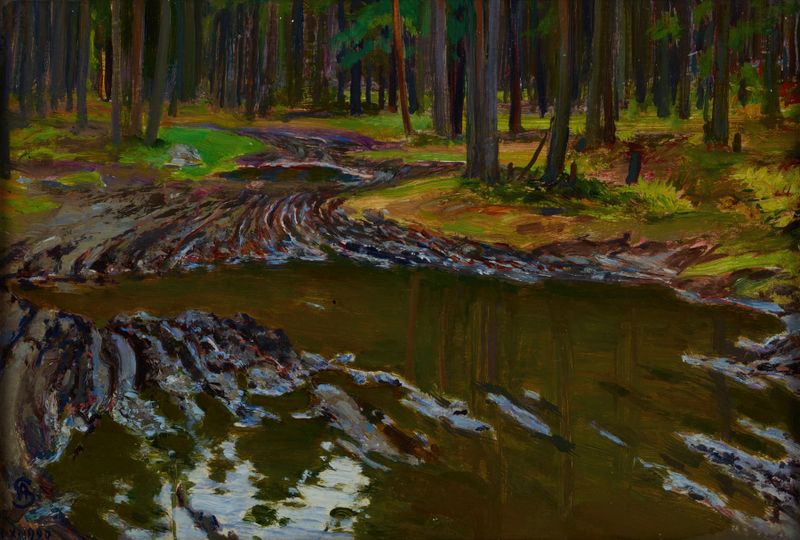
Mud in the Forest
Ambroży Sabatowski
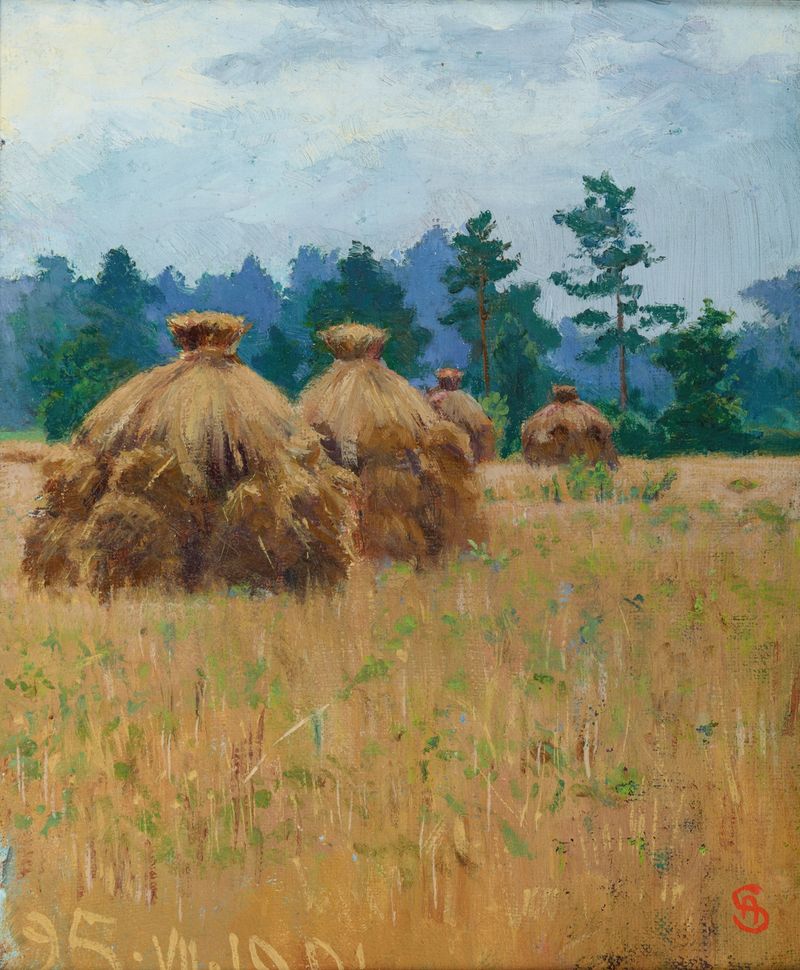
Volhynian Stacks of Corn
Ambroży Sabatowski
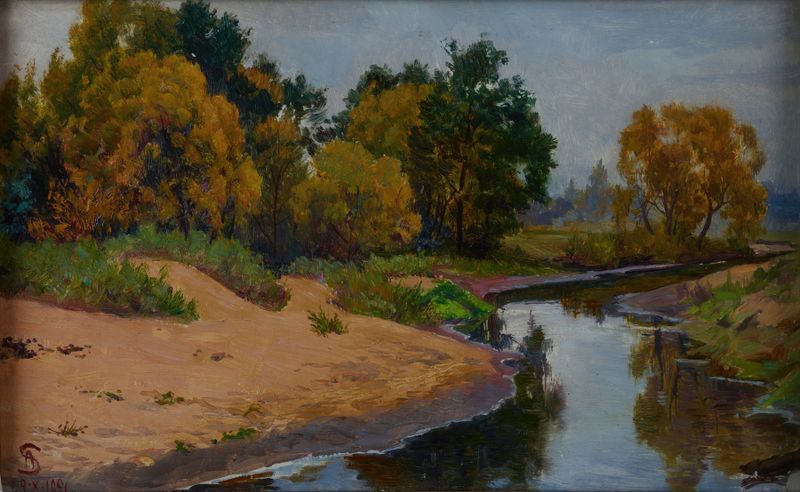
Autumn
Ambroży Sabatowski
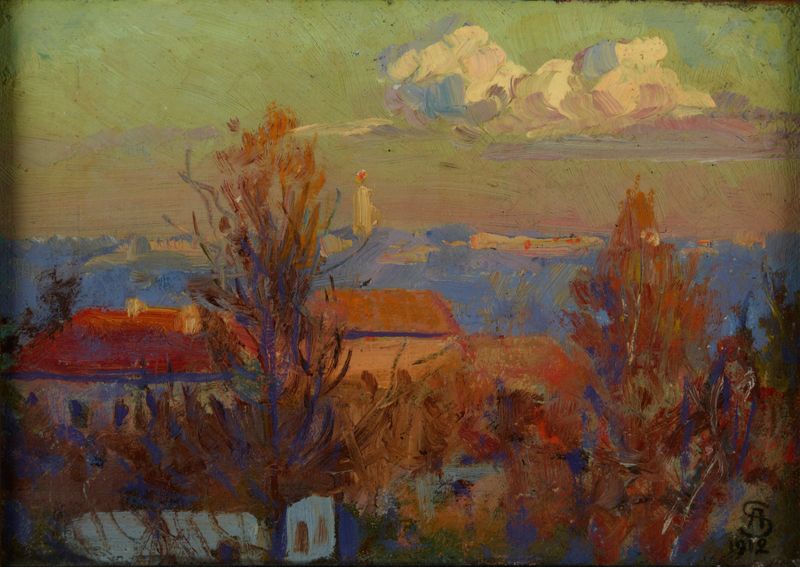
Landscape
Ambroży Sabatowski
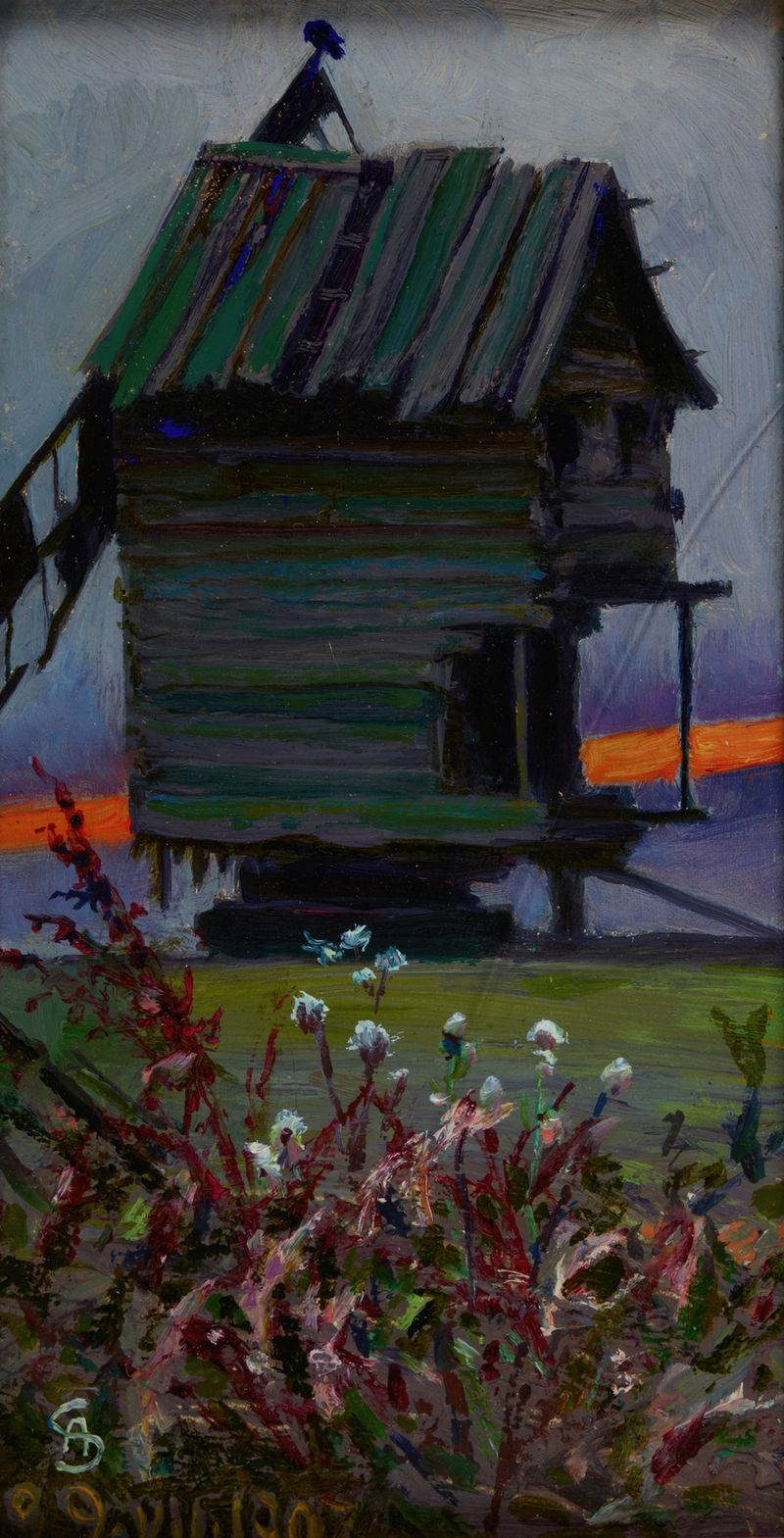
Old Windmill
Ambroży Sabatowski
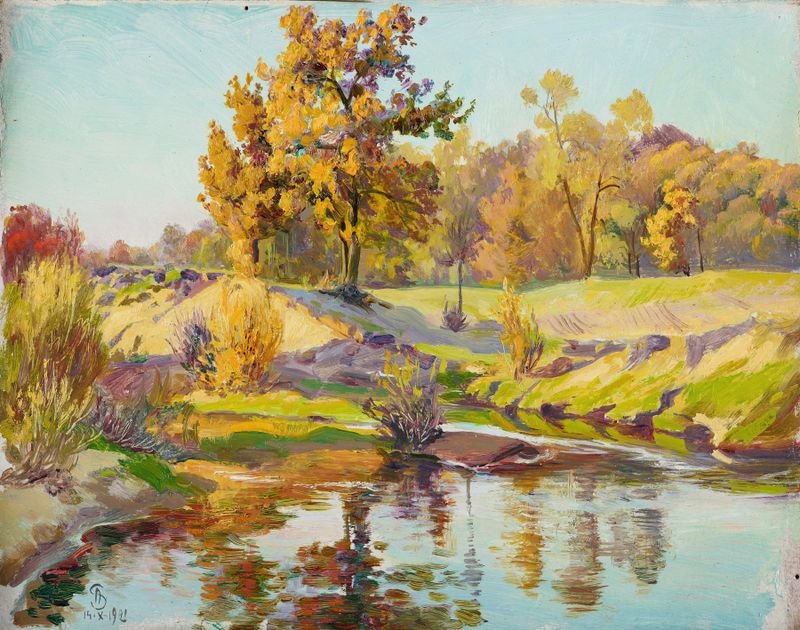
Sunny Autumn
Ambroży Sabatowski
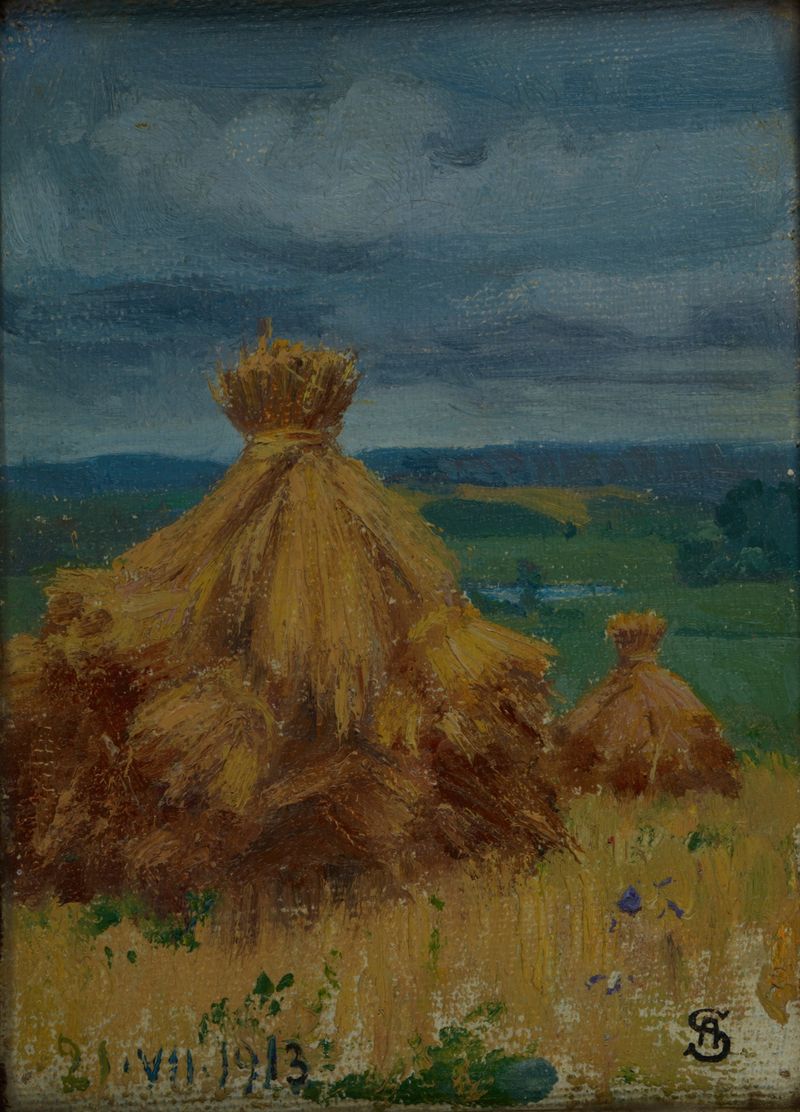
Cloudy Day
Ambroży Sabatowski
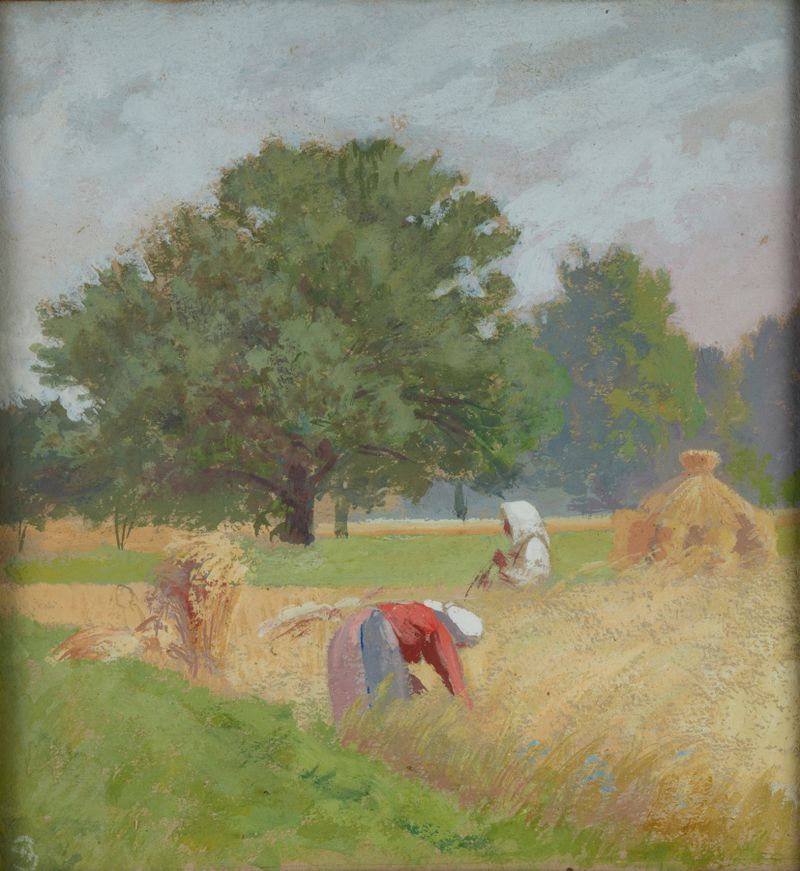
Three Moments – Triptych (Noon)
Ambroży Sabatowski
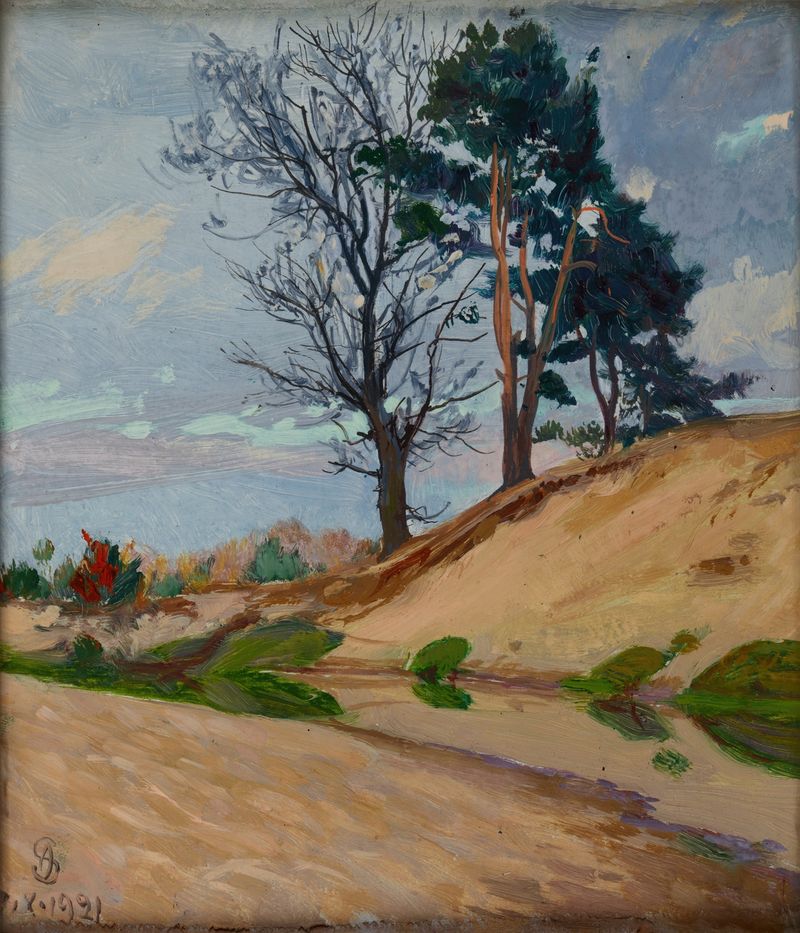
Sandy Bank of the Kamienna River
Ambroży Sabatowski
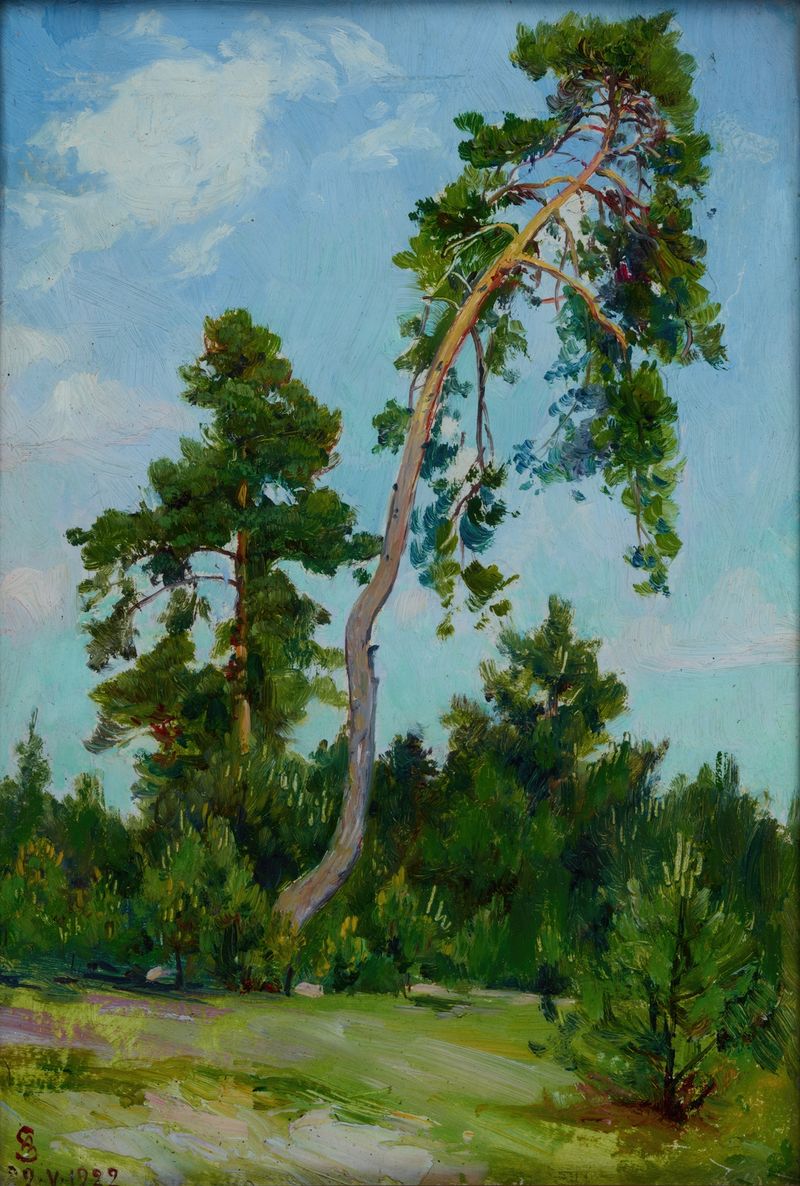
Leaning Pine
Ambroży Sabatowski