
Volhynian Stacks of Corn — History & Facts
A stillness surrounds the towering stacks of corn, standing sentinel over a land both barren and bountiful. Here, amidst the rural splendor, a sense of loneliness seeps through the golden hues, echoing the isolation felt by the laborer whose toil they represent. Look to the left at the vibrant green fields, contrasting sharply with the warm yellows and earthy browns of the harvested corn. The stacks rise like weathered monoliths, commanding attention with their texture and density, while the subtle play of light reveals a tactile quality that draws viewers deeper into their form.
The careful arrangement of the corn bales creates a rhythm that lures the eye across the canvas, while the nearly tactile brushwork conveys an emotional depth that speaks of both abundance and solitude. Amidst the vibrant colors lies a poignant commentary on the human condition. The corn, a symbol of sustenance, stands alone, evoking the quiet struggles of rural life. The absence of figures amplifies the feeling of loneliness, suggesting the heavy burden of labor that remains unseen.
Each stack hints at countless hours of work, yet they remain uninhabited, whispering tales of those who labor yet often feel invisible in their endeavors. Created in 1901, this piece reflects Ambroży Sabatowski's keen observation of the agrarian life in Poland, a time when the country grappled with modernity while holding onto its rustic roots. The artist, influenced by the natural beauty of the Volhynian landscape, sought to capture not just the physical presence of the corn but the emotional weight it carried for those who depended on it. In this quiet moment, he encapsulates a complex reality, marking a distinctive contribution to early 20th-century Polish art.
More Artworks by Ambroży Sabatowski
Browse all →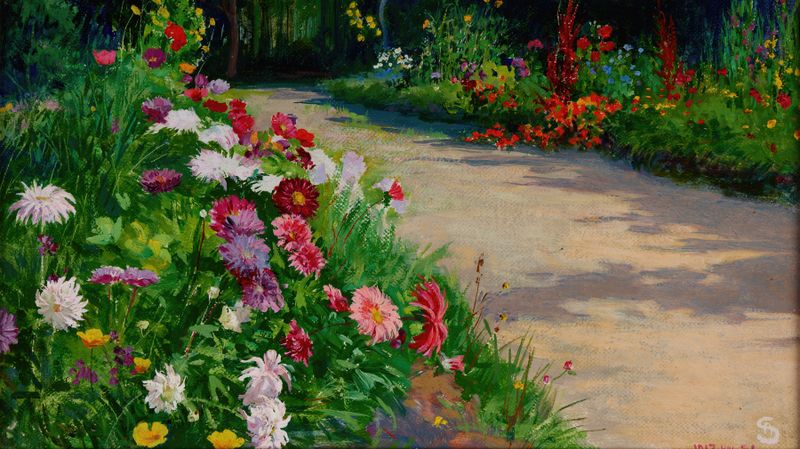
Asters
Ambroży Sabatowski
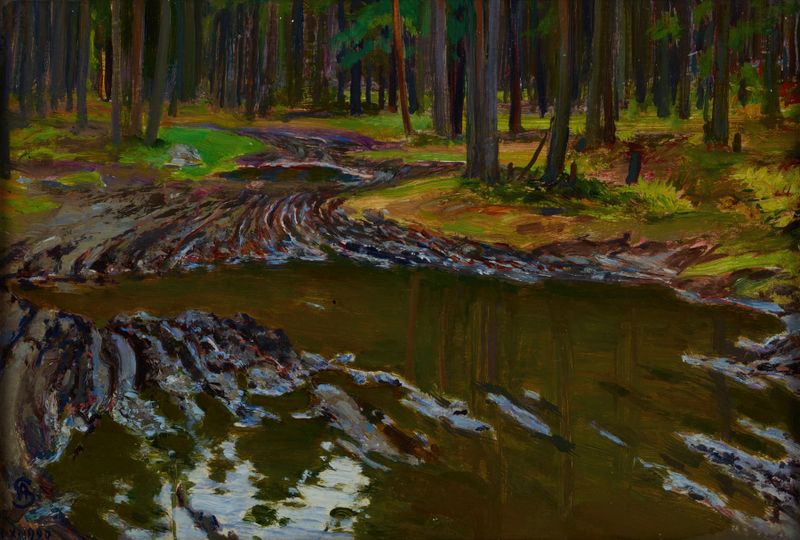
Mud in the Forest
Ambroży Sabatowski
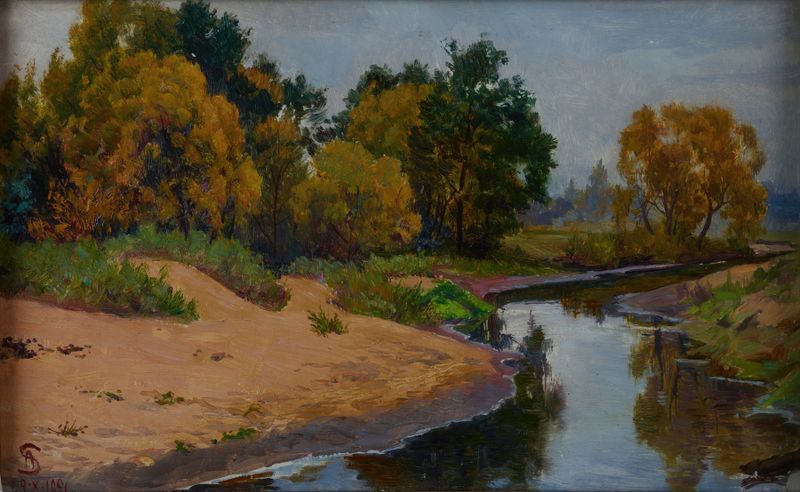
Autumn
Ambroży Sabatowski
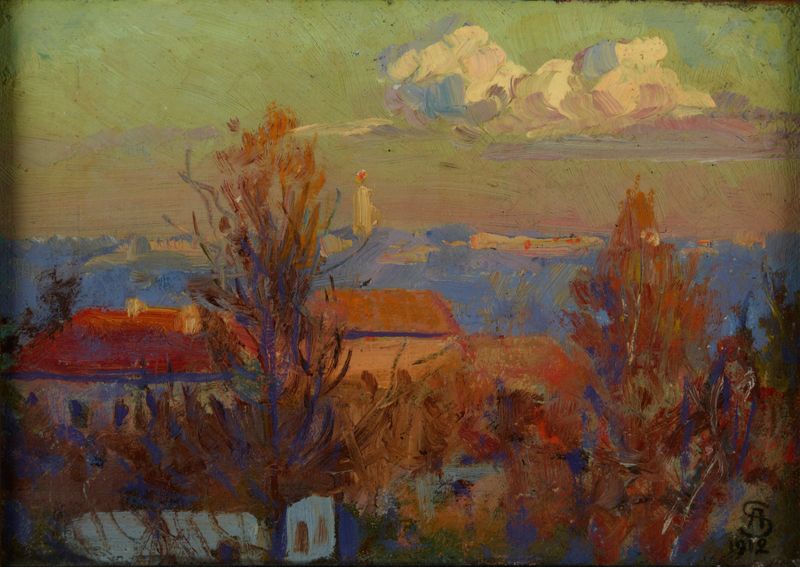
Landscape
Ambroży Sabatowski
Old Windmill
Ambroży Sabatowski
Sunny Autumn
Ambroży Sabatowski
Cloudy Day
Ambroży Sabatowski
Three Moments – Triptych (Noon)
Ambroży Sabatowski
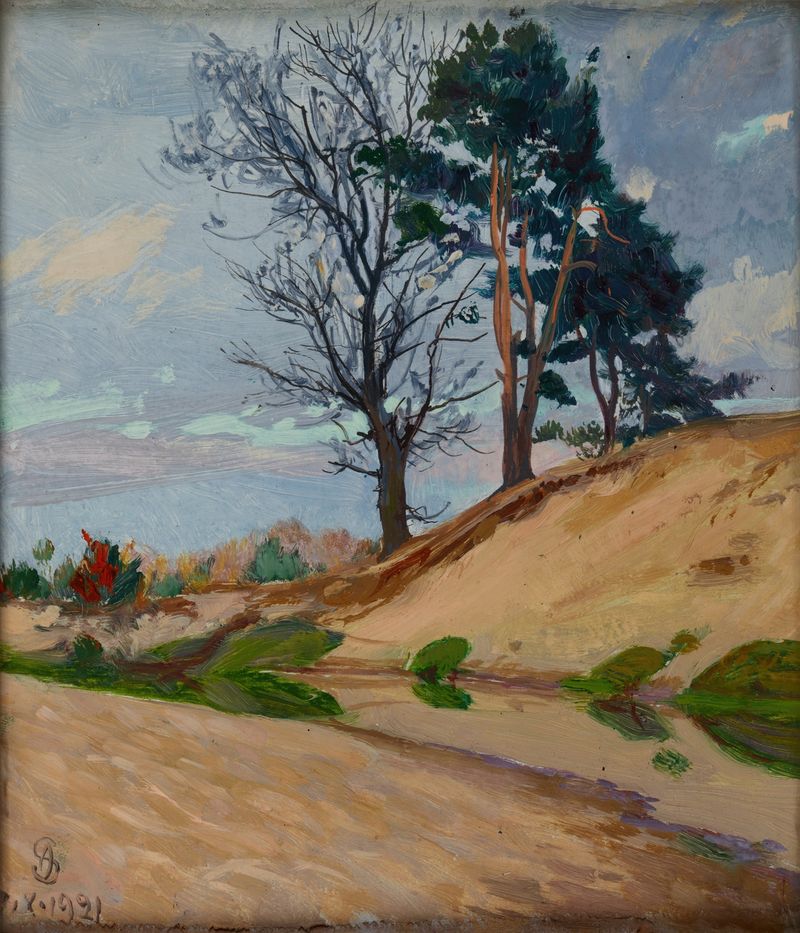
Sandy Bank of the Kamienna River
Ambroży Sabatowski
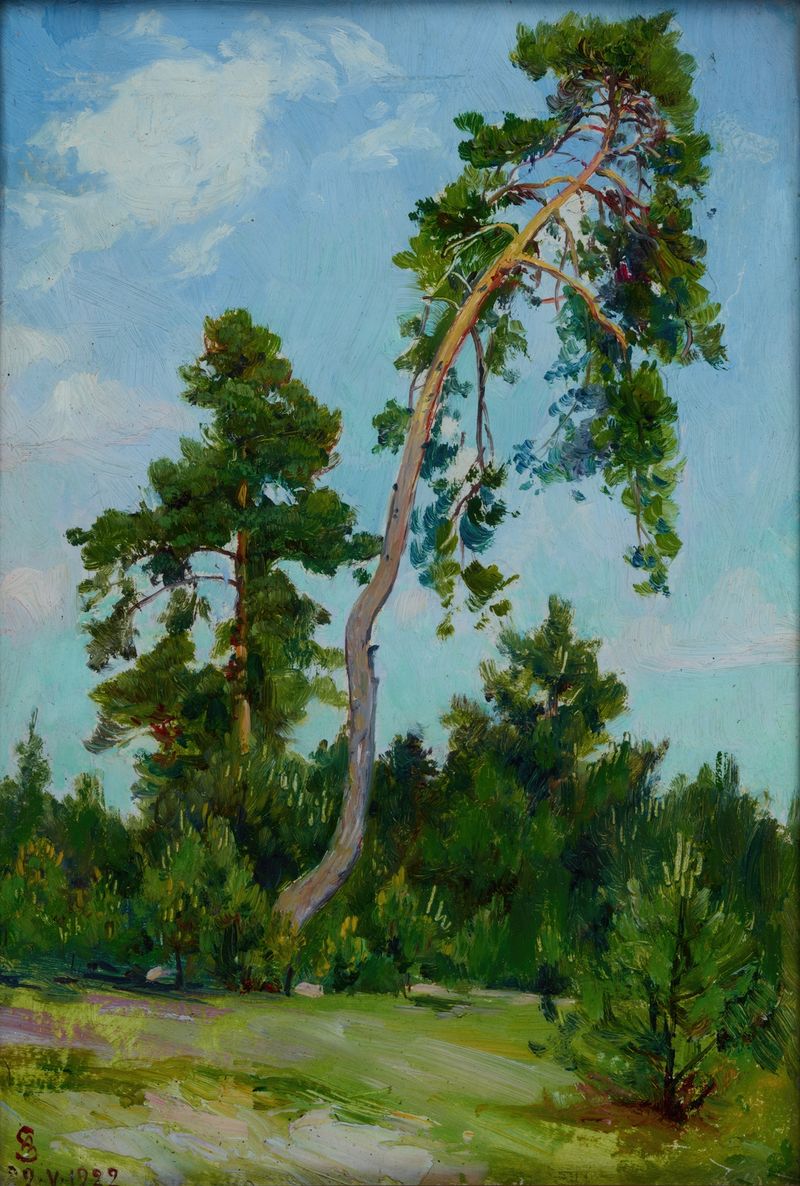
Leaning Pine
Ambroży Sabatowski





