
Mud in the Forest — History & Facts
Who listens when art speaks of silence? In Mud in the Forest, the stillness resonates with an unspoken memory, inviting us to ponder the weight of our own reflections. Look closely at the center of the canvas, where muted greens and browns blend seamlessly, evoking the rich, earthy texture of the forest floor. The light filters through the canopy above, creating patches of soft illumination that dance upon the wet earth. Notice how the brushstrokes convey both the muck and the tranquility of nature, each stroke layered with intention, drawing you into the quiet embrace of the woodland scene. Dig deeper into the contrasts within this work; the vibrant vitality of the forest juxtaposed against the heavy, clinging mud suggests both growth and decay, a cycle of life that endures through seasons.
The shadows cast by the trees whisper secrets of the past, while the reflections of light hint at moments of clarity amid the chaos of existence. Each element holds a memory, intertwining personal experience with the universal, as if the landscape itself is a canvas of recollection. Ambroży Sabatowski painted Mud in the Forest in 1922, during a period when he was deeply engaged with capturing the Polish landscape. This era followed the upheaval of World War I, as Sabatowski sought solace and inspiration in nature, reflecting the profound transformations both in his life and in the broader art world that was transitioning towards modernism.
His connection to the land during this time reveals the emotional depth that permeates this evocative piece.
More Artworks by Ambroży Sabatowski
Browse all →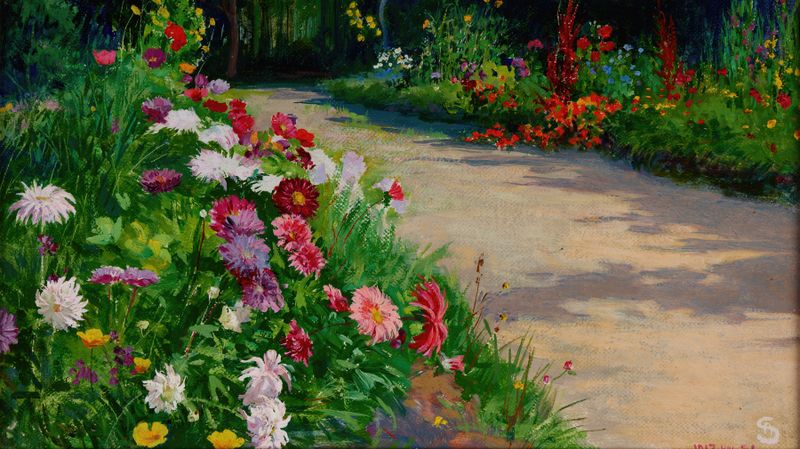
Asters
Ambroży Sabatowski
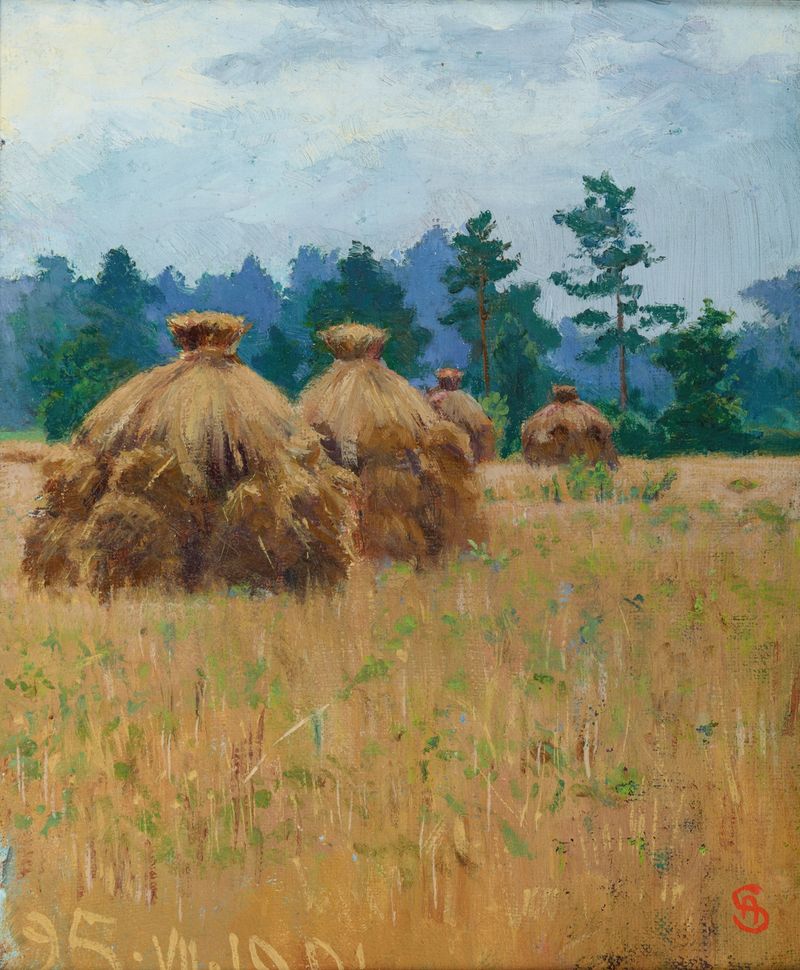
Volhynian Stacks of Corn
Ambroży Sabatowski
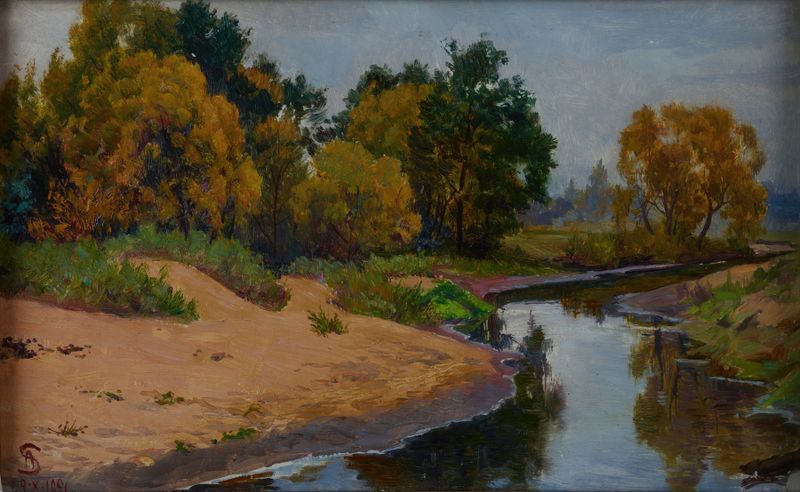
Autumn
Ambroży Sabatowski
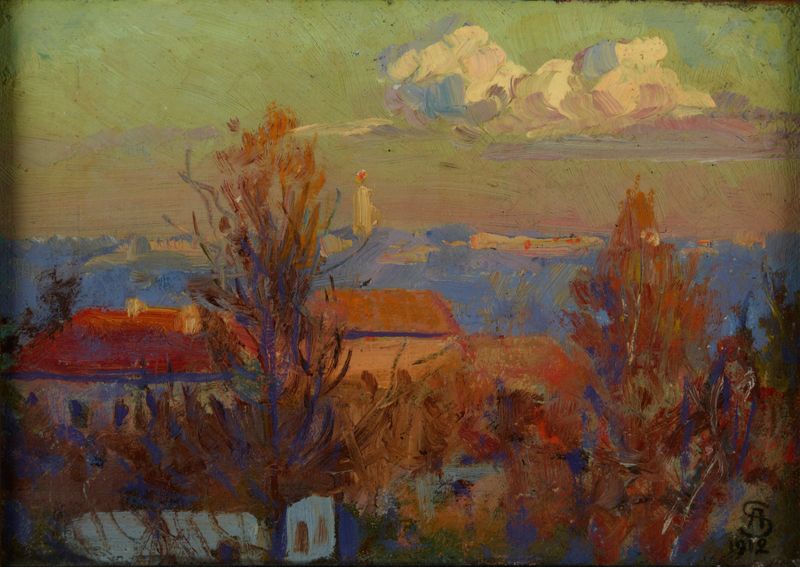
Landscape
Ambroży Sabatowski
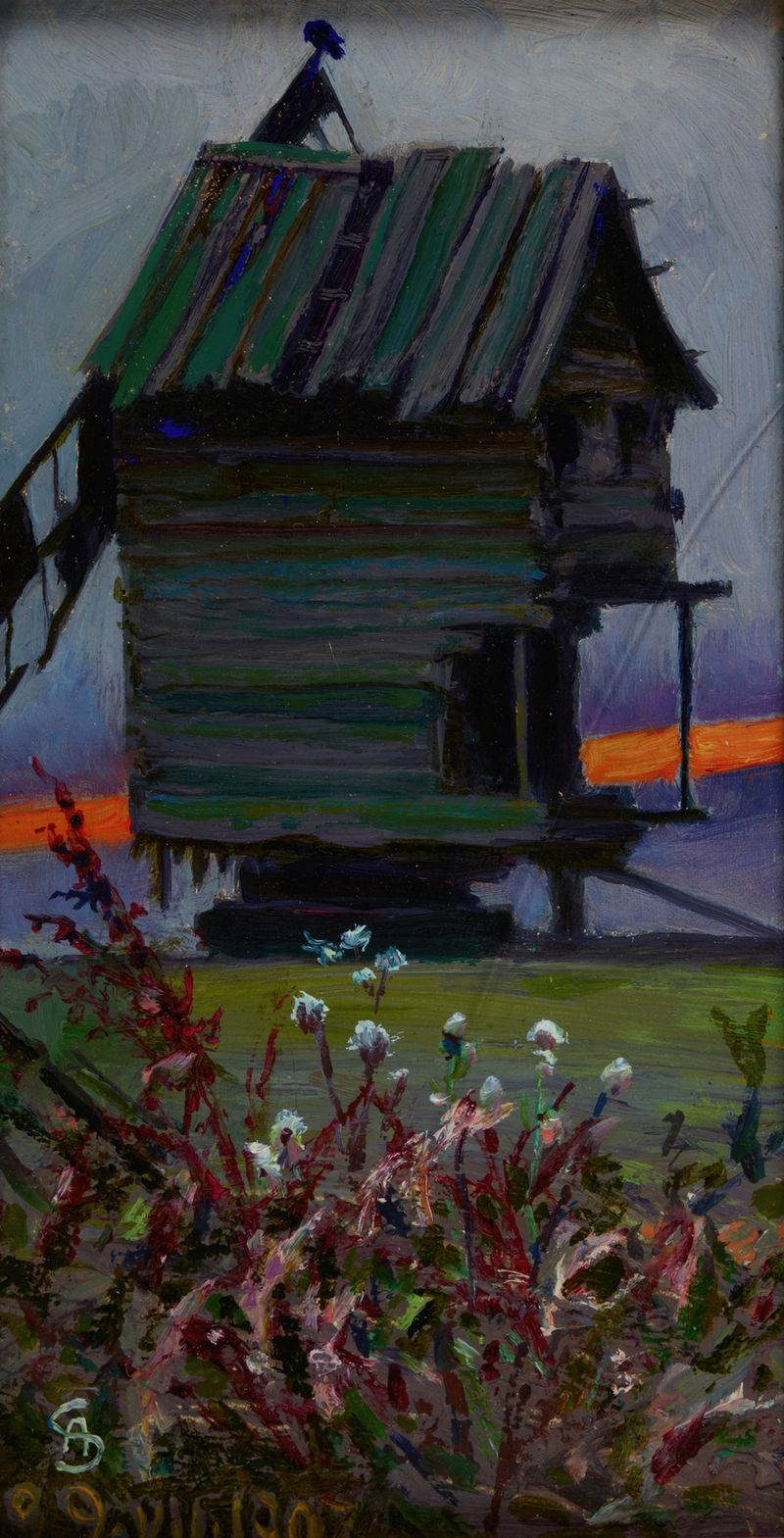
Old Windmill
Ambroży Sabatowski
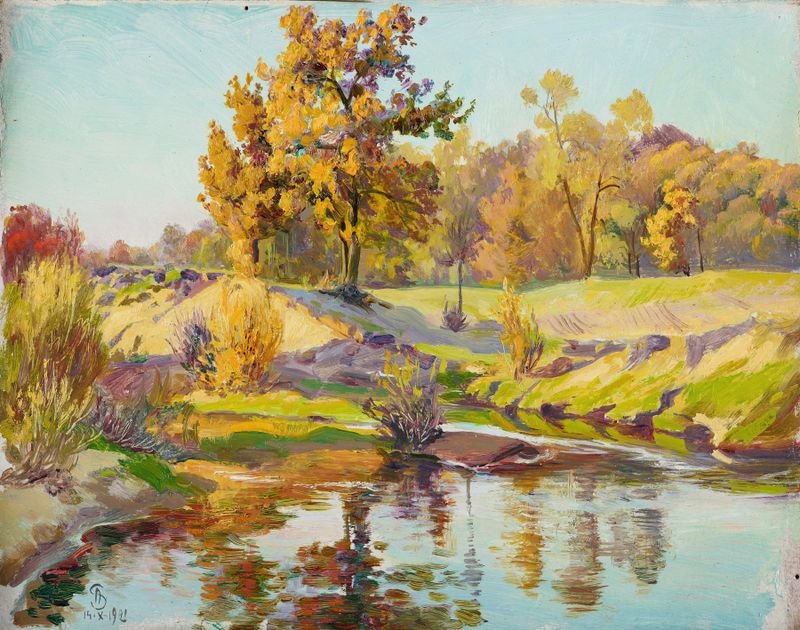
Sunny Autumn
Ambroży Sabatowski
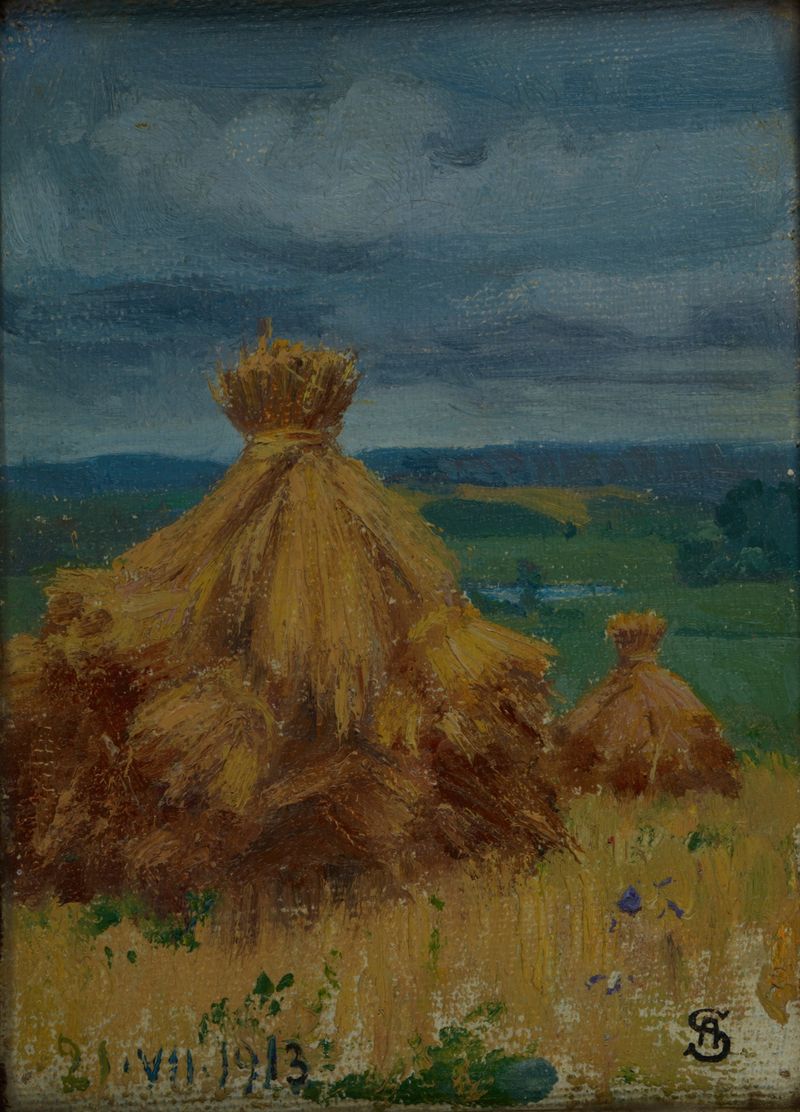
Cloudy Day
Ambroży Sabatowski
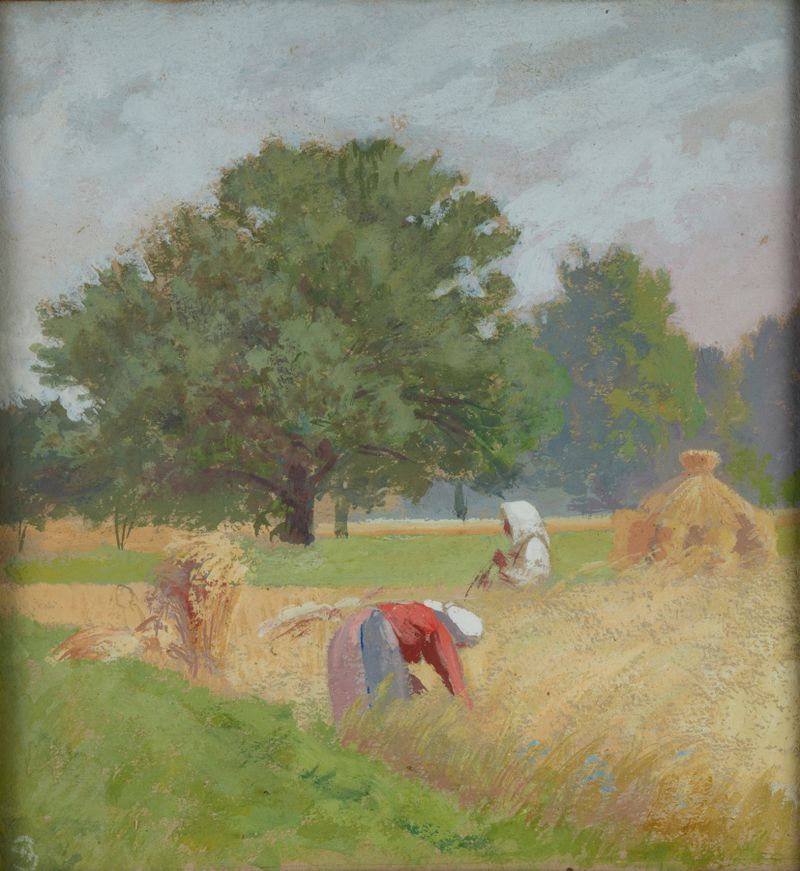
Three Moments – Triptych (Noon)
Ambroży Sabatowski
Sandy Bank of the Kamienna River
Ambroży Sabatowski
Leaning Pine
Ambroży Sabatowski





