
Autumn Afternoon, the Wissahickon — History & Facts
What secret hides in the quiet of the canvas? In Autumn Afternoon, the Wissahickon, vibrant hues of amber and gold weave a delicate dance of light, inviting contemplation on the beauty and transience of nature. Focus first on the luminous canopy overhead, where sunlight filters through the leaves, casting playful patches of warmth across the forest floor. The carefully applied brushstrokes create a sense of movement, as if the breeze itself stirs the foliage. Notice how Moran balances the rich colors of autumn against the cool, tranquil water below, drawing your eye to the gentle ripples that shimmer in the soft light, inviting you to linger in the serene moment captured. The contrast between light and shadow in this piece reveals deeper emotional tensions.
The brilliant oranges and yellows symbolize the vitality of life, while the creeping shadows hint at the inevitable passage of time. As you explore the details—like the scattered leaves and the rugged stones along the stream—you sense a quiet reflection on the cycle of seasons and the ephemeral nature of beauty itself. Painted in 1864, during a period when the United States was grappling with the Civil War, the artist found solace in the natural landscapes around him, particularly the Wissahickon Valley in Pennsylvania. Known for his ability to capture light and its interplay with nature, Moran was deeply influenced by the emerging American landscape movement, seeking to convey both the awe and the fragility of the environment in an era of profound change.
More Artworks by Thomas Moran
Browse all →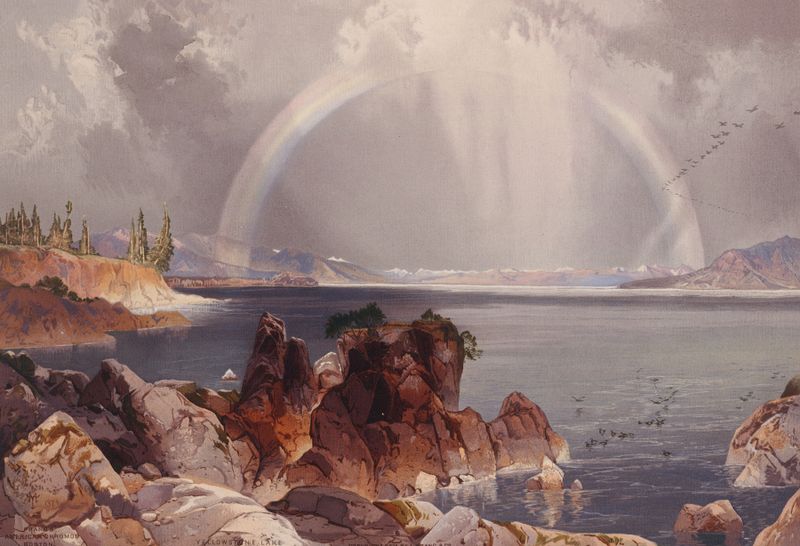
Yellowstone Lake
Thomas Moran

Grand Canyon of the Colorado River
Thomas Moran

Grand Canyon, Colorado River
Thomas Moran

The Towers of Tower Falls, Yellowstone
Thomas Moran
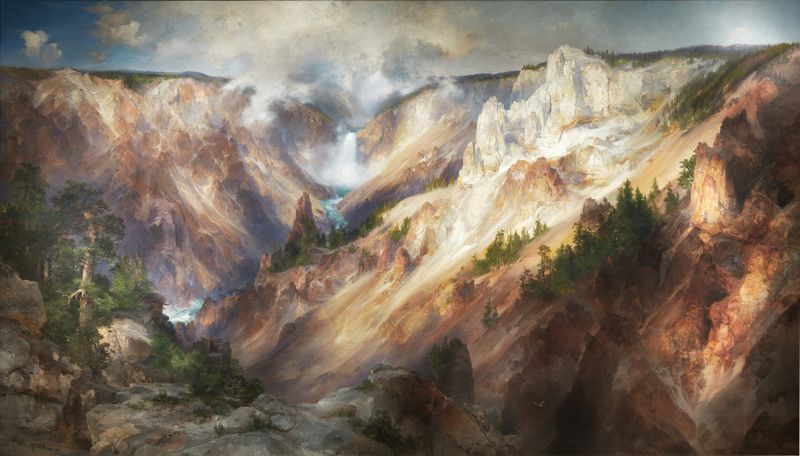
The Grand Canyon Of The Yellowstone
Thomas Moran

Mountain of the Holy Cross
Thomas Moran

Cliffs Of The Upper Colorado River, Wyoming Territory
Thomas Moran
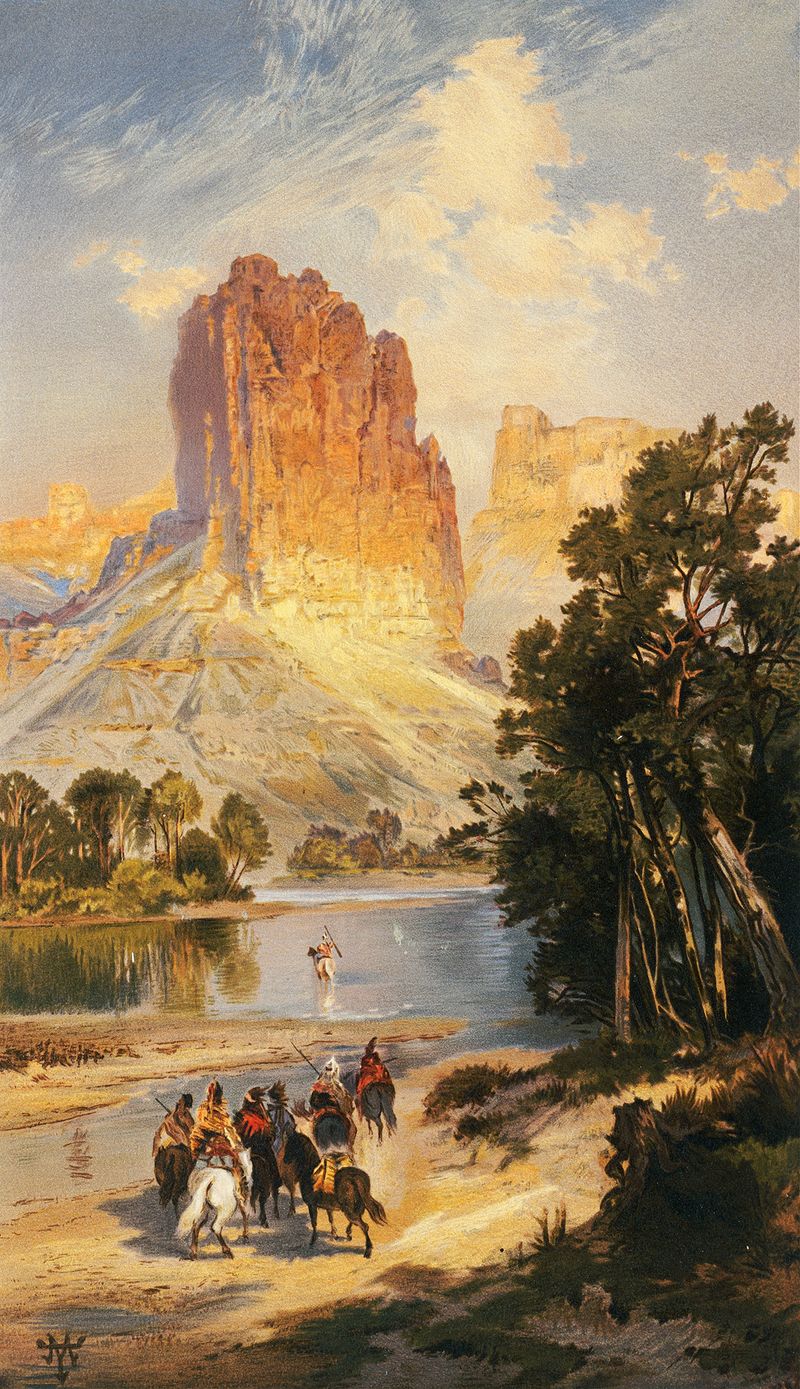
Cliffs of the Upper Colorado River, Wyoming Territory
Thomas Moran

Mammoth Hot Springs, Yellowstone
Thomas Moran
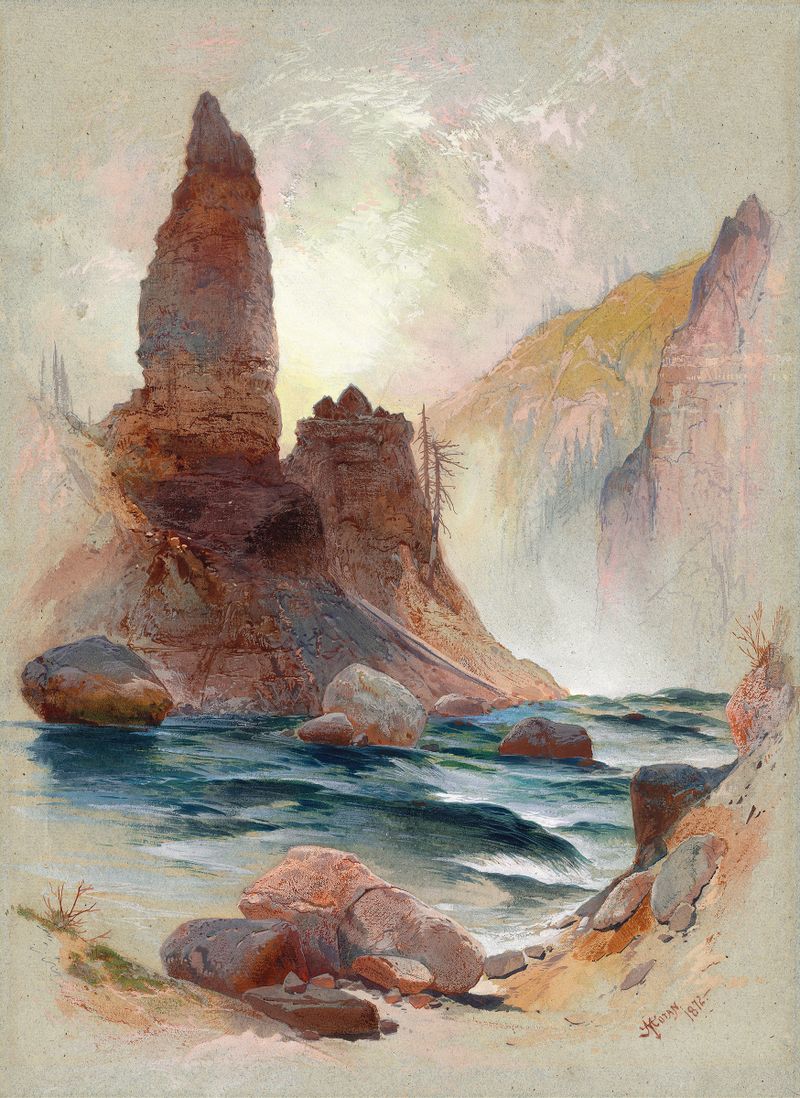
Tower at Tower Falls, Yellowstone
Thomas Moran





