
Avions reposant sur le terrain — History & Facts
In a world on the brink of chaos, the stillness of a moment can resonate with the echoes of violence yet to come. Look to the center of the canvas, where the planes rest, their metallic bodies glinting under soft light. The muted palette of ochres and blues evokes an unsettling tranquility, inviting the viewer to ponder what lies beyond the serene exterior. The brushwork, a blend of impressionistic softness and sharp detail, captures both the sleekness of technology and the haunting stillness of impending conflict. Delve deeper, and you will find a juxtaposition of innovation and foreboding.
The planes, symbols of human ingenuity, are grounded, almost like sleeping giants awaiting the call to action. Surrounding them, the landscape feels almost desolate, as if foreshadowing the violence that aircraft would soon unleash upon the world. Here, the silence is palpable, hinting at the turmoil that lurks beneath the surface, reminding us that peace is often just a prelude to chaos. In 1914, as the world spiraled toward World War I, Auguste Louis Lepère painted this work against a backdrop of rapid technological advancement and impending conflict.
This was a time when artists began to grapple with the implications of modernity and war, reflecting the anxieties of a society on the brink of transformation. Through this piece, Lepère not only documented a moment in aviation history but also captured the tension between human accomplishment and the specter of destruction.
More Artworks by Auguste Louis Lepère
Browse all →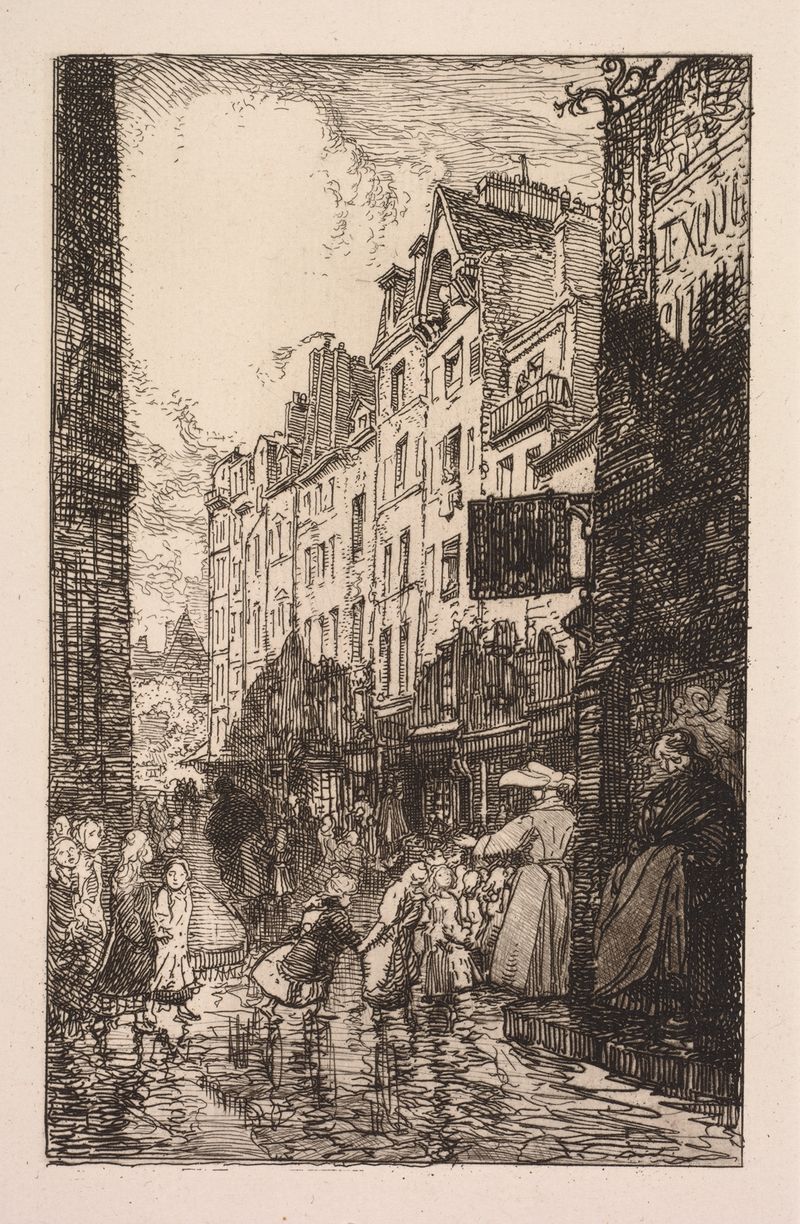
La Rue des Prêtres Saint-Séverin
Auguste Louis Lepère
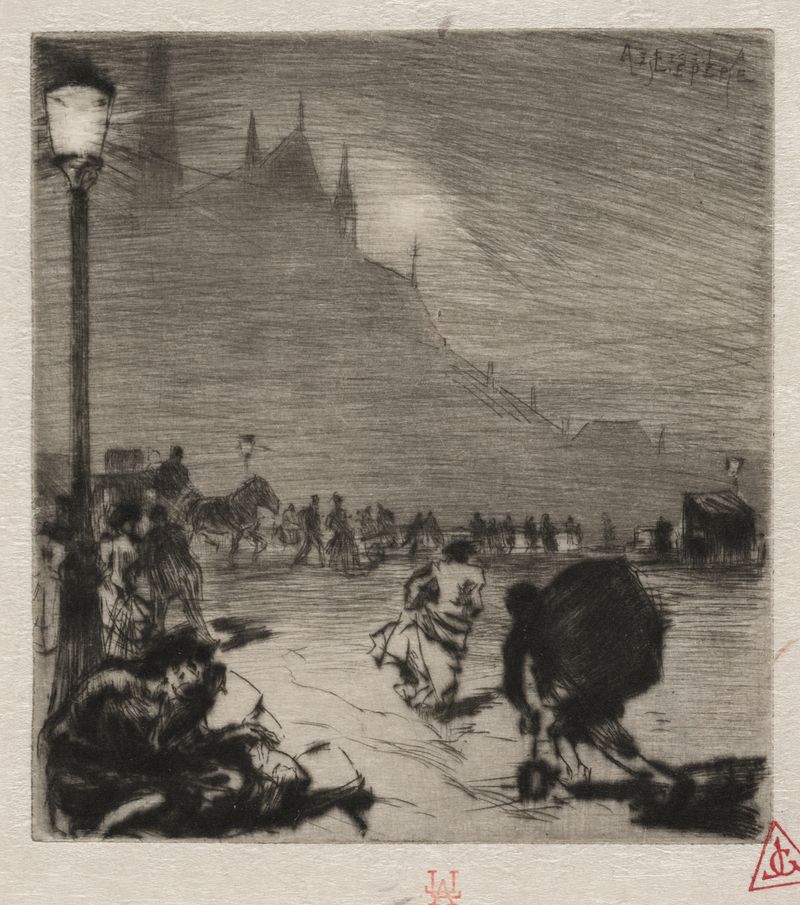
Au Coin du Pont-aux-Doubles
Auguste Louis Lepère
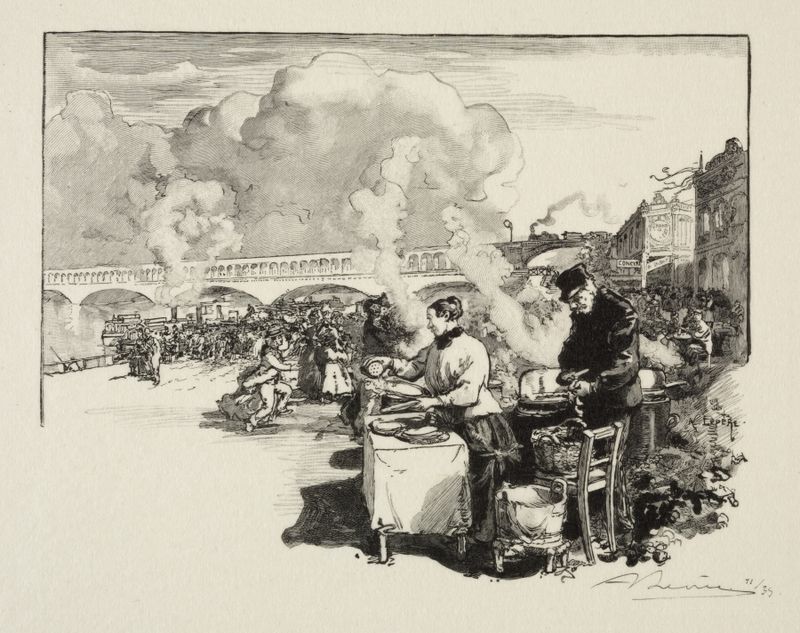
Debarcadère des bateaux-omnibus
Auguste Louis Lepère

La Seine, au quai de la Rapée
Auguste Louis Lepère
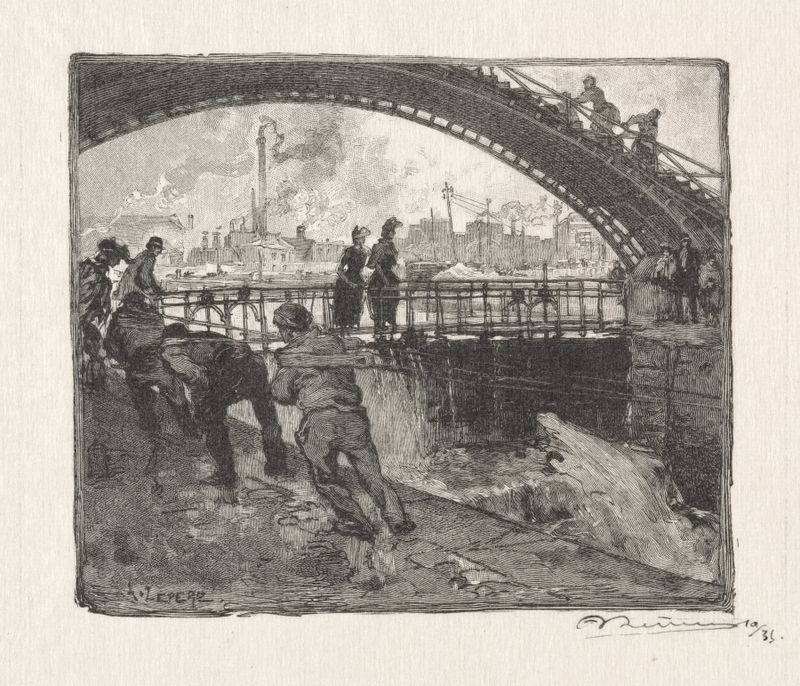
L’Ecluse du Canal St. Martin
Auguste Louis Lepère

Le Boulevard Montmartre, le Soir
Auguste Louis Lepère

Une Chasse au Mont Gérard
Auguste Louis Lepère
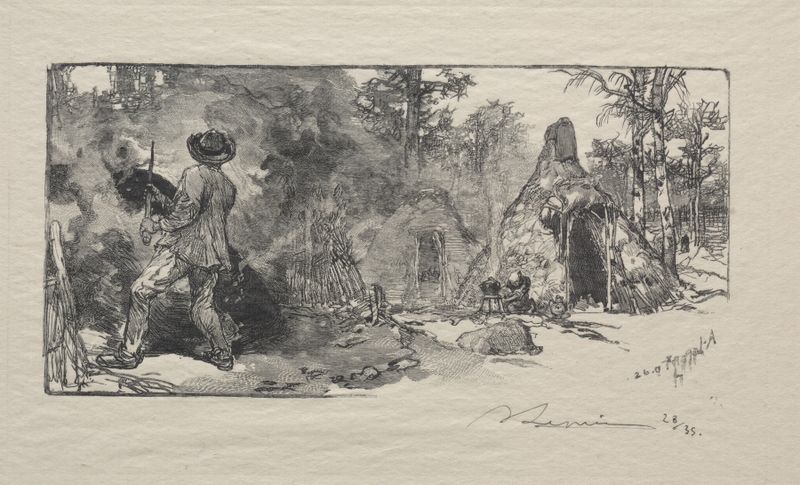
Les Charbonniere
Auguste Louis Lepère
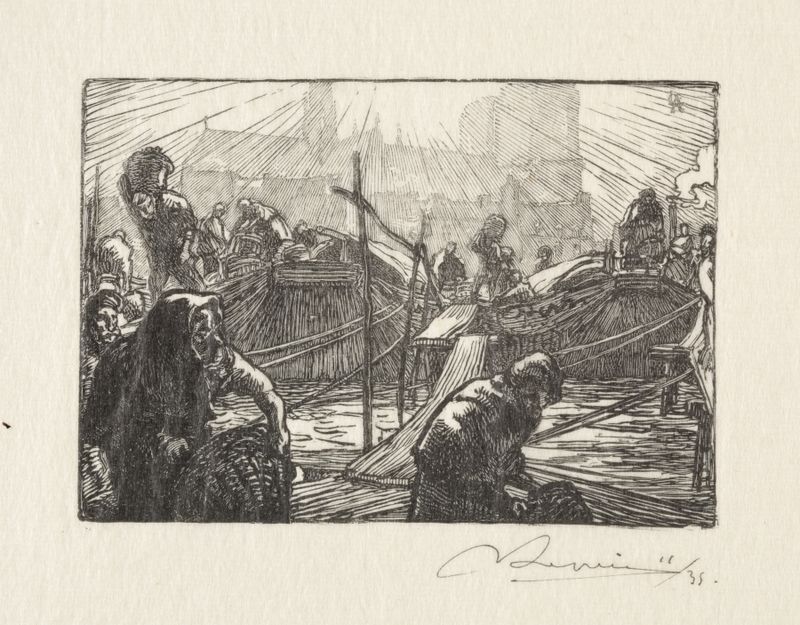
Notre Dame vue du Marché aux pommes
Auguste Louis Lepère

Le Palais des Arts Liberaux, Intèrieur
Auguste Louis Lepère





