
Baby’s own Aesop — History & Facts
In Baby’s own Aesop, Walter Crane employs a vibrant color palette filled with soft pastels and rich hues. The painting features whimsical characters from Aesop's fables, depicted in a playful and engaging manner. The setting is often lush and inviting, filled with natural elements that enhance the storytelling aspect.
The overall composition draws the viewer's eye through the various scenes of fables, creating a sense of movement and joy. The artwork showcases Crane's distinctive style, characterized by intricate details and a strong sense of design. The figures are stylized yet relatable, appealing to both children and adults. The use of oil on canvas allows for a smooth application of color, enhancing the visual appeal of the illustrations.
Viewers can appreciate the meticulous attention to detail in the characters' expressions and the surrounding environments. Walter Crane was a prominent figure in the Victorian art scene, known for his contributions to children's literature and illustration. 'Baby’s own Aesop' is significant as it combines art with storytelling, making fables accessible to young audiences. An interesting fact about this work is that it reflects the Victorian era's emphasis on moral education through literature.
Crane's illustrations continue to influence children's book design and illustration today.
More Artworks by Walter Crane

Oranges and Lemons
Walter Crane
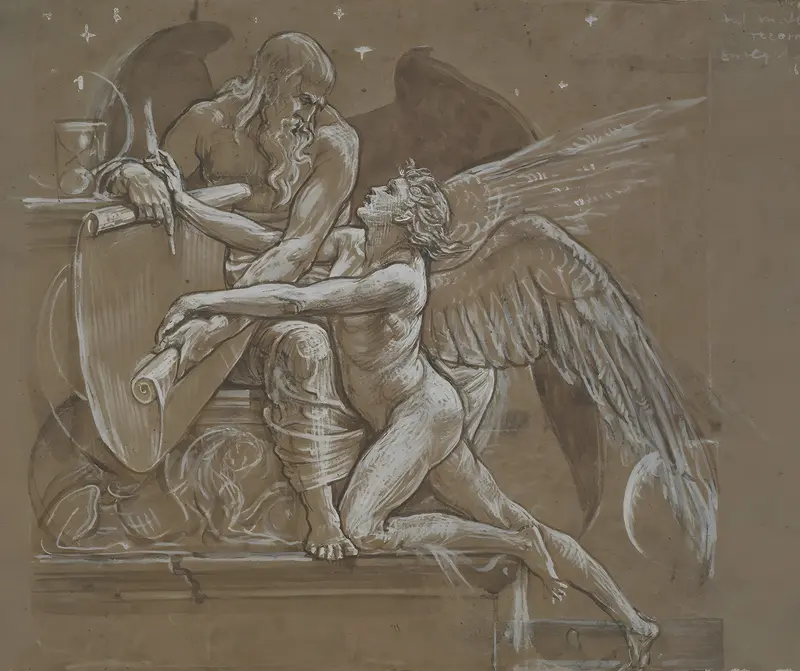
The Roll of Fate, England
Walter Crane
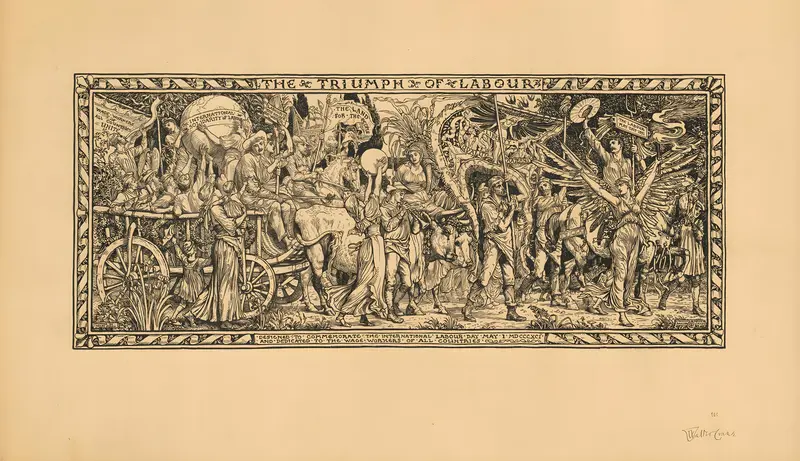
The Triumph of Labour. Designed to commemorate The International Labour Day
Walter Crane
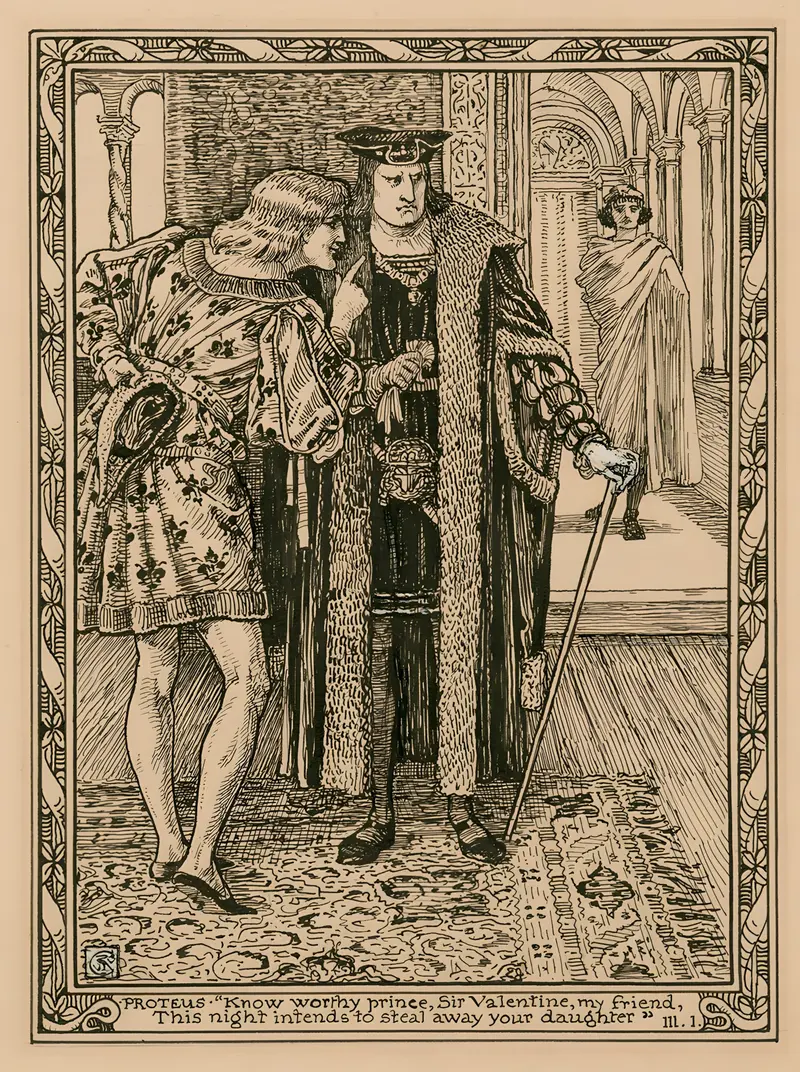
Proteus; ‘Know worthy prince, Sir Valentine, my friend, this night intends to steal away your daughter’, III, 1
Walter Crane
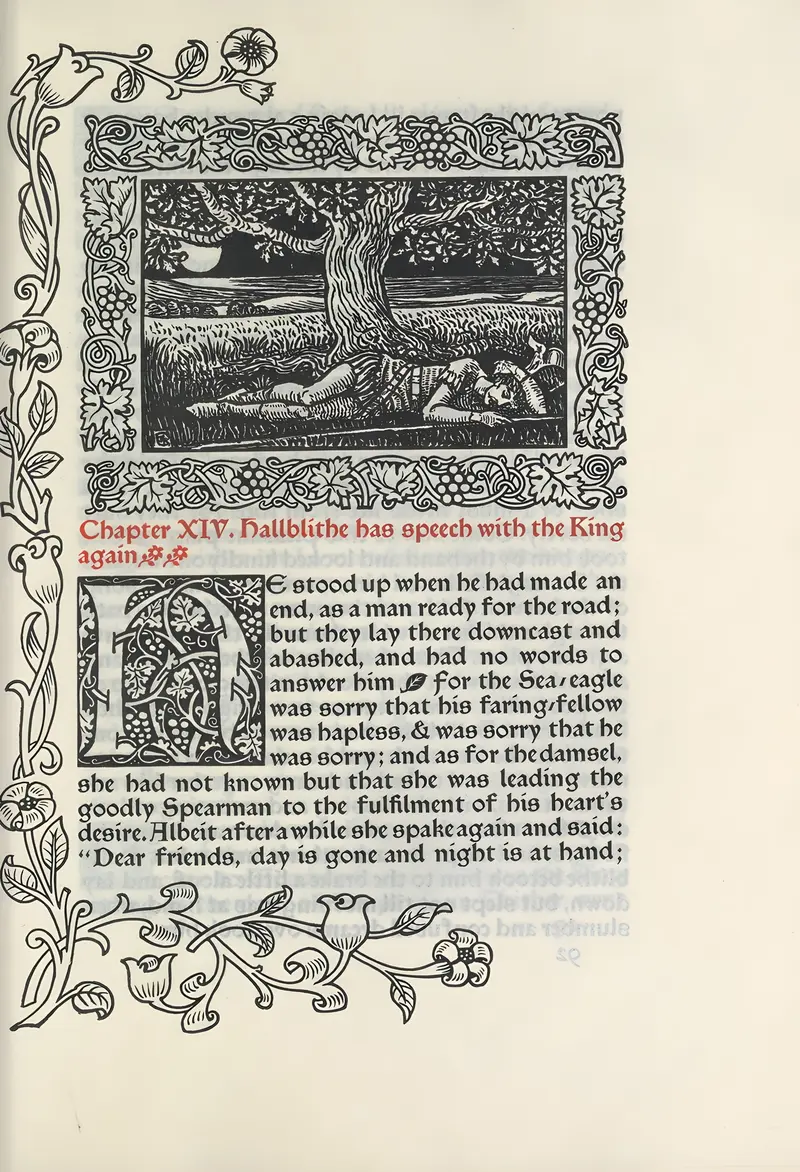
Chapter XIV. Hallblithe has speech with the King again
Walter Crane
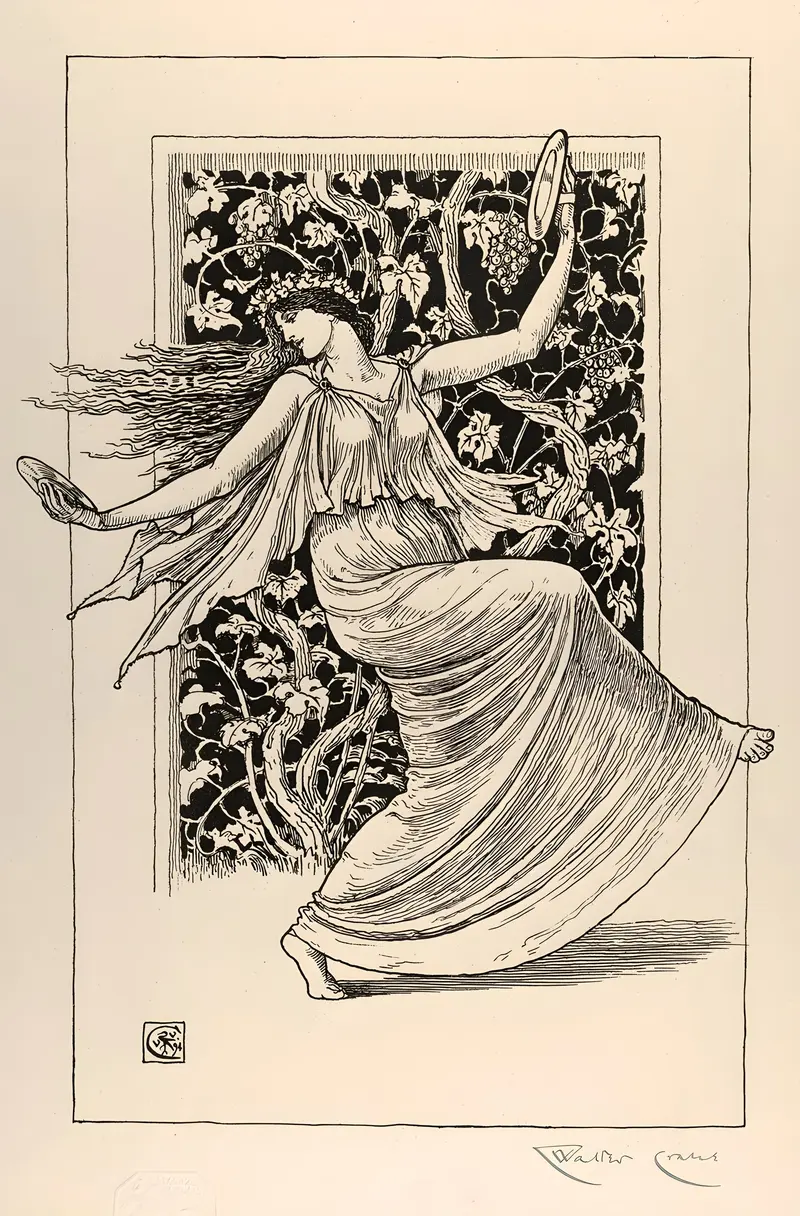
Dancing Nymph
Walter Crane
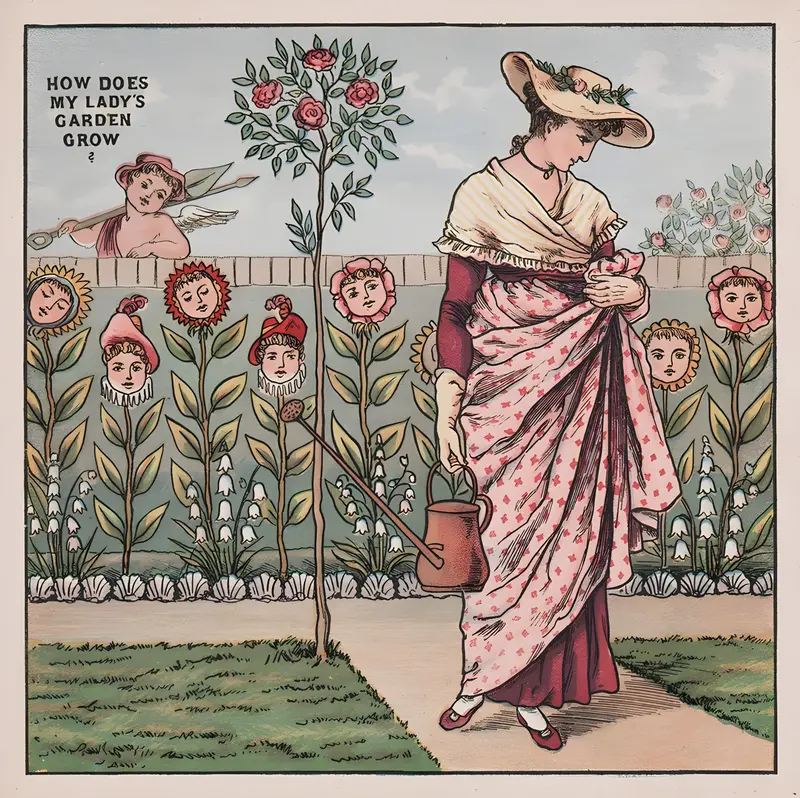
How does my lady’s garden grow
Walter Crane
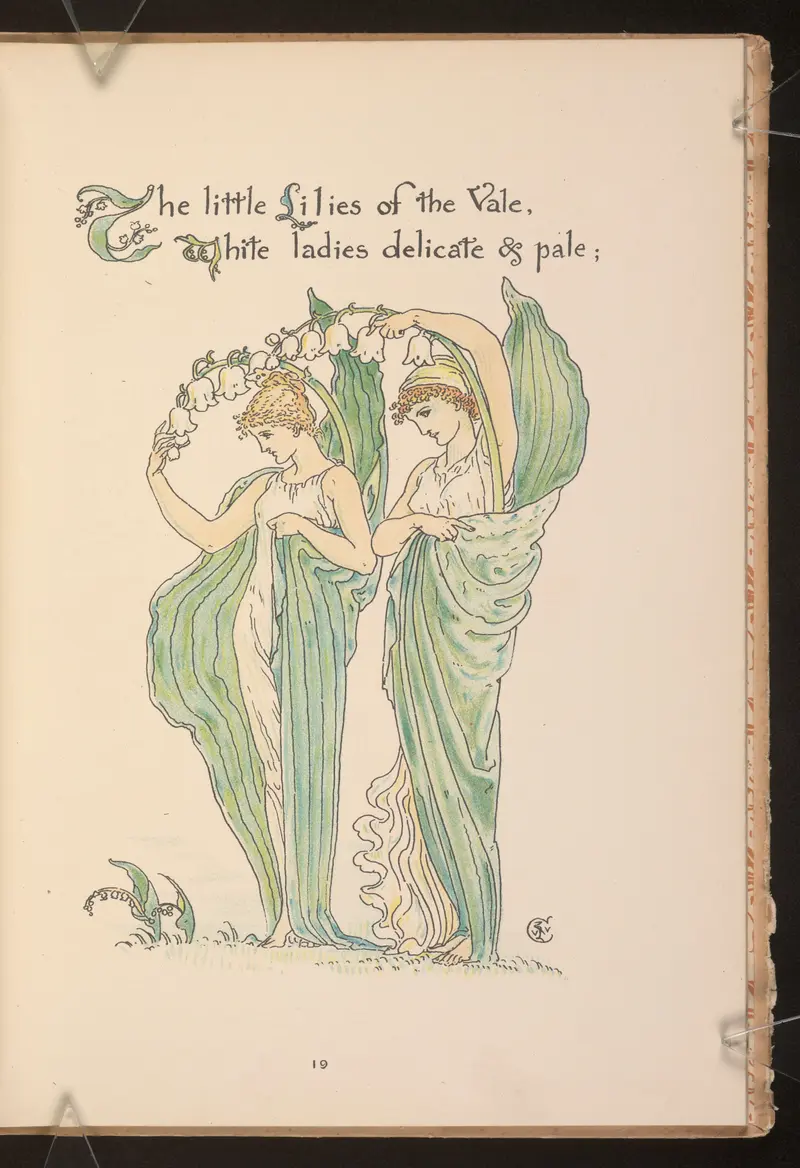
Flora’s feast; A masque of flowers Pl.19
Walter Crane
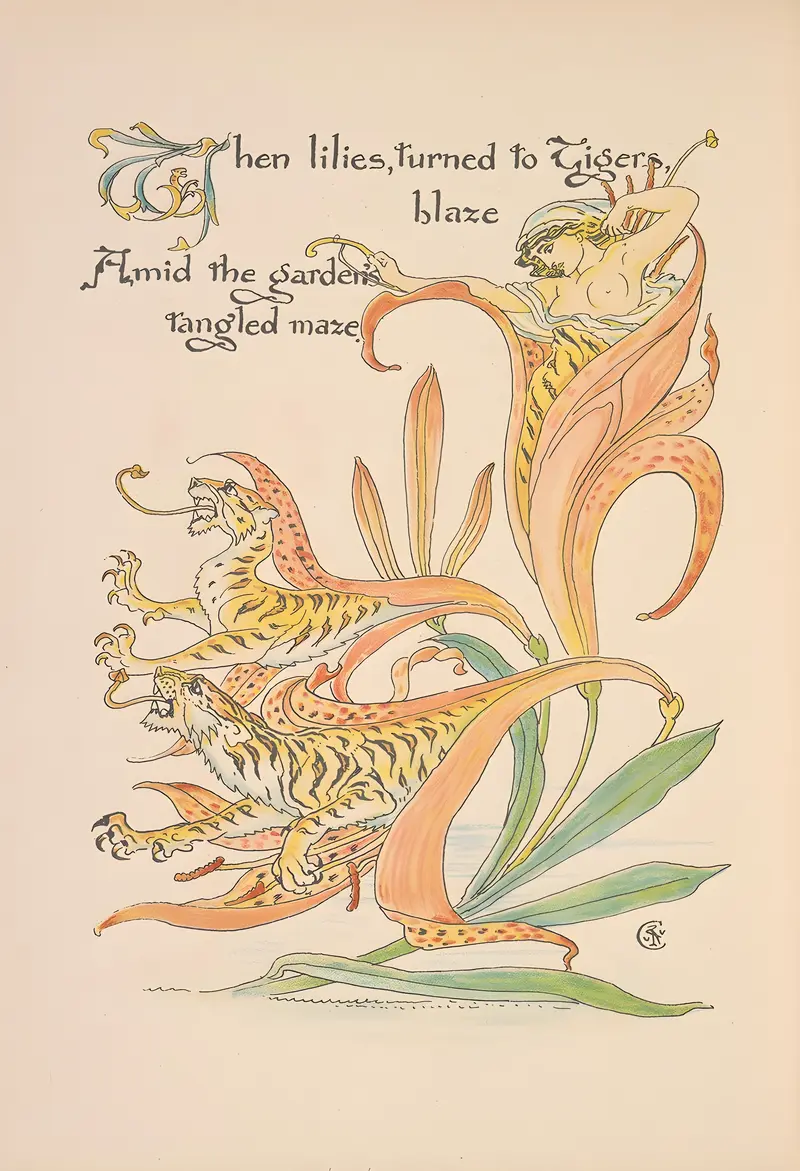
Flora’s feast; A masque of flowers Pl.34
Walter Crane
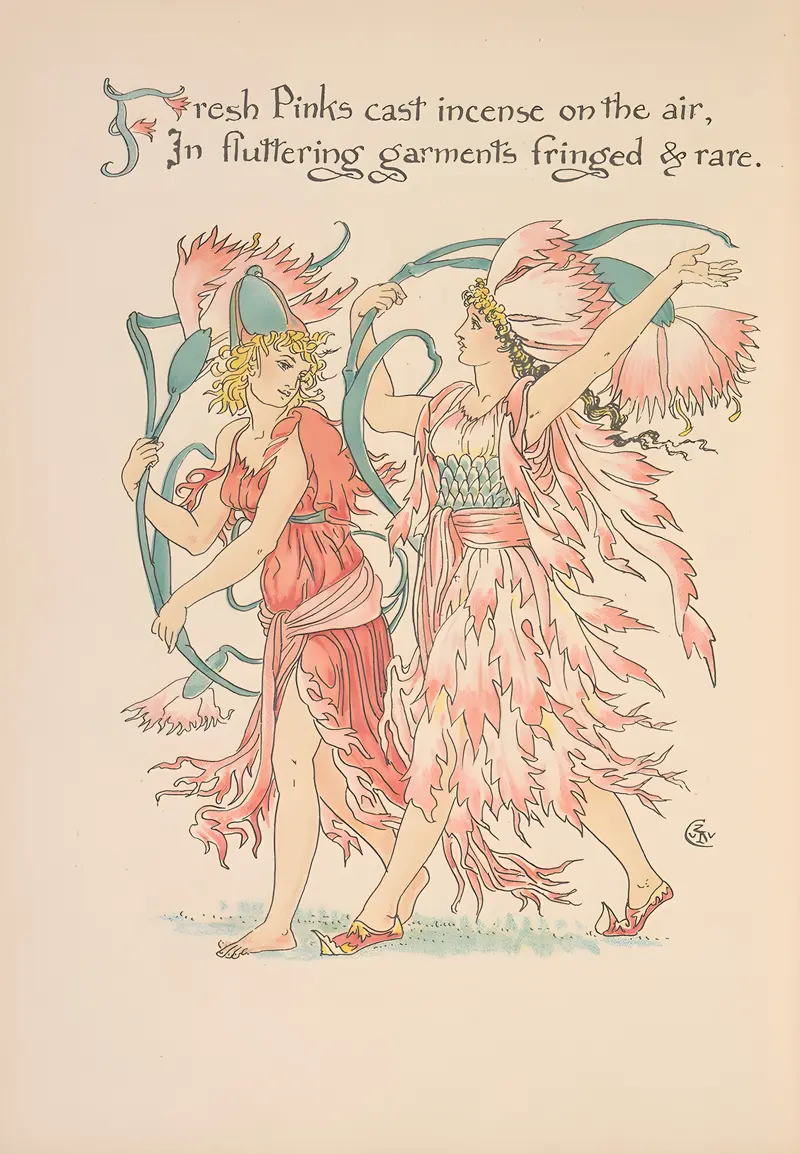
Flora’s feast; A masque of flowers Pl.29
Walter Crane





