Discover insights about this artwork
Bacchanal — History & Facts
In Bacchanal, vibrant colors dominate the canvas, with deep reds, greens, and golds creating a lively atmosphere. The painting features figures engaged in a spirited celebration, embodying the essence of Bacchus, the Roman god of wine. These figures are depicted in dynamic poses, suggesting movement and joy.
The lush background adds to the festive setting, filled with foliage and hints of a mythical landscape. The painting is executed in oil on canvas, a medium that allows for rich color and texture. Franz von Stuck employs a Symbolist style, characterized by its emphasis on emotion and the use of mythological themes. The composition is balanced, with figures arranged in a way that draws the viewer's eye throughout the scene.
The artist's technique showcases his skill in blending realistic human forms with fantastical elements. Bacchanal was created during the late 19th century, a time when Symbolism was gaining prominence in the art world. Franz von Stuck was not only a painter but also a sculptor and architect, making him a versatile figure in the art community. This work reflects his fascination with mythology and the human experience, often exploring themes of desire and ecstasy.
An interesting fact about this painting is its ability to evoke the spirit of ancient celebrations, connecting viewers to a rich cultural heritage.
More Artworks by Franz von Stuck
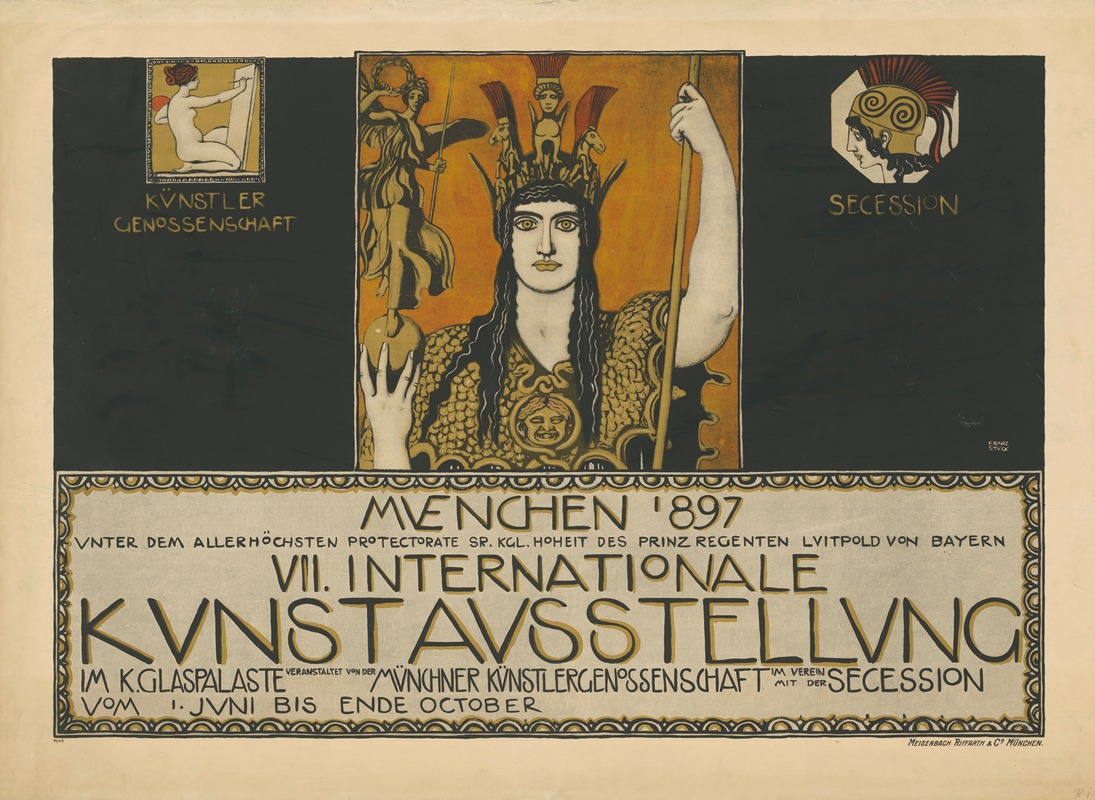
7. Internationale Kunstausstellung des Vereins Bildender Künstler München Secession
Franz von Stuck
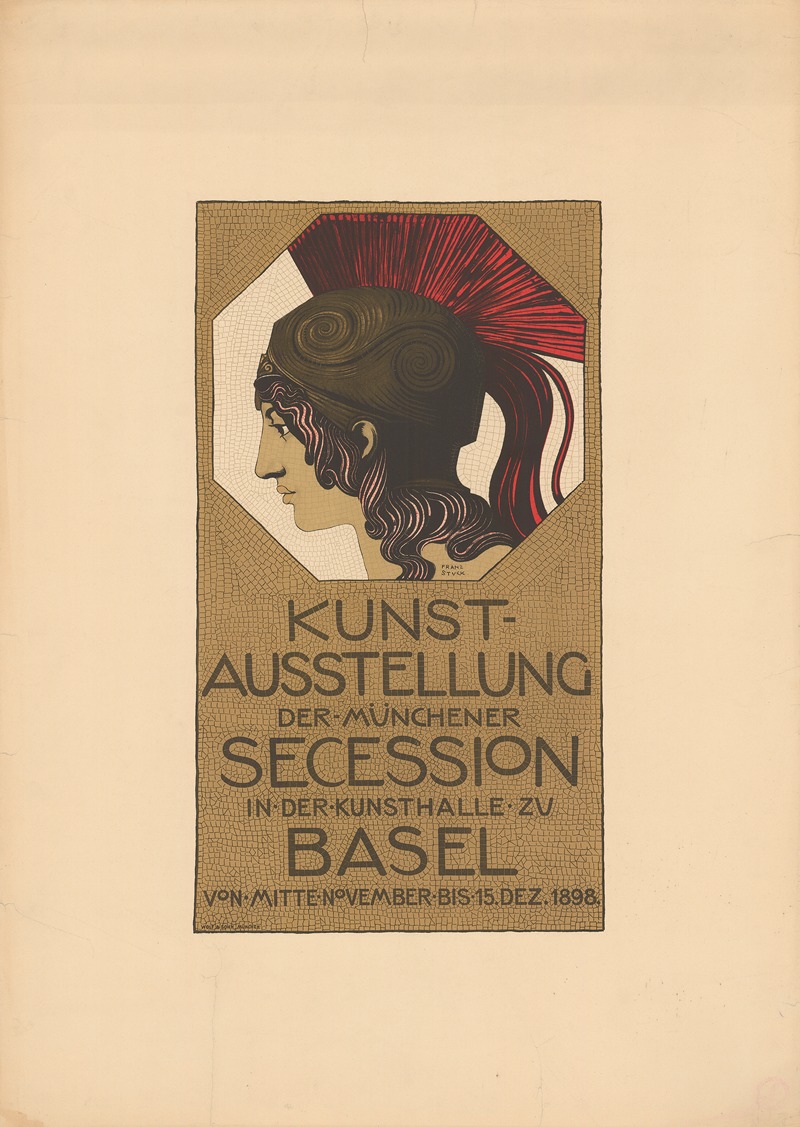
Kunstausstellung der Münchener Secession in der Kunsthalle zu Basel
Franz von Stuck

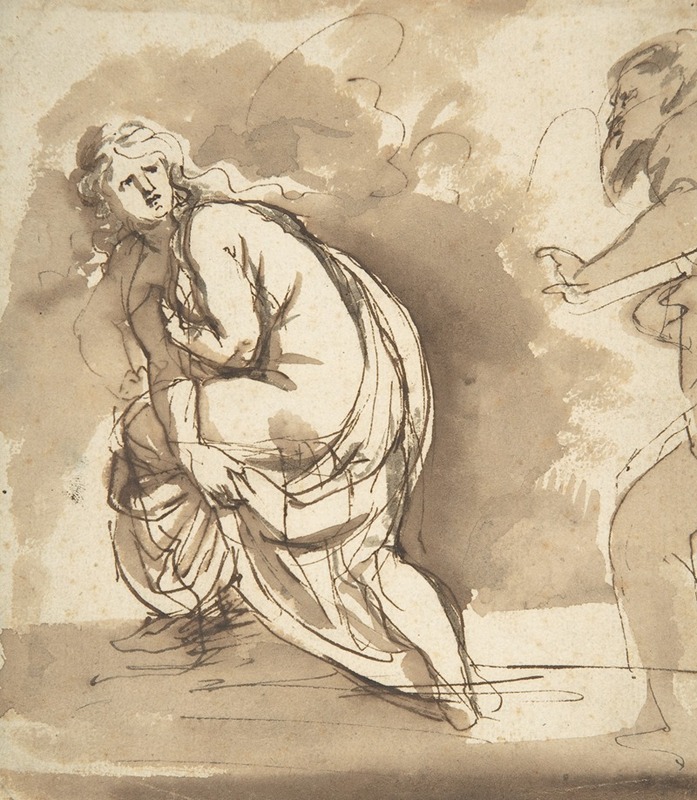
Susanna im Bade
Franz von Stuck

The Dancer Saharet
Franz von Stuck

The Spring
Franz von Stuck
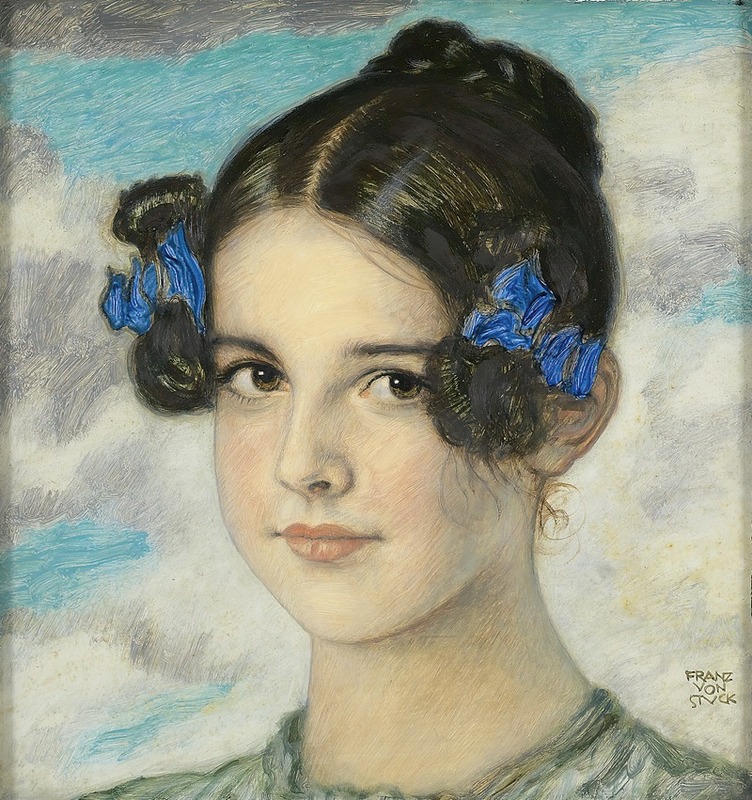
Tochter Mary
Franz von Stuck

Portrait einer Dame mit Spitzenkragen
Franz von Stuck
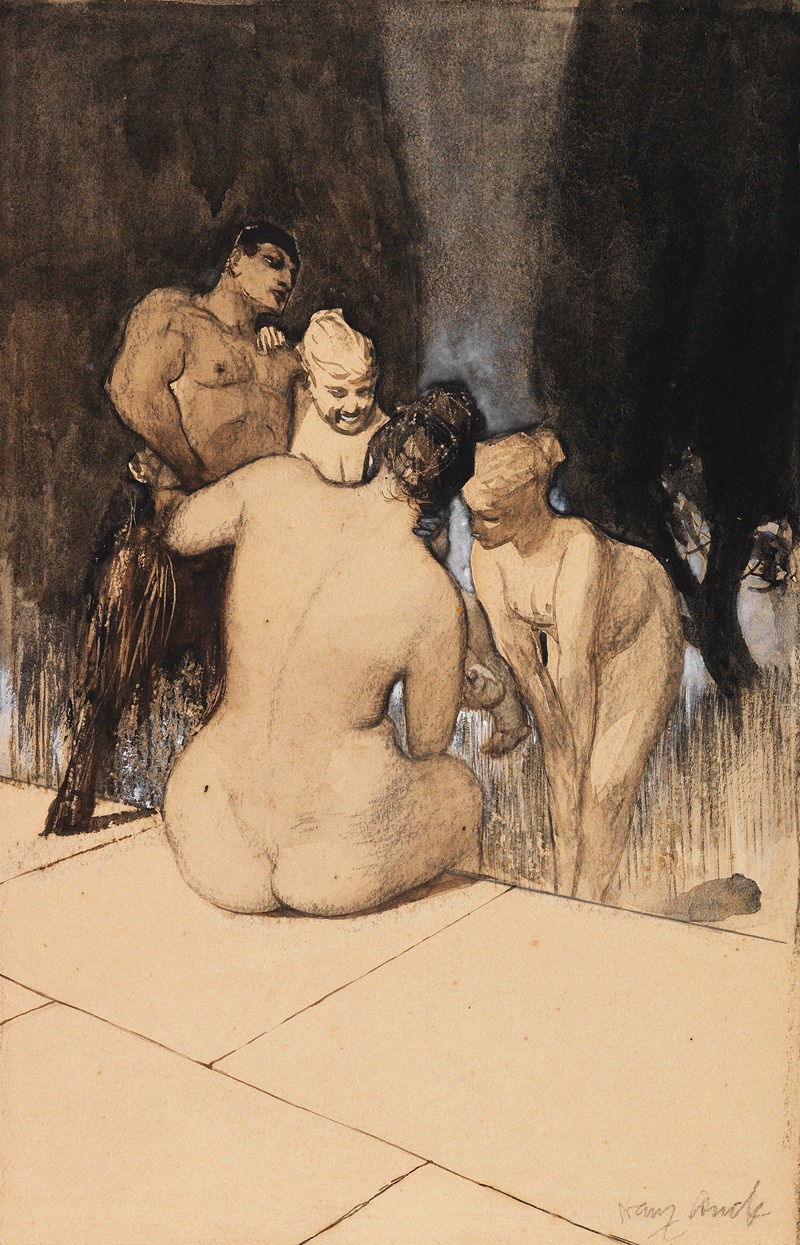
Satyr mit Nymphen und Kind
Franz von Stuck

Oedipus solves the mystery of the Sphinx
Franz von Stuck
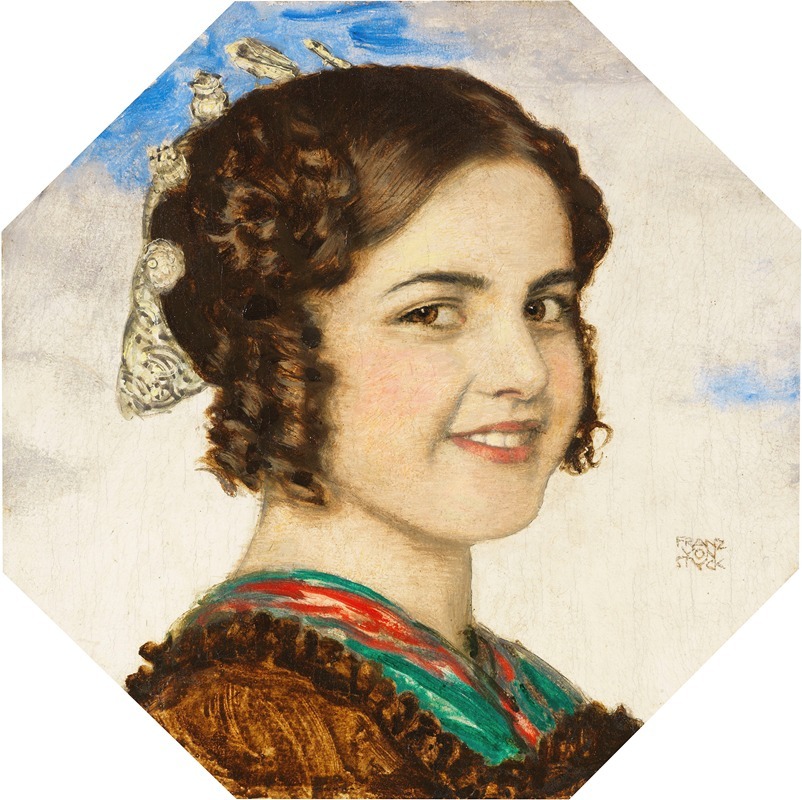
Porträt der Tochter Mary
Franz von Stuck