
Bacchanalians — History & Facts
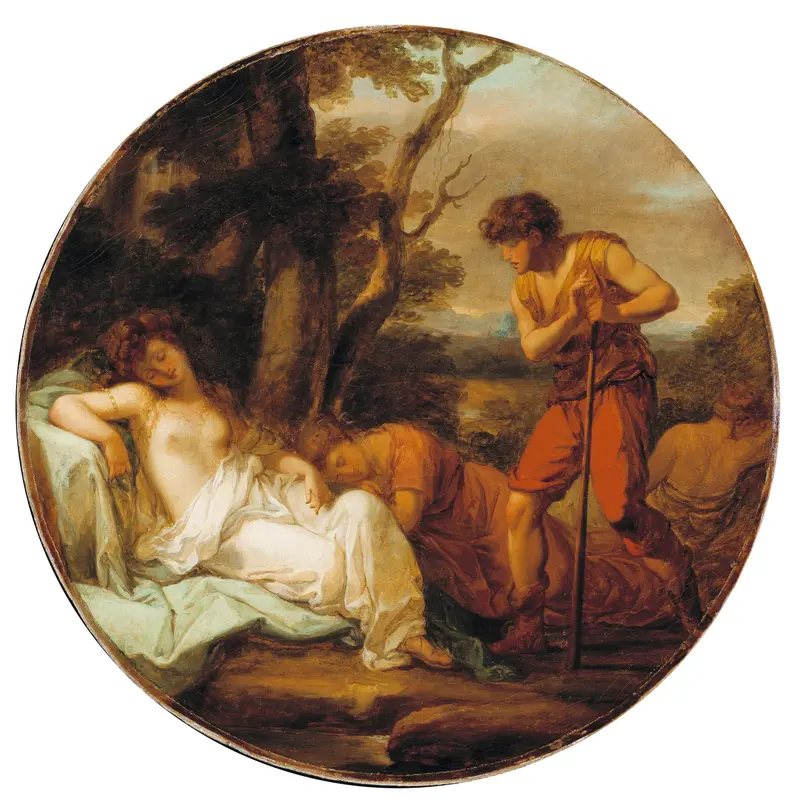
In Bacchanalians, Angelica Kauffmann presents a lively scene filled with vibrant colors. The painting features figures engaged in revelry, surrounded by lush greenery and floral arrangements. The use of warm tones enhances the festive atmosphere, inviting viewers into a world of celebration.
The figures, draped in flowing garments, embody the spirit of Bacchus, the Roman god of wine and festivity. The painting is executed in oil on canvas, a common medium for the Rococo style. Kauffmann's technique showcases her skill in blending colors and creating dynamic compositions. The figures are arranged in a way that draws the eye through the scene, emphasizing movement and interaction.
The attention to detail in the drapery and facial expressions adds depth to the overall composition. Angelica Kauffmann was a prominent female artist in the 18th century, known for her contributions to the Rococo movement. Bacchanalians reflects her interest in mythological themes and the celebration of life. An interesting fact about this work is that it was likely commissioned for a private collection, showcasing the appreciation for Kauffmann's talent during her time.
Her ability to depict lively scenes with grace and elegance continues to resonate with audiences today.
More Artworks by Angelica Kauffmann
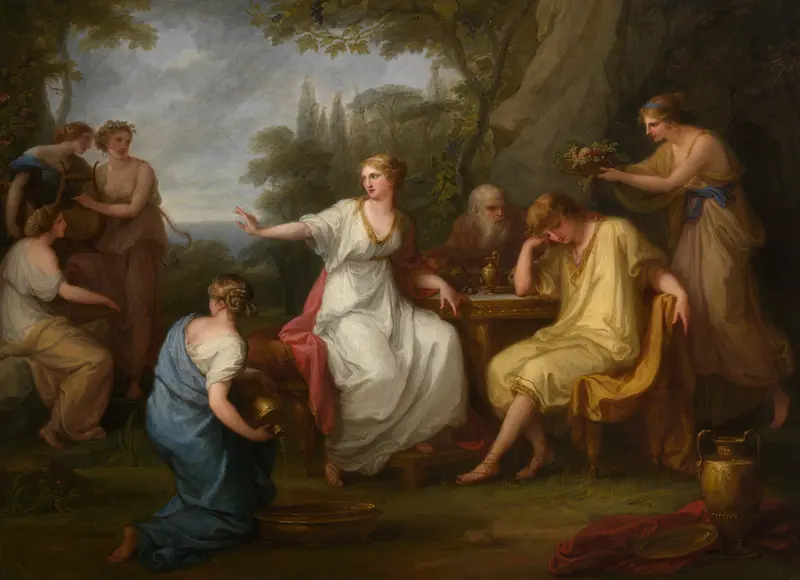
The Sorrow of Telemachus
Angelica Kauffmann

Portrait Of A Lady As A Vestal Virgin
Angelica Kauffmann
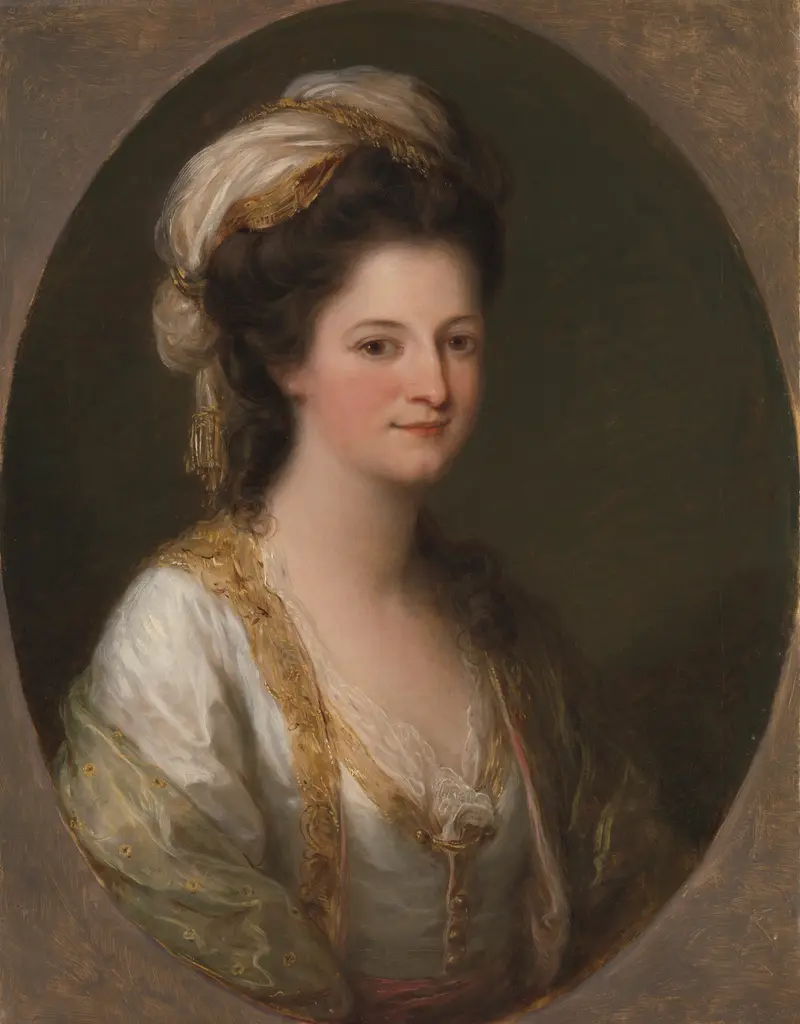
Portrait of a woman, traditionally identified as Lady Hervey
Angelica Kauffmann
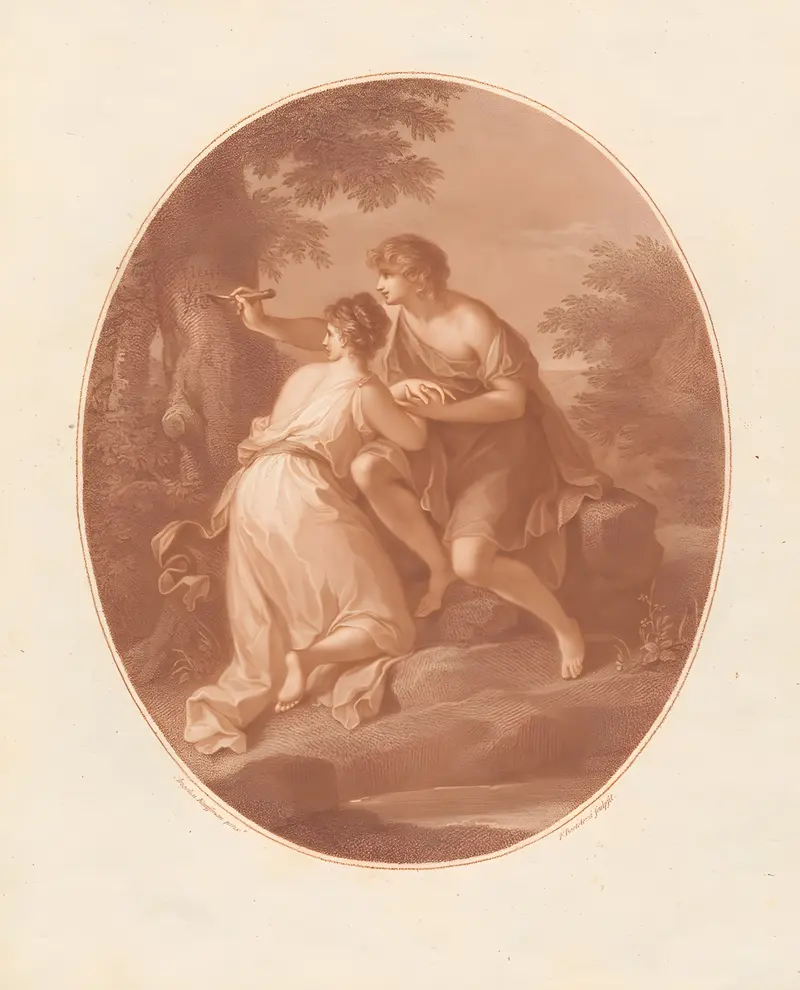
Paris and Oenone
Angelica Kauffmann
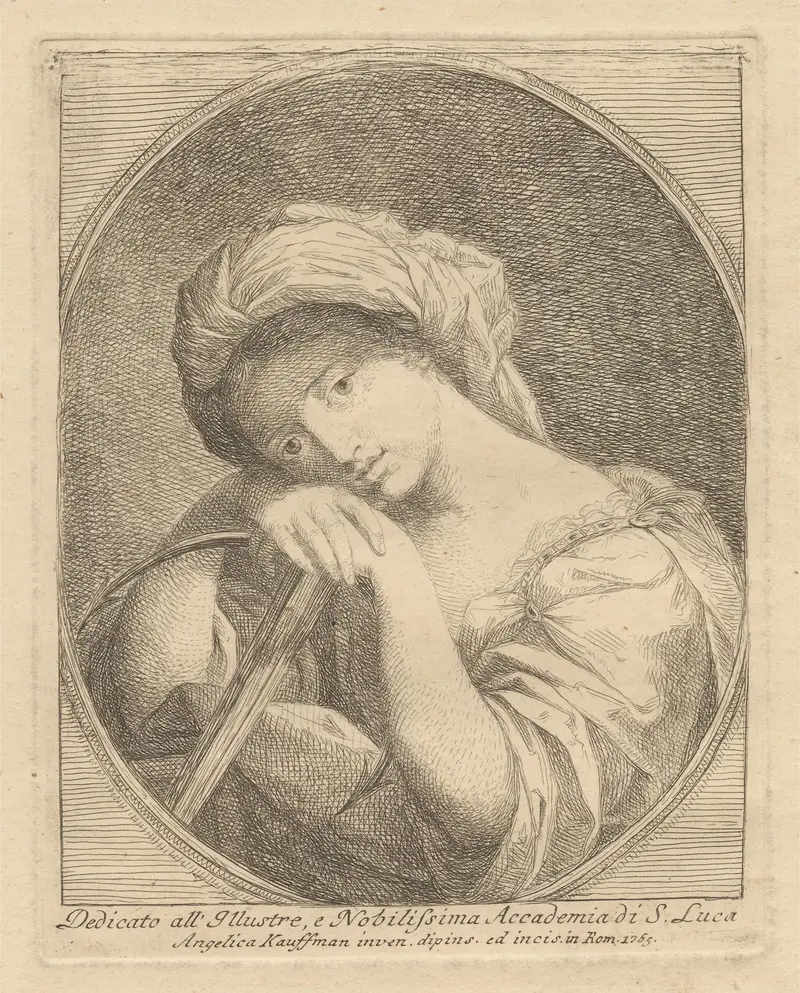
Bust of a Young Woman with Flowers in Her Hair
Angelica Kauffmann
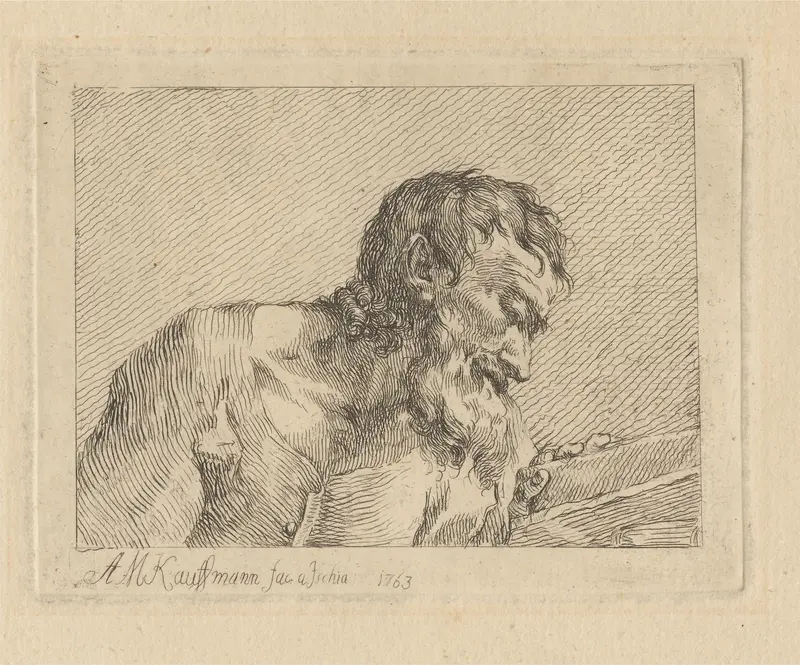
Bust of an Old Man.
Angelica Kauffmann
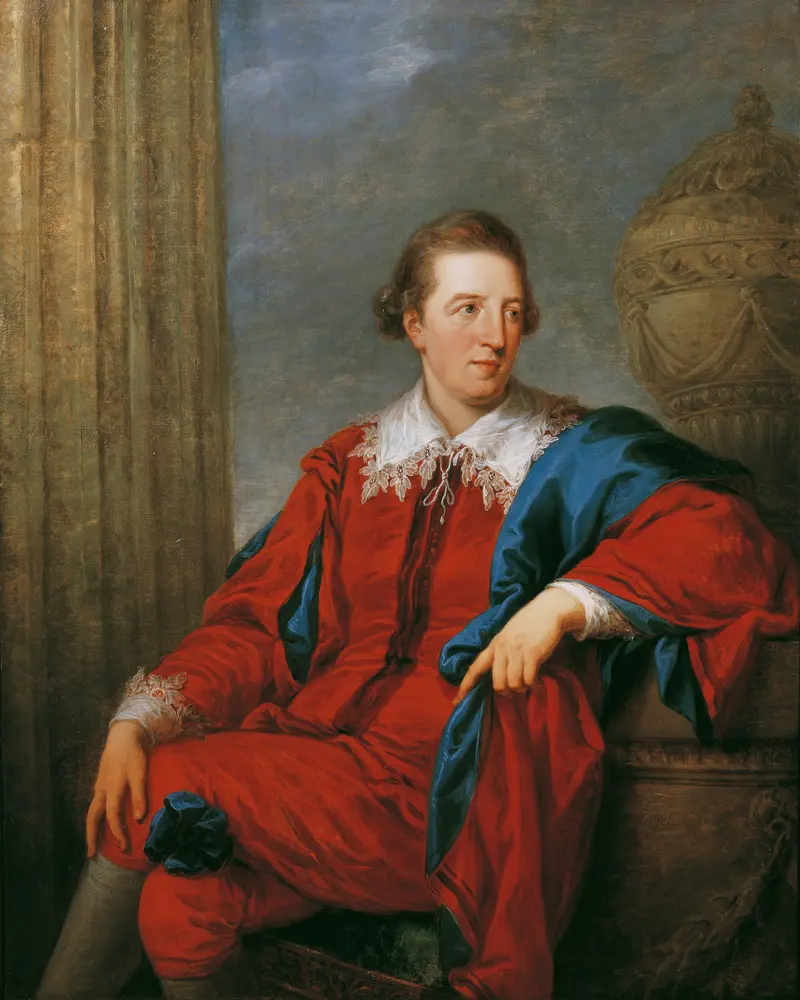
John Simpson, der Vater von Maria Susanna Lady Ravensworth
Angelica Kauffmann
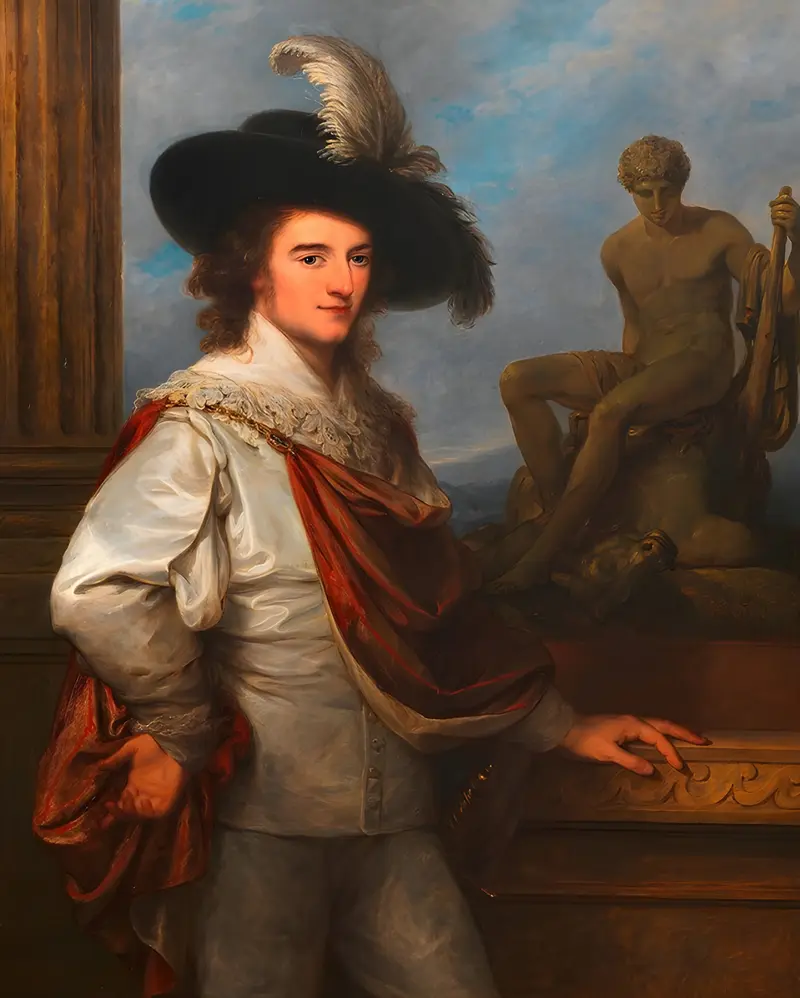
Josef Johann Graf Fries
Angelica Kauffmann
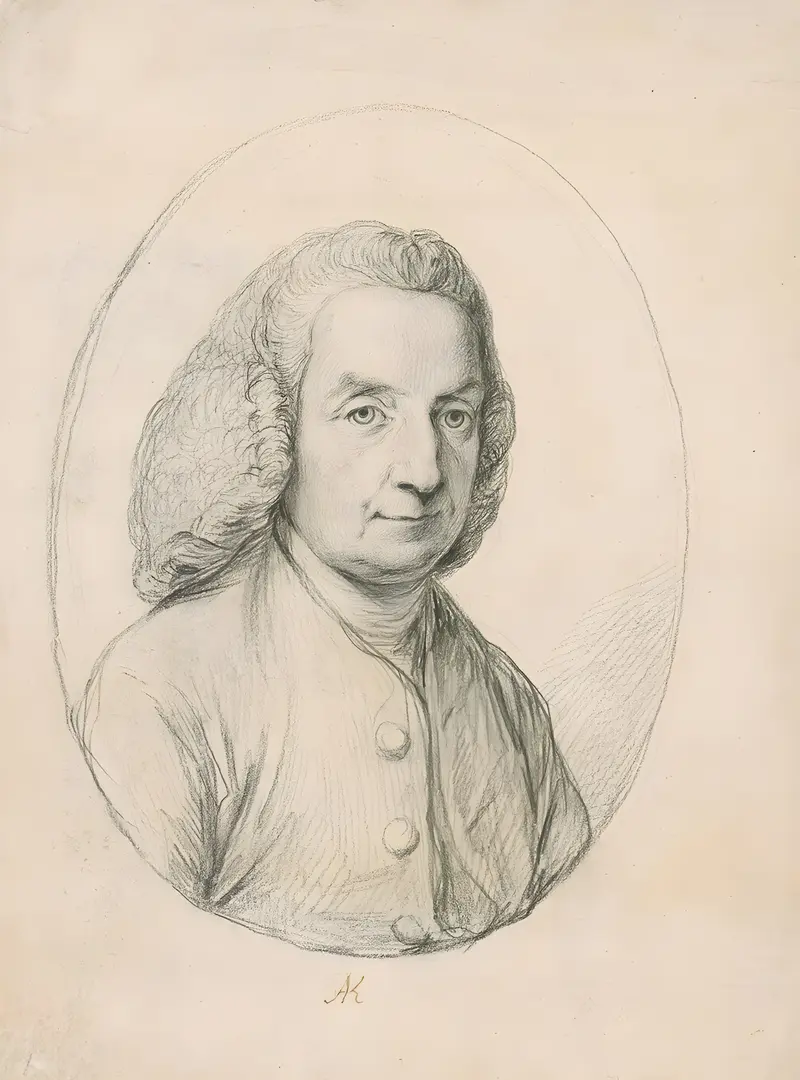
Judge George Robert Hellen (1725-1793)
Angelica Kauffmann
Cymon and Iphigenia
Angelica Kauffmann





