
Bacchante — History & Facts
In Bacchante, vibrant colors dominate the scene, with lush greens and rich reds creating a festive atmosphere. The figures are elegantly posed, capturing the joy of celebration. A Bacchante, adorned with flowing garments, dances joyfully beside Bacchus, the Roman god of wine.
The background features a verdant landscape, enhancing the sense of abundance and revelry. The painting is executed in oil on canvas, showcasing Alma-Tadema's skillful brushwork and attention to detail. The figures are rendered with a high level of realism, emphasizing their expressions and movements. The use of light and shadow adds depth to the composition, making the scene feel alive.
The approximate dimensions of the painting are 100 x 150 cm. Lawrence Alma-Tadema was known for his depictions of classical themes and the opulence of ancient cultures. Bacchante reflects his fascination with the Roman world and its celebrations. An interesting fact about this work is that it captures a moment of joy and freedom, contrasting with the more serious themes often found in Victorian art.
Alma-Tadema's works were highly popular in his time, and he remains a significant figure in the Victorian art movement.
More Artworks by Lawrence Alma-Tadema

The Roses of Heliogabalus
Lawrence Alma-Tadema

A Juggler
Lawrence Alma-Tadema
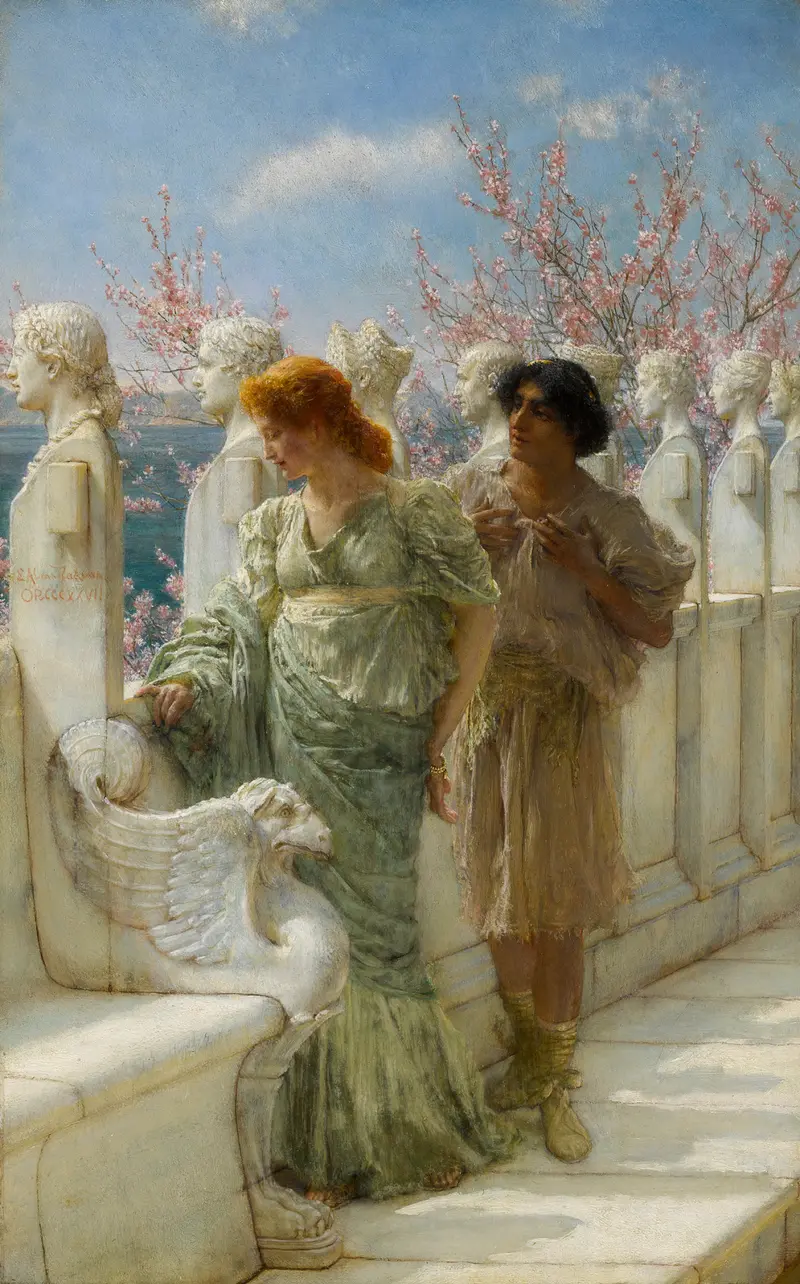
Past And Present Generations
Lawrence Alma-Tadema
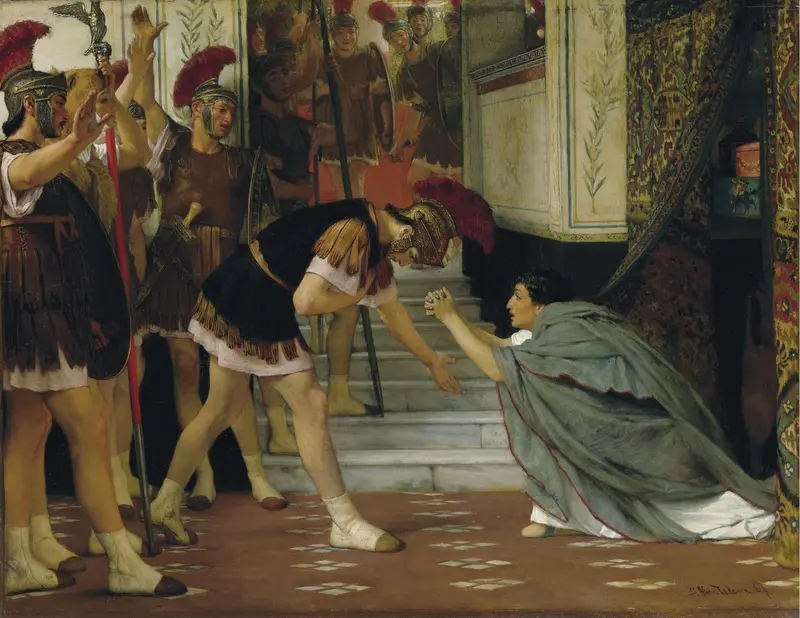
Proclaiming Claudius Emperor, Opus XlVIII
Lawrence Alma-Tadema
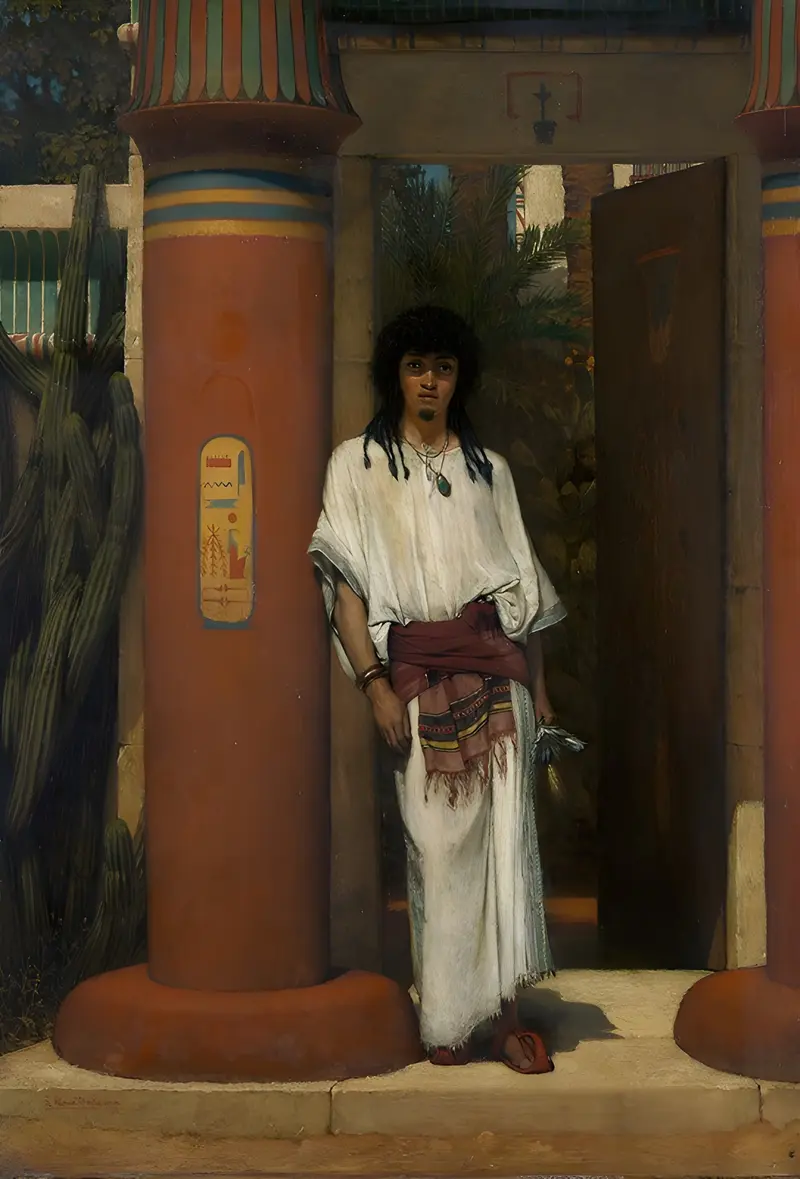
An Egyptian in a Doorway
Lawrence Alma-Tadema
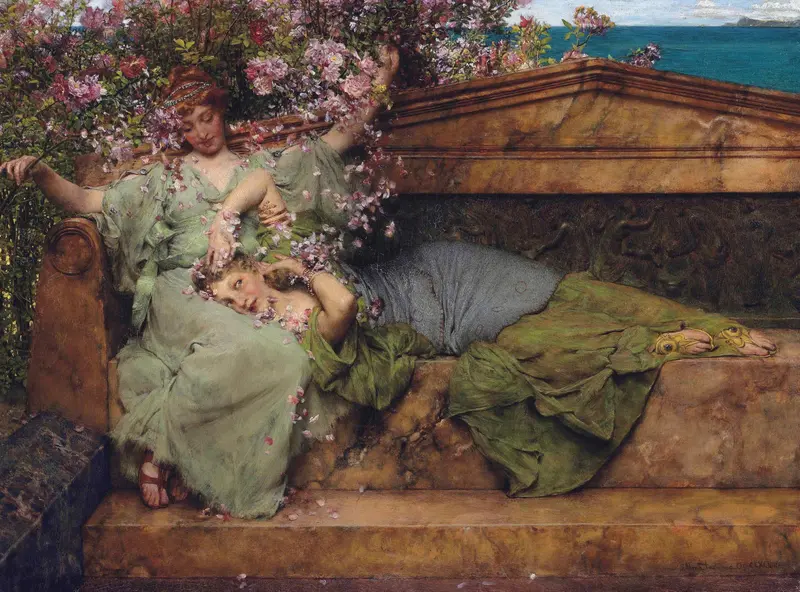
In A Rose Garden
Lawrence Alma-Tadema
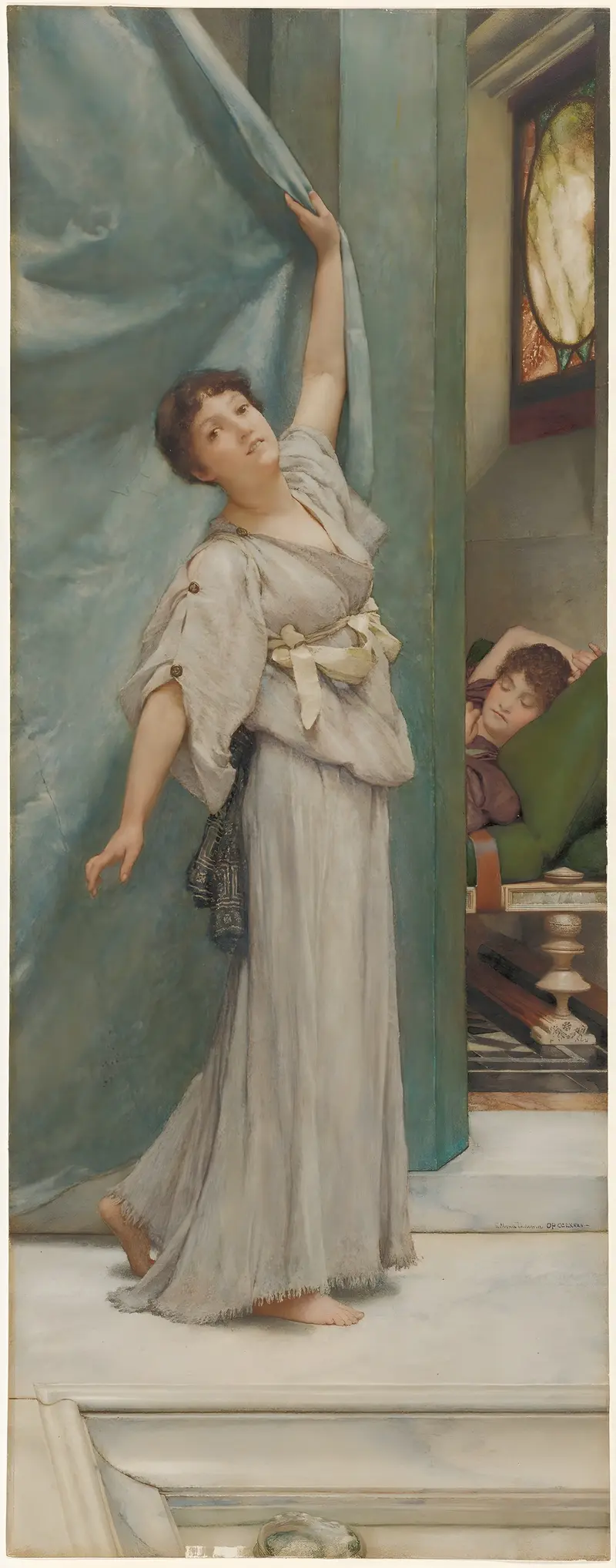
Midday Slumbers
Lawrence Alma-Tadema
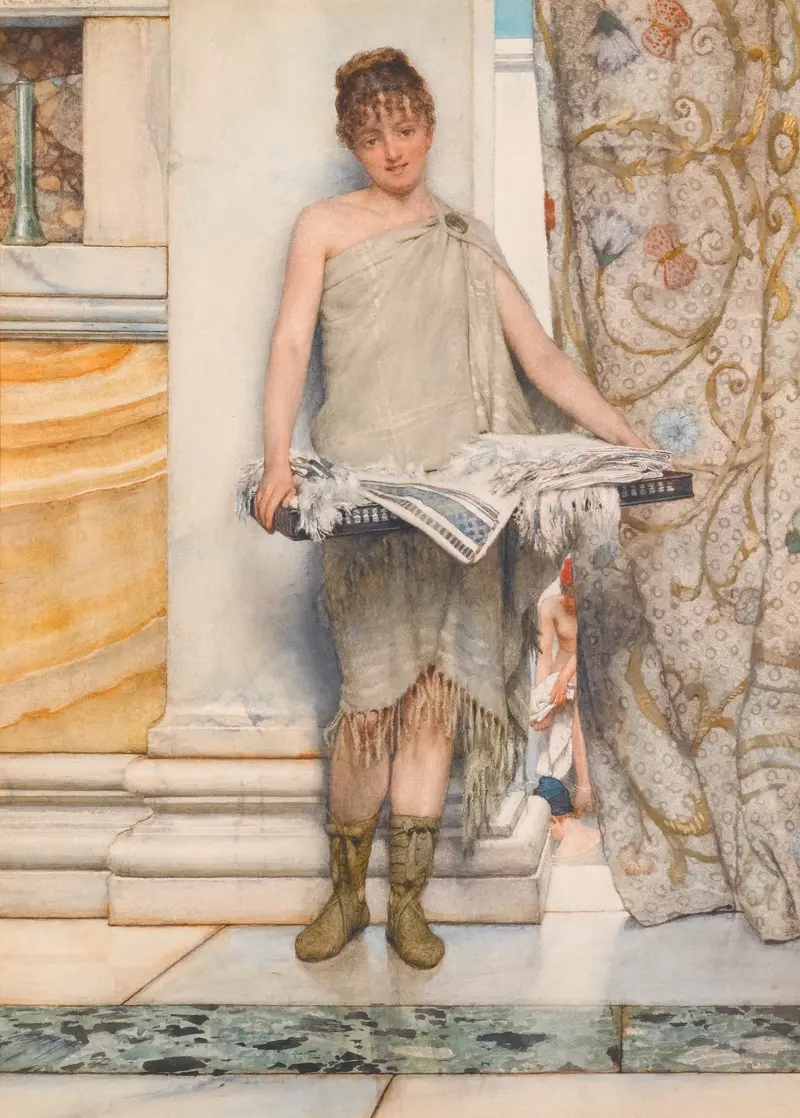
A Balneatrix
Lawrence Alma-Tadema
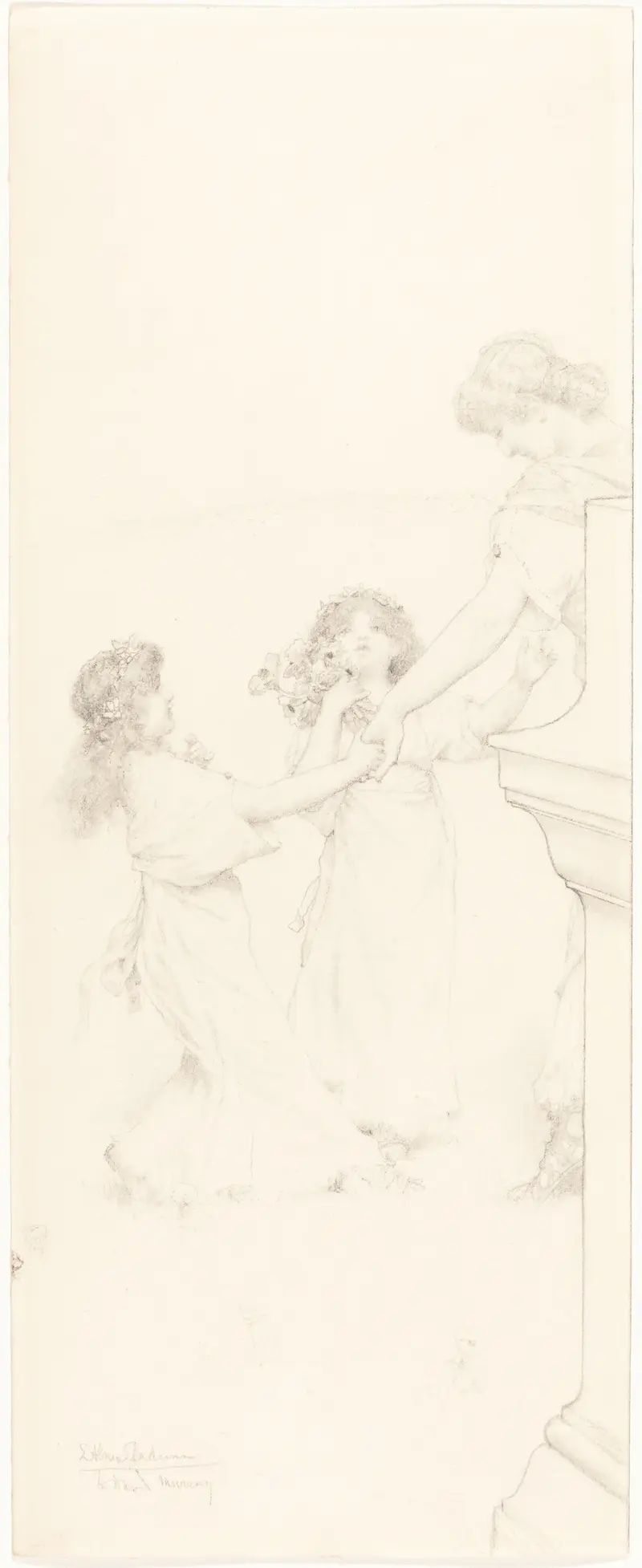
A Dance in Spring
Lawrence Alma-Tadema
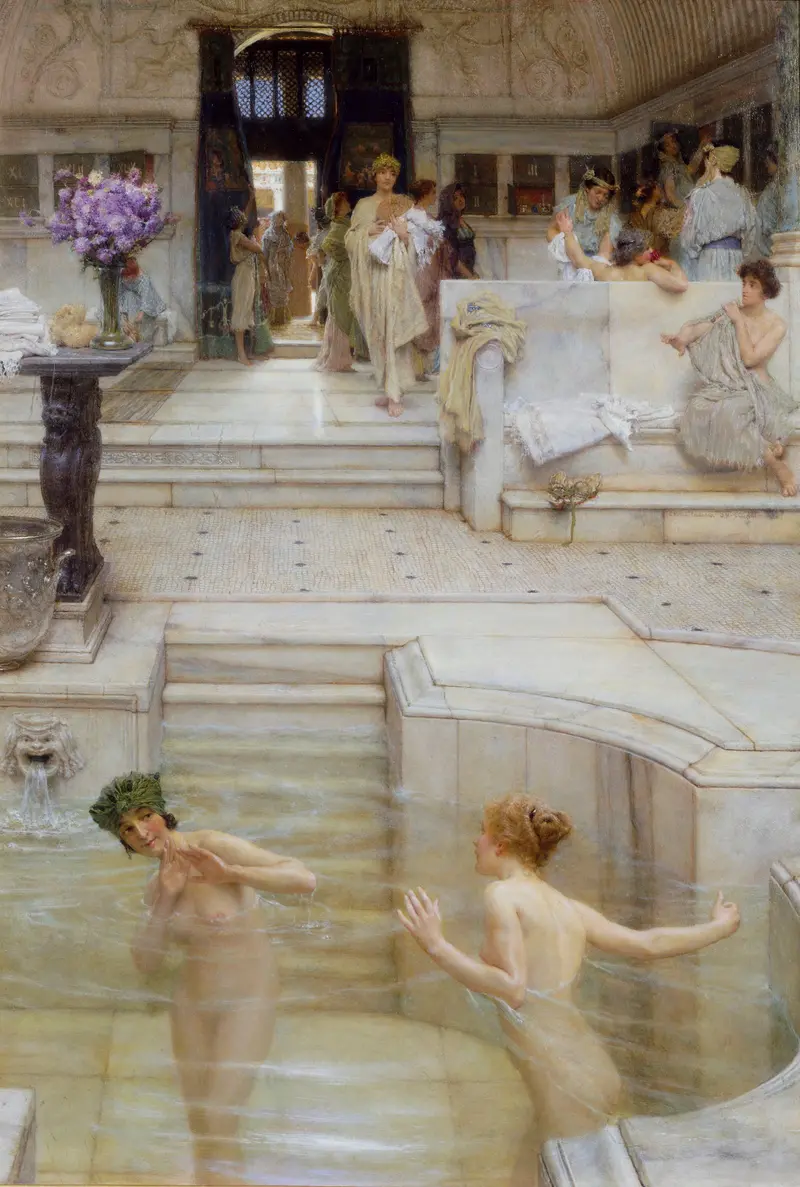
A Favourite Custom
Lawrence Alma-Tadema





