
Back of a Woman, Study — History & Facts
What draws the eye first in Back of a Woman, Study by Albert Besnard is the sheer intimacy of the pose: a figure turned away, her back filling the frame, the curve of her shoulder and the gentle fold of her arm rendered in thick, luminous strokes. Light pools across her skin, tracing the subtle shifts of muscle and bone, while the background falls away into darkness. The brushwork is loose yet deliberate, each stroke following the topography of flesh, inviting the viewer to linger on the play of color—warm ochres, cool lilacs, and sudden, unexpected reds at the edge of the drapery.
There is no narrative, no distraction: just the act of looking, and the quiet dignity of a body at rest. Works like this arose in a period when artists such as Besnard were pushing portraiture and the nude into new, more personal territory, exploring not idealized beauty but the living presence of the sitter. In early twentieth-century France, studies of the human form were both academic exercises and opportunities for innovation, as painters experimented with color, light, and brushwork to capture the sensation of flesh and the psychology of presence. This particular work, held today in the collection at http://lachambredesvisiteurs.fr, stands as a testament to that moment—history has kept few traces of its origins, but the immediacy of the image speaks across the years.
Notice how the light, rather than the face, becomes the subject, and let your gaze follow the painter’s hand as it maps the landscape of the back.
More Artworks by Albert Besnard
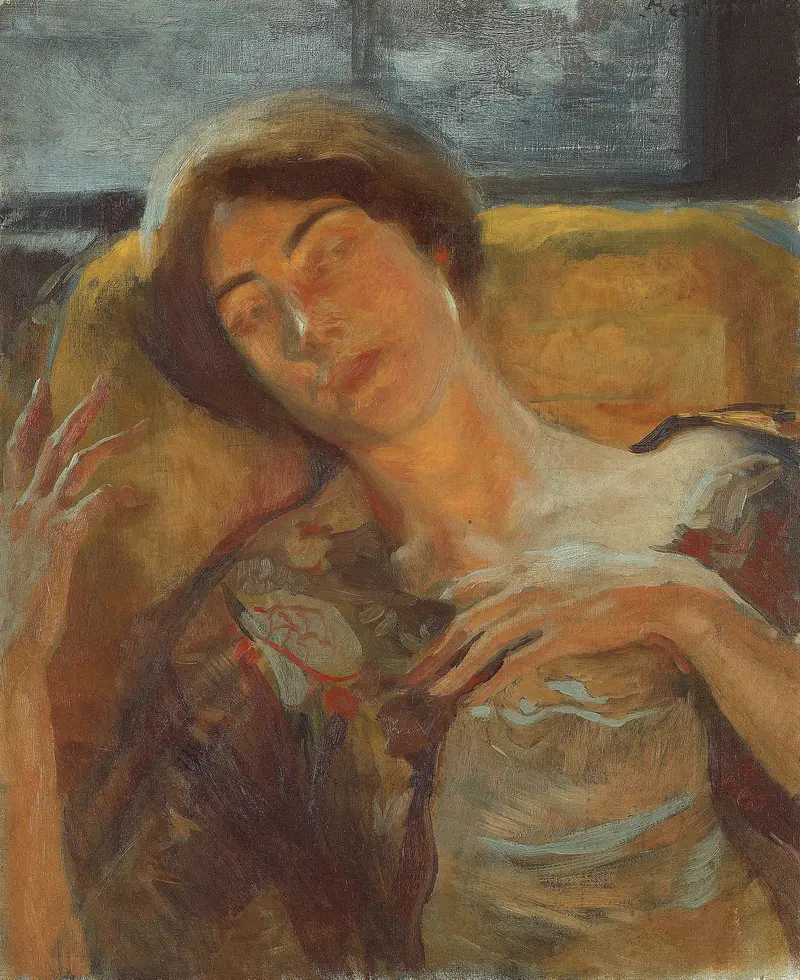
Woman's Head
Albert Besnard
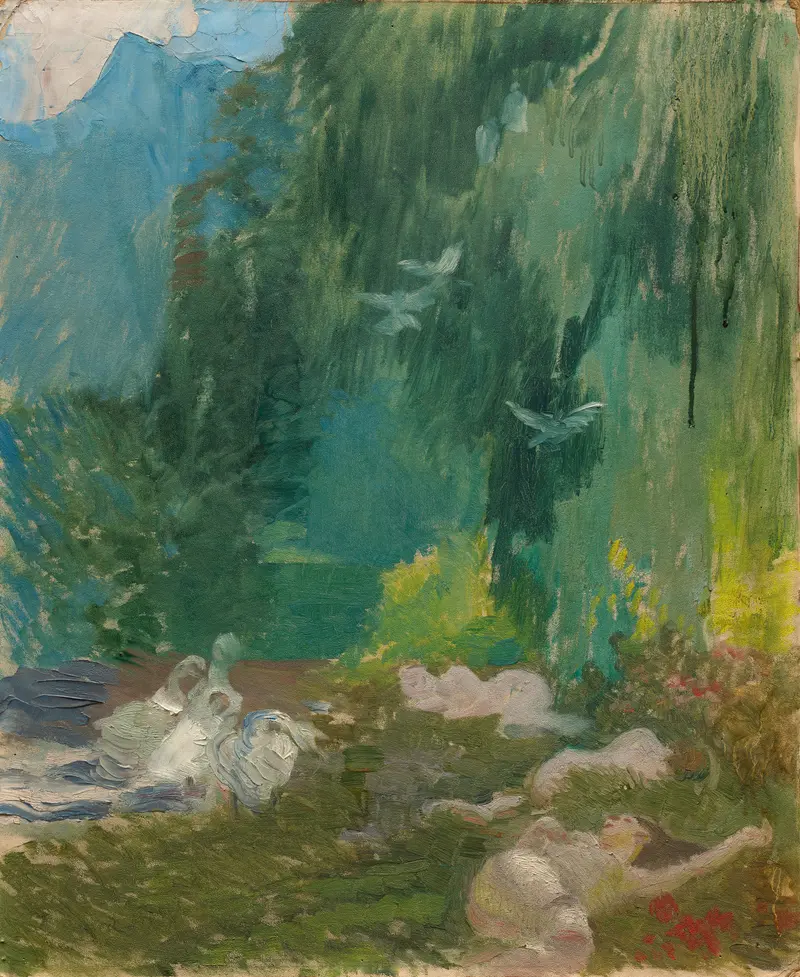
The Siesta
Albert Besnard
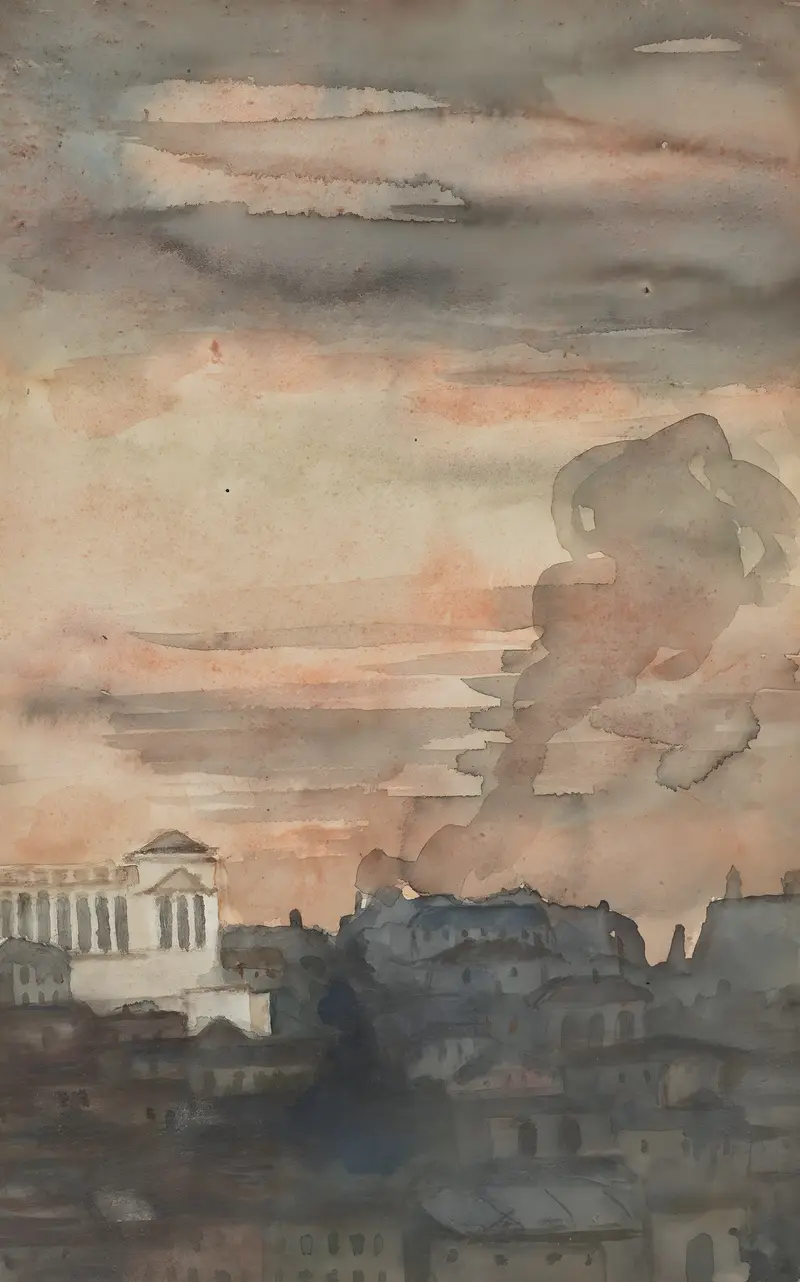
View of Rome with the Vittorio Emanuele II Monument in the distance, at sunset
Albert Besnard
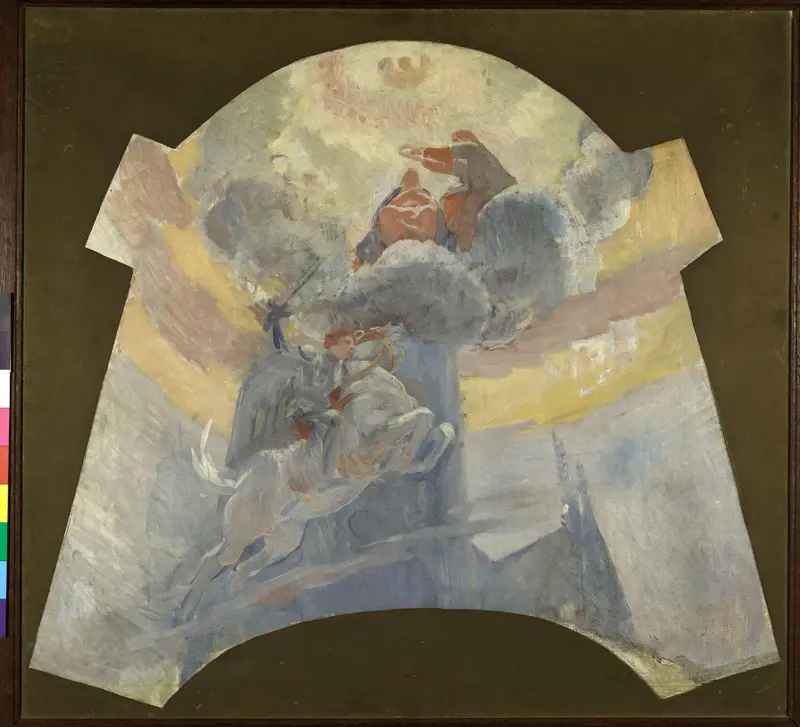
Albert (Paul Besnard dit) La Mystique, esquisse de la composition d'ensemble
Albert Besnard
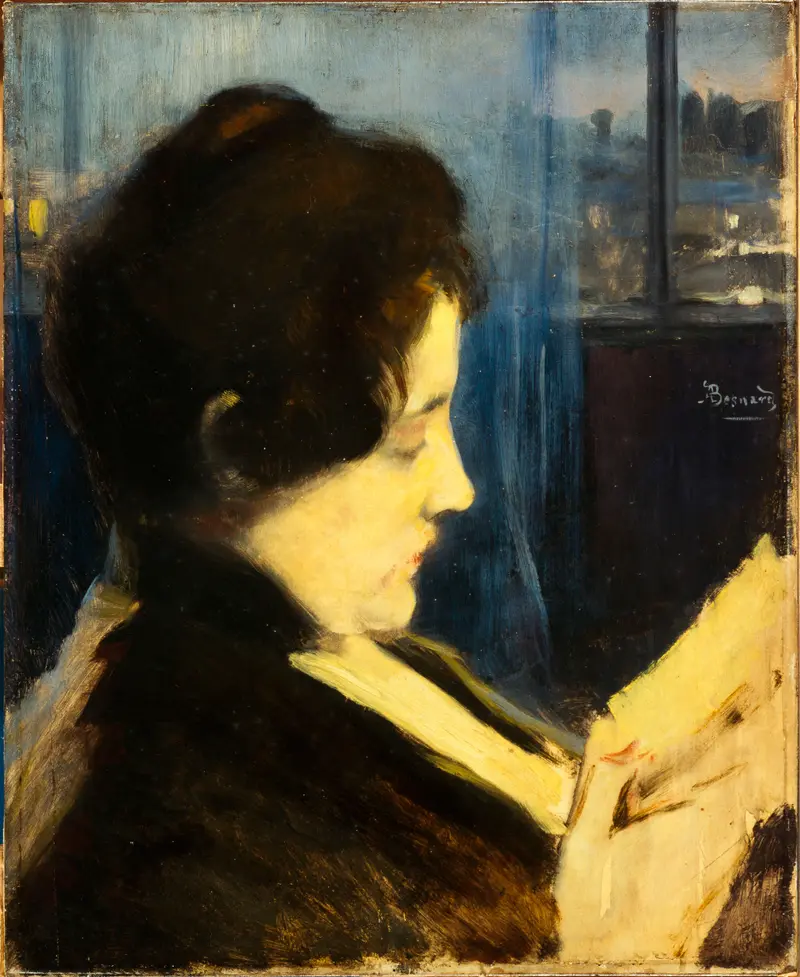
Charlotte Besnard c.
Albert Besnard
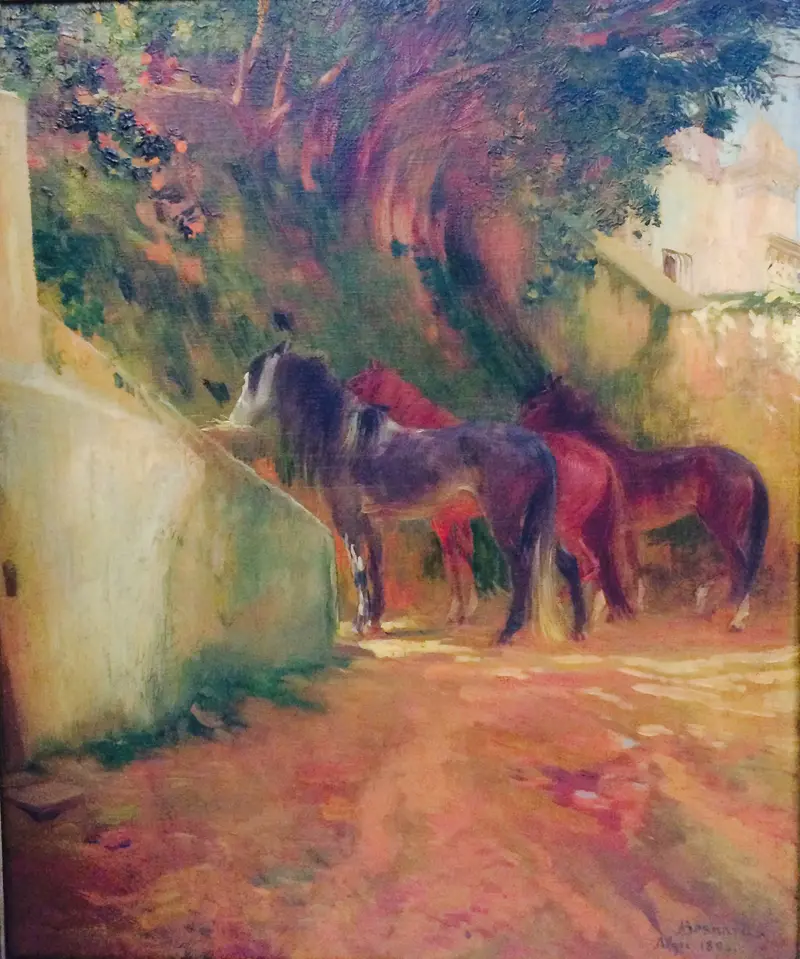
Horses
Albert Besnard
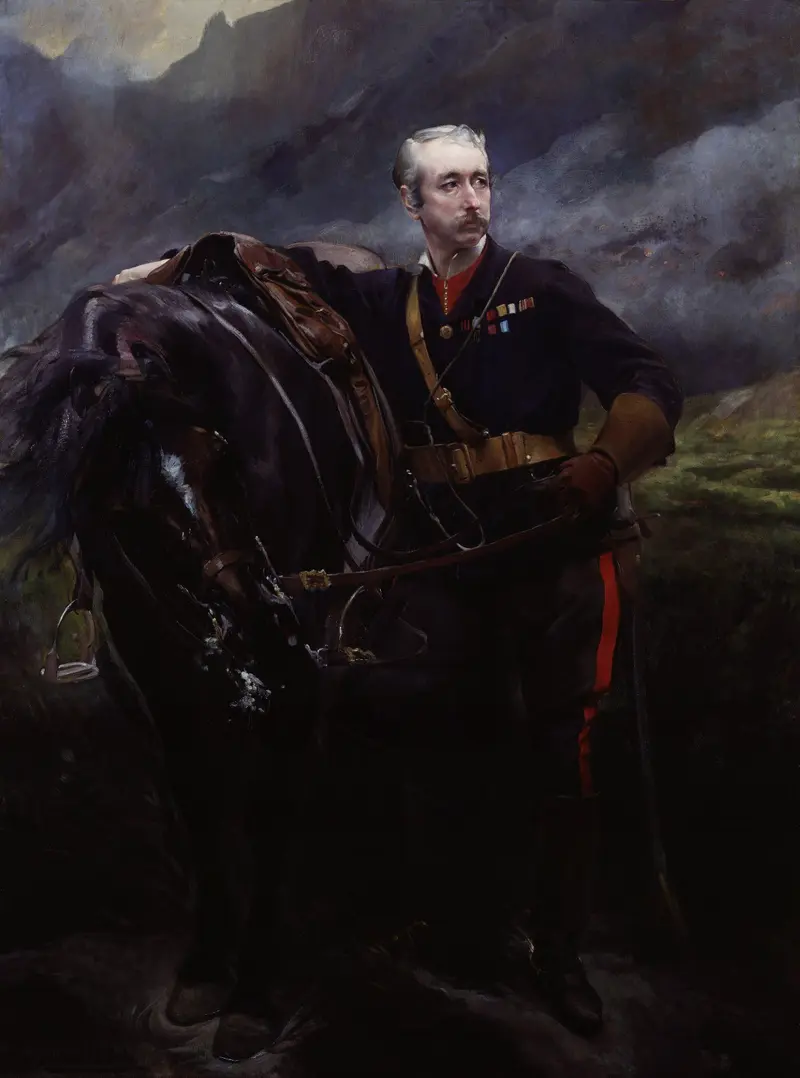
Garnet Joseph Wolseley, 1st Viscount Wolseley
Albert Besnard
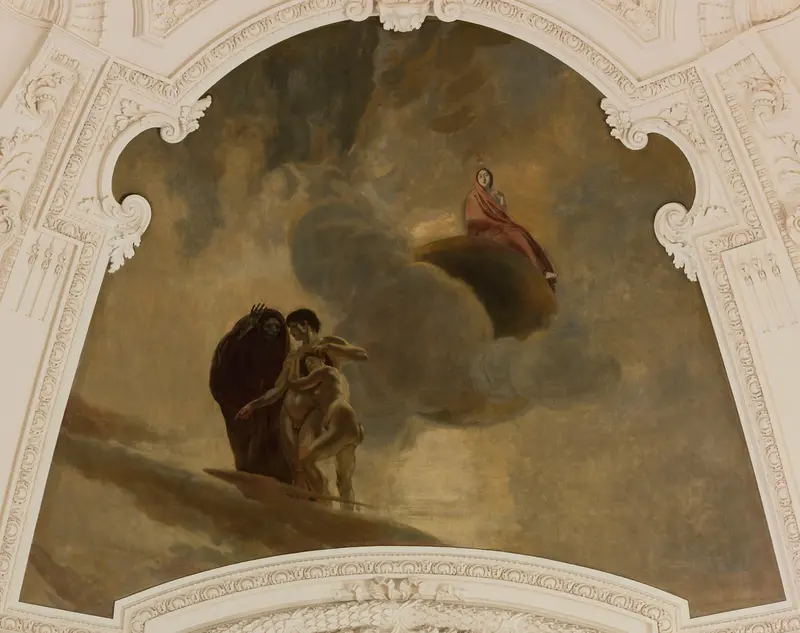
Besnard La Pensée DECOP00A(04) Petit Palais 01
Albert Besnard
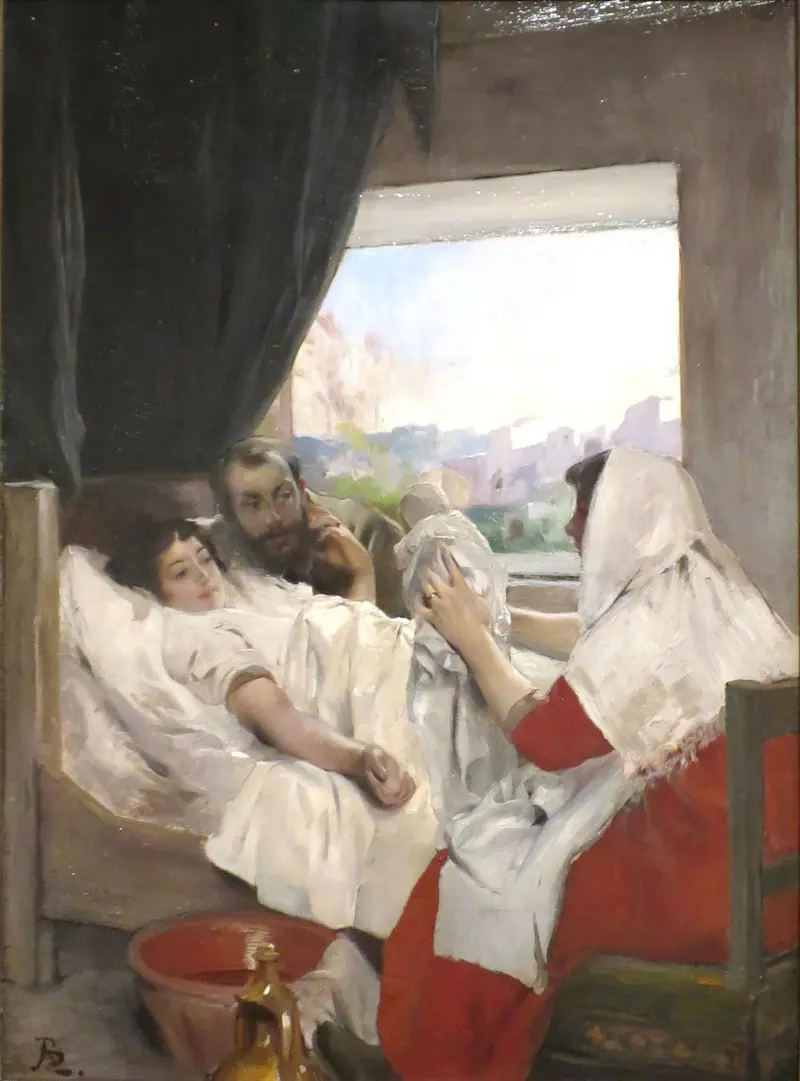
The First Morning (Albert and Charlotte Dubray Besnard and their Son, Robert)
Albert Besnard
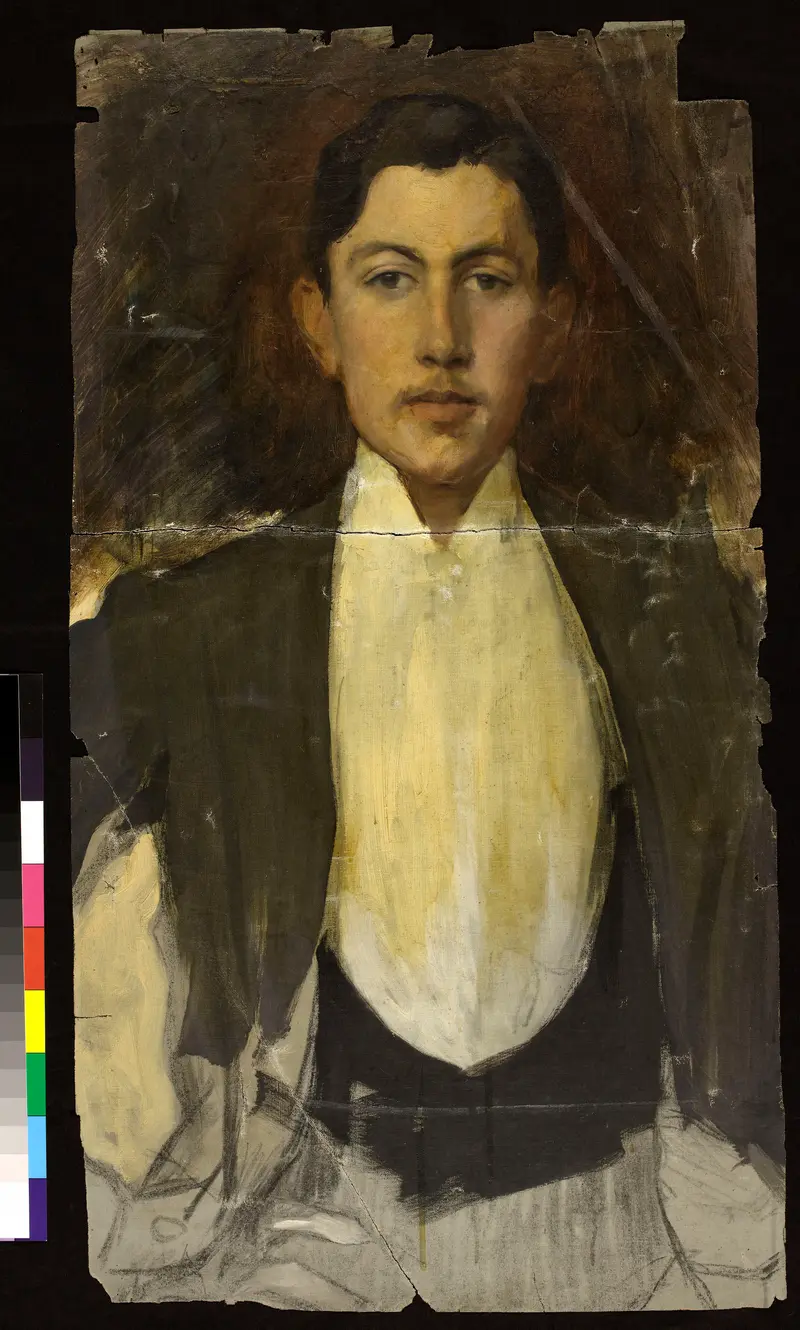
Albert (Paul Besnard dit) Portrait de Marcel Bing (2 fragments avant restauration)
Albert Besnard





