Horses — History & Facts
Sunlight pools and scatters across the dusty ground, drawing your gaze toward a trio of horses caught in a moment of idle curiosity and quiet companionship. The lead animal stretches its neck toward a pale wall, nose just brushing the surface, while the others linger behind, half in shadow, half in the dappled warmth beneath a canopy of tangled trees. The brushwork is loose and fluid, letting the colors bleed into one another—ochres and greens, the violet sheen of a mane—so that the whole scene feels suspended between observation and memory.
Every element here is arranged to slow you down: the gentle arc of the wall, the long shadows, the way the horses’ bodies echo the curves of the path and the hillside, inviting you to linger with them in this tranquil pause. Painted in 1894, this work by Albert Besnard belongs to a moment when artists across Europe were turning away from grand historical narratives and toward scenes of everyday life, rendered with a new attention to light and atmosphere. In France, the Impressionists had already made their mark, and painters like Besnard were exploring how color and brushstroke could conjure not just appearances but sensations—a breeze in the leaves, the warmth of late afternoon. Little is recorded about the specific history of Horses, now held in the collection of the Metropolitan Museum of Art, but its quiet subject and luminous palette speak to a late nineteenth-century fascination with fleeting moments and the natural world.
The horses wait, and so do we, caught in the hush between movement and stillness.
More Artworks by Albert Besnard
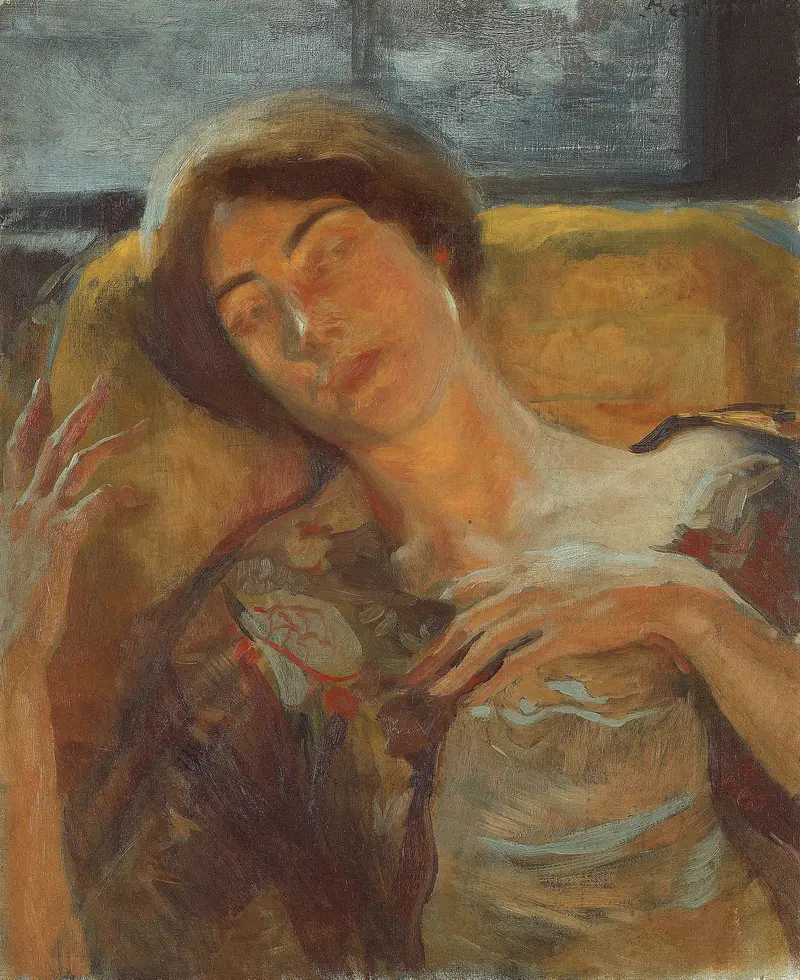
Woman's Head
Albert Besnard
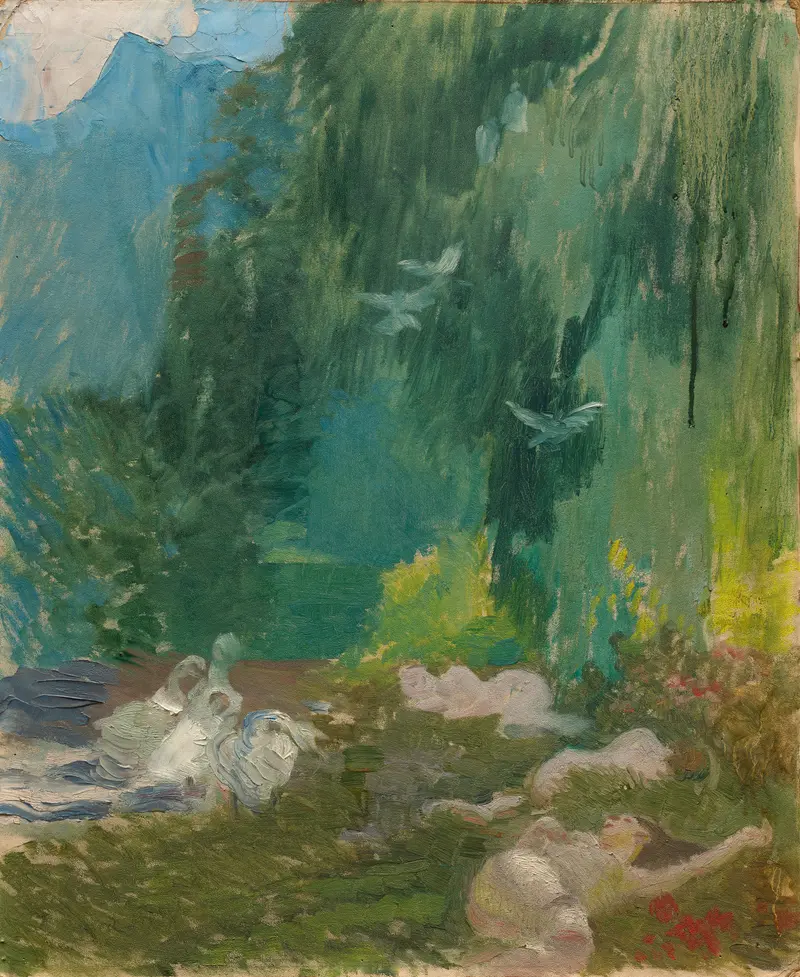
The Siesta
Albert Besnard
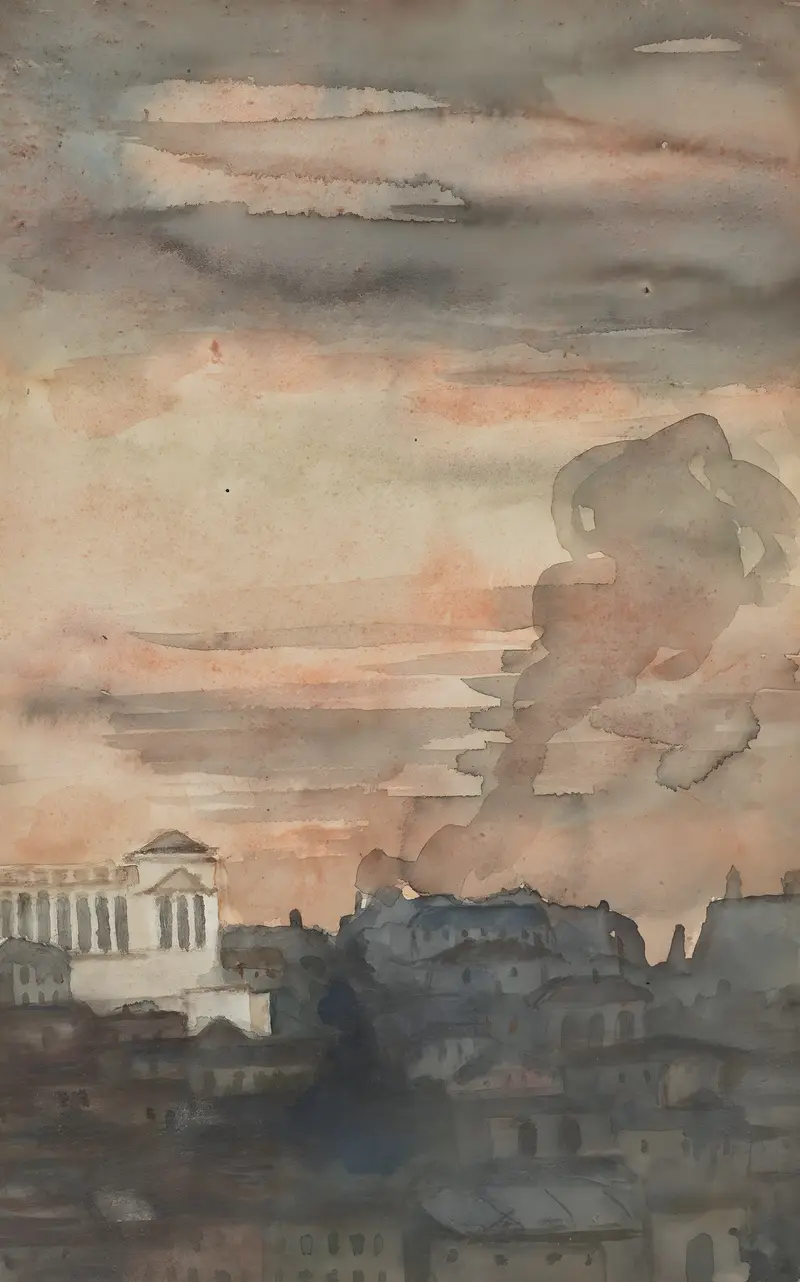
View of Rome with the Vittorio Emanuele II Monument in the distance, at sunset
Albert Besnard
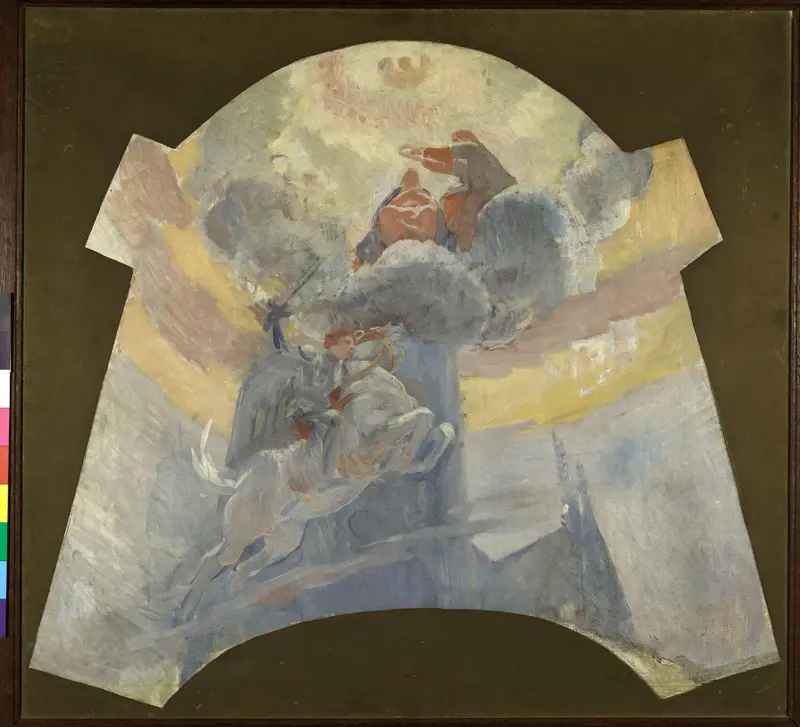
Albert (Paul Besnard dit) La Mystique, esquisse de la composition d'ensemble
Albert Besnard
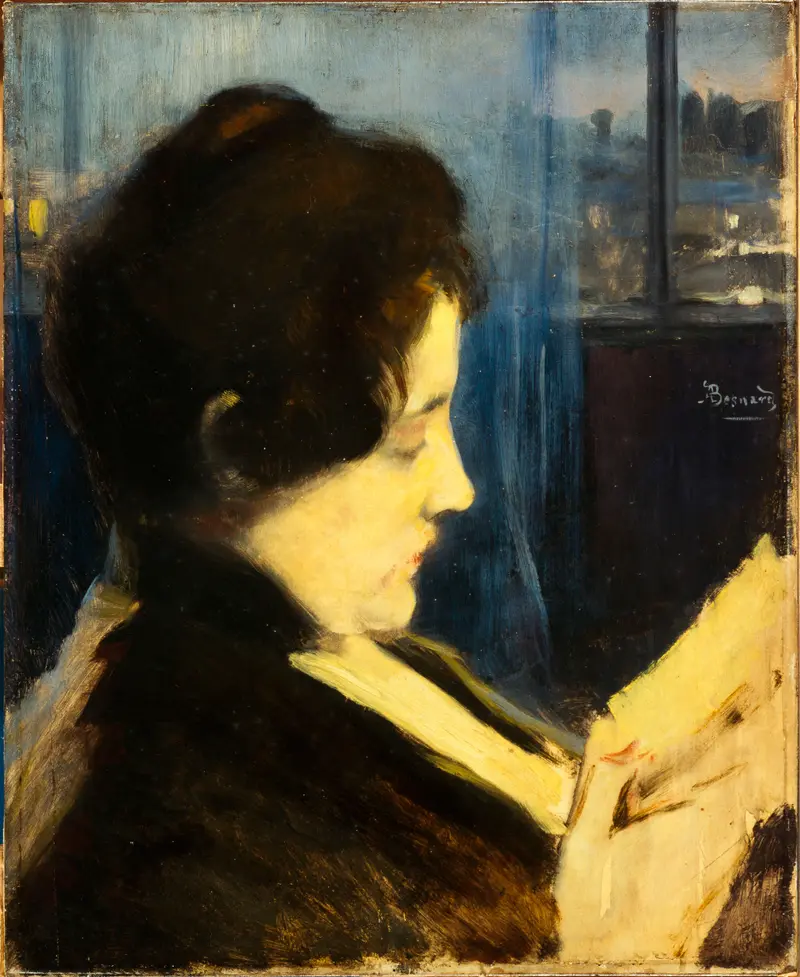
Charlotte Besnard c.
Albert Besnard
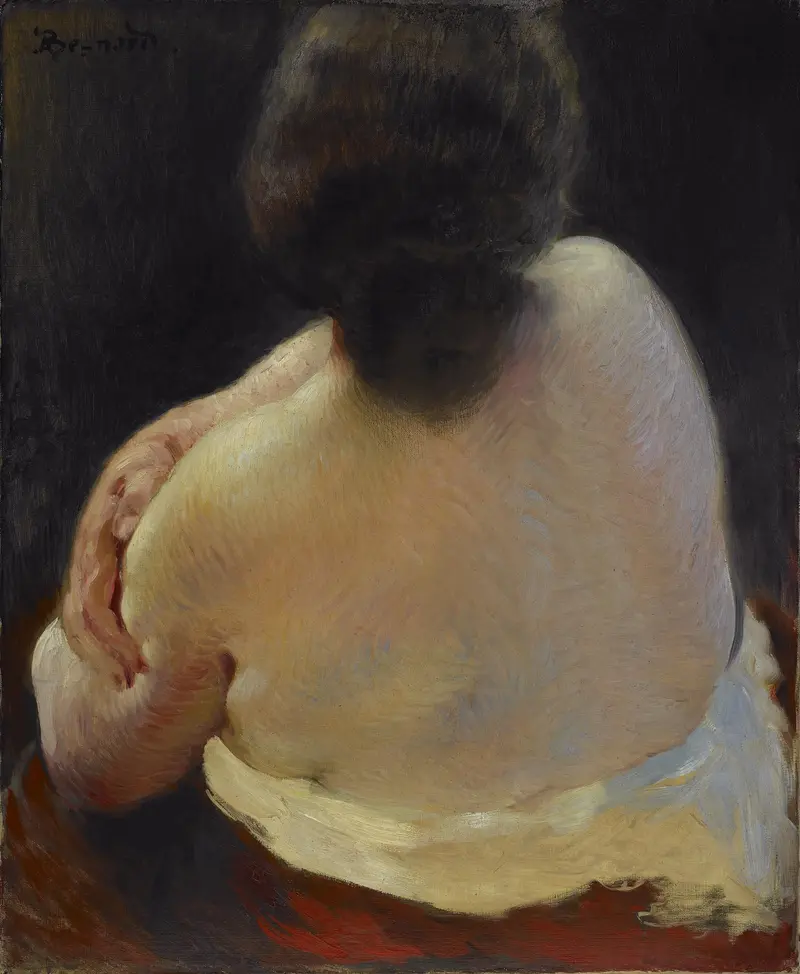
Back of a Woman, Study
Albert Besnard
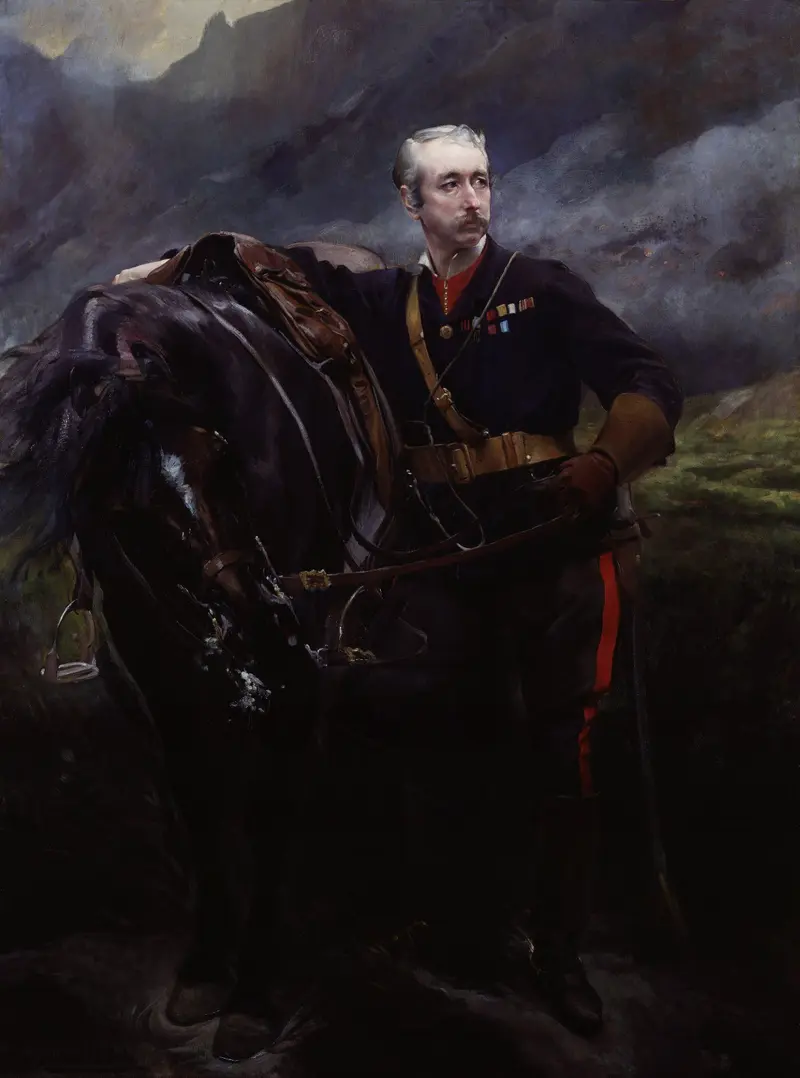
Garnet Joseph Wolseley, 1st Viscount Wolseley
Albert Besnard
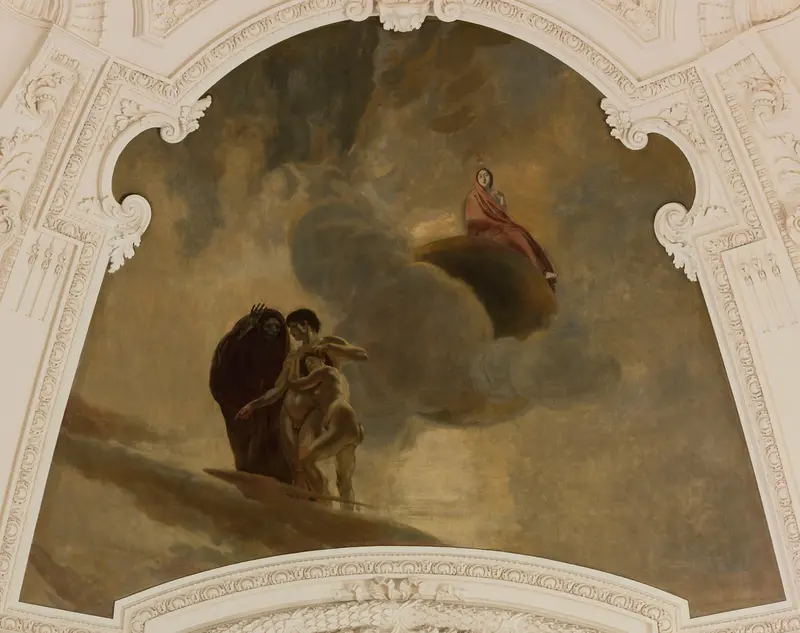
Besnard La Pensée DECOP00A(04) Petit Palais 01
Albert Besnard
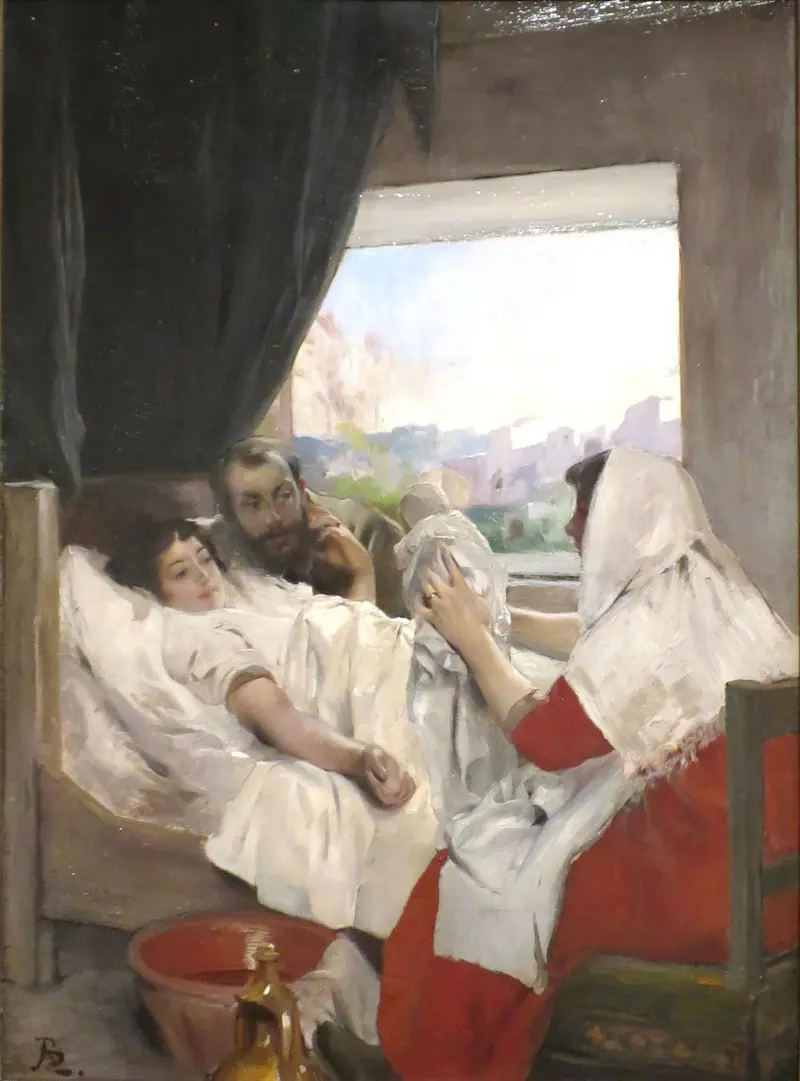
The First Morning (Albert and Charlotte Dubray Besnard and their Son, Robert)
Albert Besnard
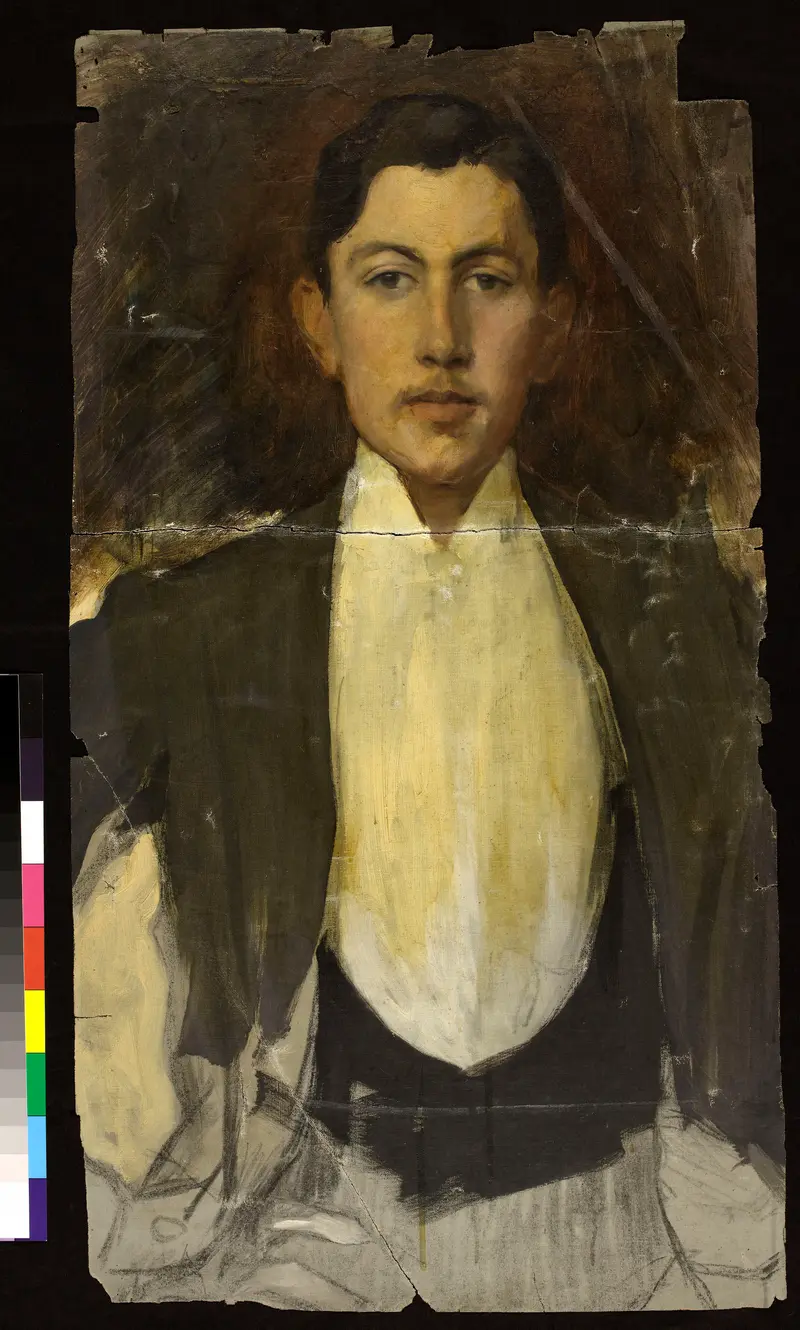
Albert (Paul Besnard dit) Portrait de Marcel Bing (2 fragments avant restauration)
Albert Besnard