Bamboo and Plum — History & Facts
This haunting reflection dances through the mind as one gazes at the intricate beauty of a work from centuries past. In Bamboo and Plum, the delicate interplay of nature’s elegance and the quiet intensity of obsession invites contemplation of what lies beneath the surface. Focus first on the bamboo, gracefully rendered with a sinuous elegance that draws the eye along its slender stalks. Notice how the strokes of ink flow like whispers, each one imbued with a deliberate finesse.
To the left, the plum blossoms burst forth in a riot of soft pink, their petals bursting with life, yet tinged with a subtle fragility. The stark contrast between the resilient bamboo and the delicate blossoms evokes a tension between strength and vulnerability, a reminder of the complexities of desire. As you delve deeper, reflect on the symbolism present in each element: the bamboo often represents resilience, while the plum blossom signifies renewal and the fleeting nature of beauty. This juxtaposition of permanence and ephemerality speaks to the artist's obsession with nature and the cycles of life, hinting at a longing that is both profound and melancholic.
The composition, filled with negative space, creates an ethereal quietness, allowing the viewer to ponder their own relationship with beauty and transience. Created in the 16th–17th century, this artwork emerges from a time of rich cultural engagement with nature in the East. The artist, whose identity remains shrouded in anonymity, captured the essence of a moment in a world that was both tumultuous and filled with the serenity of traditional values. These themes resonated widely, reflecting a collective understanding of life’s ephemeral beauty amidst societal changes, revealing the depth of human desire through art.
More Artworks by Unknown Artist
Browse all →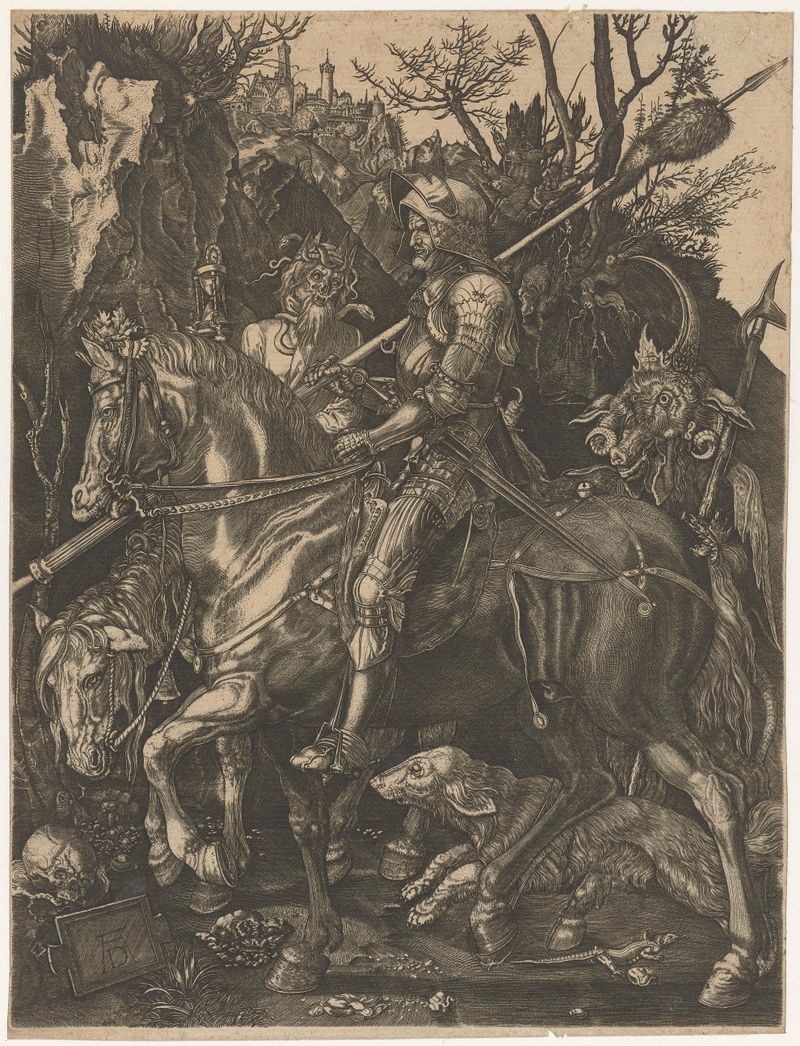
Ridder, Dood en Duivel
Unknown Artist
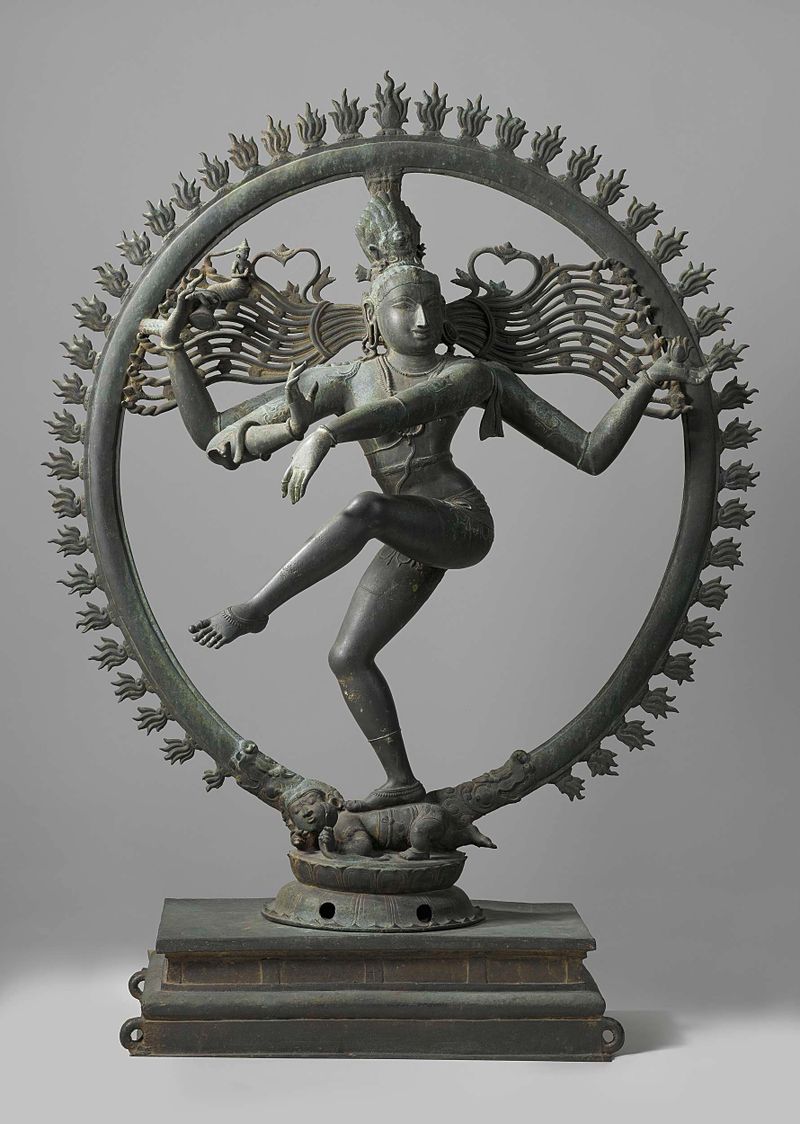
Shiva Nataraja
Unknown Artist
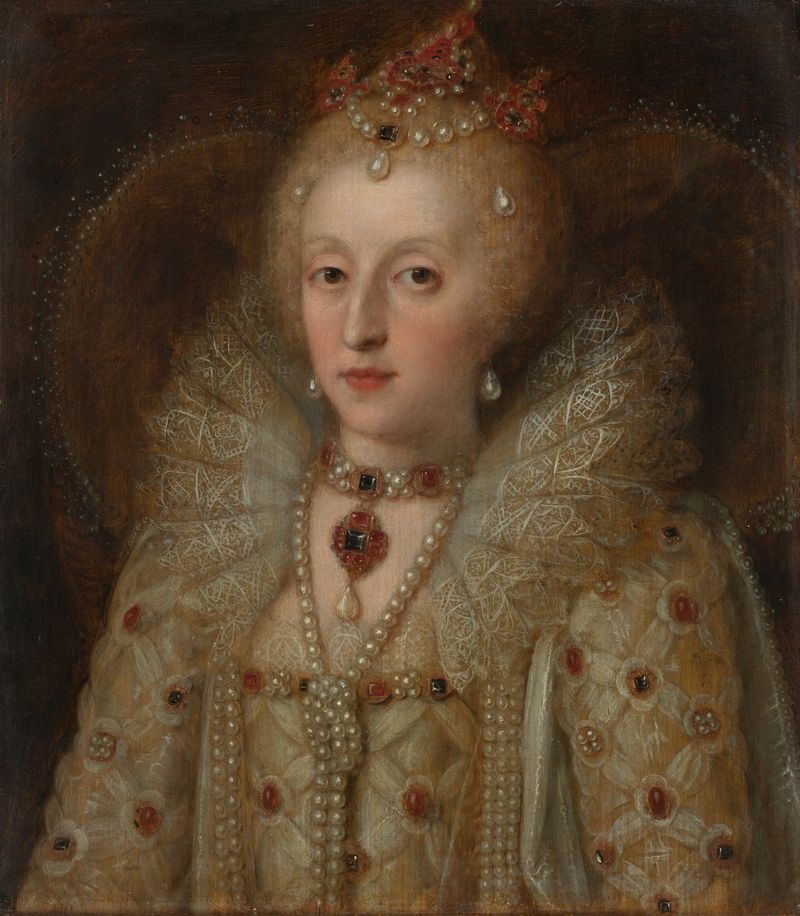
Portrait of Elizabeth I, Queen of England
Unknown Artist
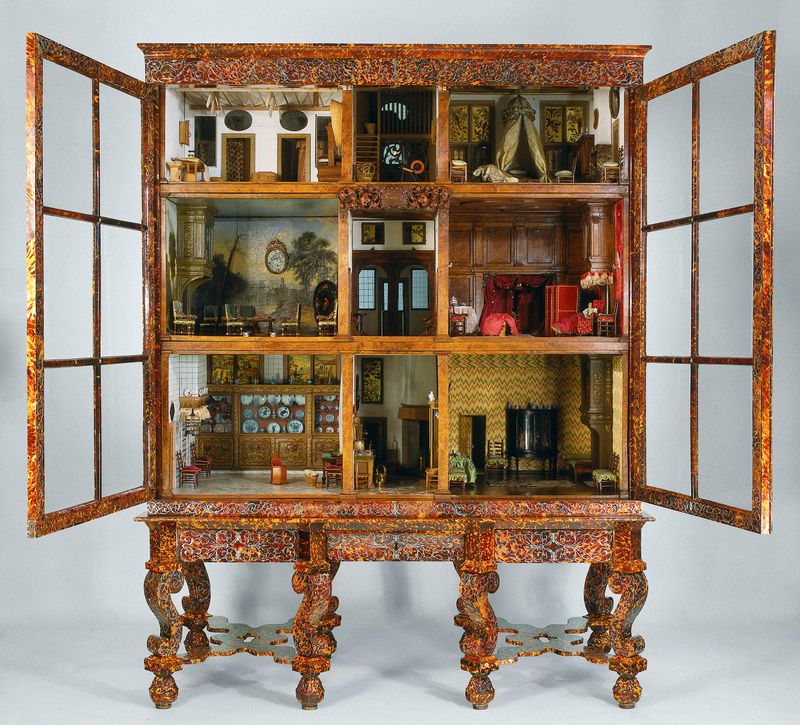
Dolls’ house of Petronella Oortman
Unknown Artist
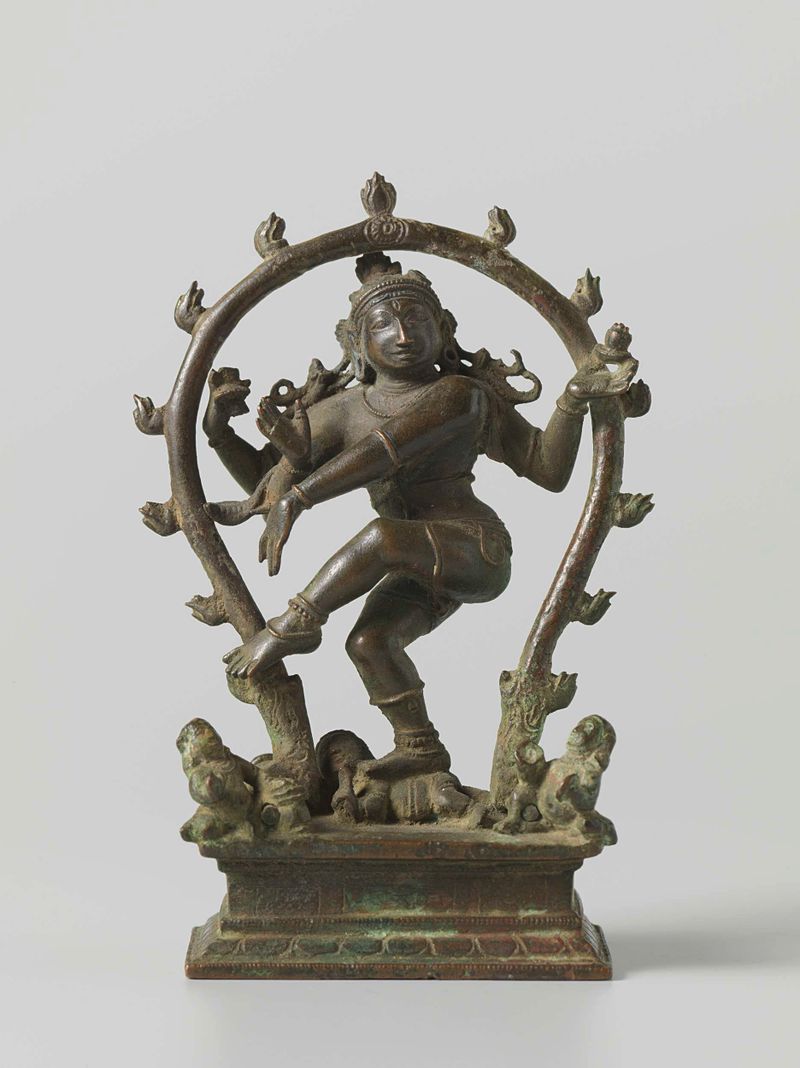
Shiva Nataraja
Unknown Artist

The Tale of Genji
Unknown Artist

The Tale of Genji
Unknown Artist

Cong
Unknown Artist
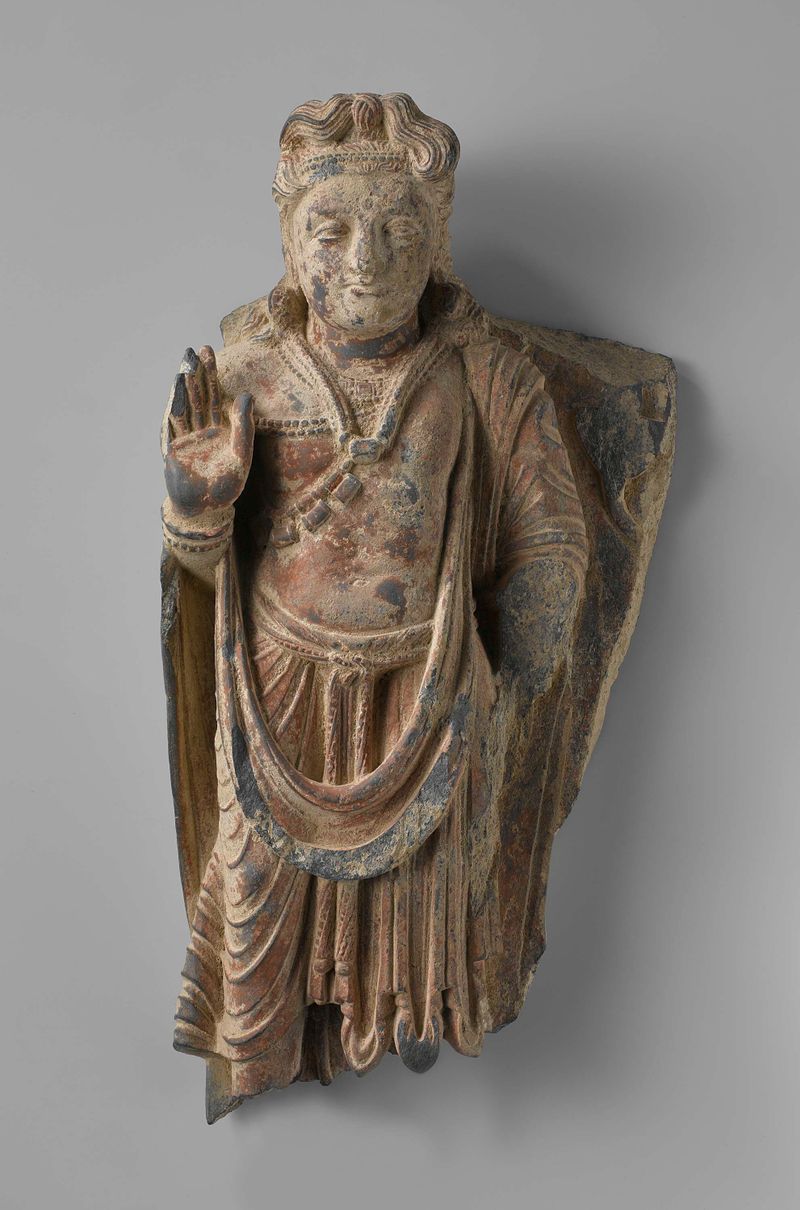
The bodhisattva Maitreya
Unknown Artist

Teabowl with a 'hare's fur' glaze
Unknown Artist