
Bank of England Royal Exchange — History & Facts
In a world that often rushes past, it captures a pause, an invitation to serenity amid the chaos of life. Look to the center of the composition, where the grand facade of the Royal Exchange stands resolute under a gentle, diffused light. The soft hues of the sky embrace the building, casting a warm glow that highlights the intricate architectural details. Notice how the artist deftly employs a subtle palette of blues, greys, and creamy whites, creating a harmony that soothes the eye and invites contemplation.
The carefully arranged figures in the foreground seem both engaged and contemplative, as if time itself has slowed momentarily. There’s a striking contrast between the solidity of the stone structure and the fleeting human presence surrounding it. Each figure, though small, serves as a reminder of the transient nature of daily life against the backdrop of enduring architecture. The tranquil water in the foreground reflects not just the edifice, but the calmness of the scene, suggesting a connection between human endeavors and the steady passage of time. William Marlow painted this work in 1800, a period marked by both the Industrial Revolution's fervor and the growing influence of Romanticism in art.
Active in London, Marlow was known for his landscape and architectural scenes, capturing the essence of British life and its evolving environment. His attention to detail in this piece reflects his commitment to representing not just the structure but the atmosphere of serenity prevailing within the bustling city.
More Artworks by William Marlow
Browse all →
Whitehall
William Marlow
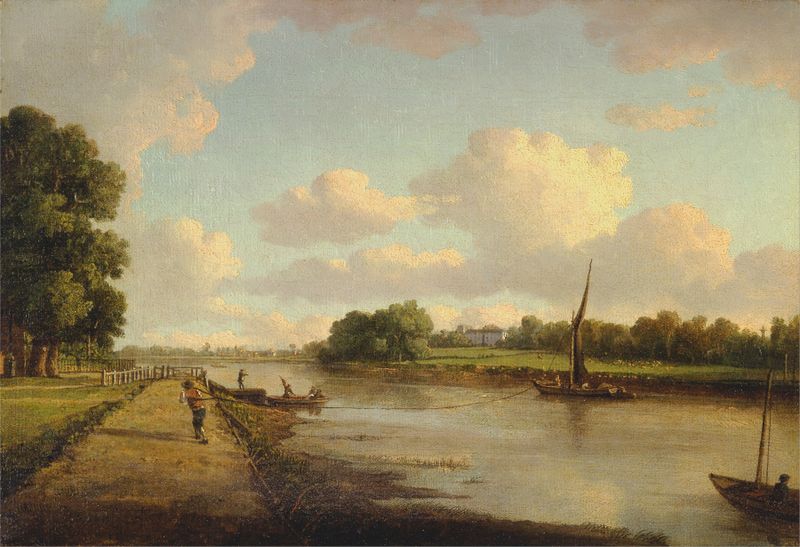
View on the River Thames at Richmond
William Marlow

The Thames At Richmond
William Marlow

The Arno towards the Ponte alle Grigio
William Marlow
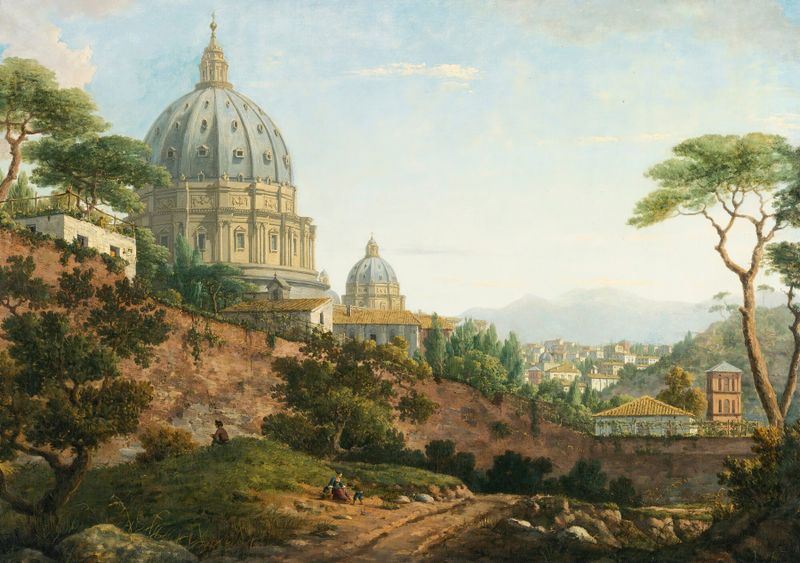
View Of Saint Peter’s, Rome
William Marlow
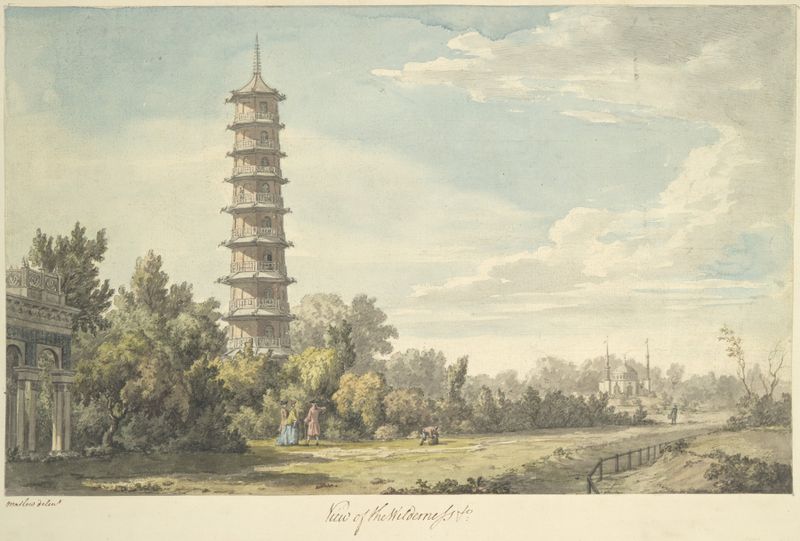
View of the Wilderness at Kew
William Marlow
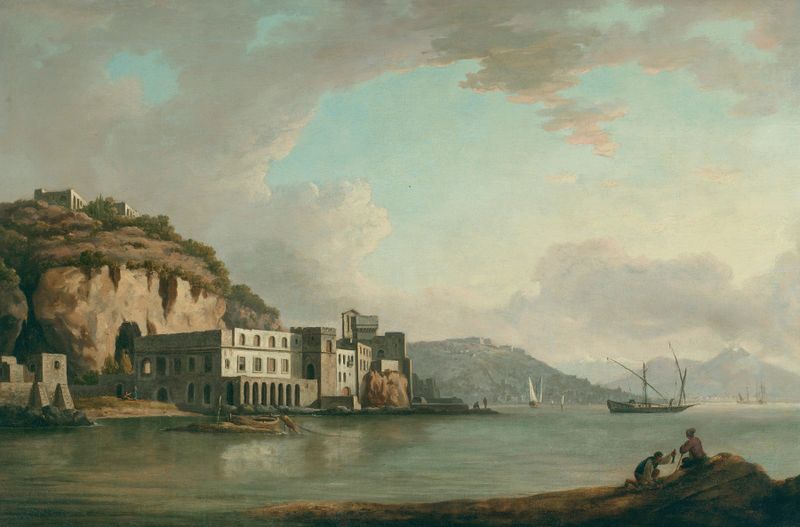
The Bay of Naples with Santa Maria degli Angeli
William Marlow

Nîmes from the Tour Magne
William Marlow
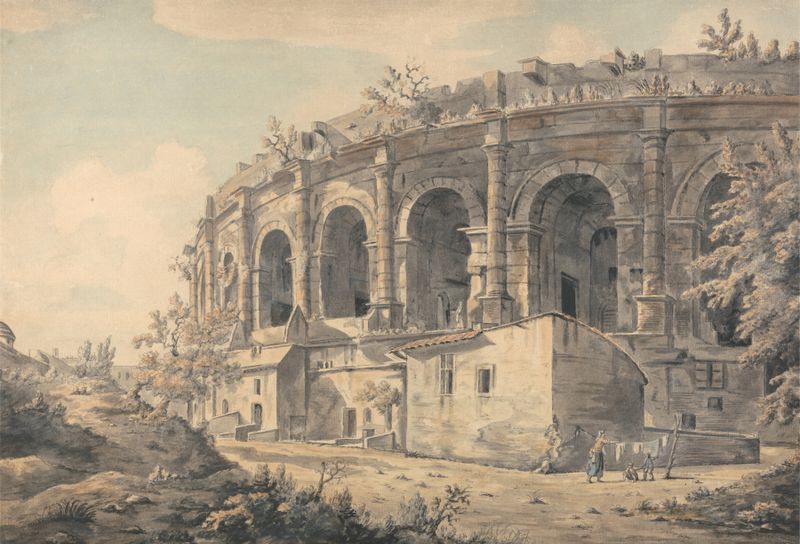
The Amphitheater at Nimes
William Marlow

Castle on the Rhône River, France
William Marlow
More Architecture Art
Browse all →
The statue of Liberty
Frédéric Auguste Bartholdi

View of Houses in Delft, Known as ‘The Little Street’
Johannes Vermeer

View of Houses in Delft, Known as ‘The Little Street’
Johannes Vermeer

The Cathedral in Rouen. The portal, Grey Weather
Claude Monet

The yellow house
Vincent van Gogh

The Church in Auvers-sur-Oise, View from the Chevet
Vincent van Gogh